New York Governor Kathy Hochul Orders First Statewide Data Center Moratorium Amid Energy and Cost Concerns

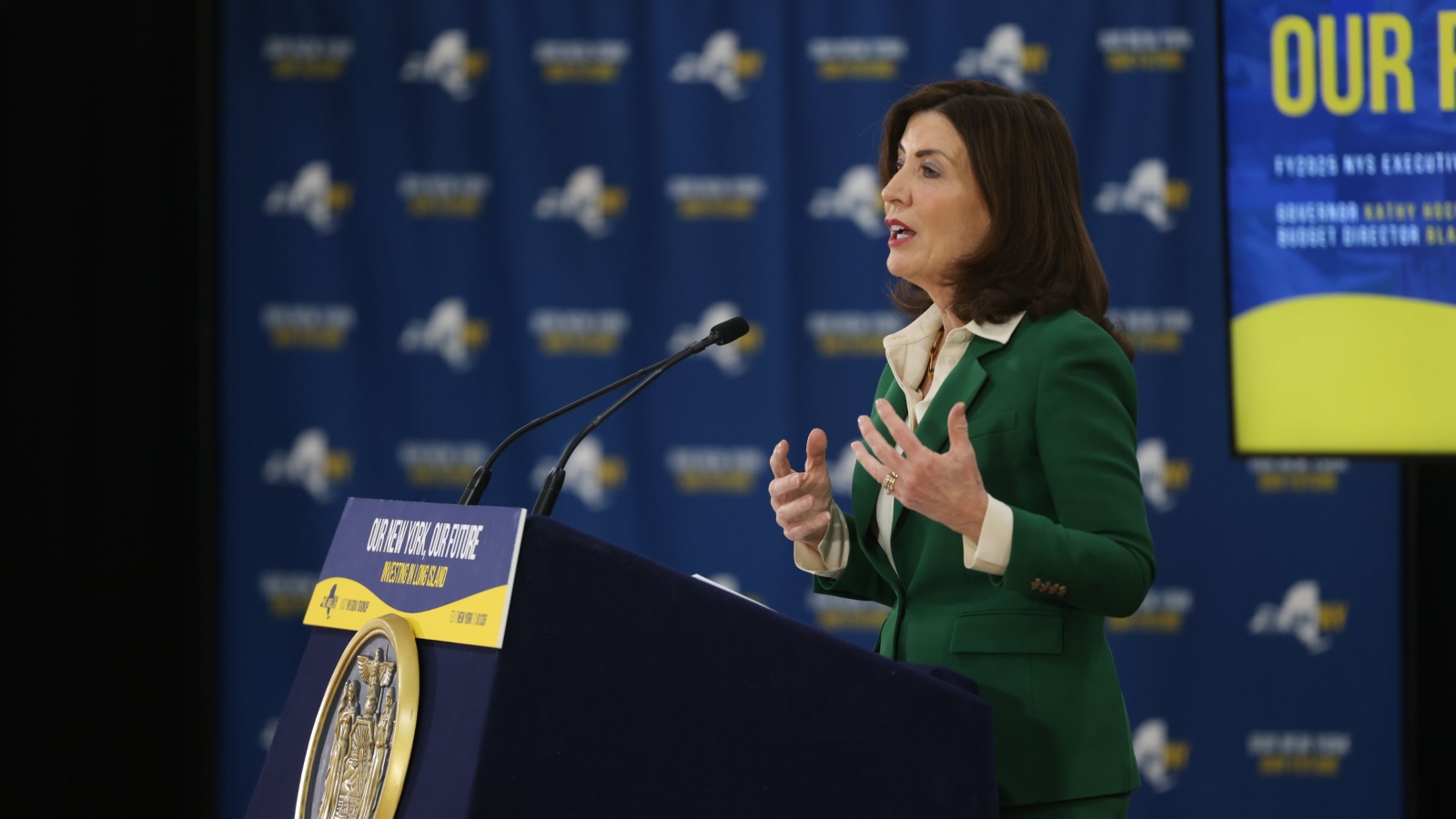
New York Governor Kathy Hochul, a Democrat, issued a landmark executive order on Tuesday, July 14, 2026, establishing a one-year moratorium on the construction of new large-scale data centers across the state. This move marks the first statewide ban of its kind in the United States, signaling a significant shift in how state governments manage the rapid expansion of energy-intensive computing infrastructure. The pause is intended to allow state agencies to assess the long-term impacts of these facilities on New York’s electricity grid, utility costs for residential consumers, and the state’s ambitious climate goals.
The executive order directs the New York State Department of Public Service (DPS) to cease issuing new permits for "hyperscale" and large-scale data centers for a period of 12 months. During this hiatus, the agency will conduct a comprehensive environmental and economic analysis to determine how these facilities affect the state’s resources. The order also introduces a framework that could eventually require data center operators to either pay a premium for their energy consumption or provide their own independent power sources to mitigate the strain on the public grid.
"As data center development threatens to hike up utility bills, deplete our natural resources, and create uncertainty for New Yorkers, it’s my responsibility to take action and lead," Governor Hochul said in an official statement. The Governor emphasized that while New York remains a hub for technological innovation, the current pace of data center growth poses a direct risk to the reliability of the state’s energy infrastructure and the financial well-being of its residents.
The Rapid Rise of the Hyperscale Era
The demand for data centers has surged globally, fueled primarily by the exponential growth of artificial intelligence (AI), cloud computing, and high-frequency trading. Technology giants, often referred to as "hyperscalers"—including Amazon Web Services, Google, Microsoft, and Meta—have invested hundreds of billions of dollars into massive physical facilities that house thousands of servers. These servers require immense amounts of electricity not only for computation but also for cooling systems that prevent hardware from overheating.
In New York, the appeal for such developments has historically been driven by the state’s proximity to global financial markets and the availability of cooling water and legacy industrial infrastructure in Upstate regions. However, the sheer scale of modern AI-driven data centers has changed the calculus. A single hyperscale facility can consume as much electricity as a medium-sized city, often requiring hundreds of megawatts of power.
This surge in demand comes at a precarious time for New York’s energy sector. The state is currently working to meet the mandates of the Climate Leadership and Community Protection Act (CLCPA), which requires New York to achieve 70% renewable energy by 2030 and a zero-emission power grid by 2040. The influx of massive new energy consumers threatens to outpace the development of new renewable energy projects, potentially forcing the state to keep fossil-fuel-burning "peaker" plants online longer than planned.
A Chronology of Policy and Pushback
The executive order follows a period of mounting tension between the tech industry and local communities. While data centers were once welcomed as a way to revitalize former industrial sites, the realization that they provide relatively few long-term jobs compared to their massive footprint and resource consumption has soured public opinion in many regions.
- April 2026: Maine Governor Janet Mills vetoed a similar statewide moratorium, citing concerns that a ban would send a negative signal to the burgeoning tech sector and stifle economic growth.
- June 2026: The New York State Legislature passed a legislative version of a data center moratorium (S10642). This bill was even more restrictive than the Governor’s eventual executive order. While the legislature’s bill remains on her desk, Hochul’s executive action allows the administration to exert immediate control over the regulatory process while the legislative path is finalized.
- July 2026: Governor Hochul issues the executive order, establishing the one-year pause and directing the Department of Public Service to begin its formal inquiry.
This timeline reflects a growing national trend of "tech-skepticism" regarding physical infrastructure. In Virginia, home to "Data Center Alley," and in states like Georgia and Arizona, local governments have faced intense protests over noise pollution, water usage for cooling, and the visual impact of massive windowless warehouses in residential or agricultural zones.
Energy Grid and Economic Data
The data underlying the Governor’s decision highlights the scale of the challenge. According to reports from the New York Independent System Operator (NYISO), the entity responsible for managing the state’s power grid, peak demand is expected to rise significantly over the next decade. The integration of electric vehicles and the electrification of home heating are already placing new demands on the system. When hyperscale data centers are added to this mix, the "reliability margin"—the buffer of extra power available during extreme weather events—begins to shrink.
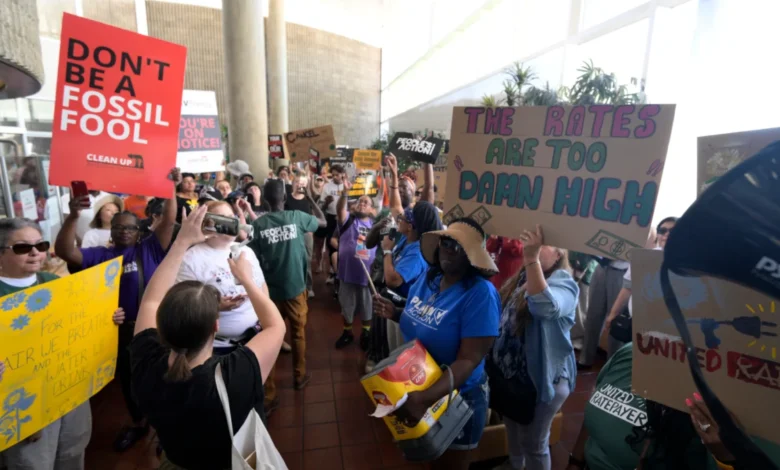
Furthermore, the economic impact on ratepayers is a primary concern for the administration. In a "merchant" energy market like New York’s, increased demand typically drives up wholesale electricity prices. Because utilities pass these costs on to consumers, the presence of a few massive energy users can lead to higher monthly bills for millions of households.
The Governor’s order specifically addresses this by calling for a new "proceeding" to evaluate rate structures. Currently, many large industrial users benefit from discounted energy rates or tax exemptions intended to encourage job creation. Hochul has signaled a desire to reverse this, calling on lawmakers to repeal state sales tax exemptions for large data centers. She argued that these subsidies are no longer necessary for an industry that is expanding regardless of incentives and that provides limited employment opportunities once construction is completed.
Strengthening Local Bargaining Power
Beyond the energy grid, the executive order seeks to empower local municipalities. Governor Hochul has directed the state’s economic development agency, Empire State Development (ESD), to create a standardized framework for local communities to use when negotiating with tech companies.
Historically, local planning boards have often felt outmatched by the legal and financial resources of multi-billion-dollar tech firms. The new framework will encourage—and potentially require—developers to provide "community benefit agreements." These may include:
- Infrastructure Improvements: Direct funding for local road, sewer, or water system upgrades.
- Child Care Investments: Contributions to local childcare funds to support the regional workforce.
- Labor Standards: Requirements for project labor agreements (PLAs) and prevailing wage standards for construction workers.
- Clean Energy Contributions: A newly proposed fund would require data center operators to invest directly in New York’s renewable energy supply or grid modernization projects.
Industry and Environmental Reactions
The reaction to the moratorium has been split along predictable lines. Industry advocacy groups, such as the Data Center Coalition, have expressed disappointment, arguing that the ban could drive investment to neighboring states like New Jersey or Pennsylvania. They contend that data centers are the "backbone of the modern economy" and that New York risks falling behind in the global AI race.
"A moratorium sends a message that New York is closed for innovation," said a spokesperson for a leading tech trade association. "We believe that through collaboration and private investment in green energy, we can meet the state’s goals without halting progress."
Conversely, environmental advocates and consumer watchdog groups have hailed the move as a necessary safeguard. "For too long, big tech has treated our energy grid as an infinite resource while taxpayers foot the bill for upgrades," said a representative from a prominent New York environmental NGO. "This pause allows us to catch our breath and ensure that our transition to clean energy isn’t derailed by the insatiable power demands of AI."
Broader Implications and Future Outlook
New York’s decision is likely to serve as a bellwether for other states. As the federal government pushes for a national transition to clean energy, the friction between high-tech industrial growth and environmental preservation is becoming a central theme of 21st-century governance.
The one-year period will be a critical window for the Department of Public Service. Their findings will likely form the basis for permanent regulations that could redefine the "social contract" for data centers. If New York successfully implements a "pay-to-play" model where data centers must fund their own renewable energy sources or pay significantly higher rates to offset their impact, it could provide a blueprint for other states facing similar pressures.
The moratorium also highlights a shift in economic development strategy. By moving away from tax exemptions and toward community benefit mandates, New York is signaling that it will no longer prioritize growth at any cost. Instead, the focus is shifting toward "sustainable development"—ensuring that new industries contribute as much to the state’s stability and resources as they take from it.
As the 12-month clock begins, the tech industry, environmentalists, and energy regulators will be watching closely. The outcome of New York’s analysis will not only determine the future of data centers in the Empire State but may also dictate the pace and nature of the digital revolution across the United States. For now, the cranes are coming to a halt, and the state’s focus turns from expansion to evaluation.
Related posts: