The global struggle to protect the Earth’s remaining biodiversity and stabilize the climate reached a somber milestone in 2025, as environmental and Indigenous rights defenders remained among the most targeted populations of human rights advocates worldwide. Despite a series of landmark rulings from international courts that theoretically strengthened the legal protections for those defending the planet, the physical reality on the ground has become increasingly perilous. According to a comprehensive year-end report released by Front Line Defenders, a Dublin-based international human rights organization, at least 358 human rights defenders were killed over the past twelve months. This figure represents a persistent and systemic crisis of violence directed at individuals who challenge powerful economic interests, ranging from multinational extractive corporations to illicit criminal syndicates.
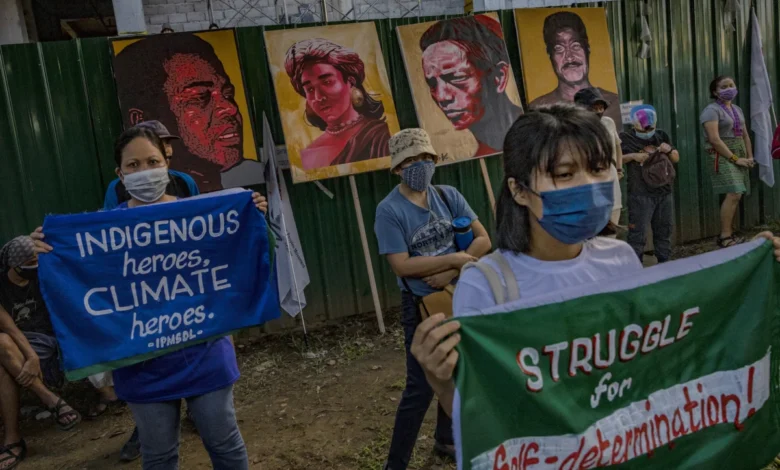
Of the total number of documented fatalities, nearly a quarter—84 individuals—were specifically targeted due to their activism in land and environmental protection. These activists often work in an unpaid or community-led capacity, serving as the final line of defense against habitat destruction and resource exploitation. The report documented these killings across a wide geographic spectrum, including Brazil, Colombia, Ecuador, France, Honduras, Guatemala, Mexico, India, Indonesia, Peru, the Philippines, Turkey, Somalia, and Palestine. Furthermore, Indigenous rights defenders, whose work frequently overlaps with environmental conservation but is tracked as a distinct category by Front Line Defenders, accounted for another 17 percent of the documented killings. Together, these two groups represent more than 40 percent of all human rights defenders killed globally in 2025, highlighting the extreme risk associated with the defense of natural resources.
The Spectrum of Violence and the "Undercount" Reality
While the loss of life represents the most extreme form of retaliation, the report emphasizes that killings are often the culmination of a much broader spectrum of violence and harassment. In 2025, there were nearly 4,000 documented non-lethal attacks on human rights defenders across 119 countries. These incidents include sophisticated surveillance, state-sponsored smear campaigns, arbitrary detention, enforced disappearances, and torture. The authors of the report warn that these figures are likely a "vast undercount" of the actual violence occurring globally. In many regions, the perpetrators of these attacks operate with near-total impunity, and the victims are often too intimidated to report incidents to local authorities who may be complicit in the harassment.
The report identifies several factors that contribute to the invisibility of these attacks. In countries like China, the Democratic Republic of Congo, and Iran, the closure of civic space makes independent documentation nearly impossible. The imposition of internet blackouts, the suppression of independent media, and the direct targeting of human rights documenters create "dark zones" where violence occurs without international witness. In conflict-riven or politically restrictive environments, self-censorship becomes a survival mechanism, further obscuring the true scale of the crisis.
Chronology of a Conflict: The Death of Efraín Fueres
The case of Efraín Fueres in Ecuador serves as a harrowing case study of the dangers faced by those on the front lines. A 46-year-old community leader and environmental defender, Fueres was a prominent figure in the grassroots movement against the expansion of extractive industries in the Amazonian and Andean regions. His death in the fall of 2025 occurred during a period of intense social unrest in Ecuador, as the government moved to accelerate mining and oil permits despite widespread local opposition.
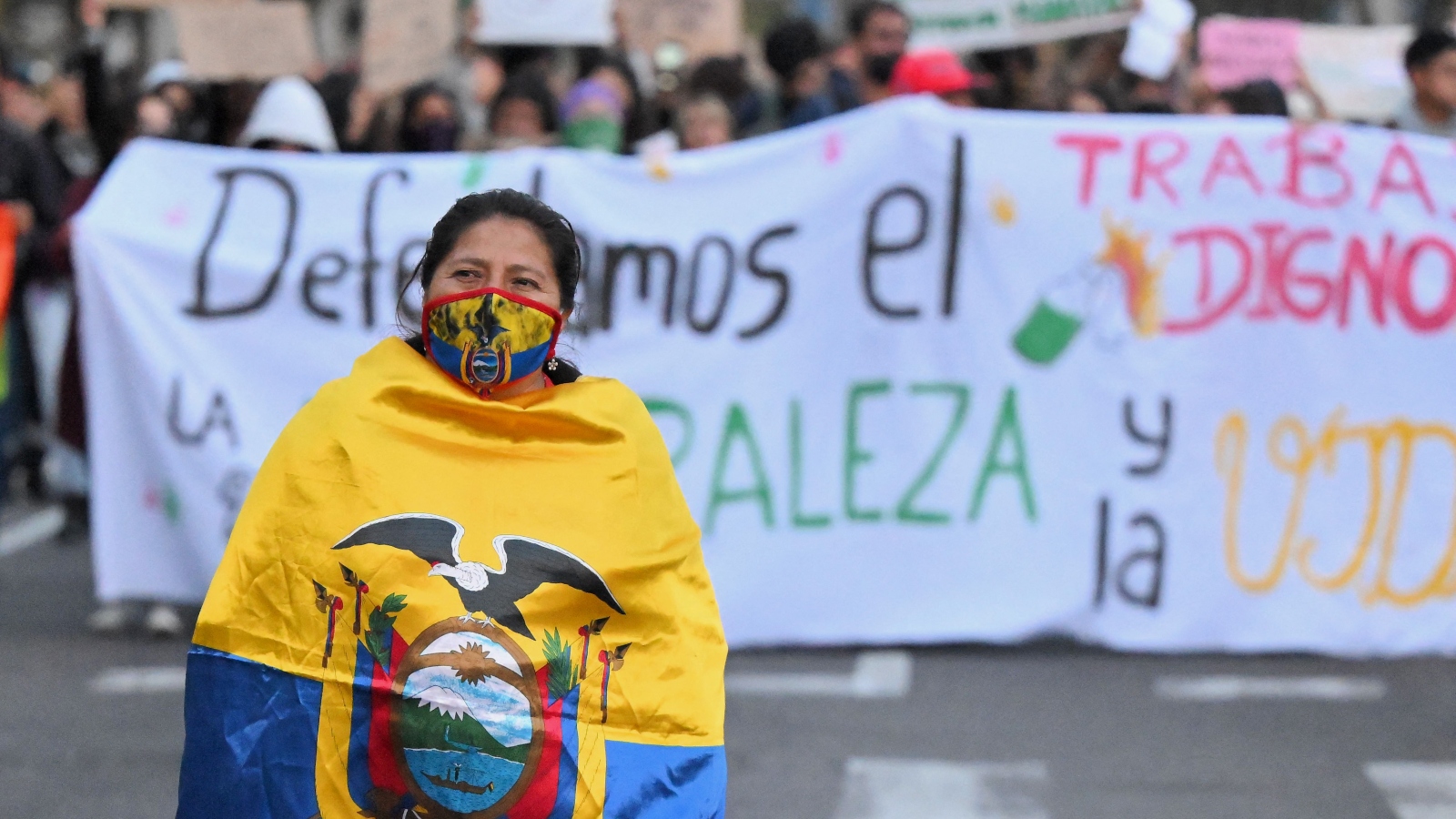
The chronology of the event, reconstructed through social media footage and eyewitness accounts, paints a grim picture of state-involved violence. Fueres was participating in a peaceful march when he was gunned down in broad daylight. Video evidence shows a military vehicle approaching Fueres as he lay dying in the street, with a companion kneeling over him in an attempt to provide aid. Rather than offering medical assistance or securing the scene for investigation, armed officers were seen surrounding the men and repeatedly kicking the companion. To date, neither the Ecuadorian Consulate in Washington, D.C., nor the country’s public prosecutor’s office has provided an official response to inquiries regarding the incident, a silence that activists say is emblematic of the lack of accountability in such cases.
The Rise of "Economies of Violence"
A central theme of the 2025 report is the emergence of what researchers call "economies of violence." This term describes the overlapping and often indistinguishable networks of government officials, private corporations, paramilitary groups, and criminal organizations that operate around extractive industries. In the pursuit of profit from mining, logging, and agribusiness, these actors often share the same goal: the removal of any opposition to land development.
The report notes that defenders who challenge land dispossession often face the same networks of power regardless of whether the activities they are protesting are legally sanctioned or purely criminal. In many remote regions of the Global South, the line between legal and illegal extraction has blurred. In Ecuador, for instance, illegal miners frequently operate within the boundaries of concessions granted to legitimate international firms. This creates a volatile environment where local communities are divided, and defenders are targeted by both corporate security forces and organized crime syndicates.
Furthermore, there is a growing trend of "legal harassment" or "criminalization." Instead of—or in addition to—physical violence, governments and corporations are increasingly using the judicial system to silence dissent. This includes the filing of retaliatory lawsuits, often referred to as Strategic Lawsuits Against Public Participation (SLAPPs), and the use of anti-terrorism or national security laws to arrest activists. In Ecuador, the majority of criminalization cases in 2025 occurred within the context of socio-environmental conflicts where mining projects were imposed on communities without their free, prior, and informed consent.
The Judicial Paradox: Legal Gains vs. Physical Danger
The high rate of violence in 2025 is particularly striking when contrasted with the significant progress made in international environmental law. Over the past several years, courts have increasingly recognized that a healthy environment is a fundamental prerequisite for the enjoyment of all other human rights. More than 165 countries have now recognized the human right to a clean, healthy, and sustainable environment, providing a more robust legal framework for activists to challenge environmental degradation.
Last year, the Inter-American Court of Human Rights issued a landmark advisory opinion on climate change, stating that "respect for and guarantee of the rights of environmental human rights defenders is particularly important because they perform a task that is fundamental for strengthening democracy and the rule of law." The court emphasized that as the climate crisis intensifies, the role of these defenders becomes even more critical, as they ensure public involvement in decision-making processes that will affect generations to come.

Similarly, other international bodies, including the International Tribunal for the Law of the Sea (ITLOS) and the International Court of Justice (ICJ), have moved toward affirming the legal obligations of states to protect the environment and those who defend it. However, there remains a massive "implementation gap" between the high-level rulings in The Hague or San José and the enforcement of protections in the remote forests of the Amazon or the islands of the Philippines.
Implications for the Global Climate Strategy
The continued targeting of environmental defenders has profound implications for global efforts to combat climate change. Indigenous peoples and local communities currently manage at least half of the world’s land, which contains the vast majority of the planet’s remaining biodiversity. When these defenders are silenced or killed, the natural carbon sinks they protect—forests, wetlands, and peatlands—become vulnerable to industrial exploitation.
The report suggests that the global transition to "green energy" may inadvertently be fueling this violence. The soaring demand for "transition minerals" like lithium, cobalt, and copper has led to a new wave of mining exploration in sensitive areas. Without strict safeguards and the enforcement of "free, prior, and informed consent," the rush for green energy risks replicating the same colonial and extractive patterns that characterized the fossil fuel era, leading to further displacement and violence against land defenders.
Conclusion and Future Outlook
The findings from Front Line Defenders for 2025 underscore a disturbing reality: the world’s most effective climate activists are also its most vulnerable. While international legal recognition of environmental rights is a necessary step, it has not yet translated into safety for those on the ground. The report concludes that until governments take proactive steps to dismantle the "economies of violence" and hold both state and private actors accountable for attacks, the death toll is likely to remain high.
For the international community, the challenge in 2026 and beyond will be to move from rhetoric to action. This includes the implementation of regional protection mechanisms, such as the Escazú Agreement in Latin America and the Caribbean, which specifically mandates the protection of environmental defenders. Without such concrete measures, the very people tasked with protecting the planet’s future will continue to pay for that protection with their lives.
Related posts: