
F1 Explainers Between Racing Lines
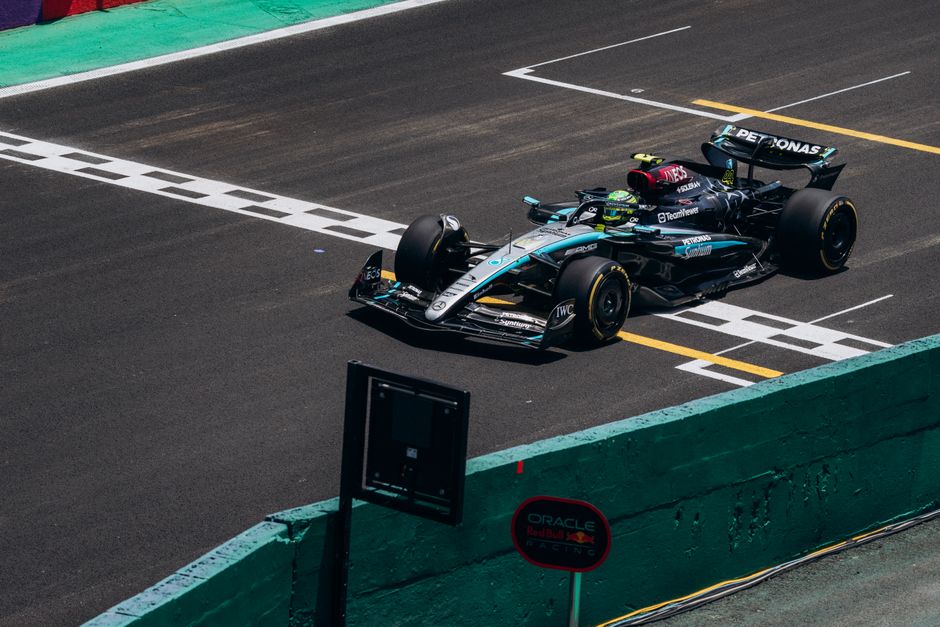
Unpacking the Nuances: F1 Explainers Between the Racing Lines
Formula 1 is a sport defined by its exhilarating speed, intricate engineering, and fiercely competitive nature. However, for many spectators, the true depth of F1’s complexity often lies in the subtle, yet crucial, interactions and decisions that unfold not on the track itself, but between the racing lines. This is where F1 explainers – a dedicated breed of content creators, journalists, and analysts – become invaluable. They meticulously dissect the unseen strategies, technical innovations, and regulatory shifts that shape the outcome of a Grand Prix, transforming a seemingly chaotic spectacle into a rich tapestry of informed understanding. These explainers operate in a specialized niche, bridging the gap between raw on-track action and the intricate world of Formula 1 strategy, car development, and the overarching governance of the sport. Their content, often delivered through articles, videos, and podcasts, goes beyond simply reporting results; it delves into the why and how, empowering audiences to appreciate the sport on a far more profound level.
The significance of these "between the lines" explainers is multifaceted. Firstly, they demystify the arcane language and processes that underpin F1. Terms like "undercut," "overcut," "DRS zone," "tire degradation," and "power unit allocation" are commonplace within the F1 ecosystem but can be alienating to newcomers or casual fans. Expert explainers break down these concepts into digestible pieces, often using visual aids and analogies to illustrate complex aerodynamic principles or intricate tire management strategies. They illuminate the strategic chess match that unfolds in the pit lane, detailing when and why teams opt for certain tire compounds, when to pit, and how to counter a rival’s strategy. This strategic layer, often less visually dramatic than an overtake, is a cornerstone of F1 success, and explainers are crucial in bringing it to the forefront of the fan experience. Without this contextualization, the thrill of a perfectly executed pit stop or a clever tire strategy might be lost on the casual observer.
Secondly, F1 explainers play a vital role in detailing the cutting-edge technology that defines the sport. The cars themselves are engineering marvels, representing the pinnacle of automotive innovation. Explainers dissect the aerodynamics, explaining how wings and bodywork generate downforce, how complex cooling systems manage immense heat, and the intricate workings of the hybrid power units. They delve into the materials science, highlighting the use of carbon fiber and other advanced composites. This technological exposition not only satisfies the curiosity of technically-minded fans but also underscores the immense investment and intellectual capital poured into each F1 machine. Understanding the performance benefits derived from subtle aerodynamic tweaks or a more efficient energy recovery system adds a layer of appreciation for the sheer ingenuity on display. Moreover, as regulations evolve to promote closer racing or sustainability, explainers are instrumental in detailing the impact of these changes on car design and performance.
The regulatory landscape of Formula 1 is another fertile ground for these explainers. The FIA, the sport’s governing body, constantly introduces new rules and technical directives, aimed at improving safety, fostering competition, or addressing emerging challenges. These regulations, often dense and legalistic, require expert interpretation. Explainers meticulously dissect these rule changes, predicting their impact on team strategies, car development, and the overall competitive balance. They might analyze how a change in floor design will affect downforce generation, how a revised engine freeze impacts development paths, or how new sporting regulations will influence race management. This proactive analysis allows fans to anticipate shifts in the pecking order and understand the rationale behind team decisions, adding a dynamic predictive element to their F1 consumption.
Beyond the technical and strategic, F1 explainers also illuminate the human element of the sport. They delve into the motivations and pressures faced by drivers, team principals, and engineers. They analyze driver skillsets, comparing and contrasting their strengths and weaknesses in various conditions. They unpack the political maneuvering within the paddock and the commercial realities that shape team decisions. This deeper dive into the human drama, the rivalries, the triumphs, and the disappointments, adds an emotional resonance that elevates F1 from a mere sporting event to a compelling narrative. Understanding the psychological toll of a last-lap error or the immense pressure to deliver a championship-winning car fosters a deeper empathy and connection with the individuals involved.
The rise of platforms like YouTube, Twitter, and dedicated F1 news websites has democratized access to this in-depth analysis. Content creators can now directly engage with a global audience, bypassing traditional media gatekeepers. This has led to a proliferation of diverse explanatory styles, catering to different learning preferences. Some focus on detailed technical breakdowns with intricate diagrams, while others employ more narrative-driven storytelling, weaving together on-track action with strategic insights. This accessibility is crucial for F1’s continued growth, as it allows new fans to quickly get up to speed and develop a comprehensive understanding of the sport. The barrier to entry for appreciating F1’s intricacies is significantly lowered thanks to these dedicated explainers.
Search engine optimization (SEO) is an inherent aspect of how these explainers reach their audience. They meticulously craft their content with relevant keywords that fans are actively searching for. Terms like "F1 strategy explained," "how does DRS work," "F1 car aerodynamics for beginners," "Red Bull vs. Ferrari technical analysis," and "FIA rule changes F1 impact" are prime examples of search queries that these explainers aim to satisfy. By providing comprehensive, accurate, and easily discoverable information on these topics, they capture organic search traffic, ensuring their valuable insights reach a wider and more engaged audience. The algorithms of search engines favor content that is informative, authoritative, and directly answers user queries, making SEO a vital tool for visibility and impact in the F1 explainer ecosystem.
The ongoing evolution of Formula 1, driven by factors like sustainability initiatives and a desire for closer racing, presents a continuous stream of new topics for explainers. The shift towards hybrid powertrains and the ongoing development of sustainable fuels necessitate detailed explanations of energy management and the environmental impact of the sport. The introduction of new regulations, such as those designed to promote tighter racing, require thorough analysis of their aerodynamic and strategic consequences. Explainers are at the forefront of dissecting these changes, providing the necessary context for fans to understand and appreciate the sport’s journey towards a more sustainable and competitive future. This proactive engagement with evolving narratives ensures that F1 explainers remain relevant and essential to the fan experience.
Furthermore, the community aspect fostered by these explainers is noteworthy. Many creators engage directly with their audience through comments sections, Q&A sessions, and live streams. This interactive element allows for a dynamic exchange of ideas, further refining the understanding of complex F1 topics and fostering a sense of shared passion among fans. It’s not just about passively consuming information; it’s about actively participating in the discourse surrounding the sport. This community building is a powerful testament to the value these explainers bring, creating a dedicated and knowledgeable fanbase.
In conclusion, F1 explainers operating "between the racing lines" are indispensable for anyone seeking a deeper and more nuanced understanding of Formula 1. They translate complex technical jargon, intricate strategies, and evolving regulations into accessible and engaging content. Their dedication to unpacking the "why" and "how" transforms the sport from a mere spectacle of speed into a sophisticated blend of engineering, strategy, and human drama. Through their work, the often-unseen intricacies that define F1’s success are brought to light, enriching the experience for both seasoned enthusiasts and newcomers alike, all while leveraging the power of SEO to ensure their valuable insights reach the widest possible audience.
