
Palestinians Citizens Israel Gaza
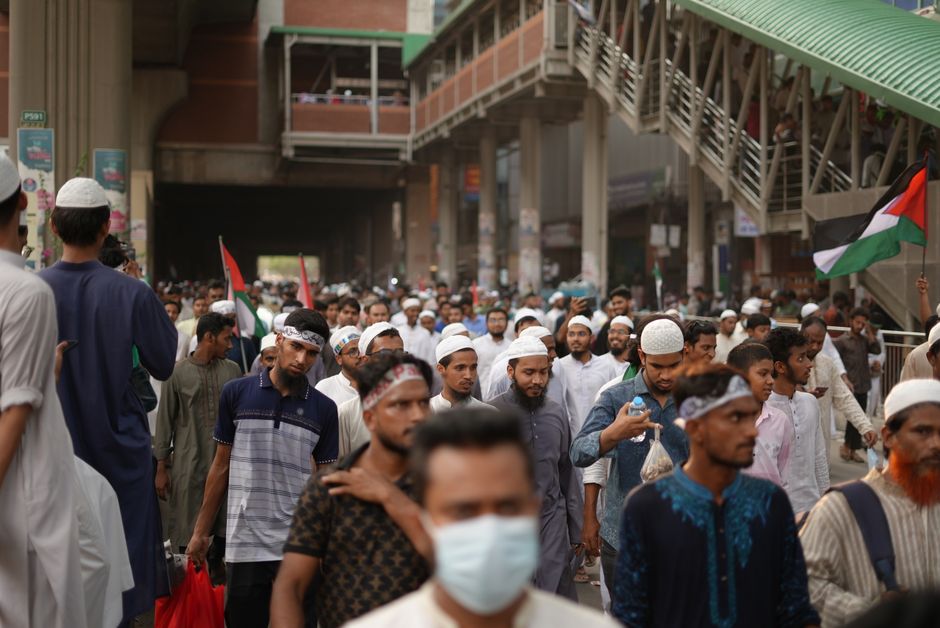
Palestinian Citizens of Israel and the Gaza Strip: A Complex Intertwined Reality
The relationship between Palestinian citizens of Israel and the Gaza Strip is a nuanced and often fraught reality, shaped by decades of political conflict, historical grievances, and ongoing humanitarian concerns. While Palestinian citizens of Israel, also known as Israeli Arabs, hold Israeli citizenship and participate in Israeli political life, their identity and aspirations are intrinsically linked to the broader Palestinian national movement. The Gaza Strip, under a blockade imposed by Israel and Egypt since 2007, represents a distinct territorial and political entity characterized by a severe humanitarian crisis and a separate, often adversarial, relationship with Israel. Understanding this dynamic requires examining the legal status, socio-economic conditions, political participation, and the impact of the ongoing conflict on both populations.
Palestinian citizens of Israel constitute approximately 20% of Israel’s population. Legally, they possess the rights and responsibilities of Israeli citizens, including the right to vote, hold office, and access public services. However, they often face systemic discrimination, both overt and covert, in various aspects of life. This discrimination manifests in areas such as housing, employment, education, and law enforcement. For instance, while they are represented in the Knesset, Israel’s parliament, their political parties have historically been marginalized, and legislation has sometimes been enacted that disproportionately impacts Arab citizens. The "Nation-State Law" of 2018, which declares Israel as the nation-state of the Jewish people and prioritizes Jewish settlement, has been particularly criticized for further marginalizing non-Jewish citizens and eroding their sense of belonging. Despite these challenges, many Palestinian citizens of Israel have achieved significant success in various fields, contributing to Israeli society and economy. They maintain strong cultural and familial ties to Palestinians in the West Bank and Gaza, creating a complex web of kinship and shared national identity that transcends political borders.
The Gaza Strip presents a starkly different reality. For over 15 years, it has been subjected to a stringent blockade, severely restricting the movement of people and goods. This blockade, implemented by Israel following Hamas’s takeover of the territory in 2007, is cited by Israel as a security measure to prevent weapons from entering Gaza and attacks from being launched. However, critics argue it amounts to collective punishment, devastating the economy, leading to widespread poverty, unemployment, and a severe humanitarian crisis. The population of Gaza, numbering over two million, is predominantly Palestinian refugees and their descendants, living in extremely crowded conditions. Access to basic necessities like clean water, electricity, and adequate healthcare is severely limited. The frequent escalations of violence between Israel and Hamas, often involving rocket fire from Gaza and Israeli military operations, have resulted in significant loss of life and destruction in the densely populated strip.
The connection between Palestinian citizens of Israel and the residents of Gaza, while not direct in terms of governance or free movement, is deeply rooted in shared history, culture, and national aspirations. Many Palestinian citizens of Israel have relatives in Gaza, and the plight of Gazans is a constant source of concern and solidarity. Activism and advocacy within Israel by Palestinian citizens and their Jewish allies often highlight the humanitarian crisis in Gaza and call for an end to the blockade and a just resolution to the broader conflict. This connection is often a source of tension within Israeli society, as advocating for Palestinians in Gaza can be perceived as disloyalty to the Israeli state by some segments of the Jewish population.
Politically, the situation is further complicated by the internal Palestinian divisions. The Palestinian Authority (PA), which governs parts of the West Bank, has a strained relationship with Hamas, which controls Gaza. Palestinian citizens of Israel generally align with the broader Palestinian national aspirations for statehood and self-determination, but their political engagement occurs within the Israeli system. This creates a unique position where they are simultaneously citizens of Israel and part of a national group whose aspirations are largely unfulfilled, particularly in Gaza. Their political discourse often grapples with the question of loyalty, identity, and how to best advocate for their rights and the rights of their brethren in the Palestinian territories.
The economic disparities are also significant. While Palestinian citizens of Israel, despite facing discrimination, generally have higher incomes and better access to employment opportunities compared to residents of Gaza, they are still economically disadvantaged relative to their Jewish Israeli counterparts. In Gaza, the economic situation is dire, with the UN estimating that over half the population lives below the poverty line. The blockade has crippled industries, limited trade, and created a dependence on international aid. This economic desperation in Gaza can fuel further instability and resentment, impacting the broader regional dynamic.
The concept of "Palestinian citizens of Israel" itself is a subject of debate. Some within the Palestinian community prefer the term "Palestinian Arabs in Israel," emphasizing their distinct national identity. Others embrace "Palestinian citizens of Israel," highlighting their legal status while still acknowledging their Palestinian heritage. Regardless of the terminology, the fundamental issue remains their dual identity: citizens of a Jewish state, yet part of a national group with a distinct historical narrative and a desire for self-determination. This duality influences their political participation, their social integration, and their relationship with the ongoing Israeli-Palestinian conflict.
The ongoing conflict, characterized by cycles of violence, occupation, and failed peace processes, profoundly impacts both populations. For Palestinian citizens of Israel, the conflict often exacerbates feelings of alienation and reinforces the perception of their second-class status. The actions of the Israeli government in Gaza are frequently viewed through the lens of their own experiences of discrimination and marginalization. Conversely, the situation in Gaza, with its dire humanitarian conditions and constant threat of violence, serves as a potent symbol of Palestinian dispossession and the unresolved nature of the conflict. This shared experience, though manifested differently, fosters a sense of solidarity and a collective desire for a just and lasting peace.
The international community’s approach to the Israeli-Palestinian conflict also plays a role. While there are international efforts focused on humanitarian aid to Gaza and diplomatic initiatives aimed at resolving the broader conflict, the specific situation of Palestinian citizens of Israel often receives less attention. Their unique legal and political standing within Israel, combined with their connection to the Palestinian national movement, places them in a distinct category that requires tailored analysis and engagement. Addressing their grievances and ensuring their full equality within Israel is crucial for fostering a more stable and just society, both domestically and regionally.
In conclusion, the relationship between Palestinian citizens of Israel and the Gaza Strip is not one of simple separation but of intricate connection. It is a relationship defined by shared identity, historical ties, and the overarching impact of the Israeli-Palestinian conflict. Palestinian citizens of Israel navigate a complex reality of citizenship and belonging, facing systemic challenges while contributing to Israeli society. Meanwhile, the residents of Gaza endure a severe humanitarian crisis under blockade, representing a focal point of Palestinian displacement and aspiration. Understanding this intertwined reality, with its legal, political, economic, and social dimensions, is essential for comprehending the complexities of the Middle East and for advocating for a future where the rights and dignity of all Palestinians are recognized and upheld. The continued disenfranchisement and suffering of either population ultimately hinders the prospects for lasting peace and security for the entire region.
