Marco Rubio spotted in Nike tracksuit aboard Air Force One during trip to China, igniting memes online

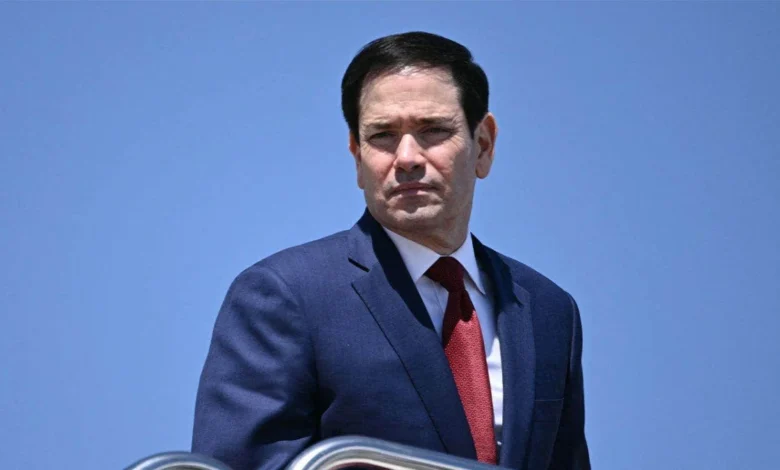
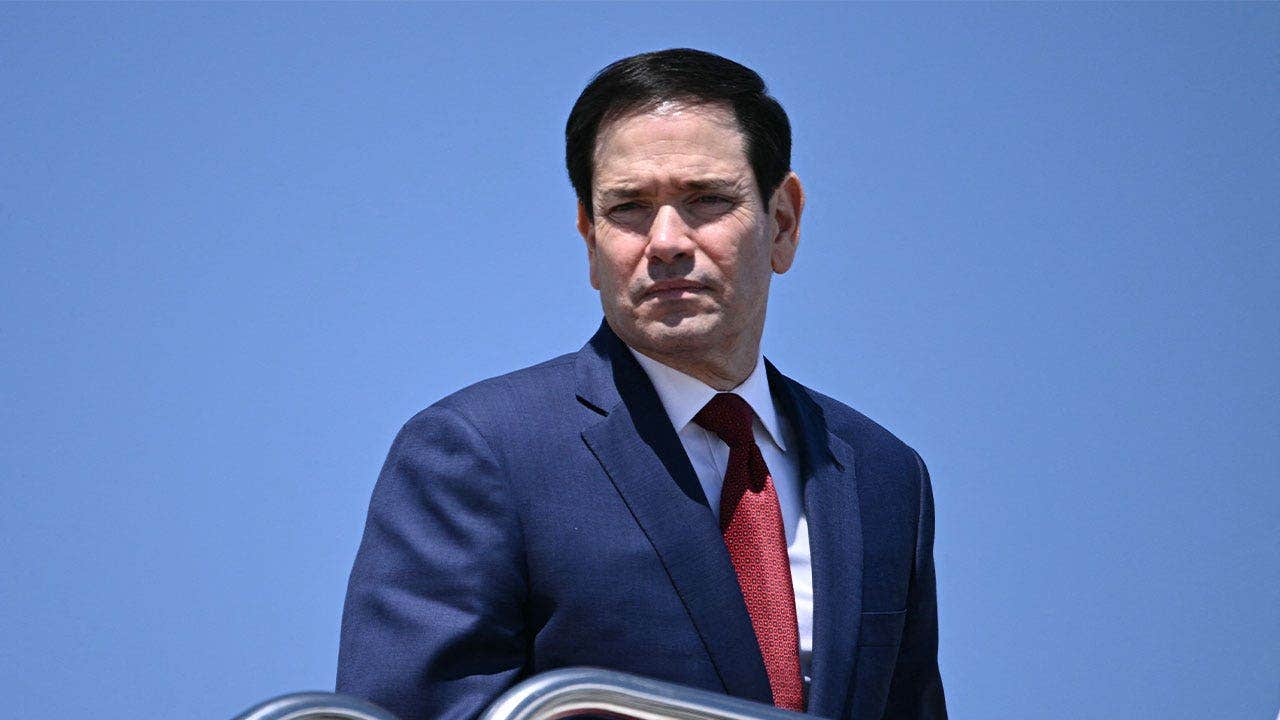
Secretary of State Marco Rubio recently departed from traditional diplomatic sartorial norms, opting for a gray Nike Tech fleece tracksuit while aboard Air Force One en route to a high-stakes visit to China. This unexpected wardrobe choice, captured in photographs shared widely across social media platforms, ignited a flurry of online reactions, sparking conversations ranging from lighthearted memes to serious considerations of political optics and evolving public personas in the digital age. The images, initially posted on X (formerly Twitter) by White House communications director Steven Cheung, depicted Rubio in a markedly casual ensemble, a stark contrast to the formal business attire typically associated with top U.S. officials during international travel.
The incident unfolded as Rubio accompanied President Donald Trump on a critical diplomatic mission to Beijing, a trip poised to address deeply complex and sensitive issues central to the U.S.-China relationship. The agenda for these discussions was anticipated to encompass contentious trade disputes, including tariffs and market access, as well as pressing national security concerns, intellectual property theft, human rights, and geopolitical flashpoints such as the South China Sea and Taiwan. Against this backdrop of high-level diplomacy and intricate international relations, Rubio’s casual attire inadvertently created a parallel narrative, juxtaposing the gravity of statecraft with a social media-driven fashion moment that quickly captivated global attention.
The Context of Diplomatic Dress and Air Force One Protocol
The role of the Secretary of State, as the nation’s chief diplomat, inherently carries an expectation of gravitas and formality, particularly when representing the United States on the international stage or traveling aboard Air Force One. Air Force One itself is not merely a mode of transport; it is a powerful symbol of American sovereignty and executive power. Every detail, from its meticulously maintained exterior to the conduct and appearance of its passengers, is often scrutinized as an extension of U.S. diplomatic presence. Traditionally, officials traveling on such missions adhere to a strict dress code, typically consisting of business suits or formal wear, reflecting the seriousness of their duties and respect for their office and foreign counterparts. This decorum underscores the solemnity of international negotiations and the need to project an image of professionalism, stability, and authority. Rubio’s choice of a casual tracksuit, while perhaps comfortable for a long-haul flight, therefore represented a significant departure from these long-established conventions, immediately drawing the attention of both the public and political observers.
Chronology of a Viral Moment
The sequence of events that led to and amplified this particular fashion moment began to unfold as images of Secretary Rubio in his Nike Tech fleece circulated.
- Earlier this Year: The "Venezuela Nike Tech" meme gained significant traction online. This meme originated from images of Venezuelan leader Nicolás Maduro, an authoritarian figure whose country has faced severe economic hardship and political instability, wearing a similar Nike tracksuit. The meme often juxtaposed Maduro’s casual sportswear with the serious political and economic crises in Venezuela, sometimes implying a disconnect or an unexpected informality from a head of state.
- Earlier This Month: Marco Rubio himself became a recurring figure in viral online content. Videos shared by White House officials showed him enthusiastically DJing at a family wedding, complete with headphones and a mixing booth. This unexpected glimpse into his personal life further humanized him in the public eye and showcased a less conventional side to the typically buttoned-up politician.
- Present Trip to China: As Rubio boarded Air Force One for the crucial China visit, photos shared by White House communications director Steven Cheung captured him in the now-infamous gray Nike Tech fleece tracksuit. The swift dissemination of these images across platforms like X immediately triggered widespread commentary.
This timeline highlights a growing trend of high-profile political figures navigating the complexities of their official roles while simultaneously engaging, sometimes inadvertently, with internet culture and its propensity for memeification.
The "Venezuela Nike Tech" Meme and Its Resonances
The immediate comparison drawn between Rubio’s attire and the "Venezuela Nike Tech" meme was perhaps the most striking aspect of the online reaction. The original meme involving Nicolás Maduro had become a cultural shorthand, often used ironically to comment on perceived incongruities between a leader’s image and their nation’s reality, or simply to highlight an unexpected style choice. Maduro, often seen in formal suits for official engagements, appeared in a casual tracksuit in various settings, leading to a viral phenomenon that underscored the power of optics in modern politics. For Rubio, a vocal critic of the Maduro regime and a senator representing Florida, a state with a significant Venezuelan diaspora, the comparison carried an additional layer of political irony. Social media users quickly created new iterations, labeling Rubio "Nicolás Maduro as Marco Rubio," transforming the incident into a potent, if somewhat bizarre, political and cultural commentary. This swift appropriation of an existing meme demonstrates how rapidly internet culture can absorb and recontextualize new events, often stripping them of their original context and imbuing them with new, sometimes unintended, meanings.
Explosion of Social Media Commentary and Public Reactions
The images of Secretary Rubio in his tracksuit unleashed an immediate and diverse torrent of reactions across social media, primarily on X. The commentary spanned humor, genuine bewilderment, and critical questioning of diplomatic decorum.
- Humorous Takes: Many users engaged in playful banter. One widely shared edited image depicted Rubio standing behind a DJ booth, referencing his earlier viral moment, with the caption, "Is Marco going to be the DJ for the flight?" Another user quipped, "Okay – did I miss one of Marco Rubio’s new jobs? Sportswear model?" These lighthearted comments showcased the internet’s ability to quickly generate humor from unexpected situations, often leveraging existing pop culture references.
- The "Maduro Fit" Label: As mentioned, the comparison to Nicolás Maduro was pervasive, with many users directly calling Rubio’s outfit "the Maduro fit," solidifying the meme’s extension to the U.S. diplomat. This demonstrated the instant virality and sticky nature of such cultural touchstones.
- Questions of Professionalism: A significant portion of the commentary also raised more serious questions regarding the appropriateness of such casual attire for a high-ranking U.S. official on an official foreign policy trip. Some users expressed dismay, suggesting it lacked the requisite gravitas for the office of Secretary of State, especially when traveling on Air Force One. Others defended it as a sign of relatability or comfort during a long journey, highlighting a generational divide in expectations of professional attire.
- Brand and Fashion Observations: Beyond the political implications, the specific brand, Nike Tech fleece, also received attention. Its surge in popularity, partly fueled by the Maduro meme, meant Rubio’s choice tapped into a current fashion trend, adding another layer to the public’s engagement.
The sheer volume and speed of these reactions underscored the profound impact of social media in shaping public perception and instantly disseminating images and narratives, sometimes overshadowing the primary purpose of the diplomatic mission itself.
Rubio’s Evolving Public Image: From Statesman to Internet Sensation?
Marco Rubio has, in recent weeks, cultivated an increasingly distinct public persona that transcends the conventional image of a senior statesman. His appearance as a DJ at a family wedding, captured in viral videos, provided an unexpected glimpse into his personal life, portraying him as more accessible and less rigid than many of his peers. This latest incident with the Nike tracksuit further solidifies this evolving image. It raises questions about whether these moments are spontaneous occurrences, calculated attempts to connect with a younger or more diverse demographic, or simply instances where personal comfort overrides traditional protocol.
For some, particularly within certain political factions like the "MAGA" base (Make America Great Again), such departures from traditional formality can be seen as a positive attribute. It might be interpreted as authenticity, a rejection of elitist norms, or a sign of a politician who is relatable and down-to-earth, capable of connecting with everyday citizens rather than being confined to the staid halls of power. As columnist Dan Gainor suggested in an opinion piece, this approach might even help Rubio "win over MAGA," implying that these unconventional displays resonate with a segment of the electorate that values perceived authenticity and a challenge to establishmentarian aesthetics. This strategic (or accidental) humanization can foster a sense of connection that more formal presentations might lack, potentially broadening a politician’s appeal or solidifying support among specific demographics.
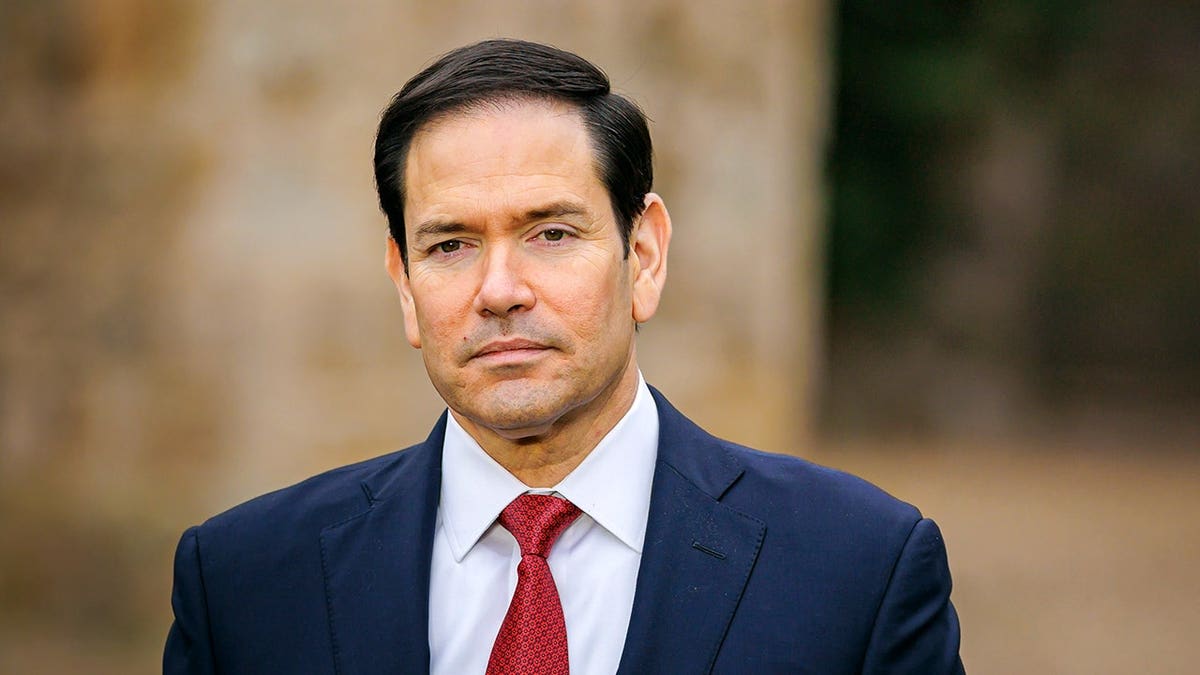
However, for others, particularly those who prioritize traditional diplomatic gravitas and decorum, such casualness might be viewed as a lack of seriousness or even disrespect for the high office. The delicate balance lies in projecting approachability without undermining the authority and respect necessary for effective international diplomacy.
Broader Implications: The Casualization of Political Attire
Rubio’s tracksuit moment is not an isolated incident but rather fits into a broader, evolving trend of casualization in political attire globally. Over the past decade, there has been a noticeable shift in how politicians present themselves publicly. Leaders like Canadian Prime Minister Justin Trudeau have often been photographed in more relaxed clothing, including jeans and casual shirts, even during official engagements. More recently, Ukrainian President Volodymyr Zelenskyy’s consistent wearing of military fatigues during the ongoing conflict with Russia has become a powerful symbol of his wartime leadership, projecting resilience and solidarity with his troops, effectively redefining appropriate presidential attire under extraordinary circumstances.
This trend reflects several factors:
- Changing Societal Norms: General societal dress codes have become more relaxed, and politics often mirrors broader cultural shifts.
- Desire for Relatability: Politicians may aim to appear more "like us" to the electorate, fostering a sense of connection and authenticity.
- Impact of Digital Media: In an age where images go viral instantly, a carefully chosen (or seemingly unchosen) outfit can convey powerful messages, intentional or otherwise, reaching audiences far beyond traditional media.
- Long-Haul Travel Demands: For officials undertaking demanding international travel, comfort during transit may increasingly take precedence, even if it means momentarily shedding formal wear.
The incident involving Secretary Rubio highlights the tension between the enduring expectations of diplomatic formality and the modern imperative for relatability and engagement within a hyper-visual, social media-driven landscape. It forces a reevaluation of what constitutes "appropriate" attire for high-ranking officials in the 21st century, especially during moments that blend official duty with the less formal aspects of travel.
Conclusion
Secretary of State Marco Rubio’s decision to wear a Nike tracksuit aboard Air Force One, en route to critical discussions in China, transcended a mere fashion choice to become a significant cultural and political talking point. It underscored the dynamic interplay between traditional diplomatic protocol, the instant virality of social media, and the evolving public personas of political figures. While the primary mission to China focused on weighty issues of trade and national security, the images of Rubio in casual wear inadvertently created a fascinating parallel narrative, prompting widespread commentary and memeification. This incident, following his previous viral moment as a DJ, cements Rubio’s image as a politician who, intentionally or not, navigates the intersection of serious statecraft and internet culture with an unconventional flair. Ultimately, the "Maduro fit" moment will likely be remembered not just for its unexpected nature, but for the broader questions it raised about authenticity, professionalism, and the changing aesthetics of power in the modern global arena.