
Chile Wildfire Botanical Garden
Chile’s Wildfire Botanical Garden: Resilience, Restoration, and the Future of Biodiversity
The concept of a "wildfire botanical garden" in Chile is not a manicured, curated space in the traditional sense. Instead, it refers to the vast, dynamic landscapes that are intrinsically linked to fire as a natural, albeit often destructive, ecological force. These are not gardens meticulously planned by human hands but rather ecosystems where specific plant communities have evolved under, and in response to, recurrent wildfire events. Chile’s diverse geography, from the arid Atacama Desert to the temperate Valdivian rainforests and the Patagonian steppe, presents a spectrum of fire regimes, each shaping unique botanical assemblages. Understanding these "wildfire botanical gardens" is crucial for effective conservation, sustainable land management, and appreciating the remarkable resilience of Chilean flora.
The botanical diversity of Chile is extraordinary, hosting a significant proportion of the world’s endemic species, many of which are found nowhere else. This uniqueness, however, also makes these ecosystems particularly vulnerable to the escalating frequency and intensity of wildfires, often exacerbated by climate change and human activities. The term "wildfire botanical garden" thus encapsulates the biological richness present within these fire-prone areas. It highlights the intricate relationships between plant species and fire, where fire acts as a catalyst for regeneration, a selective pressure shaping evolutionary adaptations, and a crucial component of ecosystem health. Consider the sclerophyllous shrublands of central Chile, a prime example of a wildfire botanical garden. These regions are characterized by plants with hard, leathery leaves, a common adaptation to survive both drought and the high temperatures of wildfires. Species like Quillaja saponaria (soapbark tree), with its thick bark and ability to resprout from the base, or various species of Lithraea and Schinus (peumo and molle), demonstrate a remarkable ability to regenerate after fire, often through epicormic sprouting or by producing abundant, fire-stimulated seeds. The ecological role of fire here is multifaceted: it clears competition, releases nutrients locked in vegetation, and scarifies seeds, breaking dormancy and promoting germination. Without periodic fires, these landscapes would eventually transition to different vegetation types, losing the unique botanical diversity adapted to fire.
The concept extends to the Mediterranean-climate regions of Chile, mirroring the Californian chaparral and Australian mallee. Here, fire is not an anomaly but an integral part of the life cycle of many plant species. The seed banks within the soil are often packed with seeds that require the heat and smoke of a fire to germinate. For instance, certain species of Acacia and Hakea in these Chilean systems, much like their Australian counterparts, have serotinous cones or seed pods that only open to release their seeds when exposed to intense heat. This strategy ensures that regeneration occurs precisely when conditions are most favorable – after the fire has removed competition and provided a nutrient-rich ash bed. The "botanical garden" here is thus a living testament to evolutionary adaptation, showcasing a suite of species that thrive in a landscape defined by its periodic fiery rejuvenation. The seed longevity and dormancy mechanisms in these plants are fascinating fields of study, revealing intricate chemical cues and physical barriers that are overcome by the specific conditions created by a wildfire.
Moving south, the Valdivian temperate rainforest, a global biodiversity hotspot, also experiences wildfire, though less frequently than drier regions. Even here, fire plays a role in maintaining structural diversity and promoting regeneration of certain species. While dense, moist forests are generally resistant to fire, occasional dry periods can lead to significant conflagrations, particularly in areas with accumulated fuel. The response of Valdivian flora to such events is a critical aspect of its ecological dynamics. Species like Nothofagus (southern beech) forests, while appearing robust, have understories that are often rich in pyrophytic (fire-loving) or fire-tolerant species. For example, the regeneration of certain bamboo species (Chusquea) after fire is a well-documented phenomenon, with dense stands emerging rapidly, altering the forest structure and creating new habitats. The "wildfire botanical garden" in this context is more about the dynamic interplay of species and their ability to colonize disturbed areas. The long-term ecological impact of altered fire regimes in these rainforests is a growing concern, as reduced natural fire frequency can lead to a decline in species that rely on fire for regeneration.
The arid and semi-arid regions of northern Chile, including the Atacama Desert and its fringes, present another unique facet of this concept. While often perceived as barren, these areas harbor an astonishing array of specialized flora, and fire, though rare, can have profound impacts. The "flowering deserts" (desierto florido) phenomenon, triggered by exceptionally heavy rainfall, can create vast expanses of ephemeral wildflowers. If a fire were to occur during such an event, the consequences for the botanical community could be severe. However, the adaptations here are geared more towards drought tolerance and rapid life cycles. Where fire does occur, often due to lightning strikes in the pre-Andean foothills, species with fire-resistant underground structures like bulbs and rhizomes are more likely to survive and resprout. The "wildfire botanical garden" in these harsh environments is about survival against extreme conditions, with fire as an infrequent but significant environmental factor. The focus here shifts to the resilience of subterranean plant organs and the rapid recolonization by wind-dispersed seeds of pioneer species.
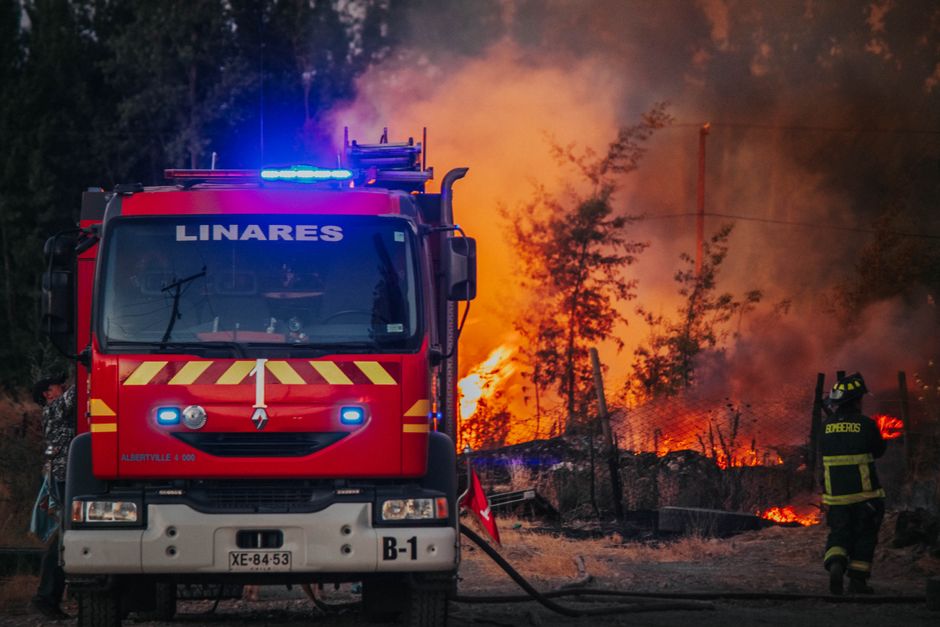
The human dimension in Chile’s "wildfire botanical gardens" cannot be overstated. Historical land management practices, including slash-and-burn agriculture and intentional burning for pasture improvement, have significantly shaped the current fire regimes and, consequently, the botanical composition of many landscapes. In recent decades, an increase in human-caused ignitions, often associated with agricultural expansion, infrastructure development, and deliberate arson, has led to more frequent and intense wildfires. This anthropogenic influence has blurred the lines between natural and human-modified fire regimes, leading to ecological imbalances. The botanical gardens are increasingly becoming arenas of unintended ecological experimentation, with some species benefiting from increased fire frequency (e.g., invasive grasses that are highly flammable and rapidly colonize burnt areas) while others, less adapted to rapid regeneration or intense heat, decline.
Conservation efforts within these "wildfire botanical gardens" face complex challenges. Simply suppressing all fires can be counterproductive, as it can lead to fuel accumulation and larger, more destructive fires when they inevitably occur. Instead, a nuanced approach is required, incorporating principles of ecological fire management. This involves understanding the historical fire regimes of different regions and implementing prescribed burns or controlled fires to mimic natural processes, promoting the regeneration of fire-adapted species, and reducing the risk of catastrophic wildfires. The role of botanical gardens in the traditional sense – as living collections of plants – is also evolving to support these broader conservation goals. Many botanical institutions in Chile are actively involved in seed banking of species from fire-prone ecosystems, conducting research on fire ecology and plant adaptations, and participating in restoration projects in post-fire landscapes.
Research into the specific adaptations of Chilean flora to fire is a critical area of study. This includes understanding the physiological mechanisms of heat tolerance, the chemical composition of seeds that respond to fire cues, and the genetic basis of regeneration strategies. For example, studies on resprouting mechanisms in Chilean sclerophyllous plants are revealing a remarkable plasticity in their ability to produce new shoots from dormant buds located in protected tissues like the root collar or underground storage organs. Similarly, investigations into the allelopathic properties of certain plants, where they release chemicals that inhibit the germination of competing species, can also be influenced by fire, creating windows of opportunity for specific plant life cycles. The bio-chemistry of smoke itself is also a subject of intense interest, with research exploring the active compounds within smoke that trigger germination in seeds of fire-dependent species.
The economic and social implications of wildfires in Chile are also significant. The loss of forests impacts timber industries, watershed management, and ecotourism. Furthermore, the destruction of agricultural lands and the threat to human settlements underscore the need for effective wildfire mitigation and management strategies, which are intrinsically linked to understanding the botanical characteristics of the landscapes. Restoring degraded landscapes after severe wildfires often involves reintroducing native, fire-adapted species, a process that requires detailed knowledge of the botanical composition of the original "garden" and its ecological requirements.
The future of Chile’s "wildfire botanical gardens" hinges on a balanced approach that recognizes fire as a natural ecological process. This involves fostering greater public awareness about the importance of fire in these ecosystems, promoting responsible land management practices, and investing in scientific research and conservation initiatives. The resilience of Chilean flora, honed over millennia of adaptation to fire, offers a powerful lesson in ecological dynamism. However, this resilience is not infinite, and the increasing pressures of climate change and human activity demand a proactive and informed approach to safeguarding these invaluable botanical treasures. The goal is not to eliminate fire but to manage it in a way that preserves the intricate ecological tapestry of Chile’s fire-shaped landscapes, ensuring their continued existence as vibrant, diverse, and enduring "wildfire botanical gardens." The ongoing research into the intricate relationships between fire and plant life in Chile will continue to illuminate the remarkable adaptive strategies employed by these species, providing crucial insights for both ecological understanding and practical conservation. The establishment of specialized research centers and demonstration sites focused on fire ecology could further enhance our ability to manage these dynamic landscapes effectively, ensuring the long-term survival of Chile’s unique botanical heritage. This comprehensive understanding of the "wildfire botanical garden" concept is not merely an academic exercise but a vital necessity for the ecological and economic well-being of Chile.
