Delta Flight Attendant Hoped Nobody Would Ask For Coffee — Then Passengers Were Too Afraid To Ask

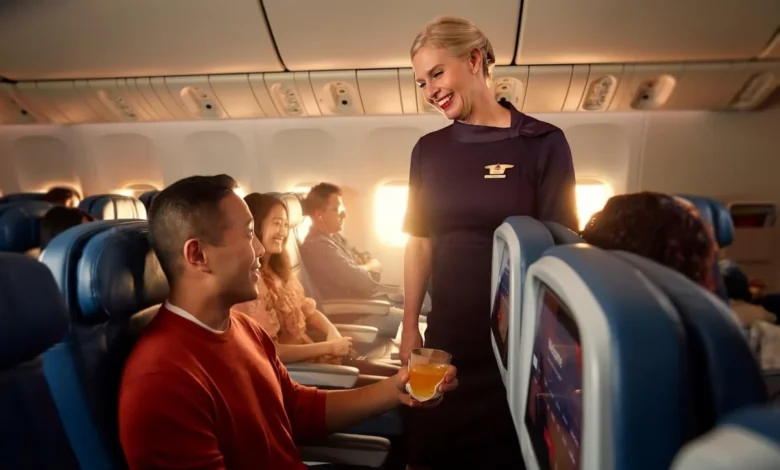
The event, which was documented on the social media platform Reddit by a passenger onboard flight 1155, began as a routine boarding procedure for the 214-mile hop. As passengers settled into their seats on the Boeing 717, an overheard exchange between two crew members revealed a frustration regarding the preparation of coffee. One flight attendant reportedly questioned whether the other intended to brew a fresh pot, to which the colleague replied with a blunt refusal, expressing a hope that passengers would not request the beverage.
Chronology of the Thanksgiving Incident
The interaction took place at approximately 9:30 a.m. on Thanksgiving morning. According to the passenger’s account, the flight attendant’s comment was made in the galley, audible to those in the immediate vicinity. The tone of the exchange appeared to be one of weary resignation rather than malice, though it nonetheless signaled a breakdown in the expected standard of "customer-first" discourse.

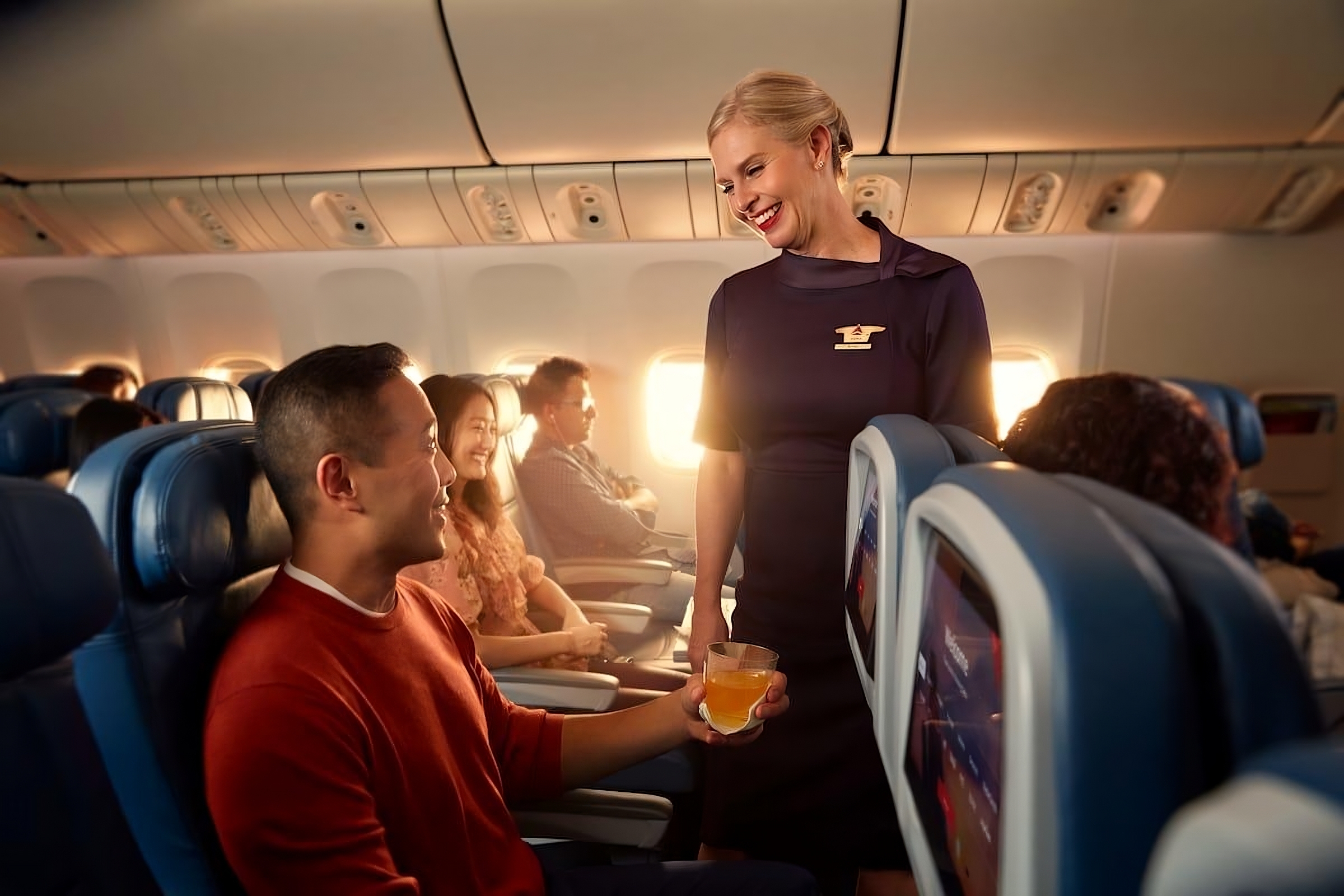
The situation took an unexpected turn later during the flight. When the same crew member circulated through the cabin to offer beverages, she approached the passenger who had overheard the earlier remarks. The flight attendant inquired if the passenger would like anything other than water. When the passenger opted for water, the flight attendant smiled and asked, "Is that because of what I said earlier?"
The passenger confirmed that her decision to decline other offerings was indeed linked to the overheard conversation. The admission prompted a moment of levity, with the passenger noting that both they and the surrounding travelers laughed at the candor of the interaction. Despite the public nature of the exchange, the interaction remained cordial, and the passenger later clarified that they do not actually drink coffee, rendering the initial grievance regarding the beverage service somewhat ironic.
Operational Constraints and the "Boarding Pay" Context
While the interaction may seem like a trivial workplace anecdote, it touches upon a significant shift in how flight attendants are compensated and managed. In June 2022, Delta Air Lines made headlines by becoming the first major U.S. carrier to introduce pay for time spent during the boarding process. Under this policy, flight attendants receive 50% of their hourly flight rate for the duration of the scheduled boarding time.
This change was a landmark moment for labor relations in the aviation industry. Historically, flight attendants were only compensated for the time the aircraft was in motion—from the closing of the cabin door to its arrival at the gate at the destination. The "unpaid" nature of the boarding process—a period characterized by high stress, safety checks, and passenger management—has long been a source of friction between unions and airline management.
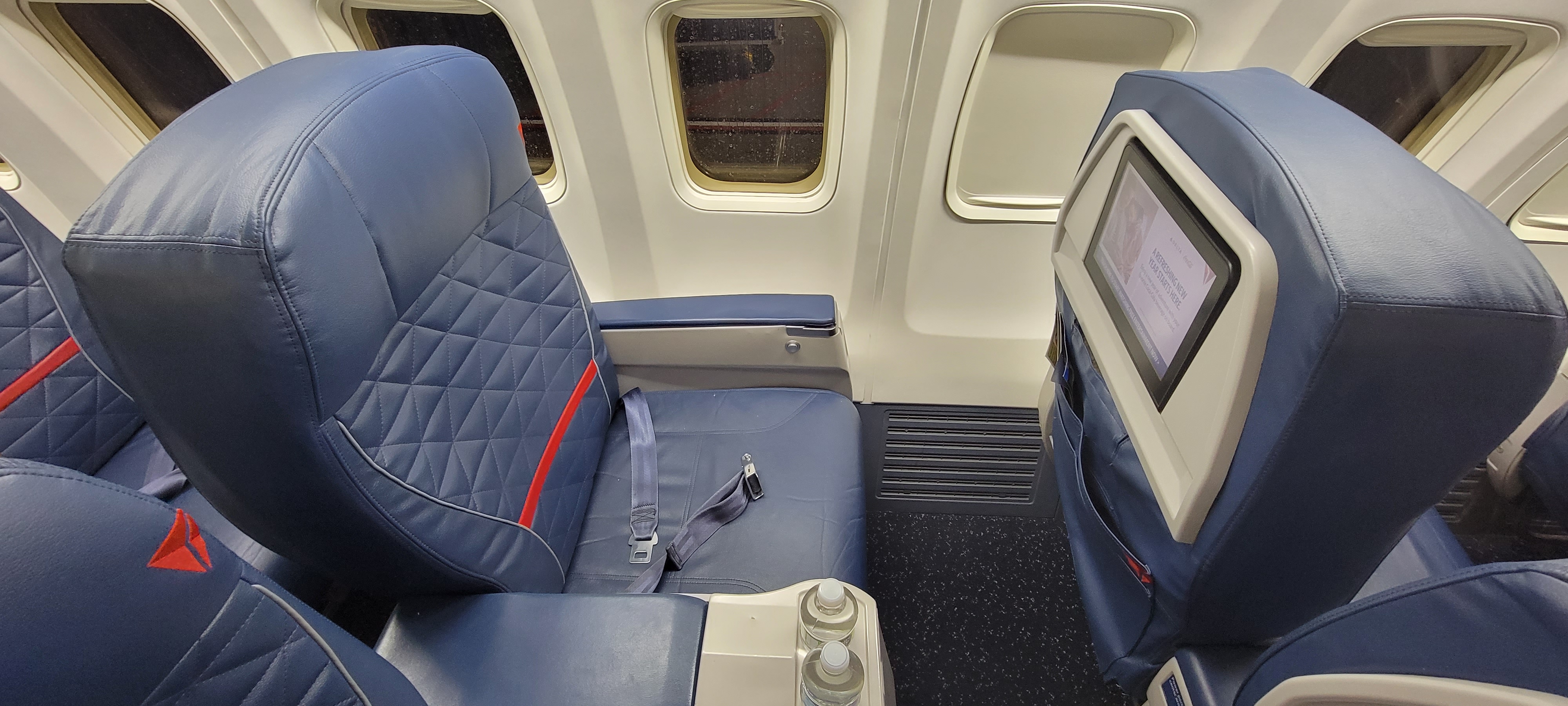
The context of this specific flight is also critical. Delta’s service standards dictate that full beverage service is not required on flights under 350 miles in the main cabin, though first-class service remains an operational expectation. Furthermore, federal and airline-specific safety protocols regarding pre-departure activities have become more stringent. Since September, for example, Delta has reinforced requirements for crews to collect all trash and items, including paper cups, before the aircraft pushes back from the gate. This regulation is intended to ensure cabin safety and streamline departure times, but it adds to the workload of flight attendants during the critical pre-takeoff window.
Industry Implications and Labor Relations
The "we don’t work for free" sentiment that surfaced in the Reddit thread is a recurring theme in contemporary aviation. Similar incidents have been reported across the industry. For instance, reports from American Airlines and Alaska Airlines have featured flight attendants explicitly citing contract disputes or lack of compensation as reasons for limiting service during the boarding phase.

Labor experts observe that as airlines face increasing pressure to maintain on-time performance and high efficiency, the "invisible" labor performed by flight attendants is under greater scrutiny. The transition to boarding pay at Delta represents an attempt to mitigate these tensions, yet the incident on flight 1155 suggests that cultural adjustments take longer than policy changes.
From an operational standpoint, the flight attendant’s frustration may have been linked to the mechanics of the aircraft itself. The Boeing 717, a workhorse for short-haul regional routes, requires specific handling for galley equipment. Commenters on the incident noted that the brewing process for coffee on these aircraft is straightforward, yet the time required to clean, prep, and stow equipment—coupled with the mandate to clear the cabin of all service items before pushback—creates a compressed timeline that can lead to fatigue.
Passenger Experience vs. Crew Well-being
The reaction from the traveling public has been varied. Some frequent flyers argue that the expectation of a full service experience on a short, holiday-morning flight is excessive, particularly when crews are juggling the logistical demands of rapid turnarounds. Others contend that professional decorum should remain constant, regardless of the flight duration or the nature of the compensation model.

The passenger who documented the experience noted that a coffee would have been appreciated, confirming that the service gap was felt by the customer. However, the passenger also provided a nuanced perspective, acknowledging the human element of the job. By engaging the flight attendant in a lighthearted manner about the "water-only" choice, the passenger turned a potential conflict into a moment of human connection, effectively neutralizing any lingering tension.
Analysis of Service Standards
The incident underscores a broader challenge for airlines: balancing the high-touch service model that defines premium carriers like Delta with the reality of a workforce operating under increasing pressure. Airline management teams are currently tasked with maintaining brand loyalty in an environment where air travel demand has surged, while simultaneously navigating complex contract negotiations and staffing shortages.
The fact that the flight attendant was able to recognize that she had been overheard and confront the situation with humor suggests a high level of situational awareness. However, the incident serves as a reminder that the galley is not a private space. As digital connectivity becomes ubiquitous, the "private" conversations of staff are increasingly subject to public review, necessitating a higher degree of professional discipline even during the most demanding phases of a flight.
As the aviation industry continues to evolve, the discourse around boarding pay, cabin service expectations, and crew morale will likely remain at the forefront of operational discussions. While this particular instance resulted in a humorous, non-confrontational outcome, it highlights the necessity for clear communication between management and cabin crews, ensuring that service policies are realistic and that the well-being of the staff is prioritized alongside the satisfaction of the passenger.
Ultimately, the Atlanta-to-Nashville flight serves as a microcosm of the modern travel experience: a fast-paced, high-pressure environment where the thin line between a seamless journey and a service complaint often rests on the tone of a single conversation. As Delta and other carriers refine their service models, the focus will likely shift toward finding a sustainable balance that respects the labor requirements of the crew while meeting the expectations of a passenger base that, regardless of the flight length, continues to value the small comforts of air travel.