The Ultimate Gastronomic Map of Italy Through the Lens of Stanley Tucci Searching for Italy Season Two

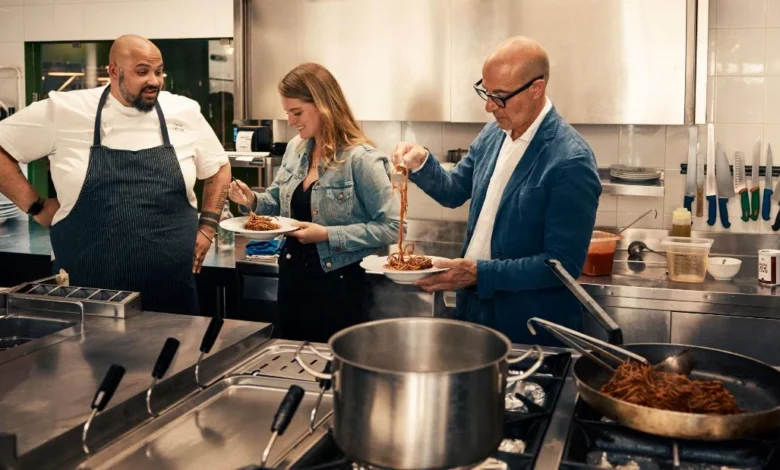
The second season of the CNN original series Stanley Tucci: Searching for Italy continues to captivate global audiences, blending high-end travel journalism with a deep, reverent exploration of Italy’s diverse regional culinary landscapes. Actor and food enthusiast Stanley Tucci navigates the peninsula—from the dramatic, cliff-side vistas of the Italian Riviera to the ancestral roots of Calabria—to document not just the recipes, but the cultural history embedded in every bite. For culinary travelers and fans of the show, this guide chronicles the notable establishments, from Michelin-starred dining rooms to humble, family-run trattorias, that defined the season’s gastronomic journey.
The series, which is currently available for streaming on platforms such as CNNgo and Discovery+, has been lauded by critics for its ability to contextualize food as a pillar of Italian identity. By moving beyond the stereotypical pasta-and-pizza narrative, the production offers an analytical look at how geography, climate, and historical migration have dictated the distinct flavor profiles found in every province.
The Italian Riviera: Innovation Born of Harsh Terrain
The second season opens with a focus on Liguria, a region defined by its narrow, mountainous coastline and the inventive spirit of its people. The landscape, while visually breathtaking with its candy-colored villages perched on steep cliffs, has historically posed significant challenges for agriculture. This environmental scarcity forced local populations to adapt, leading to the creation of world-renowned staples such as pesto and various vegetable-forward pasta dishes.
In Portofino, Tucci visits Cracco Portofino, helmed by the acclaimed Michelin-starred chef Carlo Cracco. The menu here serves as a study in land-based culinary traditions. During the episode, Cracco demonstrates the preparation of pansotti—a traditional, ravioli-like pasta filled with a blend of wild herbs known as preboggion—finished with a rich walnut sauce. The dish is a testament to the region’s reliance on foraging and local biodiversity.
Further exploring the Genoese culinary canon, the series highlights Il Genovese, a restaurant famously associated with Chef Roberto Panizza, often dubbed the "King of Pesto." Panizza, who also founded the Pesto World Championship, emphasizes the importance of traditional techniques, specifically the use of marble mortars and wooden pestles to preserve the integrity of the basil. The addition of green beans and potatoes to the pasta dish is not merely a preference but a traditional practice designed to create a harmonious, creamy texture.

The Focaccia Tradition and Seafood Mastery
No survey of Ligurian food would be complete without addressing the region’s obsession with focaccia. At the historic Antico Forno della Casana in Genoa, the show highlights the specific, dimpled bread that serves as a cornerstone of the working-class diet. Local lore suggests the bread is best consumed upside down, allowing the coarse salt on the crust to make immediate contact with the palate.
The series also ventures into the Cinque Terre, where the line between domestic and commercial space blurs. At Ittiturismo, a family-run establishment built directly into the cliffs, the focus is on hyper-local sourcing. Pietro Galletti, the head chef, processes fish caught by his father, Guido, providing a model for sustainable coastal dining. Their menu features simple yet profound preparations, including fried anchovies stuffed with local herbs and cheeses.
Puglia: The Culinary Soul of the Southern Boot
Transitioning from the north to the southern region of Puglia, the narrative shifts toward a landscape defined by olive oil, durum wheat, and an emphasis on raw ingredients. Often cited as one of Italy’s more economically challenged regions, Puglia has seen a resurgence of interest in its gastronomic heritage, with a new generation of chefs reclaiming traditional methods.

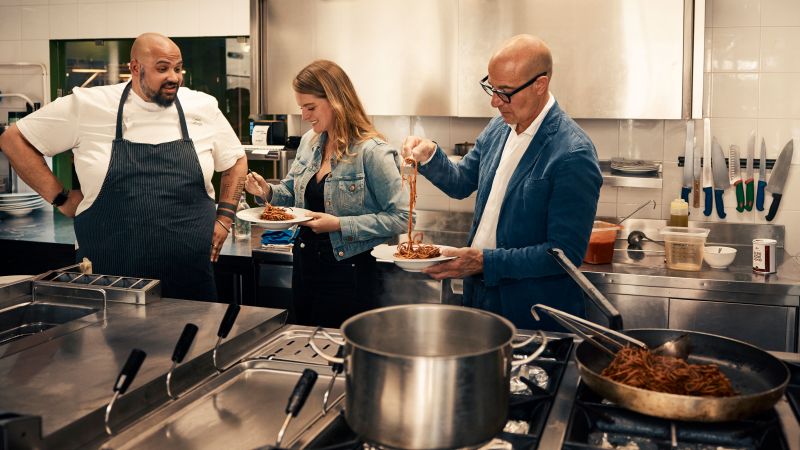
In Bari, the show visits Urban Bistrot, where Chef Celso Laforgia introduces the concept of "spaghetti all’assassina," or assassin’s pasta. This dish challenges conventional culinary wisdom, as it is prepared by pan-searing the pasta in olive oil and chili-infused water until it achieves a charred, crispy texture. The result is an explosive heat that, as legend suggests, earned the dish its aggressive moniker.
The importance of humble ingredients is further underscored at Antichi Sapori in Montegrosso. Chef Pietro Zito utilizes fava beans, a regional staple, to create a velvet-smooth cream for his burnt-grain orecchiette. This marriage of texture and flavor represents the core of Puglian cooking: taking simple, inexpensive products and elevating them through technical precision and balance.
The meat-centric culture of the region is also explored at Trattoria Bere Vecchie in Cisternino. Occupying a building that once served as a pharmacy, the establishment operates as both a butcher shop and a grill. It showcases the region’s affinity for spit-roasted meats, such as "bombette"—pork rolls stuffed with cheese and herbs—and "gnumareddi," or lamb offal.
Sardinia: An Archaeological Dig of Flavor
The series describes Sardinia as the culinary equivalent of an archaeological excavation. Its isolation from the Italian peninsula has allowed it to maintain distinct customs and flavors, influenced by waves of settlers ranging from the Phoenicians to the Spanish.
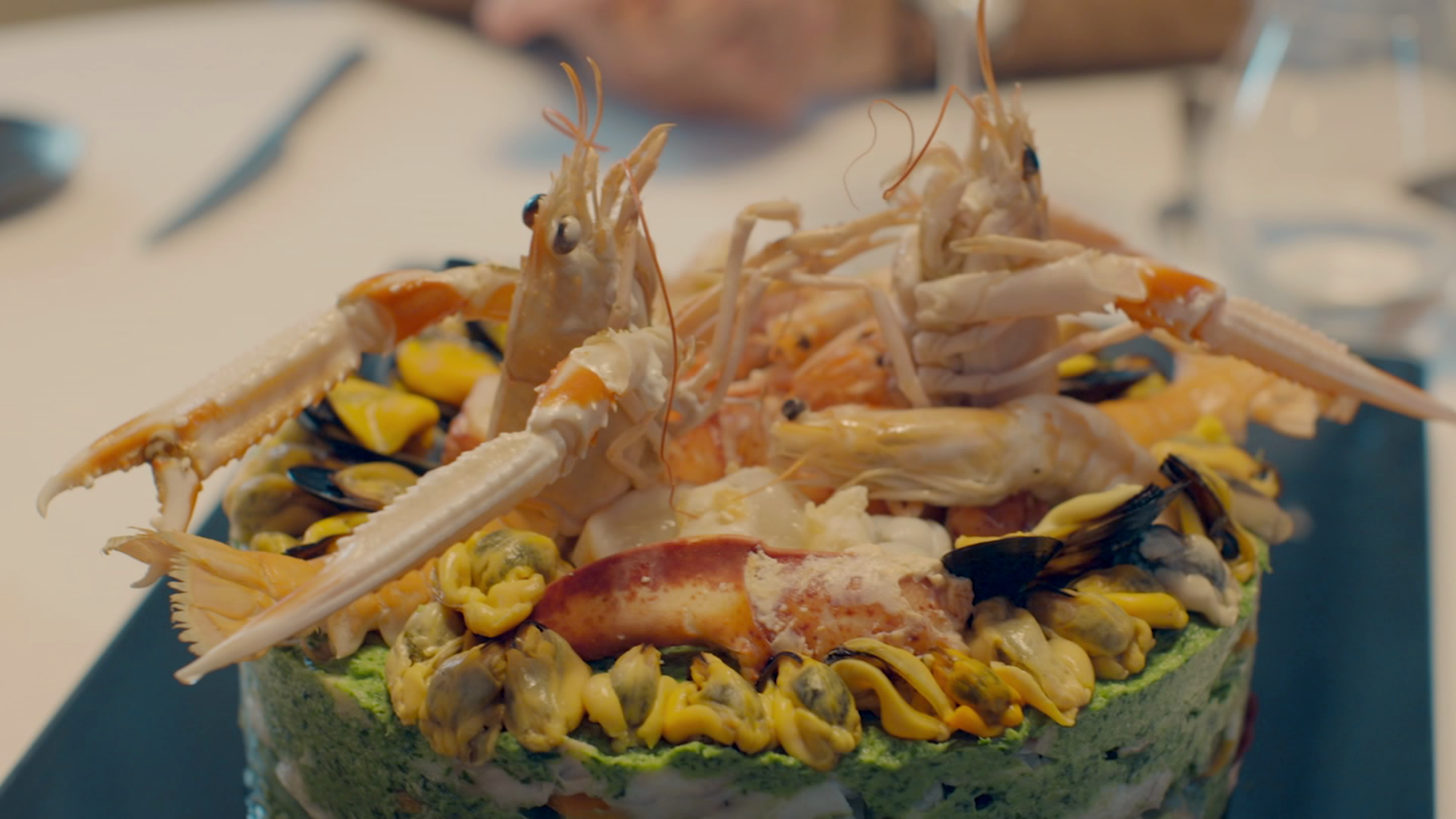
At Fradis Minoris, which holds a Michelin Green Star for sustainability, Chef Francesco Stara prepares fregola ai frutti di mare. The fregola, a North African-influenced, couscous-like pasta, serves as the canvas for the island’s abundant seafood. Meanwhile, at Luigi Pomata in Cagliari, the "king of tuna" approach takes center stage. Chef Pomata’s innovative use of bluefin tuna, particularly the belly, highlights the versatility of a fish that is often handled with less creativity in other global cuisines.
The influence of Spain is physically manifested in Alghero, known as "little Barcelona." At the bakery Al Forno, the "panada"—a savory pie whose lineage is traced back to the empanada—serves as a culinary bridge between two cultures. The show notes that the local lobster, specifically the "a la Catalana" preparation at the restaurant Mabrouk, remains one of the most sought-after delicacies in the region, with its history even reaching the royal tables of the United Kingdom.

Calabria: The Ancestral Homecoming
The final segment of the season explores Calabria, the "toe" of the Italian boot and the ancestral home of the Tucci family. This region, characterized by its rugged mountains and sprawling coastlines, offers a deeply personal narrative for the host.
At Panificio Cuti in Marzi, baker Pina Olivetti preserves a century-old recipe for sourdough bread. The show highlights "morsello," a traditional dish of sausage and broccoli rabe served in a bread bowl—a portable meal designed for the needs of historical farmers and hunters. In Tropea, the famous red onion, or "cipolla rossa," is celebrated for its surprising sugar content. At Osteria della Cipolla Rossa, chefs Michele Pugliese and Romana Schiariti demonstrate that this singular ingredient is versatile enough to appear in everything from savory pasta to dessert.
In Scilla, Il Principe di Scilla showcases the region’s reverence for swordfish. The comparison of raw swordfish to a hybrid of prosciutto and smoked salmon provides a vivid descriptor for the unique, cured quality of the local catch. Finally, at the Michelin-starred Qafiz, located in the Aspromonte mountains, Chef Nino Rossi’s "Fire" dessert—utilizing charcoal-flavored meringue—serves as a poignant commentary on the environmental challenges, specifically the 2021 wildfires, that have recently impacted the region.

Broader Impact and Industry Implications
The success of Searching for Italy has had a measurable impact on the tourism industry in the regions featured. By focusing on the authentic, the local, and the historical, the show has provided a template for "gastronomic tourism" that prioritizes cultural immersion over luxury leisure.
Economic analysts note that the "Tucci effect" is a significant driver for smaller, family-owned restaurants that previously lacked the marketing budgets to attract international visitors. Furthermore, the show’s focus on Michelin Green Stars and sustainable practices aligns with a broader global shift toward ethical consumption. As viewers continue to engage with the series, the legacy of these regional Italian cuisines is being codified not just in cookbooks, but in the collective consciousness of a new generation of travelers seeking to understand the deep, complex history behind the food on their plates.