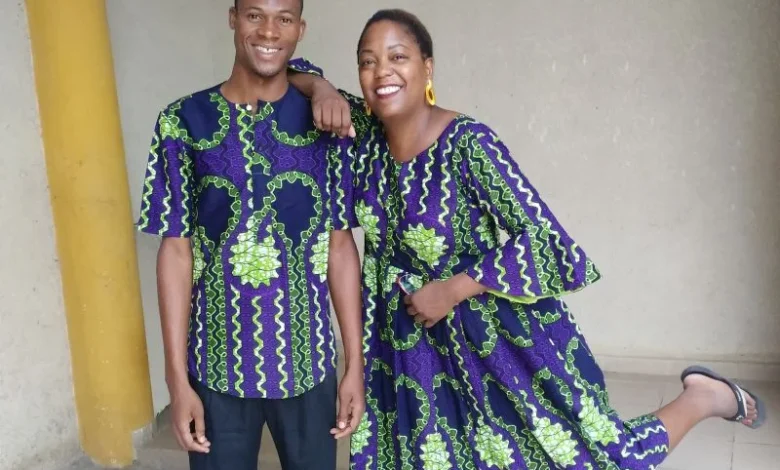
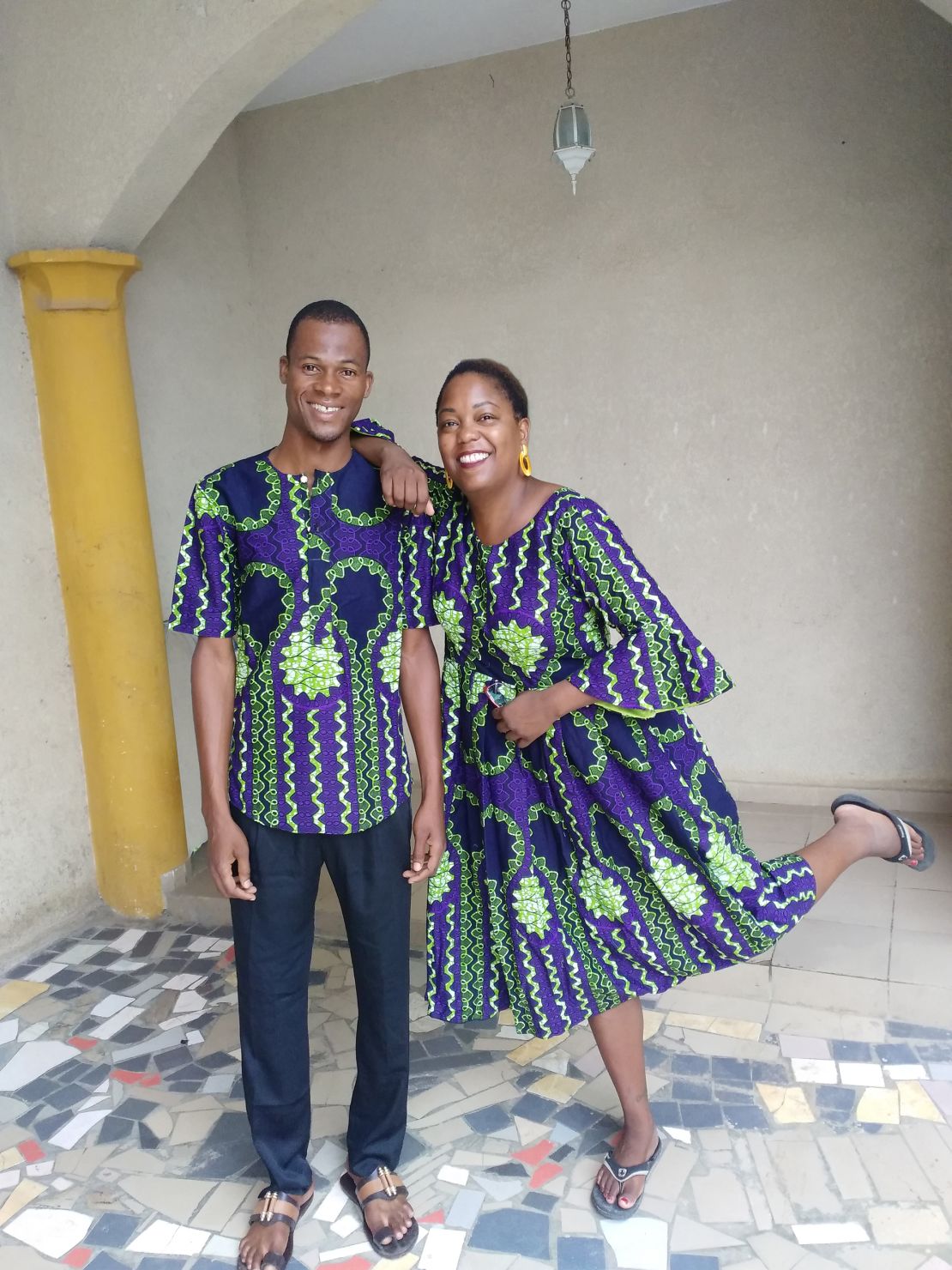
In August 2018, Rachel Décoste, an Ottawa-born professional with Haitian roots, arrived in the Republic of Benin with a singular focus: to reconnect with her ancestral heritage. What began as a two-week remote-working sabbatical intended to bridge a gap between her career in Washington, D.C., and a potential return to Canada, evolved into a life-altering narrative of serendipity, cultural reconnection, and international romance. Within six months of a chance meeting with a local resident in Cotonou, the pair were married, marking the start of a journey that would eventually see a young family relocate from West Africa to the Canadian capital.
The Foundation of an Ancestral Pilgrimage

Rachel Décoste’s journey was rooted in the growing trend of African diaspora members seeking to trace their lineage through modern genealogical science. Having spent her adult life in the United States working for a bipartisan technology program affiliated with the U.S. Congress, Décoste had long identified with her Haitian heritage. However, an ancestry DNA test conducted earlier in 2018 provided a more granular map of her roots, identifying Senegal, Ivory Coast, Togo, Ghana, and Benin as her ancestral points of origin.
For many descendants of enslaved Africans, these genetic findings represent more than mere data points; they are conduits for emotional and historical closure. According to migration researchers, the "Year of Return" movement—which saw a surge in travel to West Africa around this period—has been driven by a collective desire to confront the legacy of the Trans-Atlantic Slave Trade. By visiting sites like Ouidah, a former epicenter of the slave trade in Benin, travelers often seek to transform historical trauma into a process of healing. For Décoste, the trip was a pilgrimage to understand the survival of her ancestors against overwhelming historical odds.
Chronology of a Whirlwind Romance
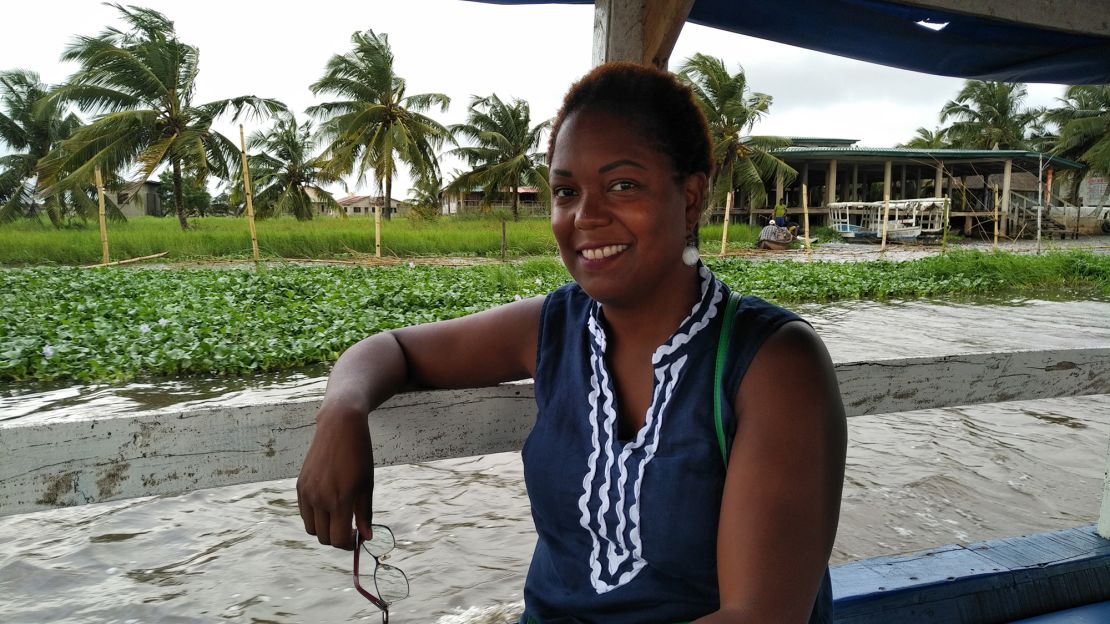
The catalyst for Décoste’s life change occurred on her first day in the port city of Cotonou. Seeking directions to Ouidah, she encountered Honoré Orogbo, a local businessman and single father, near her bed and breakfast. What began as a simple request for navigation assistance transformed into an impromptu guided tour. Orogbo, who initially assumed Décoste was a local resident or property owner, offered to escort her to a transport hub. When the logistics of public transit proved inconvenient, Orogbo volunteered his time to drive her himself.
The relationship progressed with remarkable speed. Over the following days, the two engaged in candid conversations that bypassed superficial pleasantries. These dialogues covered personal values, parenting philosophies, and the cultural differences between their respective worlds. A pivotal moment occurred when Orogbo shared his prioritization of his son’s education over personal luxuries—a value system that deeply resonated with Décoste. By the end of the week, the duo had traveled to Lomé, Togo, for a night of music and cultural immersion.
Following Décoste’s return to North America to settle her affairs, the couple maintained their connection, eventually deciding to marry. By January 2019, just six months after their initial meeting, Décoste returned to Benin for their wedding. The subsequent months involved a complex administrative process of visa applications, documentation, and the logistical coordination required for Orogbo and his son to emigrate to Canada.
The Economic and Cultural Implications of Migration
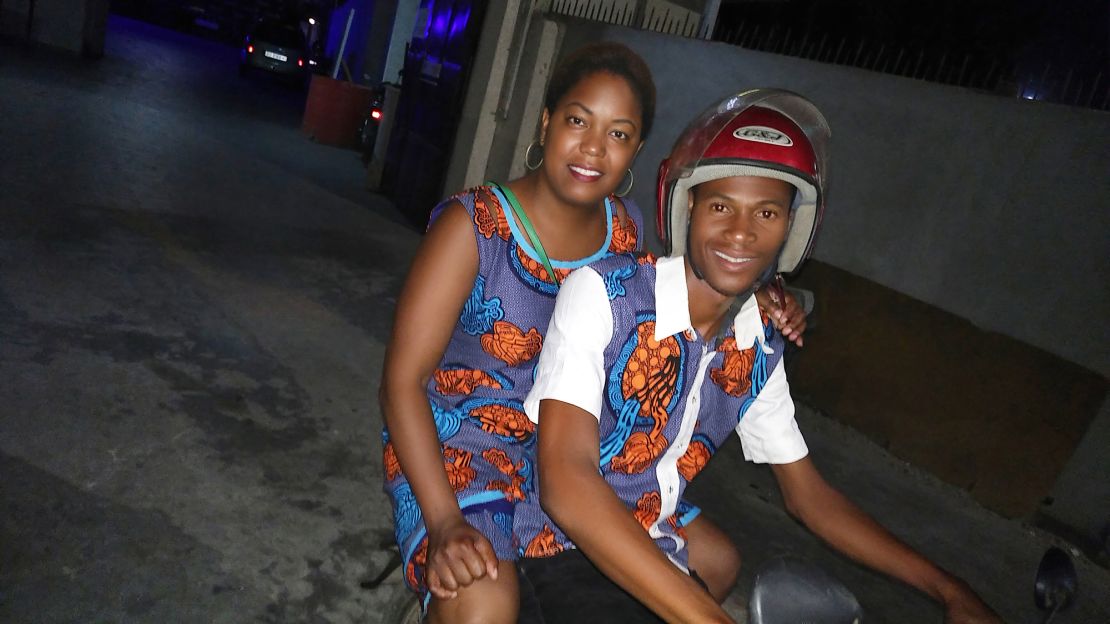
The move from Benin to Canada was not merely a personal transition but a profound cultural shift. For Orogbo, the adjustment involved navigating the harsh realities of a Canadian winter, a stark contrast to the climate of Cotonou. The integration of a West African family into the Canadian social fabric highlights the broader narrative of modern global mobility.
Data from Statistics Canada suggests that international migration remains the primary driver of population growth in the country, with family reunification and economic migration being core pillars of the policy framework. The couple’s experience reflects the challenges faced by many in similar circumstances, including the "brain gain" potential for host countries and the emotional labor of adapting to a new social environment.
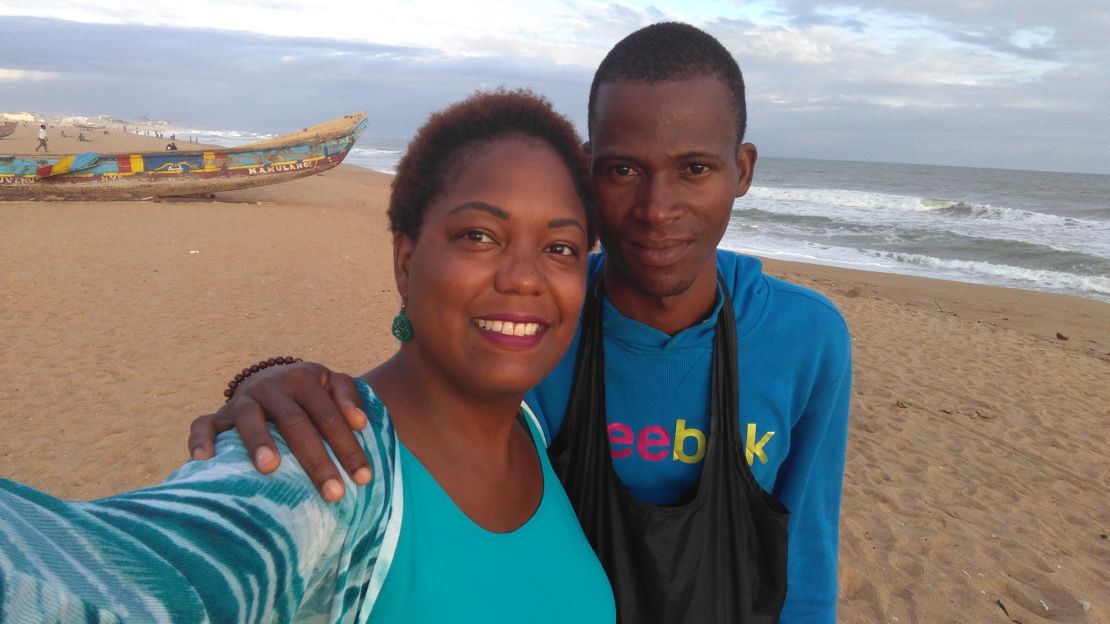
To sustain their new life in Ottawa, the couple launched "Woke Apparel," a business venture that merges their cultural experiences by selling pajamas featuring African prints designed for the Canadian climate. This entrepreneurial endeavor serves as a practical intersection of their backgrounds, providing a tangible output for the cultural exchange that began in Cotonou.
Historical Significance of the Region
Benin’s role in the global consciousness is inextricably linked to the history of the Kingdom of Dahomey and its involvement in the slave trade. The Ouidah Museum of History and the "Route of the Slaves" stand as essential markers of this history. Décoste’s visit to these sites is representative of a larger, ongoing effort by the African diaspora to reclaim a narrative that was forcibly severed centuries ago.
Experts in African studies note that for those returning to their ancestral lands, the experience is often characterized by a "dual consciousness"—an awareness of their current identity as Western professionals alongside a deepening understanding of the realities their ancestors endured. For Décoste, this realization was encapsulated in her self-description as a "walking, talking miracle" and a member of the "one percent" who survived the historical brutality of the era.
The Role of Digital Connectivity in Modern Relationships
The speed of the Décoste-Orogbo relationship, while traditional in its courtship, was facilitated by the modern ease of global communication. The ability to maintain an international relationship during the visa-waiting period allowed the couple to solidify their plans despite physical distance. This digital tethering is increasingly common in international marriages, providing a bridge that was unavailable to previous generations.

Furthermore, the couple’s public sharing of their story—through Décoste’s audiobook, "Year of Return: a Black Woman’s African Homecoming," and their business branding—demonstrates a commitment to storytelling as a means of processing trauma and celebrating new beginnings.
Reflections on Fate and Agency
When asked about the rapid progression of their life together, both Décoste and Orogbo emphasize the role of intuition. For Orogbo, the decision to move across the world was an act of "following his heart with reckless abandon." For Décoste, it was a realization that there is no "expiration date" on the possibility of finding partnership or motherhood.

Their story invites an analysis of the balance between agency and circumstance. While their meeting was a product of chance, the development of their relationship was a series of deliberate choices—to trust a stranger, to invest in a business together, and to navigate the complexities of international immigration law.
In the broader context of the 21st century, their experience underscores the enduring human need for connection, even in a world that is increasingly digitized and often cynical. The transformation from a two-week remote-work trip to a permanent life in a new country serves as a case study in how individual lives can be fundamentally reshaped by unexpected, cross-cultural encounters. As the couple continues to reside in Ottawa, their story remains a testament to the unpredictable nature of global connectivity and the personal courage required to embrace change.