House Republicans Express Optimism Over Bipartisan Immigration Reform Before Democratic Majority Takes Control

Washington — House Republicans are expressing a renewed sense of urgency and optimism regarding the possibility of passing a bipartisan immigration reform package before the balance of power shifts in Congress. Citing lingering national labor shortages, a shifting electoral landscape, and recent comments from President Donald Trump indicating a willingness to compromise, GOP lawmakers are positioning themselves to advance the Dignity Act. Proponents of the strategy argue that enacting legislation now is essential to preempting more sweeping and potentially polarizing immigration measures from Democrats once they assume control of both chambers in the upcoming legislative session.
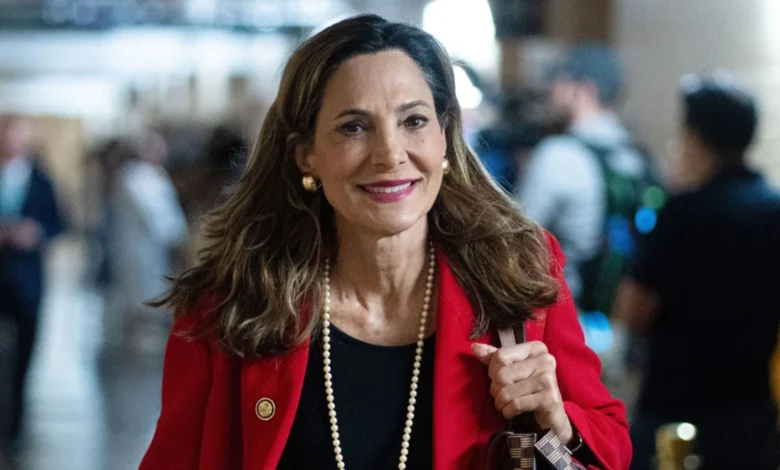
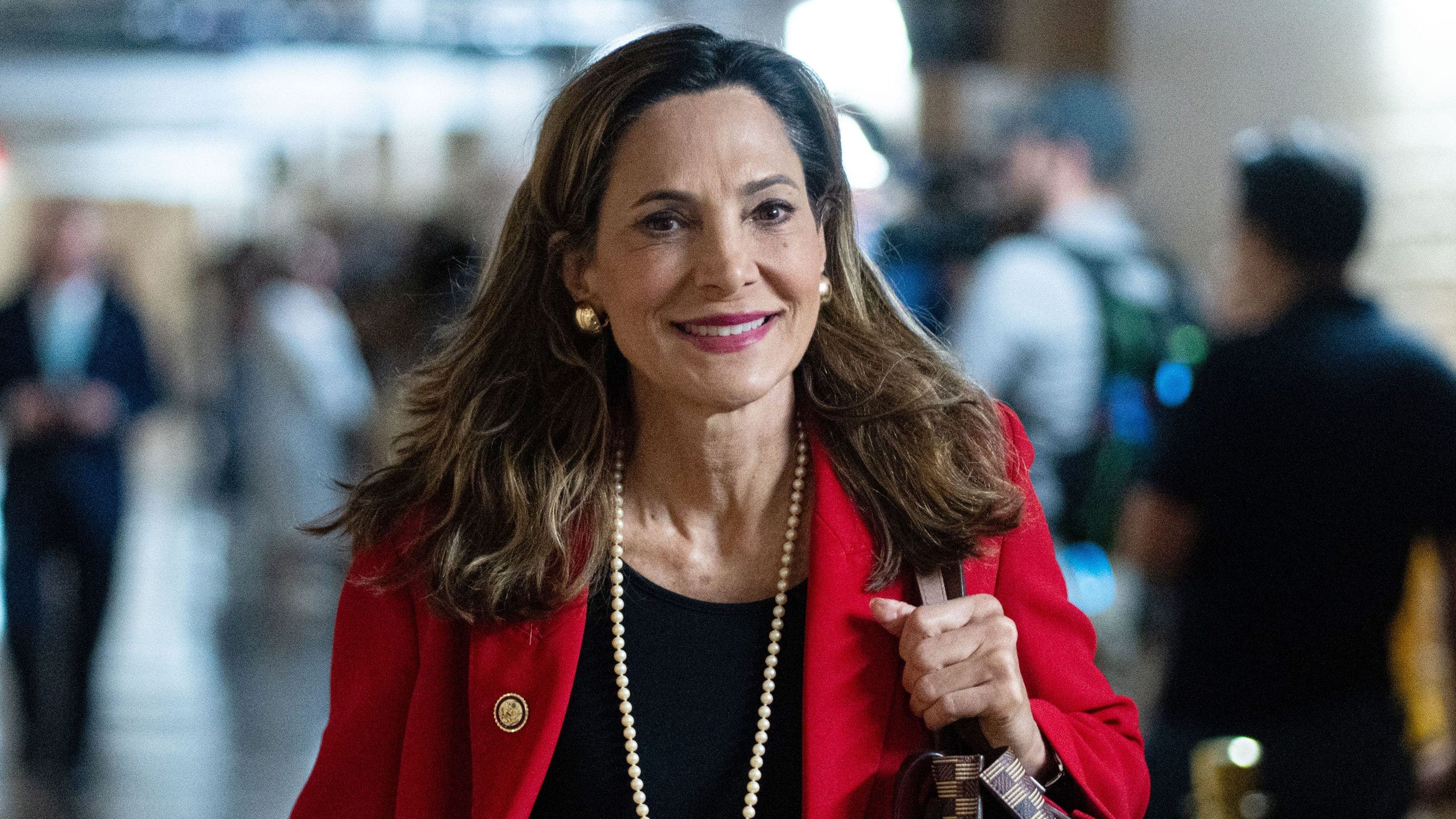
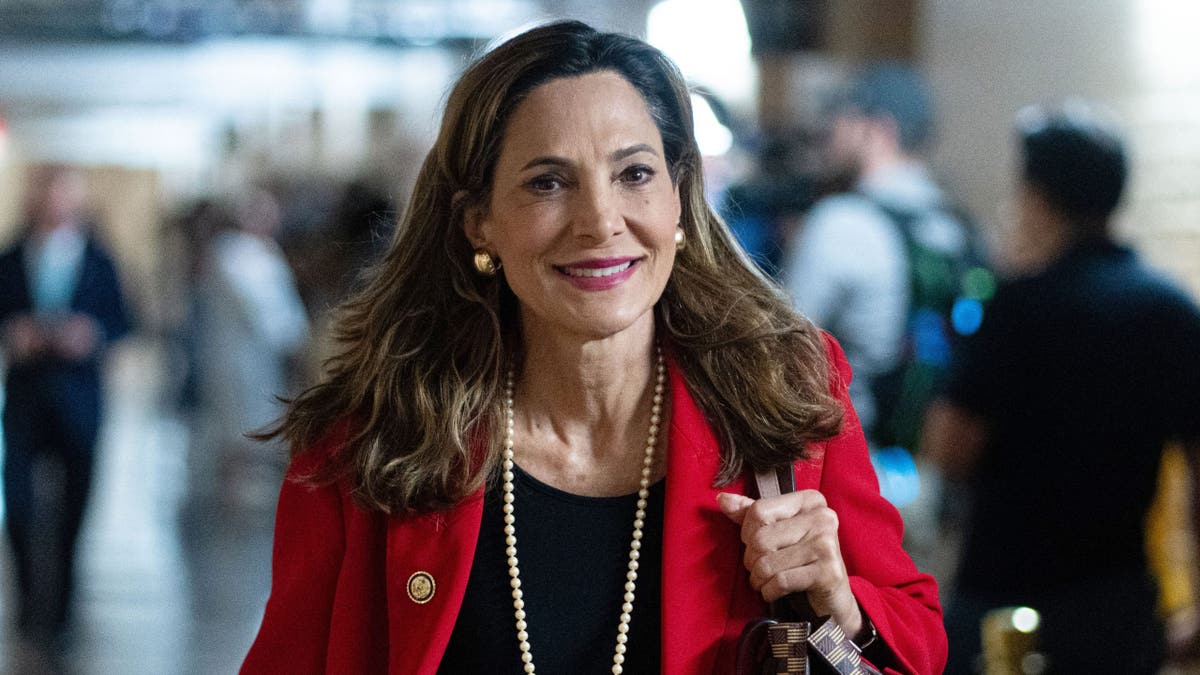
The push for legislative action centers heavily on the Dignity Act, a comprehensive immigration framework initially introduced by Representative Maria Elvira Salazar, R-Fla., which has since garnered a dozen Republican co-sponsors. The bill aims to address long-standing vulnerabilities in the nation’s immigration and economic infrastructure by granting renewable legal status and work authorization to specific undocumented immigrants who satisfy rigorous eligibility criteria. Crucially, the legislation does not establish a direct, automatic pathway to United States citizenship, a compromise designed to secure support from conservative lawmakers wary of measures they classify as amnesty.
However, proponents of the current legislative push warn that delaying negotiations could yield far less favorable outcomes. With Democrats poised to assume majorities in both the House and Senate during the 120th Congress, Republican lawmakers maintain that waiting past January risks the introduction of expansive, left-leaning immigration bills that could incorporate broader legal protections or direct paths to citizenship. By leveraging the remaining weeks of the current congressional term, conservatives believe they can institutionalize a balanced framework that couples workforce stabilization with stricter border accountability.
Background Context and Political Dynamics
The current legislative window has been shaped by a complex intersection of economic pressures and evolving political strategies. For years, American agricultural, hospitality, and construction sectors have documented severe labor shortages, arguing that a depleted workforce constrains economic growth and drives inflation. Concurrently, Republican strategists have analyzed demographic shifts indicating a gradual cooling of support among Hispanic voters, prompting a recalibration of party messaging on immigration and community integration.
President Trump’s recent signals regarding immigration have further catalyzed these discussions. During a wide-ranging interview on CBS News’ "60 Minutes" following the midterms, Trump acknowledged that certain facets of immigration enforcement may have proven overly severe during his initial terms, opening the door to pragmatic, negotiated solutions. This rhetorical shift startled parts of the president’s base, prompting the White House to issue clarifications. Nevertheless, the opening created space for moderate and pragmatic Republicans to revive stalled legislative concepts.
Representative Don Bacon, R-Neb., emphasized the strategic necessity of legislative action during the current session. "Yes, it’s going to happen under this Congress," Bacon stated in an interview, highlighting the dual imperatives of mitigating labor deficits and addressing demographic realities. "I think it’s a win-win for a country, we get a much-needed workforce while providing some accountability for misbehavior." Bacon cautioned, however, against procrastination, warning that a Democratic-led Congress would likely shift the parameters of any reform package. "Unfortunately, I think the Dems will make it more like an amnesty bill," he added. "They’ll probably go to another extreme."
Legislative Mechanics of the Dignity Act
The Dignity Act represents a middle-ground approach to an issue that has gridlocked Capitol Hill for decades. Under the bill’s provisions, undocumented immigrants who have resided in the United States for a specified duration, pass comprehensive background checks, and pay restitution can apply for the "Dignity Program." This status grants them temporary legal residency and renewable work authorization, enabling them to legally contribute to the formal economy and pay federal, state, and local taxes.
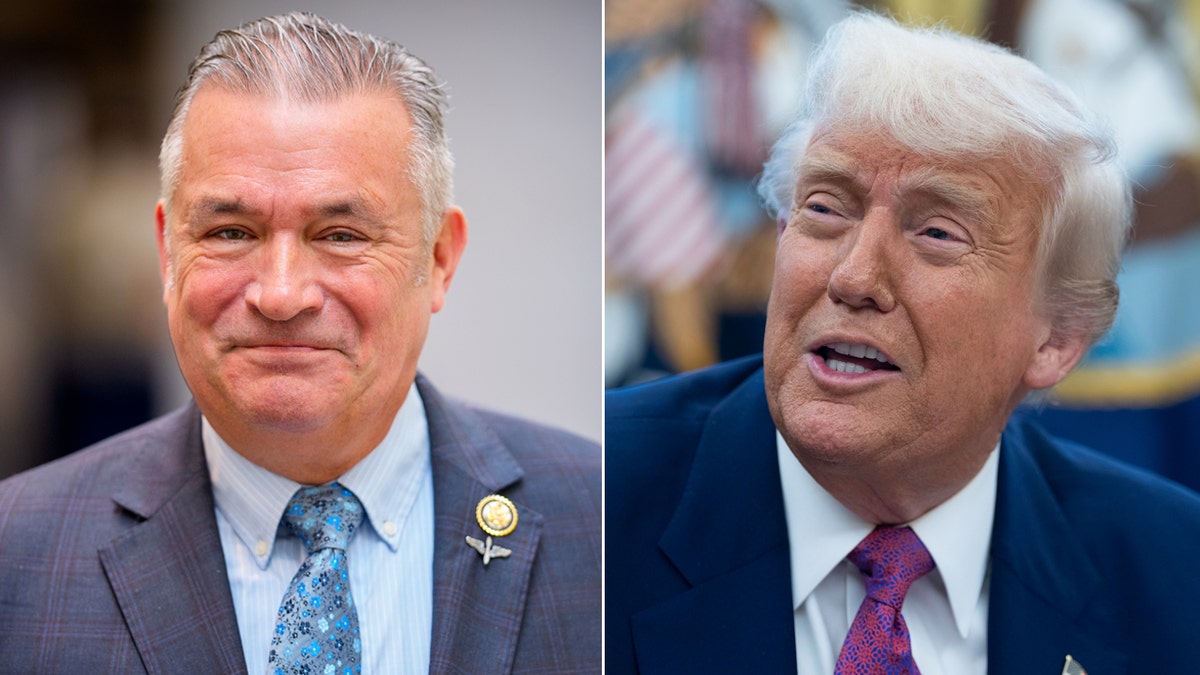
Supporters argue that formalizing the status of millions of non-citizen workers currently operating in the shadows provides necessary legal certainty for businesses while generating tax revenue for public services. Representative Marlin Stutzman, R-Ind., defended the framework as the most viable legislative vehicle available. "There is no better solution on the table that will get support from both parties while simultaneously standing in the way of the Democrats’ looming amnesty-ridden citizenship-for-all alternative," Stutzman noted. He underscored that passing a structured Republican-led plan before January remains the most effective mechanism to safeguard border integrity while managing the domestic labor supply.
Representative Salazar has been an energetic advocate for the measure, framing the current political moment as a historic window of opportunity. Comparing the magnitude of the potential reform to foundational moments in American history, Salazar expressed hope that President Trump could cement a transformative legacy through bipartisan consensus. "I think that this is a very good window to concentrate on something that even the president said that he was willing to work with the Dems, which is immigration," Salazar remarked, asserting that active engagement with the executive branch is vital to securing legislative success.
Cross-Aisle Negotiations and Democratic Responses
While the Republican caucus has experienced internal friction regarding immigration bills that shield millions from immediate deportation, the prospect of bipartisan compromise has elicited cautious interest from select Democrats in both chambers. Recognizing the urgency felt by immigrant communities and labor organizations, certain centrist and progressive lawmakers have signaled a willingness to negotiate on specific components of the Dignity Act.
Senator Ruben Gallego, D-Ariz., confirmed his openness to engaging with Salazar and other Republican sponsors to advance protections for affected families. "I’m here to try to bring as many protections as I can to these families," Gallego stated. "Let’s get it going, we’re willing to work with anybody to try to keep these families together." Gallego’s willingness to participate reflects a broader recognition among some congressional Democrats that incremental, bipartisan progress may be preferable to protracted legislative stalemates, particularly given the shifting majorities.
Despite these bipartisan overtures, the path forward remains fraught with procedural and political hurdles. The White House has maintained a measured silence, declining requests for comment on whether the administration will actively lobby for the Dignity Act or draft a competing counter-proposal before the legislative session concludes. Meanwhile, hardline factions within both parties remain deeply skeptical of any framework that confers legal status or work authorization to individuals who entered the country unlawfully, setting up potential floor battles over amendments and enforcement provisions.
Economic and Policy Implications
The debate over the Dignity Act highlights the profound economic and social stakes involved in federal immigration policy. Economists and industry leaders point out that comprehensive workforce integration could alleviate persistent inflationary pressures in sectors reliant on immigrant labor, including agriculture, manufacturing, and hospitality. Conversely, critics of the legislation argue that legalizing the status of undocumented workers—even without an automatic pathway to citizenship—rewards unlawful entry and places an undue burden on public infrastructure and social safety net programs.
As the clock ticks down toward the inauguration of the 120th Congress, the coming weeks will test the capacity of lawmakers to bridge deep ideological divides. Whether House Republicans can successfully marshal the votes to pass the Dignity Act and secure a signature from President Trump before the balance of power shifts will depend heavily on leadership discipline, White House engagement, and the willingness of moderate Democrats to compromise on a tightly regulated legal status framework. For now, proponents remain cautiously hopeful that a rare alignment of political incentives and economic necessity could finally yield a bipartisan breakthrough on one of the nation’s most enduring policy challenges.
Related posts: