The Rise of the Suburban Velociraptor: Understanding the Surge in Wild Turkey Encounters Across America

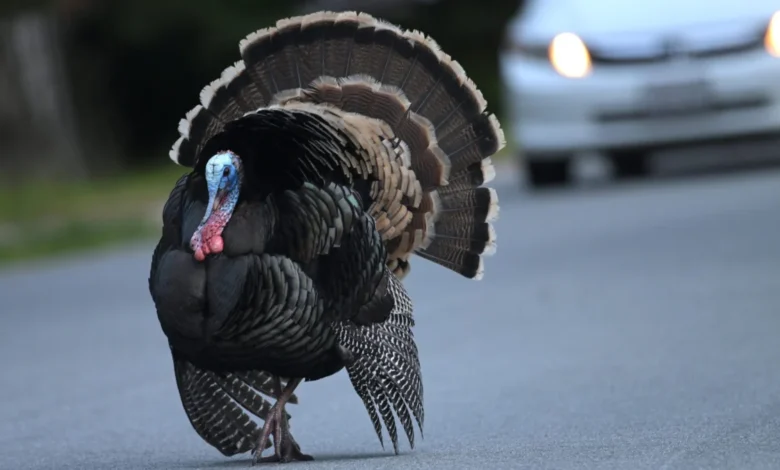
Across residential neighborhoods in the United States, an unusual and increasingly frequent phenomenon is unfolding: citizens are finding themselves the targets of aggressive, territorial wild turkeys. These encounters, which range from intimidating displays of posturing to physical altercations involving spurs and pecking, have become a recurring issue for residents in states from Minnesota to California. While these birds are often viewed as harmless symbols of the American landscape or seasonal staples, the reality for many in suburban settings is a complex, often frightening, conflict over shared territory.
The uptick in human-wildlife conflict is not a result of a sudden change in the species’ temperament, but rather a reflection of the successful intersection of wildlife conservation and human land development. As suburban sprawl continues to encroach upon previously rural environments, turkeys have adapted with surprising success, creating a new, modern dynamic where the line between human infrastructure and wild habitat has effectively vanished.
A Chronology of a Resurgent Species
The current situation is particularly ironic given the historical status of the wild turkey. By the 1930s, the species had been driven to the brink of extinction due to aggressive over-hunting and the systematic destruction of the hardwood forests that served as their primary habitat. Conservative estimates from that era suggest as few as 30,000 birds remained in the entirety of North America.
The turning point arrived in the post-World War II era. State wildlife agencies, recognizing the cultural and ecological value of the bird, initiated extensive reintroduction programs. By capturing wild birds from remote, thriving populations and relocating them to regions with regenerating forests, conservationists managed to engineer a massive comeback. Today, the U.S. population of wild turkeys is estimated to exceed 6 million, a testament to the efficacy of these programs. However, this success has had an unintended byproduct: as populations expanded, they began to move into the "human shield" of suburban environments, where they are protected from traditional predators and largely shielded from hunting.
The Dynamics of Aggression
To understand why these birds are attacking humans, one must look at the biological imperatives of the male turkey, or "tom." During the breeding season—typically peaking between March and May—these birds undergo significant hormonal changes. Males are driven to establish dominance and defend mating territory.
These birds do not operate as solitary actors. They often move in coordinated groups, or "brotherhoods," where a dominant male is supported by subordinate males. This social structure allows them to exert pressure on their surroundings. When a human walks into a space that a tom has mentally cordoned off as his breeding ground, the bird perceives the person as a rival.
The physical weaponry at their disposal is significant. A mature tom can weigh up to 25 pounds, and their primary offensive tools are the "spurs"—hard, keratinous spikes located on the backs of their legs. These are designed for combat against other males but can easily inflict lacerations and bruises on humans. Paleontologist Steve Brusatte notes that because birds are direct descendants of theropod dinosaurs, a close-range encounter with an agitated turkey is the closest modern humans can get to facing a velociraptor.
The Human Shield Hypothesis and Environmental Factors
The "Human Shield Hypothesis," a concept pioneered by researchers such as Michael Chamberlain at the University of Georgia’s Wild Turkey Lab, explains why these birds are flourishing in neighborhoods. Suburban environments provide an abundance of resources, including ornamental berry bushes, manicured lawns filled with insects, and, crucially, bird feeders.

Furthermore, these areas often feature fewer apex predators. While coyotes and foxes do inhabit suburbs, they are frequently deterred by human activity, fences, and the availability of easier, alternative prey like rodents or garbage-derived food. This creates a safe harbor for turkeys to raise their poults. As these birds become habituated to the presence of humans, they lose their innate flight response. When that fear evaporates, the turkeys transition from shy, skittish creatures to bold, territorial residents that no longer distinguish between a rival turkey and a pedestrian walking their dog.
Local Governance and the Policy Dilemma
Towns across the nation are struggling to find a balanced response to these incidents. The case of Phoenix, Oregon, serves as a poignant case study. Faced with a surge in aggressive behavior that saw commuters and schoolchildren harassed, local officials proposed a culling program. The plan, which involved trapping and processing the birds for food bank donations, was met with overwhelming public opposition.
Despite the physical threat, the cultural affinity Americans have for the wild turkey—often perceived as a dignified symbol of the wilderness—makes lethal control measures highly unpopular. Instead, municipalities are increasingly turning to soft-power solutions. Many cities have implemented strict ordinances prohibiting the intentional feeding of wildlife, aiming to break the cycle of dependency that lures turkeys into dense residential zones. However, enforcement remains difficult, as unintentional feeding through songbird feeders or unsecured compost bins continues to provide the nourishment that keeps the flocks in place.
The Psychological and Economic Impact
The consequences of these encounters extend beyond minor physical injuries. For residents like Lili Korbuly-Johnson in Minnesota, the experience of being stalked or cornered by a large bird has resulted in genuine, lingering fear. This psychological impact changes how people interact with their own neighborhoods—some residents report feeling unable to walk their streets, garden, or manage their property without protective tools like brooms or umbrellas.
From a broader perspective, these conflicts underscore the limitations of our current approach to urban planning and wildlife management. As we push further into natural habitats, we are forced into a more intimate, and occasionally violent, relationship with the animals that share our ecosystem. The "turkey problem" is, in many ways, a microcosm of larger challenges regarding biodiversity, land use, and the human desire to live in close proximity to nature without fully accepting the risks that such proximity entails.
Expert Recommendations for Coexistence
Animal behaviorists and wildlife experts generally agree on a standard set of protocols for those living in areas with high turkey populations. The primary objective is to maintain the bird’s fear of humans:
- Do Not Feed: This is the single most important factor. Feeding removes the natural barriers that keep turkeys in the wild.
- Hazing Techniques: Experts suggest that if a turkey acts aggressively, humans should not retreat. Making oneself look larger, shouting, or using a hose or broom to assert dominance can help reinforce the boundary.
- Landscape Modification: Removing low-hanging fruit-bearing plants or bird feeders can make a property less attractive to a flock looking for a nesting or foraging site.
- Awareness during Breeding Season: Recognizing that spring is a peak time for testosterone-driven aggression allows residents to adjust their behavior, such as taking alternate routes when walking or cycling.
Implications for the Future
As urban and suburban areas continue to densify, the population of suburban wild turkeys is expected to grow. The "human shield" effect is a self-reinforcing cycle; as more turkeys survive and breed in these protected zones, their offspring inherit the habituated behaviors of their parents.
The long-term implication is a permanent shift in the suburban landscape. We are moving toward a reality where wild animals are not just visitors, but permanent, co-equal residents of our towns. This requires a transition in public perception—from viewing the turkey as a benign, decorative fixture of the woods to recognizing it as a powerful, occasionally dangerous, and highly adaptive creature.
While professional trapping and relocation programs offer some relief, they are expensive, labor-intensive, and often only provide temporary solutions, as other flocks frequently move in to fill the vacancy. Ultimately, the future of the American turkey-human conflict rests on whether residents can successfully implement the necessary boundaries to keep these birds wild. Without a change in human behavior—specifically the cessation of supplemental feeding and the maintenance of a healthy, fearful distance—the occurrences of "suburban raptor" attacks are likely to remain a feature of the American spring for years to come.