A Half-Century Fight for Breath: Proposed Changes to Miner Silica Rules Spark Renewed Health and Safety Debates

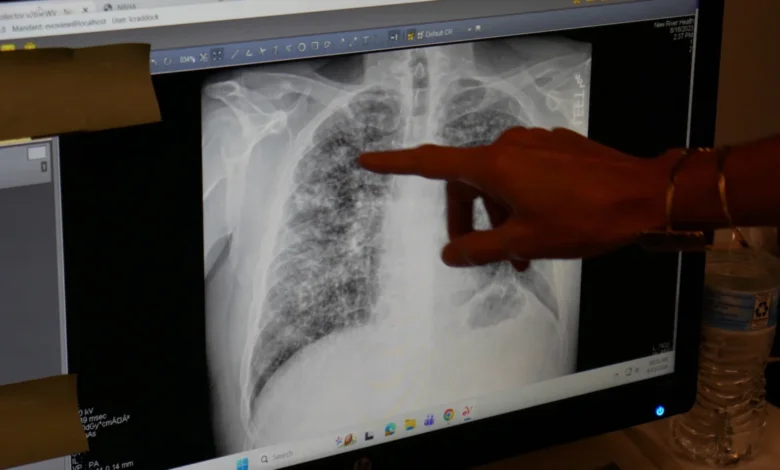
The hazardous nature of underground coal mining has long been an accepted reality for laborers willing to trade physical wellbeing for middle-class financial stability. For generations, grueling shifts beneath the earth offered enough compensation to purchase homes, finance reliable automobiles, and fund higher education for children. For John Robinson, a former miner from Virginia, the health compromises once seemed like a fair bargain. However, that perspective shifted drastically when he received a diagnosis of black lung disease at the age of 47—a direct consequence of inhaling toxic crystalline silica dust embedded in the rock walls of Central Appalachian mines.
Now 60 years old and serving as the vice president of the National Black Lung Association, Robinson looks back on his career with a sense of betrayal. Mining corporations, he contends, lure young workers in with high earning potential, only to discard them once their bodies fail under the strain of chronic occupational hazards. This narrative of exploitation and physical decline is not an isolated incident; rather, it is emblematic of a broader public health crisis that has plagued the American mining industry for over half a century.
Amid ongoing legal battles, the Mine Safety and Health Administration (MSHA) is currently navigating a contentious regulatory landscape. While a newly proposed federal rule retains a stricter ceiling on silica exposure, critics warn that accompanying enforcement changes could fundamentally undermine its protective impact, reigniting a decades-old debate over worker safety versus corporate compliance costs.
Historical Context and the Resurgence of Black Lung
To understand the gravity of the current regulatory struggle, one must examine the historical trajectory of black lung disease, formally known as coal worker’s pneumoconiosis. Caused by the continuous inhalation of coal dust and fine silica particles, the condition triggers severe pulmonary inflammation. Over time, this particulate matter scars and stiffens delicate lung tissue, progressively robbing victims of their capacity to breathe and ultimately leading to respiratory failure.
During the 1960s and 1970s, the human toll of the profession reached alarming proportions. Data from the National Institutes of Health indicates that as many as one in three miners with more than 25 years of underground experience tested positive for the disease. Public outrage and aggressive agitation by the United Mine Workers of America eventually forced legislative action. In 1969, Congress passed the landmark Federal Coal Mine Health and Safety Act, mandating regular inspections and stricter dust control measures.
These interventions successfully drove disease rates down to historical lows by the turn of the 21st century. Regulators and advocates alike anticipated the eventual eradication of the disease. Instead, rates began climbing steadily upward, culminating in a modern epidemic that public health officials describe as a U-shaped statistical curve. Today, black lung rates have reached a 50-year high. Comprehensive studies led by the National Institute for Occupational Safety and Health (NIOSH) reveal that this resurgence affects all age cohorts, including miners in their twenties and thirties, though the most severe forms—such as progressive massive fibrosis—remain concentrated among veteran workers. In routine health screenings conducted across Central Appalachia over the past three years, more than one in three active miners tested positive for the debilitating illness.
The Regulatory Timeline: From the 2024 Standards to Judicial Halts
For more than fifty years, labor advocates, miners, and medical professionals have petitioned the federal government to establish more stringent limits on respirable crystalline silica, enhance enforcement mechanisms, and expand health benefits for disabled workers.
A significant milestone was reached in 2024 when the Biden administration finalized a modernized standard. This regulation set the permissible exposure limit (PEL) for respirable crystalline silica at 50 micrograms per cubic meter of air over an eight-hour shift, successfully aligning the mining sector with the standard enforced by the Occupational Safety and Health Administration (OSHA) for general industry workers across the United States. The updated standard applied not only to coal mines but also to metal and nonmetal extraction operations—encompassing facilities that harvest everything from copper and critical minerals to stone, sand, and gravel.
Implementation of the 2024 standard faced immediate pushback from the mining industry, culminating in a federal appeals court placing the rule on legal hold while judicial challenges were reviewed. Subsequently, MSHA advanced a revised regulatory proposal published in the Federal Register.
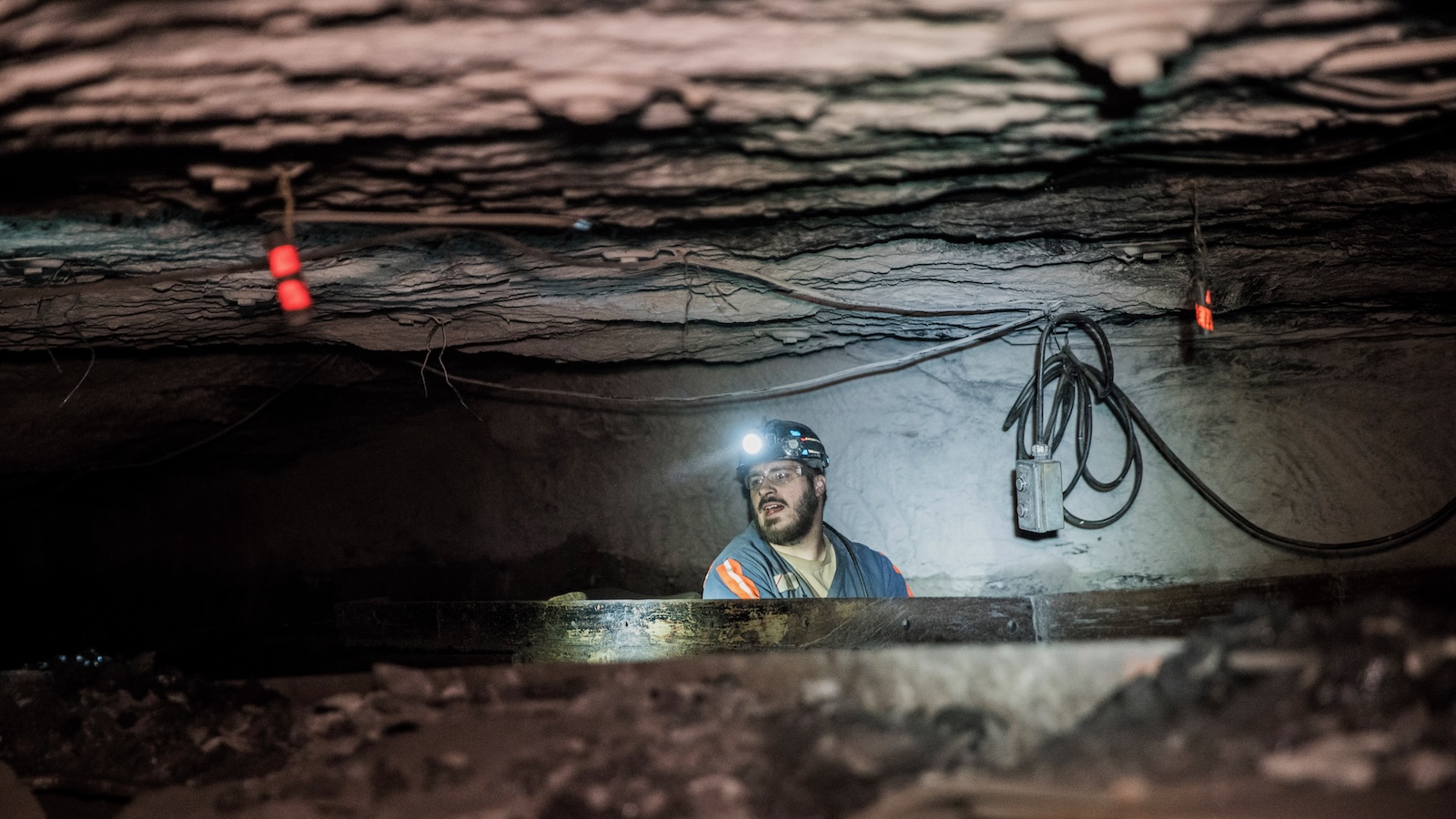
The newly proposed framework maintains the numerical limit of 50 micrograms per cubic meter but introduces targeted alterations to monitoring protocols, compliance margins of error, and mandatory medical surveillance. A public comment period opened following its publication, drawing intense scrutiny from labor representatives, legal experts, and industry stakeholders.
Anatomy of the Proposal: Where Stricter Limits Meet Enforcement Loopholes
While surface appearances suggest that federal regulators remain committed to curbing silica-induced respiratory illnesses, policy analysts argue that the fine print of the revised proposal effectively neutralizes its protective intent.
Brendan Muckian-Bates, a policy analyst with the Appalachian Citizens’ Law Center, highlights several structural weaknesses embedded in the new text. Chief among these concerns is the introduction of a 21 percent margin of error for air sampling data. Under this provision, enforcement agencies would only issue citations or fines if a monitoring sample exceeds the 50-microgram threshold by at least that specific percentage. According to analytical breakdowns, this effectively grants operators a tolerance buffer, raising the functional exposure limit to roughly 60 micrograms per cubic meter before penalties apply.
Furthermore, the proposal dismantles the predictable compliance schedules established under the 2024 framework. The previous rule mandated routine air sampling in every underground mine once every six months. The updated text removes this fixed timetable, replacing it with a flexible requirement that operators assess changing environmental conditions and conduct monitoring "as frequently as necessary." Critics argue this loophole allows mine operators to forego regular testing intervals if they independently determine that conditions remain compliant, potentially leaving hazardous shifts unmonitored for extended periods.
Medical surveillance requirements have also been relaxed. While the 2024 rule instituted mandatory baseline medical examinations for newly hired metal and nonmetal miners, the current proposal makes these screenings entirely voluntary. Public health professionals emphasize that baseline evaluations are indispensable for distinguishing between occupational lung damage and pre-existing conditions or lifestyle factors—particularly given the long latency period of silica-related pathologies, which can take decades to manifest clinical symptoms.
Economic Implications and Industry Perspectives
The regulatory pivot aligns closely with broader federal directives prioritizing administrative burden reduction. In the text published in the Federal Register, MSHA explicitly notes that the proposed rule is anticipated to function as a deregulatory action, citing alignment with executive orders aimed at unleashing economic prosperity through regulatory relief.
Agency economic projections estimate that the revised proposal will generate collective savings of approximately $28.7 million annually for the mining industry, primarily achieved by streamlining monitoring obligations and reducing compliance reporting overhead. Of that total, coal mining operations are projected to save roughly $2.43 million per year.
Industry advocates and technical experts hold mixed views on the practical execution of these standards. Emily Sarver, a mining engineering expert at Virginia Tech, points out that the legacy regulatory framework governing silica exposure has remained largely unchanged since the early 1970s, effectively tolerating exposures near 100 micrograms per cubic meter. Given the severe inadequacy of these legacy standards, Sarver suggests that moving forward with a tighter numerical limit—even with imperfect enforcement mechanisms—may still represent a net improvement over maintaining outdated protections, though she acknowledges ongoing logistical challenges surrounding decentralized laboratory sampling schemes.
Broader Impact and Future Outlook
The implications of the ongoing regulatory dispute extend far beyond administrative compliance schedules; they strike at the heart of worker welfare in America’s resource-extraction regions. Public health advocates warn that weakening monitoring rigor and making medical screenings voluntary will create a blind spot in epidemiological tracking, ensuring that a new generation of workers contracts incurable respiratory diseases without early detection.
For veteran advocates like John and Vonda Robinson, the fight transcends personal grievances. Even as older miners grapple with the irreversible damage already inflicted upon their bodies, their efforts are increasingly focused on safeguarding younger laborers entering the workforce. As the public comment period proceeds, the dialogue surrounding worker safety highlights a persistent tension within industrial policy: balancing the economic efficiency of resource extraction against the fundamental human right to breathe clean air on the job.
Related posts: