Spirit Airlines Shut Down—Did It Forget To Cancel Its Internet? Comcast Wants $1.25 Million

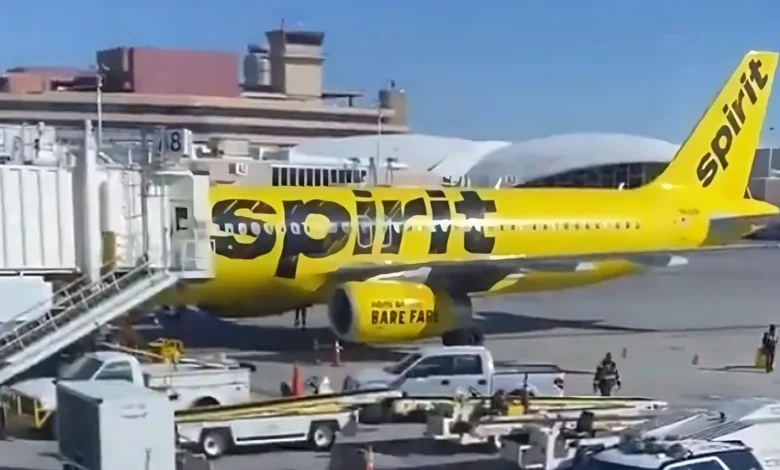
The collapse of Spirit Airlines has left behind a complex web of financial obligations, legal disputes, and administrative hurdles that continue to unfold in federal bankruptcy court. Among the most recent complications is a motion filed on November 19 by Comcast Cable Communications Management, Masergy Cloud Communications, Masergy Communications, and Nitel, which asserts that the bankrupt airline owes over $1.24 million in outstanding internet service fees. This dispute highlights the logistical and bureaucratic friction that occurs when a large-scale corporate entity enters insolvency, particularly concerning the disconnection of essential infrastructure services across a defunct network of physical locations.
A Disconnect Between Operations and Administration
The core of the dispute rests on whether the internet services provided to Spirit Airlines after its May 2, 2025, shutdown constitute "administrative expenses" under the U.S. Bankruptcy Code. Comcast and its subsidiaries argue that because these services remained active at various locations long after the airline grounded its fleet, the costs incurred are necessary for the preservation of the bankruptcy estate. Conversely, Spirit Airlines has countered that many of these charges pertain to physical locations that were vacated as early as 2024, well before the company filed for Chapter 11 protection on August 29, 2025.
According to the court filing, the internet providers claim that the airline did not authorize the disconnection of service for the vast majority of its facilities until October 22, 2025—nearly six months after the company’s final flight. The only exception noted in the filing is a location at Dania Pointe in Dania Beach, Florida, which the airline opted to keep connected. The providers contend that they were never formally notified of the intent to terminate service at the other sites, thereby necessitating continued billing under existing service-level agreements.
Chronology of the Spirit Airlines Collapse
To understand the scale of the current litigation, one must look at the timeline of the airline’s rapid deterioration:
- Early 2024: Spirit Airlines begins vacating various administrative and operational facilities as part of a cost-cutting effort.
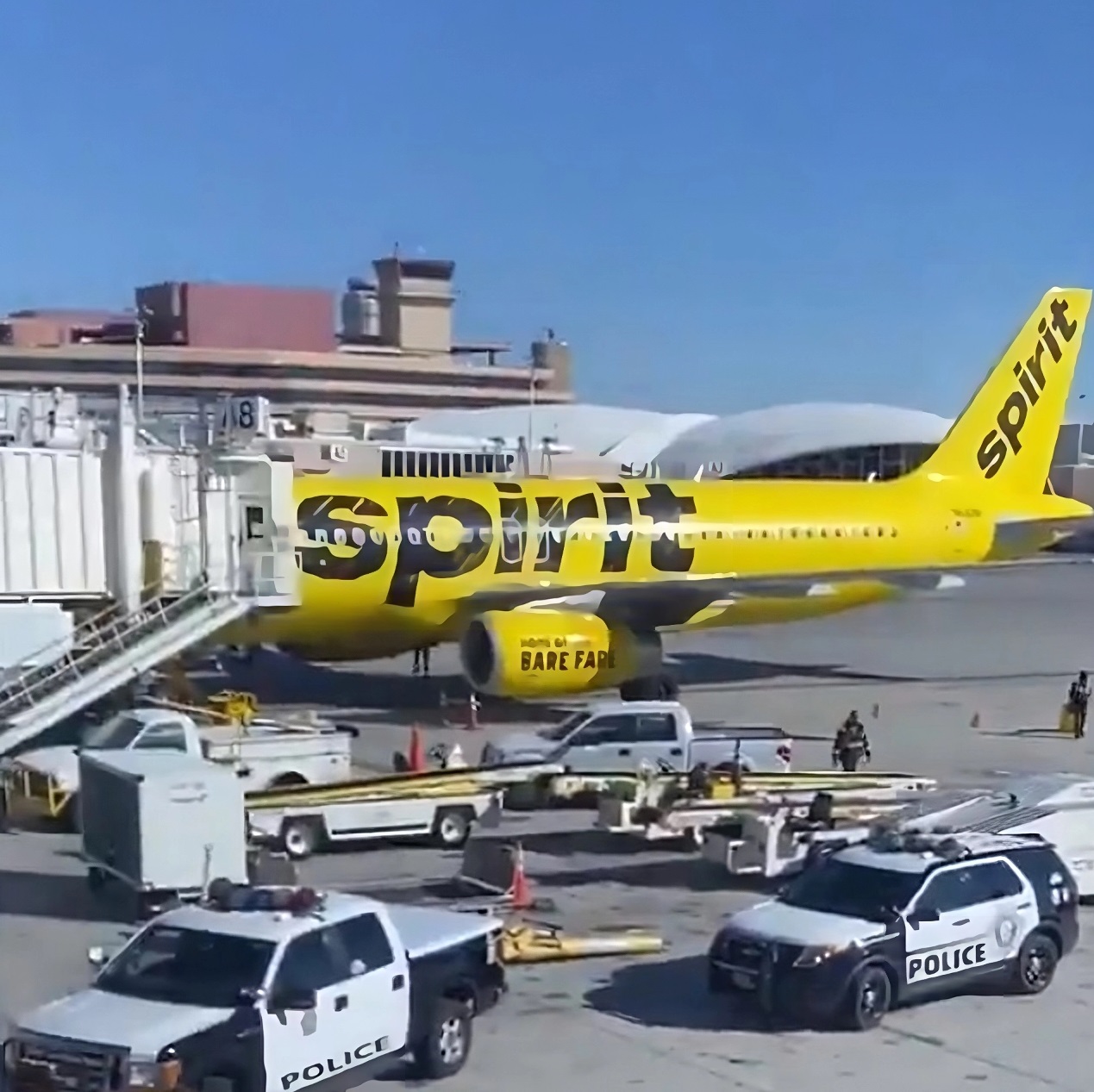
- May 2, 2025: Facing insurmountable financial losses and a lack of external funding, Spirit Airlines officially ceases all commercial flight operations.
- August 29, 2025: The company formally files for bankruptcy, initiating the Chapter 11 restructuring process.
- October 22, 2025: Spirit Airlines issues formal instructions to its internet service providers to disconnect all locations, excluding the Dania Pointe facility.
- November 19, 2025: Comcast, Masergy, and Nitel file a motion with the bankruptcy court, demanding payment for outstanding balances and seeking a determination on the status of their service contracts.
- December 9, 2025: Deadline for official responses to the providers’ motion.
- December 16, 2025: Scheduled court hearing to address the claims.
Breakdown of Outstanding Claims
The total claim of $1,246,007.58 is divided among several entities, all of which are now part of the Comcast business portfolio. The breakdown of these claims provides insight into the breadth of the infrastructure Spirit relied upon:
| Provider | Amount Claimed |
|---|---|
| Comcast Cable Communications Management | $219,743.41 |
| Masergy Cloud Communications | $164,626.99 |
| Masergy Communications | $849,646.45 |
| Nitel | $11,990.73 |
| Total | $1,246,007.58 |
It is important to note that these figures pertain exclusively to ground-based internet infrastructure. In-flight connectivity, which was managed through a separate agreement with Thales, is not included in these specific claims. The acquisition of Masergy by Comcast in 2021 and the more recent acquisition of Nitel in 2025 have consolidated these debts under a single corporate umbrella, simplifying the litigation process for the providers but increasing the pressure on the bankruptcy estate to resolve the arrears.
The Legal Framework of Administrative Expenses
In bankruptcy law, Section 503 of the U.S. Bankruptcy Code provides for the classification of "administrative expenses." These are debts incurred by the debtor-in-possession after the bankruptcy filing that are deemed necessary for the continued operation or liquidation of the business. If the court grants these expenses administrative priority, they are generally paid before the claims of general unsecured creditors.
The crux of the legal argument centers on whether the internet services provided after August 29, 2025, provided an "actual, necessary benefit" to the estate. Spirit’s legal counsel is expected to argue that if the services were unused—due to offices being empty—they provided no benefit to the estate and therefore should not be afforded administrative priority. This defense mirrors legal precedents such as In re Enron, where courts have historically rejected administrative priority for unused contract capacities that failed to offer tangible value to the bankruptcy proceedings.
Implications for the Bankruptcy Estate
The outcome of this dispute could serve as a significant indicator for other creditors involved in the Spirit Airlines liquidation. With the company already having moved to sell a $668 million portfolio of 27 aircraft, the estate is clearly focused on asset liquidation. However, the sheer volume of contractual obligations—ranging from payroll lawsuits seeking 60 days of back pay for displaced workers to utility bills—means that every dollar is highly contested.
Furthermore, even if Comcast and its subsidiaries succeed in winning an administrative priority claim, it does not guarantee immediate payment. Historical precedents, such as the Midway Airlines case, demonstrate that courts may force administrative creditors to wait until the conclusion of the bankruptcy process or until sufficient liquidity is available to distribute funds among all administrative claimants. For a company like Comcast, which operates on a massive scale, $1.25 million is a manageable loss, but for the bankruptcy estate of Spirit Airlines, it represents another significant hurdle in a long and arduous winding-down process.
Broader Industry Context
The case of Spirit Airlines serves as a cautionary tale for corporations regarding the importance of proactive contract management during periods of financial distress. The failure to issue formal termination notices for utilities and internet services in a timely manner has created an avoidable legal liability. In a digital-first economy, the "forgotten" contract—whether for cloud computing, internet connectivity, or software licensing—can aggregate into substantial losses when a business fails to execute a controlled shutdown.
As the December 16 hearing approaches, the bankruptcy judge will be tasked with determining the extent to which the burden of proof lies with the service provider to verify service usage, versus the burden of the debtor to ensure all contracts are properly closed out. For the broader aviation and logistics industries, this case highlights the necessity of maintaining robust, documented records of site closures and contract cancellations, as the failure to do so can transform a simple administrative task into a multi-million dollar legal dispute.
The resolution of this matter will likely hinge on the evidentiary trail regarding when Spirit communicated its vacancy of specific properties. If the airline can prove that it vacated the properties and attempted to communicate that information, the court may be inclined to limit the providers’ claims. Conversely, if the providers can demonstrate that they continued to supply high-bandwidth, reliable service to these locations because they were never instructed otherwise, they may find themselves in a stronger position to claim administrative priority.
Ultimately, the Spirit Airlines bankruptcy continues to be a case study in the complexities of modern corporate insolvency. As the estate moves closer to final liquidation, the resolution of these types of secondary claims will dictate the final recovery percentage for employees, lenders, and other creditors who remain waiting for the closure of one of the most significant airline failures in recent history.
Related posts: