The Bay Theater in Pacific Palisades Officially Reopens Under Paramount Pictures Management Following Extensive Post-Fire Restoration

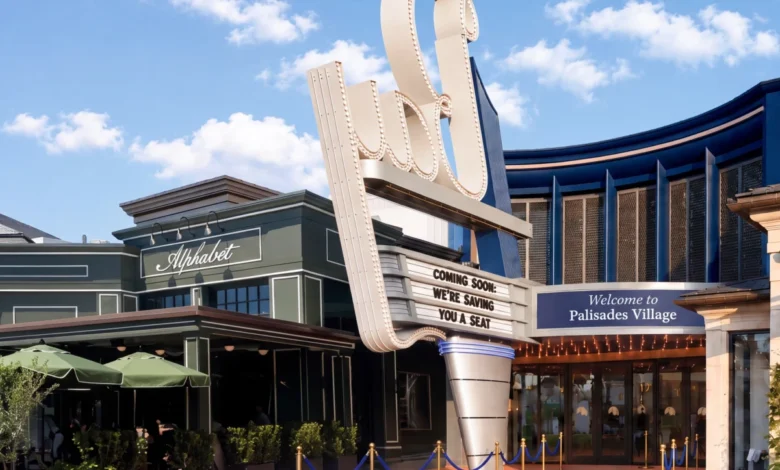
The Bay Theater, a cornerstone of the Pacific Palisades community, is set to officially welcome audiences back on Friday, marking a significant milestone in the recovery of the Palisades Village shopping district. Following a period of prolonged closure triggered by the devastating wildfires of January 2025, the venue returns under the stewardship of Paramount Pictures, in collaboration with developer Rick Caruso and the luxury cinema operator The Lot. This reopening signals not only the restoration of a cultural hub but also the introduction of a modernized, high-end cinematic experience designed to cater to the evolving expectations of the modern filmgoer.
A Chronology of Resilience and Restoration
The timeline leading up to this Friday’s reopening has been defined by both hardship and meticulous planning. In January 2025, the region was struck by catastrophic wildfires that forced the closure of numerous businesses within the Palisades Village area. The Bay Theater, which was then under the operation of Netflix, sustained significant structural and environmental damage during the event.
For months, the theater remained shuttered as the community navigated the aftermath of the blaze. The broader Palisades Village complex underwent extensive remediation and structural repairs, eventually reopening its retail and dining sections in August 2025. However, the cinema—a complex technical environment—required a more specialized restoration effort. The announcement last month that Paramount Pictures would assume control of the theater was met with widespread local support, providing a clear path forward for a venue that had become a beloved neighborhood fixture. The partnership between Paramount, Caruso, and The Lot represents a strategic alignment aimed at revitalizing the theater while respecting its intimate, community-focused roots.
Elevating the Cinematic Experience
The transformation of the Bay Theater is comprehensive, moving beyond mere cosmetic repairs to integrate cutting-edge cinema technology. The theater, now operated by The Lot, features five auditoriums that have been retrofitted with state-of-the-art laser projection systems and immersive surround-sound architectures.
The emphasis on "hospitality-first" cinema is evident in the hardware and design choices. Each of the five auditoriums has been equipped with customizable luxury seating. These chairs are engineered with adjustable foot, back, head, and neck rests, providing a level of ergonomic control that has become a hallmark of premium theater chains. Beyond comfort, the technical integration extends to the viewer’s experience: every seat includes USB charging ports, personal dining tables, and intuitive service buttons. These buttons allow patrons to summon waitstaff for food and beverage orders without disrupting the viewing experience, a feature that distinguishes the new Bay from its previous iteration.
Culinary Integration and Beverage Programs
The theater’s business model leans heavily into the "dine-in" cinema trend, which has seen success in high-traffic urban areas. The menu is a curated, made-to-order selection that seeks to elevate standard concession fare. Patrons can order from a wide variety of appetizers, burgers, entrees, and desserts, all of which are delivered directly to their seats.
Complementing the food service is an expansive, high-end beverage program. The theater has introduced a selection of wines, beers, and a range of signature cocktails. The menu highlights regional themes, with cocktails like the "Pacific Blush," the "Sunset Mule," and the "Coastline Cantarito." This strategy is designed to position the Bay Theater not just as a place to watch a movie, but as a destination for an entire evening out. The addition of a full-service bar and lounge area—complete with a large video wall for sports viewing—further establishes the venue as a social anchor for the Pacific Palisades, providing a space for gathering before and after screenings.
Strategic Programming and Industry Implications
The reopening slate for the Bay Theater is indicative of the prestige and resources that Paramount Pictures brings to the table. The marquee opening feature is the highly anticipated Johnny Depp film "Ebenezer," which begins its national rollout this Friday. Alongside this blockbuster, the theater’s inaugural week will feature a diverse lineup including "The Cat in the Hat," "Wild Horse Nine," "You Can See Everything," and the genre film "Godzilla Minus Zero."
The programming strategy, however, will not be limited to first-run films. According to stakeholders, the theater intends to function as a multi-purpose cultural venue. This will include the screening of nostalgic classics, carefully curated film series, and special events. By diversifying its offerings, the Bay Theater aims to maintain high occupancy rates throughout the week, avoiding the "weekend-only" boom-and-bust cycle that often plagues smaller, independent-style cinemas.
Fact-Based Analysis of the Market Shift
The transition from Netflix to Paramount Pictures as the operator of the Bay Theater is reflective of a broader trend in the film industry. While streaming services initially sought to establish physical footprints for prestige screenings and awards-season eligibility, the operational challenges of maintaining luxury cinema spaces have led some to retreat from the exhibition business. Paramount’s entry into the space suggests a different motivation: the desire to control the distribution and exhibition ecosystem for their own intellectual property.
For the Pacific Palisades, this move is an economic catalyst. The Palisades Village area relies on high-foot-traffic anchors to support surrounding retail and dining establishments. The absence of the cinema for over a year created a noticeable void in the neighborhood’s evening economy. By re-investing in the theater’s infrastructure, the partnership between Paramount and Caruso is essentially hedging against the decline of the traditional theater experience by offering a luxury alternative that streaming services simply cannot replicate.
Official Sentiment and Community Impact
While the transition has been a complex logistical undertaking, the sentiment among those involved is one of optimism. The integration of "exceptional hospitality" is meant to bridge the gap between the neighborhood’s desire for an intimate, local feel and the industry’s need for high-margin, premium experiences.
The preservation of the theater’s "neighborhood character" is a specific priority cited by the management team. Despite the high-tech upgrades, the physical footprint of the cinema remains intimate, avoiding the cold, sprawling nature of massive suburban multiplexes. By maintaining this scale, the Bay Theater preserves the specific charm that originally made it a favorite among local residents.
As the theater prepares for its Friday debut, the broader implication is one of stabilization. For the residents of the Pacific Palisades, the reopening is a tangible sign that the community has successfully navigated the recovery period following the 2025 wildfires. The return of the Bay Theater provides a much-needed cultural focal point, reinforcing the resilience of the local economy and the enduring relevance of the cinematic experience in a digital-first world.
The success of this endeavor will be measured in the coming months by attendance numbers and the theater’s ability to seamlessly integrate its dining and cinematic operations. However, the investment made by Paramount and its partners demonstrates a clear commitment to the long-term viability of the theater as a destination, positioning it to serve as a beacon for local entertainment for the foreseeable future.