The Secret of Limone sul Garda: The Italian Village with a Genetic Key to Longevity

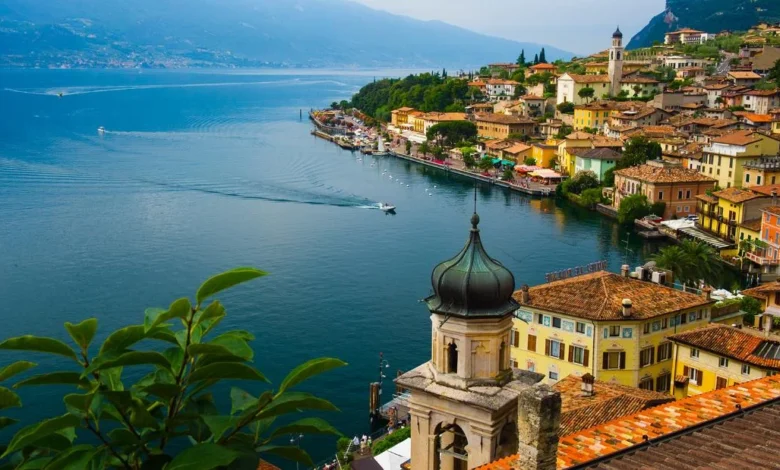
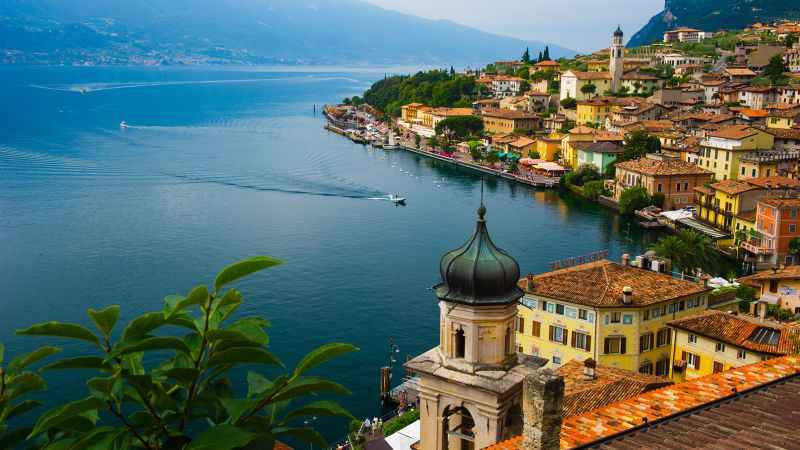
Nestled on the jagged, sun-drenched western shore of Lake Garda in northern Italy lies a village that has become an unlikely focal point for international medical research. Limone sul Garda, a picturesque commune of approximately 1,000 residents, is defined by its terraced lemon groves, a micro-climate that defies its proximity to the Alps, and a profound biological anomaly that has fascinated the scientific community for four decades. Here, a subset of the population carries a rare genetic mutation that appears to provide a natural, robust defense against cardiovascular disease, effectively granting them a biological "shield" against the ravages of high cholesterol and arterial plaque.
The phenomenon centers on a specific protein, dubbed A-1 Milano, which possesses the extraordinary ability to rapidly break down lipids and maintain fluid blood flow. For researchers, the village represents a rare, naturally occurring experiment in human longevity and cardiovascular health.
A Historical Medical Discovery: The A-1 Milano Mutation
The identification of this genetic trait was serendipitous. In the early 1980s, a train driver from Limone was involved in a serious accident in Milan. Upon his admission to the hospital, clinicians were startled by the results of his blood work. His lipid profile was fundamentally different from what medical textbooks deemed healthy—or even viable. Despite the presence of what should have been dangerously low levels of high-density lipoprotein (HDL), often referred to as "good cholesterol," the patient showed no signs of the vascular disease typically associated with such markers.
This incident triggered a massive, multi-decade screening initiative led by Professor Cesare Sirtori of the Università degli Studi di Milano. The research team launched a comprehensive study of the village’s population, mapping the lineage of those who carried the mutation. What they found was a dominant gene, passed down through generations, which seemed to override the standard physiological risks of a high-fat diet.
Clinical Observations and the Human Element
The testing process has been rigorous, and at times, invasive. For many locals, the laboratory has been a constant presence in their lives. Gianni Segala, a local shopkeeper and one of the identified carriers, describes the decades of monitoring with a mix of pride and fatigue. He and his family—including his 96-year-old mother—have been regular subjects in clinical trials designed to understand how their bodies process fats.
In one notable series of tests, researchers monitored the blood of carriers after they consumed high-fat, high-sugar meals, such as whipped cream-based snacks. The findings were consistent: while the intake was enough to trigger significant spikes in non-carriers, the Limone residents’ bodies processed the lipids with remarkable efficiency, preventing accumulation in the bloodstream.
However, residents like Segala emphasize that the mutation does not grant them superhuman status. They maintain, for the most part, standard lifestyles. They are not immune to the general ailments of aging, yet they possess a unique, systemic protection against atherosclerosis—the hardening and narrowing of the arteries that serves as the leading cause of heart attacks and strokes globally.
Scientific Implications: Moving Toward Synthetic Solutions
The implications of the A-1 Milano protein for modern medicine are profound. In the year 2000, Professor Sirtori and his team successfully synthesized the protein in a laboratory setting. Subsequent trials, including injections into rabbits, demonstrated a marked decrease in arterial clots. The goal of this research is not merely to study the villagers, but to harness the mechanism of the A-1 Milano protein to develop pharmaceutical treatments for patients who do not possess this natural protection.
Currently, the scientific community is focused on how this mutation could revolutionize the treatment of cardiovascular disease. By replicating the protein’s ability to destroy lipids, researchers hope to create a therapeutic pathway for individuals suffering from chronic heart conditions. The persistence of the gene across generations—from five-year-old children to the elderly—suggests a stability that makes it an ideal candidate for further biotechnological exploration.

A Unique Micro-Climate and Lifestyle Factors
While the genetic mutation is the primary driver of the villagers’ health, some local observers, such as hotelier Antonio Girardi, argue that the environment plays an essential, if secondary, role. Limone sul Garda is protected by towering mountains that shield the village from harsh, cold winds and trap the warmth of the sun, creating a unique micro-climate that has allowed for the cultivation of lemons since the Renaissance.
This geography is more than just a tourist draw; it influences the local diet and lifestyle. The traditional consumption of high-quality, local extra virgin olive oil, fresh lake fish, and the general avoidance of industrial pollutants contribute to an environment that supports the biological benefits of the gene. Furthermore, the village’s topography—characterized by steep, winding streets and mountain paths—necessitates a level of physical activity that is woven into the daily routine of residents, from the young to the old.
Chronology of the Limone Study
- 18th Century: Preliminary genealogical research suggests the gene has been present in specific Limone families for at least 300 years.
- 1980s: A Limone resident is hospitalized in Milan following an accident; doctors discover his unusual lipid profile, sparking the initial interest.
- 1980s–1990s: Professor Cesare Sirtori and his team initiate a village-wide screening program to identify carriers and understand the inheritance pattern of the mutation.
- 2000: The research team successfully synthesizes the A-1 Milano protein and confirms its efficacy in reducing arterial plaque in animal models.
- 2000s–Present: Ongoing monitoring of the carrier population continues, with researchers seeking to understand the long-term impacts of the gene on aging and the potential for new cardiovascular drugs.
The Future of the Limone Gene
As the study of the Limone gene continues, several questions remain. Professor Sirtori has expressed interest in analyzing the outcomes for children born to two parents who both carry the mutation, a scenario that has yet to be fully documented or understood. Furthermore, while the gene is dominant, its absence in neighboring villages—despite their geographical proximity—remains a biological curiosity that suggests a long period of historical isolation for the residents of Limone.
For the villagers, the gene represents a form of "biological insurance." Giuliano Segala, Gianni’s son, notes that knowing he carries the gene provides a sense of security against the health anxieties that plague much of the modern world. However, he remains grounded, acknowledging that while the gene is a gift, it is not a license for recklessness. He maintains a healthy, active life, hiking the mountains and enjoying the local diet, which aligns with the Mediterranean-influenced health traditions of the region.
Broader Medical Impact
The research surrounding Limone sul Garda serves as a reminder of the power of genetic research in unlocking the mysteries of human health. By studying the "exceptions" to the rule—individuals who defy standard medical expectations—scientists are gaining insights into the molecular basis of disease.

The A-1 Milano mutation provides a rare, clear target for pharmaceutical intervention. If scientists can successfully translate the natural process occurring in the bloodstreams of these 60 villagers into a safe and effective treatment, it could offer a lifeline to millions of people worldwide who are at high risk for heart disease. The village of Limone, once known only for its lemons and its scenic harbor, has secured its place in the history of clinical pharmacology, offering a testament to the intersection of ancient lineage, environmental isolation, and modern medical innovation.
As the global population ages and the incidence of metabolic and cardiovascular diseases continues to rise, the lessons learned from this small Italian village become increasingly relevant. While it is unlikely that the "Limone gene" will be distributed to the general public, the protein it produces may well become the blueprint for the next generation of life-saving cardiovascular medicine. Until then, the village remains a quiet, living laboratory, tucked away between the mountains and the lake, continuing to offer its secrets to those looking to secure a healthier future for all.