Rescued Plymouth Raccoon Recovers from Miraculous Crossbow Arrow Injury After Weeklong Ordeal

Wildlife rescue operations frequently test the limits of patience, skill, and resourcefulness, but veterinary professionals in Massachusetts recently encountered a case that defied routine expectations. Earlier this week, a remarkably resilient raccoon was successfully treated at the Cape Wildlife Center in Barnstable, Massachusetts, after surviving an ordeal involving a mini crossbow arrow embedded directly through its head. The incident, which highlights both the challenges of urban-wildlife coexistence and the tenacity of local animal control officers, has drawn widespread attention to the unique medical and ethical dilemmas faced by wildlife rehabilitators.
The Main Facts of the Case
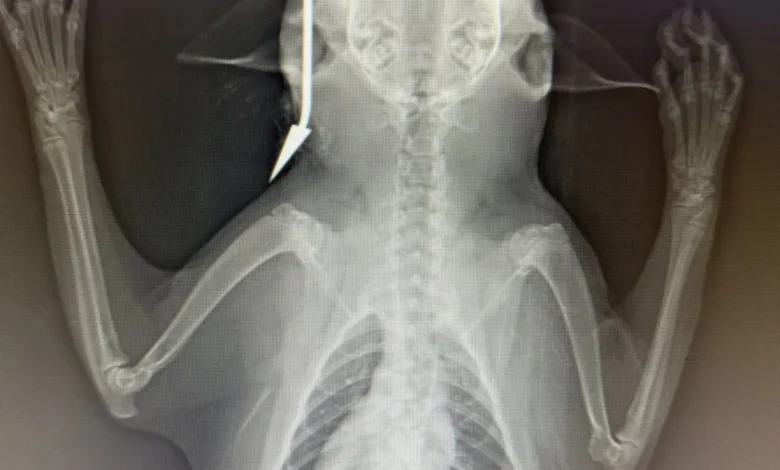
The patient, described by medical staff as an exceptionally spirited adult female raccoon, arrived at the Cape Wildlife Center bearing a terrifying injury: a small metal arrow piercing one side of her face and exiting near the back of her skull. Despite the gruesome visual presented by the projectile, comprehensive diagnostic imaging revealed a stroke of extraordinary fortune.
Dr. Priya Patel, the medical director and lead wildlife veterinarian at the center, spearheaded the emergency response alongside her specialized veterinary team. Following a rapid sedation protocol designed to minimize stress for the captured animal, clinicians performed detailed digital X-rays. The scans delivered an astonishing verdict: while the arrow had passed entirely through the cheek and facial tissue, it had miraculously avoided the raccoon’s eye, critical sinus cavities, and cranial structures. No bone fractures were detected, leaving the underlying neurological and sensory systems completely intact.
Immediate medical intervention involved the careful extraction of the metallic projectile, thorough surgical cleaning of the entry and exit wounds, and the administration of localized antibiotic ointments. To prevent secondary infections and manage potential post-procedural discomfort, the veterinary team initiated a strict regimen of systemic antibiotics and targeted pain medications. The animal is currently housed in a secure recovery ward at the Cape Wildlife Center, where she will remain under observation until clinicians confirm complete wound closure and tissue healing. Once her rehabilitation is finalized, wildlife authorities intend to release her back into her native habitat.
Chronology of the Rescue
The sequence of events leading up to the raccoon’s miraculous recovery spans more than a week, underscoring the persistence required to safely capture injured wildlife in suburban environments.
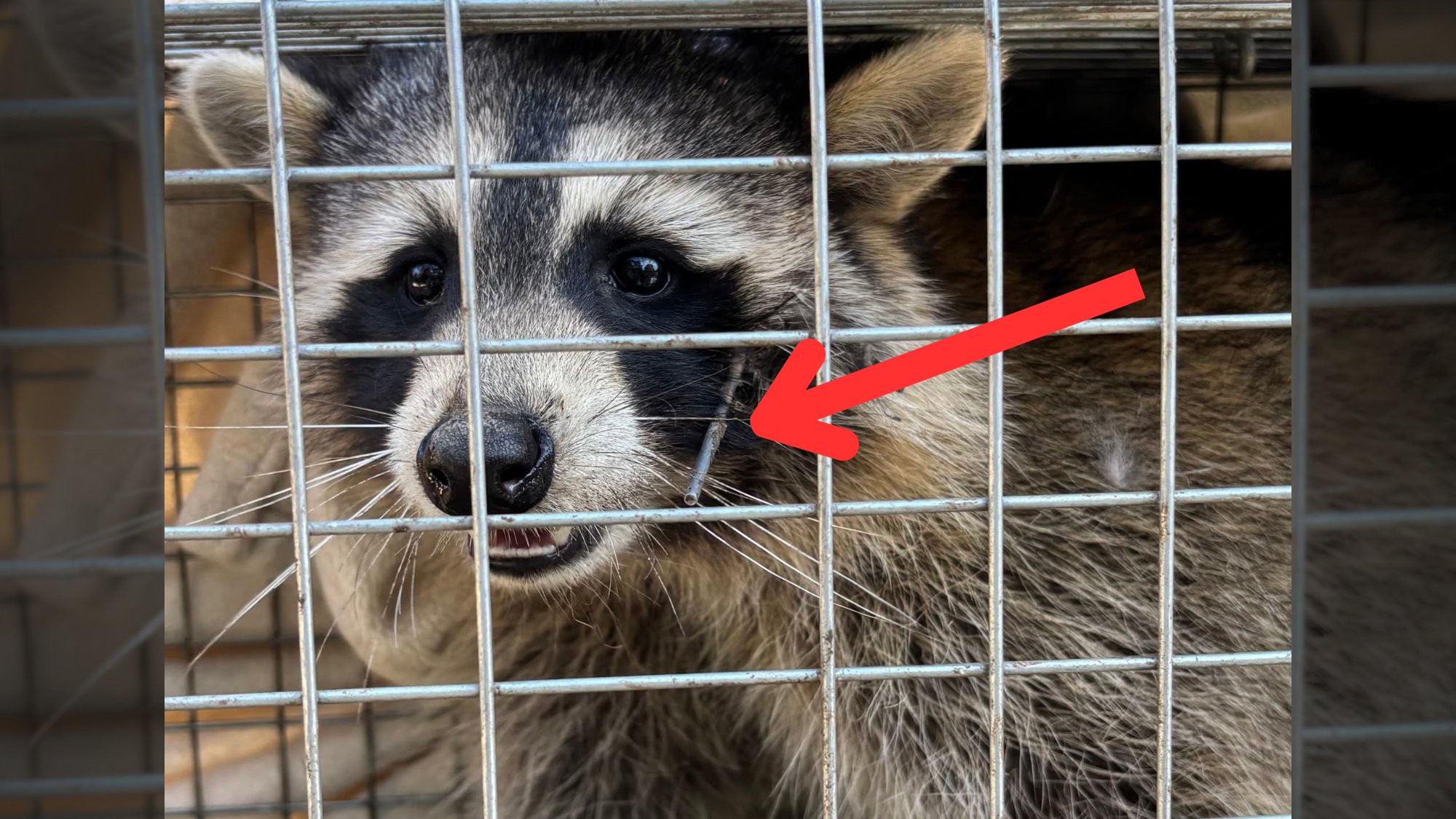
The saga began several days prior to her arrival at the Barnstable facility, when an observant resident in Plymouth, Massachusetts, spotted the injured animal moving through a local neighborhood. Recognizing the severity of the trauma, the citizen immediately contacted the Cape Wildlife Center to report the sighting and request emergency intervention. Because wildlife centers generally operate as medical and rehabilitation facilities rather than field-capture agencies, staff instructed the caller to contact local municipal animal control officers who possessed the legal jurisdiction and specialized equipment necessary to secure the animal.
Apprehending a stressed, injured wild mammal is rarely straightforward. The raccoon, demonstrating classic survival instincts, actively evaded capture for approximately seven days. Local animal control personnel deployed traps and monitoring strategies over the course of a week before successfully securing the animal. Upon transfer to the Cape Wildlife Center, Dr. Patel noted that the raccoon maintained a remarkably defensive and energetic demeanor despite her prolonged ordeal, prompting the immediate decision to chemically sedate her inside her transfer enclosure to ensure both human safety and animal welfare.
Supporting Data and Legal Context in Massachusetts
The incident occurs within a specific regulatory framework governing wildlife management and hunting practices in the Commonwealth of Massachusetts. Under current guidelines established by the Massachusetts Division of Fisheries and Wildlife (MassWildlife), raccoons (Procyon lotor) are classified as game animals subject to regulated hunting seasons.
According to state regulations, the raccoon and opossum hunting season typically spans two distinct periods: a winter window from January 1 through January 31, and an autumn window commencing on October 1 and extending through the conclusion of the calendar year. While hunting is legally permitted under strict licensing, bag limits, and method-of-take rules, the use of improperly sized or unauthorized gear—such as low-powered mini crossbows—against urban or suburban wildlife often raises serious concerns among animal welfare advocates regarding animal cruelty and unethical harvesting practices.
Wildlife centers across New England frequently report treating animals injured by non-lethal or improper projectile strikes, reflecting ongoing friction between expanding suburban developments and indigenous wildlife populations. Data compiled by rehabilitation networks indicate that urban mammals such as raccoons, opossums, and foxes are increasingly vulnerable to human-wildlife conflicts, ranging from vehicular strikes and domestic animal interactions to intentional harm.
Official Responses and Veterinary Perspectives
The successful outcome of this unusual case has prompted praise for the collaborative efforts between municipal workers and specialized veterinary staff. Dr. Patel publicly commended the persistence of the Plymouth animal control division, emphasizing that without their weeklong dedication in the field, the raccoon would have faced a slow and painful decline due to infection or impaired foraging ability.
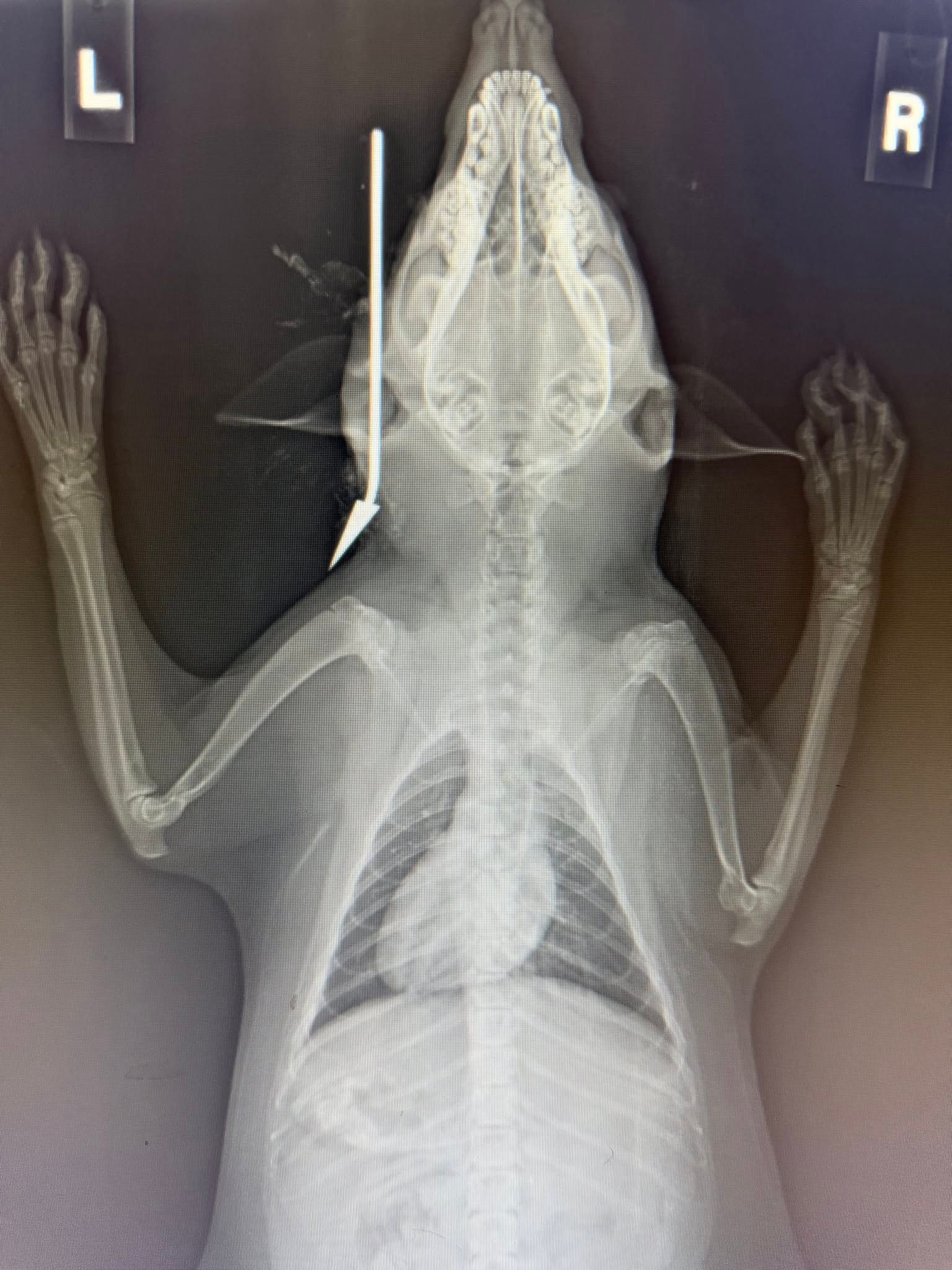
“We were able to quickly assess that there was no major structural damage to her, and then we were able to remove it,” Dr. Patel noted in discussions regarding the clinical procedure. “We cleaned the wound and put some antibiotic ointment on it and started her on antibiotics and pain meds. She just got really lucky, and we were just grateful to Plymouth animal control for not giving up on trying to catch her.”
Veterinary professionals at the Cape Wildlife Center utilize advanced diagnostic imaging routinely to evaluate traumatic injuries in wildlife, ensuring that prognosis determinations are grounded in precise anatomical data rather than superficial appearances. The absence of cranial fractures in this case allowed for a swift transition from critical trauma care to routine soft-tissue rehabilitation.
Broader Impact and Implications for Urban Wildlife
Incidents of this nature serve as a crucial touchstone for broader discussions regarding human-wildlife coexistence, law enforcement, and public education in suburban communities. Raccoons are remarkably adaptable omnivores that thrive in close proximity to human settlements, frequently utilizing residential infrastructure, agricultural spaces, and suburban greenbelts for shelter and foraging.
This adaptability frequently places them at the center of community debates. While some residents view urban raccoons as resilient neighbors or benign urban wildlife, others perceive them as nuisance species capable of damaging property or raiding domestic waste containers. Such polarized perceptions occasionally give rise to illegal or unethical retaliatory measures by private citizens, highlighting the critical need for robust community outreach regarding humane wildlife management and local ordinances.
Furthermore, the recovery of the Plymouth raccoon underscores the vital economic and operational role played by regional wildlife rehabilitation centers. Operating largely on private donations, grants, and the dedication of specialized staff and volunteers, facilities like the Cape Wildlife Center provide an indispensable safety net for injured fauna that fall outside the purview of traditional veterinary practices and municipal animal shelters.
As the rehabilitated raccoon completes her antibiotic regimen and prepares for eventual release back into the wild, her case remains a testament to the resilience of urban wildlife and the dedication of the veterinary professionals committed to their protection.
Related posts: