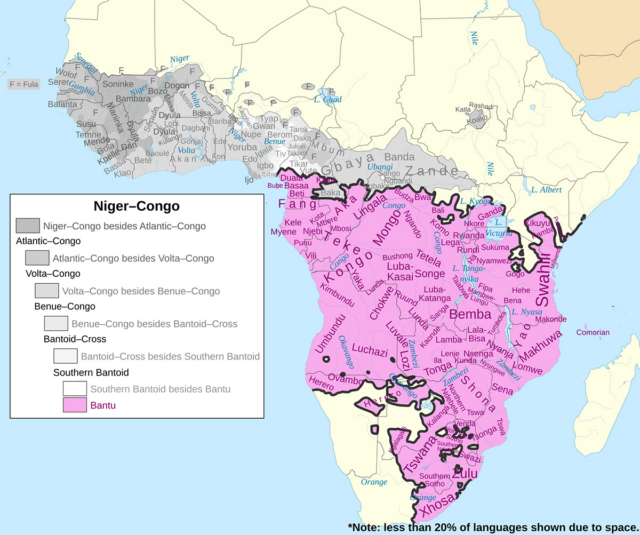
The story of sub-Saharan Africa’s demographic and cultural landscape is fundamentally tied to a sprawling, multi-millennial phenomenon known as the Bantu expansion. Beginning roughly 6,000 to 4,000 years ago, communities originating from the region of present-day Cameroon and Nigeria began a gradual, multi-directional migration that would eventually reshape the continent. Today, this legacy is reflected in the lives of approximately 350 million people who speak one of roughly 500 distinct Bantu languages, and in the genetic heritage of hundreds of millions of Africans, African Americans, and Afro-Latinos worldwide.
A Chronology of Expansion
The movement of Bantu speakers was not a singular, rapid invasion, but a protracted series of demographic shifts that spanned several millennia. Archaeologists and linguists have pieced together this puzzle by tracking the spread of a specific "cultural package"—farming, livestock husbandry, pottery, and iron metallurgy—that accompanied the Bantu people as they moved into regions previously inhabited by diverse hunter-gatherer populations.
The timeline of this expansion can be broadly categorized into three major phases:
- The Origin (6,000–4,000 years ago): The Bantu homeland is rooted in the Grassfields of modern-day Cameroon and the border regions of Nigeria. Archaeological evidence from sites such as the Shum Laka rock shelter indicates early sedentary activities, including the beginnings of pottery traditions.
- The Forest Traversal (4,000–2,500 years ago): As these populations expanded, they moved toward the Congo Basin. Contrary to earlier theories suggesting they skirted the dense rainforest, recent linguistic and genetic evidence indicates that Bantu speakers spent significant time within the rainforest, allowing their languages and social structures to diversify.
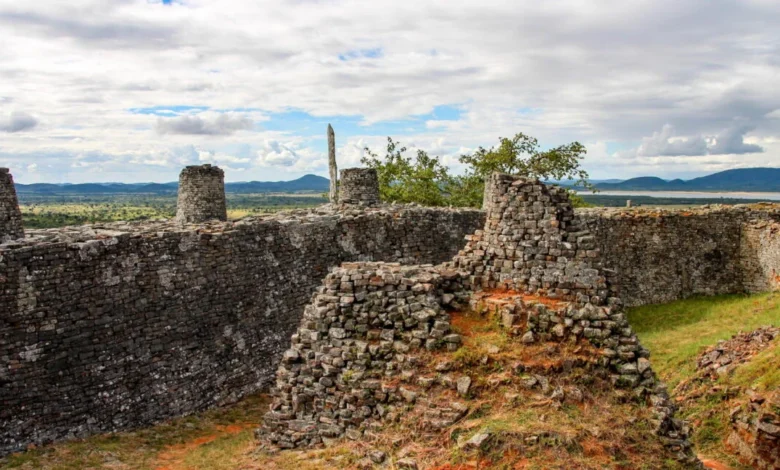
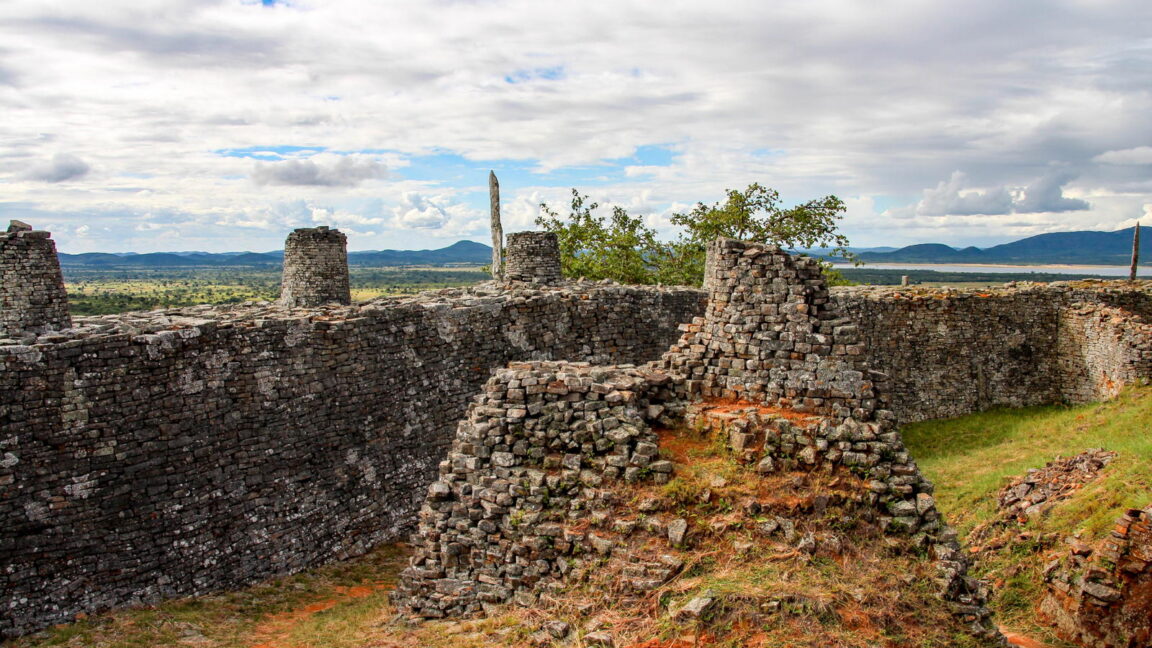
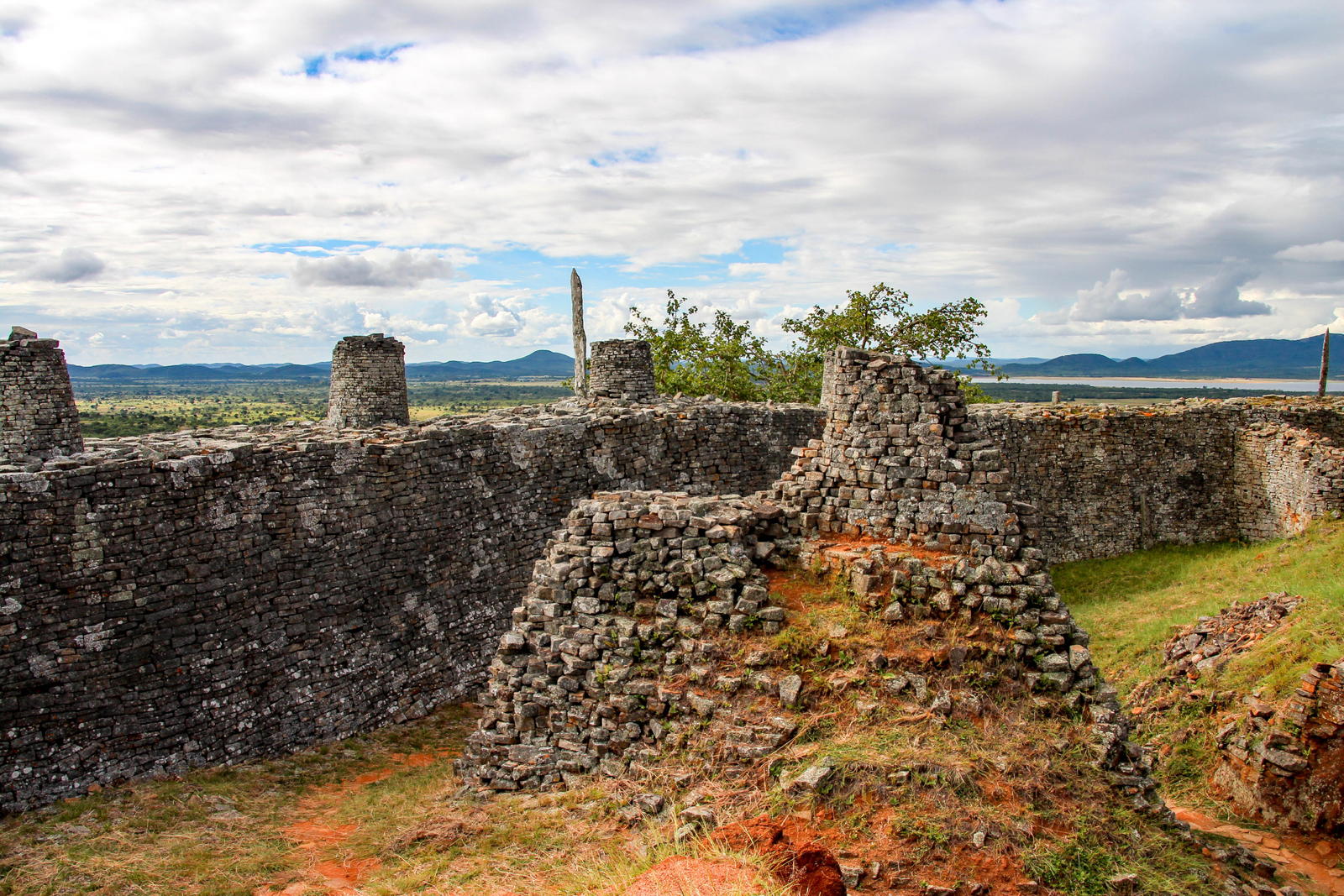
- The Great Divergence (2,500–1,500 years ago): Upon reaching the southern fringes of the rainforest, the migration split into two primary streams: one heading east toward the Great Lakes region and the Indian Ocean coast, and another moving south into Angola and toward the southern tip of the continent. By 1000 AD, these populations had established sophisticated, state-level societies, including the civilization that built Great Zimbabwe.
Archaeological and Genetic Evidence
For decades, the "Bantu expansion" was primarily a hypothesis based on linguistic similarities. The realization that languages like Zulu in the south and Swahili in the east shared deep structural roots led 19th-century linguists to propose a common ancestral origin in West Africa. However, it was not until the late 20th and early 21st centuries that archaeological and genetic data provided the necessary verification to confirm a true migration rather than a mere cultural diffusion.
Genetic studies have been particularly transformative. A 2024 analysis of 1,763 African genomes confirmed a clear pattern of "isolation by distance," where genetic diversity among Bantu speakers is highest in West Africa and declines linearly as one moves further from the presumed homeland. This is a classic signature of a population expanding outward, experiencing "founder effects" at every stage of the journey.
Furthermore, the integration of archaeology has provided tangible proof of this movement. Excavations in the Congo River basin have unearthed pottery shards dating to 2,300–2,000 years ago that are stylistic precursors to ceramic traditions found further south and east. These artifacts, found in tandem with the remains of domesticated crops and iron-working tools, represent the physical footprint of the Bantu settlers as they transformed the landscape from nomadic foraging grounds to sedentary agricultural settlements.
The Mastery of Iron Metallurgy
Perhaps the most significant technological contribution of the Bantu expansion was the mastery of iron smelting. This innovation provided the tools necessary to clear forests for farmland and to defend territorial interests. At sites like the ancient capital of Great Zimbabwe, which flourished between 1000 and 1700 AD, archaeologists have discovered the remains of massive furnaces.
These furnaces were not merely rudimentary pits; they were sophisticated, naturally ventilated systems capable of reaching temperatures exceeding 2,100° Fahrenheit. Archaeometallurgist Ezekiel Mtetwa of the Field Museum of Natural History has highlighted the efficiency of these structures, which utilized a chimney-effect design to suck in air without the need for human-operated bellows. This innovation allowed for the mass production of hoes, axes, and arrowheads, providing a massive economic and military advantage to Bantu-speaking kingdoms. Interestingly, evidence suggests that these smelters may have even introduced calcium-rich bone fragments into the ore, a practice that likely served a ritualistic purpose while simultaneously acting as a flux to improve iron purity—a testament to the high level of technical knowledge maintained by these societies.
Interaction and Synthesis: The Human Element
The expansion of Bantu speakers was not a vacuum-sealed event; it involved complex interactions with existing Indigenous groups, such as the rainforest hunter-gatherers of Central Africa and the Khoisan peoples of Southern Africa. Genetic analysis has revealed significant intermixing between these groups.
In many cases, this mixing followed a specific demographic pattern. DNA studies on Southern African Bantu speakers show that while the Y-chromosome (paternal) lineage is predominantly Bantu, the mitochondrial DNA (maternal) shows a much higher proportion of Khoisan ancestry. Researchers suggest this may reflect historical power dynamics, such as the preferential marriage of Bantu men to Khoisan women. This fusion also impacted the linguistic landscape; the distinct "click" sounds found in Khoisan languages were integrated into Bantu languages like Zulu and Xhosa, serving as a lasting phonetic echo of that ancestral interaction.
Broader Implications and Ongoing Research
The study of the Bantu expansion is currently in a state of rapid evolution. As geneticists like Sandra Beleza and archaeological scientists like Shadreck Chirikure continue to bridge the gaps between disciplines, the "clean" narrative of a simple, linear migration is being replaced by a more complex understanding of "spread over spread" events.
However, the field faces significant challenges. Research funding remains heavily skewed toward Western institutions, often leaving local researchers in African nations with limited resources to conduct large-scale excavations or high-resolution genomic sequencing. Furthermore, the reliance on linguistic trees assumes a degree of isolation that may not have existed, as recent studies have suggested that extensive cross-pollination between languages occurred whenever groups met and traded.
The implications of this research extend far beyond history. By understanding the origins and the migratory patterns of the Bantu, we gain a deeper appreciation for the demographic foundations of modern Africa. The immense cultural diversity seen today—the vibrant mix of food, philosophy, music, and social organization—is the direct result of these ancient migrations.
As noted by archaeologist Décio Muianga, the Bantu migration created a unique mosaic of human history. The "Bantu package" of agriculture and metallurgy, when combined with the existing knowledge of local hunter-gatherers and the subsequent trade networks that connected Africa to the Indian Ocean and beyond, formed the bedrock of sub-Saharan civilization.
Future research is expected to focus heavily on the analysis of ancient DNA from human remains. By moving beyond modern genetic samples and looking directly at the biological data of the people who lived through the expansion, scientists hope to pinpoint the exact timing and nature of these population movements. While many mysteries remain, the collaborative efforts of linguists, geneticists, and archaeologists are successfully illuminating one of the most consequential chapters in human history, proving that the Bantu expansion was not just a movement of people, but the foundational event that forged the modern African identity.