CNN Political Briefing Navigating a Shifting American Political Landscape Through the Eyes of Insiders and Key Players

The modern American political ecosystem is experiencing a period of profound transformation, marked by intense legislative gridlock, shifting party alignments, and high-stakes electoral contests at both the local and national levels. At the center of this dynamic environment is the CNN Political Briefing podcast, hosted by CNN Political Director David Chalian. Through candid interviews with lawmakers, veteran strategists, and seasoned journalists, the program serves as a critical audio archive documenting the turbulent political climate leading up to the 2026 midterm elections. From the halls of Congress to the mayoral races of major metropolitan areas, the podcast has systematically unpacked the structural and ideological fractures shaping the future of both major political parties.
Navigating Congressional Friction and Leadership Crises
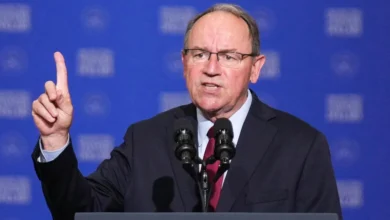
The legislative branch has faced extraordinary turmoil, characterized by historic government shutdowns, intense intra-party debates, and mounting frustration with congressional leadership. A prominent example of this internal Republican friction was highlighted when California Republican Representative Kevin Kiley appeared on the program to offer a blunt critique of House leadership, stating that Speaker Mike Johnson had failed to lead effectively during a critical juncture for the party. Rep. Kiley’s remarks underscored a deeper vibe shift within the GOP conference as lawmakers prepare for the 2026 midterms while simultaneously anticipating a future political landscape beyond the tenure of Donald Trump.
Compounding these national tensions, the federal government found itself paralyzed by prolonged funding standoffs. The resulting government shutdowns ignited fierce blame games between Republicans and Democrats, each seeking to leverage the fiscal impasse for electoral advantage. Representatives from opposing sides of the aisle—such as Democratic Congressman Ro Khanna of California, progressive strategist voices, and battleground Republicans like Representative Mike Lawler—offered competing narratives regarding negotiation parameters and strategic miscalculations. Meanwhile, Democratic Congressional Campaign Committee Chair Suzan DelBene outlined the party’s strategic blueprint to recapture the House majority in 2026, framing the legislative battles as a referendum on Republican governance.
Electoral Upheavals and the Battle for Local Power
Beyond Washington, local and regional elections in late 2025 demonstrated the growing influence of progressive movements and the enduring challenges faced by traditional party structures. The New York City mayoral race drew intense national scrutiny, highlighting the dramatic rise of Zohran Mamdani. Once a relatively obscure state assemblyman, Mamdani’s successful campaign fundamentally rewrote the political playbook in Gotham, capturing the imagination of progressive voters and securing a prominent platform on the national stage.
Political analysts and anchors, such as Spectrum News NY1 Political Anchor Errol Louis, noted that Mamdani’s victory signaled a generational and ideological shift within urban Democratic politics. Meanwhile, veteran Republican standard-bearer Curtis Sliwa mounted a challenging campaign in a city where registered Democrats outnumber Republicans by a margin of six to one. Facing pressure from establishment figures and competing against a crowded field that included former New York Governor Andrew Cuomo, Sliwa’s run underscored the steep uphill battle faced by the GOP in America’s largest municipalities.
Simultaneously, key gubernatorial and legislative elections in states like New Jersey and Virginia served as bellwethers for the national mood. CNN correspondents Jeff Zeleny and Eva McKend provided extensive on-the-ground reporting during the final stretches of these campaigns, offering voters a granular look at the issues driving turnout—ranging from economic affordability to local governance.
The MAGA Movement at a Crossroads and Historical Legal Precedents

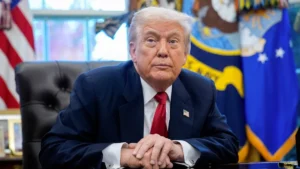
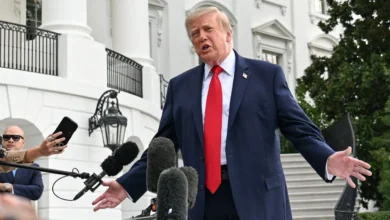
At the executive and presidential levels, observers have closely monitored the evolving relationship between Donald Trump and his core MAGA base. Discussions featuring political journalist Jonathan Martin of POLITICO examined whether rare cracks in the president’s coalition—exemplified by policy reversals on sensitive transparency issues such as the Epstein files—might signal the onset of a lame-duck political environment. Critics and supporters alike debated whether the administration’s heavy emphasis on foreign affairs had inadvertently overshadowed pressing domestic concerns regarding consumer prices and economic affordability.
Concurrently, the American justice system navigated unprecedented territory. The prosecution of former FBI Director James Comey represented an extraordinary chapter in modern political and legal history. Legal analyst and former federal prosecutor Elie Honig, author of When You Come at the King: Inside DOJ’s Pursuit of the President, From Nixon to Trump, joined the program to contextualize the Comey case within the broader historical framework of executive power and Department of Justice investigations.
Chronology of Key Political Developments (Fall 2025)
September 2025: Washington braces for an impending fiscal standoff, with Democratic and Republican congressional leadership staking out rigid positions ahead of a potential government shutdown. DCCC Chair Suzan DelBene outlines the Democratic strategy for the 2026 midterms.
Early October 2025: A government shutdown becomes reality, triggering a high-stakes messaging war. Battleground Republicans like Rep. Mike Lawler argue that Democrats committed a strategic error, while progressive lawmakers like Rep. Ro Khanna outline non-negotiable party priorities. Legal scholars also analyze the historical implications of the James Comey prosecution.
Late October 2025: The 2025 election cycle enters its final stretch. In New York City, Republican candidate Curtis Sliwa campaigns against long odds, while progressive insurgent Zohran Mamdani reshapes the city’s political dynamics. CNN correspondents track high-profile races in New Jersey and Virginia.
November 2025: Election day results yield significant Democratic victories and major shifts in municipal leadership, notably Mamdani’s historic mayoral win in New York City. Former Virginia Governor Terry McAuliffe assesses the implications of the resolved government shutdown and offers a roadmap for the Democratic Party’s future. Concurrently, analysts examine emerging friction points between President Trump and the MAGA base regarding economic focus and transparency issues.
December 2025: House Republicans grapple with internal dissent. Rep. Kevin Kiley publicly critiques Speaker Mike Johnson’s leadership, illuminating broader anxiety and realignment within the GOP conference as members look toward the 2026 midterms and a post-Trump political era.
Broader Impact and Strategic Implications
The events and dialogues captured through this period reflect an American political system in transition. The intersection of legislative gridlock, evolving voter coalitions in urban centers, and internal ideological debates within both major parties suggests that the traditional rules of engagement are being rewritten. For Republicans, the challenge lies in maintaining party cohesion and addressing voter anxieties over economic fundamentals while navigating leadership transitions. For Democrats, the path forward involves capitalizing on localized progressive momentum—as demonstrated in New York City—while formulating a cohesive national message capable of winning back legislative majorities in the upcoming midterm elections. As David Chalian and his guests have demonstrated, understanding these shifts requires looking beyond partisan talking points to examine the structural forces reshaping governance in the United States.