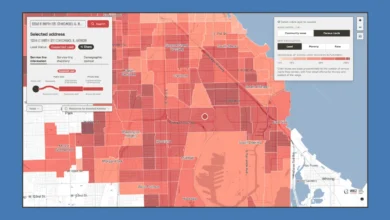
A catastrophic convergence of climate phenomena has placed the global population at unprecedented risk, with new projections from the Climate Impact Lab estimating that the current super El Niño event will lead to more than 450,000 additional heat-related deaths by February 2027. This staggering figure represents an excess mortality rate beyond what would be expected under historical temperature baselines, highlighting the lethal intersection of a natural climate cycle and a planet already destabilized by anthropogenic global heating.
The research, which employs a peer-reviewed methodology tracking the correlation between temperature spikes and mortality across 24,378 distinct global regions, paints a harrowing picture of the next six months. While the scientific community has long understood the mechanics of El Niño, the current iteration—described by some climatologists as a "Godzilla-level" event—has already shattered temperature records months before its typical peak intensity.
The Mechanics of a Super El Niño
El Niño is a natural climate pattern characterized by the warming of surface waters in the central and eastern Pacific Ocean. These events typically exert a profound influence on global weather, disrupting precipitation patterns, intensifying droughts, and exacerbating heatwaves. However, the 2026 event is unfolding against a significantly warmer baseline than its predecessors.
Since the industrial revolution, the combustion of fossil fuels has increased global average temperatures by approximately 1.2 to 1.3 degrees Celsius. When an El Niño occurs in this context, it acts as a force multiplier. The current event has reached energy-redistribution levels that effectively provide a preview of the climate conditions expected in the mid-2040s. This "postcard from the future" demonstrates that the threshold for extreme heat is lowering, making once-rare temperature spikes a recurring, seasonal reality.
Chronology of the Crisis
The current trajectory began to materialize in early 2026, as ocean surface temperatures in the Pacific began a rapid ascent. By June 2026, regions such as northern India experienced extreme heatwaves, with temperatures reaching lethal levels for vulnerable populations. The following timeline outlines the progression of this climate emergency:
- June 2026: Initial localized heatwaves in South Asia and parts of the Sahel trigger a spike in excess mortality.
- August 2026: European nations report at least 35,000 excess deaths following back-to-back heatwaves, signaling that the phenomenon is not limited to the global south.
- September 2026: Global temperature records for El Niño are officially shattered. Scientists confirm the "super" status of the event, with projections indicating a sustained period of anomalous heat lasting through the winter months.
- October 2026 – February 2027: The anticipated peak of the event, during which the majority of the projected 450,000 excess deaths are expected to occur.
- June – July 2027: Expected dissipation of the acute heat-death surge, though the residual effects on food security and infrastructure are projected to linger.
Global Distribution of Risk
The geographic impact of this climate event is uneven, disproportionately affecting tropical and subtropical nations. According to the Climate Impact Lab, the countries facing the highest risk include Nigeria, Indonesia, Sudan, India, and Brazil. These nations often grapple with limited public health infrastructure, high outdoor labor participation, and limited access to reliable cooling technologies.
The United States is not immune to these shifts. With 3,500 projected additional heat-related deaths, the U.S. ranks within the top 20 most affected nations. This underscores the reality that even developed economies with robust medical systems are vulnerable when temperature anomalies exceed the design capacity of urban heat-mitigation strategies.
Implications for Public Health and Policy
The scale of the projected mortality has prompted urgent calls for immediate intervention. Michael Greenstone, co-founder of the Climate Impact Lab and a professor at the University of Chicago, emphasized that these numbers, while mathematically overwhelming, represent individual lives.
"The estimate of 451,000 people is such a large number that it can be numbing, but it is made up of parents and children, grandparents and neighbors," Greenstone noted. The research suggests that the path to reducing this toll lies in proactive adaptation. Key policy recommendations include:
- Early Warning Systems: Utilizing high-resolution meteorological data to issue heat alerts at the municipal level.
- Infrastructure Adaptation: The rapid deployment of publicly accessible, air-conditioned cooling centers.
- Labor Protections: Implementing mandatory hydration breaks and work-stoppage protocols for outdoor industries during peak heat hours.
- Medical Surge Capacity: Pre-positioning medical supplies and increasing staffing levels in hospitals to manage the inevitable influx of patients suffering from heatstroke and cardiovascular stress.
The Looming Crisis of Food Insecurity
Beyond direct thermal stress, the El Niño event poses a significant threat to global food security. The World Food Programme has warned that the drought-inducing effects of the current cycle could push approximately 50 million people into acute hunger.
Historically, such events have served as catalysts for famine. The 1877-1878 El Niño, one of the most severe on record, resulted in the deaths of an estimated 50 million people across India, China, and Brazil due to systemic crop failure and subsequent famine. While modern agricultural technology and global trade have mitigated some of these risks, the sheer scale of the current weather disruption threatens to destabilize global commodity markets and drive food prices to levels that are unaffordable for the world’s most vulnerable populations.
Expert Perspectives and Scientific Consensus
The scientific community is in broad agreement regarding the anthropogenic influence on the current crisis. Dr. Friederike Otto of Imperial College London has highlighted the danger of viewing this El Niño as a standard, isolated occurrence.
"The event is a huge redistribution of energy in the climate system and is dangerous, because it is unfolding on top of a much warmer, human-influenced climate system," Dr. Otto stated. Her analysis points to a grim reality: while the El Niño cycle will eventually conclude, the baseline temperature of the planet continues to rise. Without a cessation of fossil fuel reliance, the frequency and intensity of these heat events will continue to escalate, rendering current emergency response models obsolete.
A Call for Structural Transformation
The "emergency response" mindset currently adopted by many governments is viewed by researchers as a temporary fix for a permanent problem. Tamma Carleton, a co-author of the study from the University of California, Berkeley, stressed the importance of long-term planning.
"Increasing emergency response and better targeting our efforts can save many lives this year," Carleton stated. "But 20 years from now, once today’s extreme temperatures become the new normal, we don’t want to be in a constant state of emergency. We need to mobilize now to design, deploy, and evaluate the tools that will save lives in the years ahead."
This perspective shifts the conversation from merely managing the symptoms of a heat-stressed world to addressing the underlying causes. The data released by the Climate Impact Lab is intended to be a foundational document for policymakers, providing them with the necessary evidence to prioritize investments in climate-resilient infrastructure. As the global community moves toward the February 2027 peak of this super El Niño, the efficacy of these interventions will determine the survival of hundreds of thousands of people. The report, despite its impending submission to a peer-reviewed journal, was released early due to the perceived moral imperative to act before the worst of the heat takes hold.
Related posts: