Jon Watts Tapped to Direct New Star Wars Trilogy as Lucasfilm Expands the Skywalker Saga

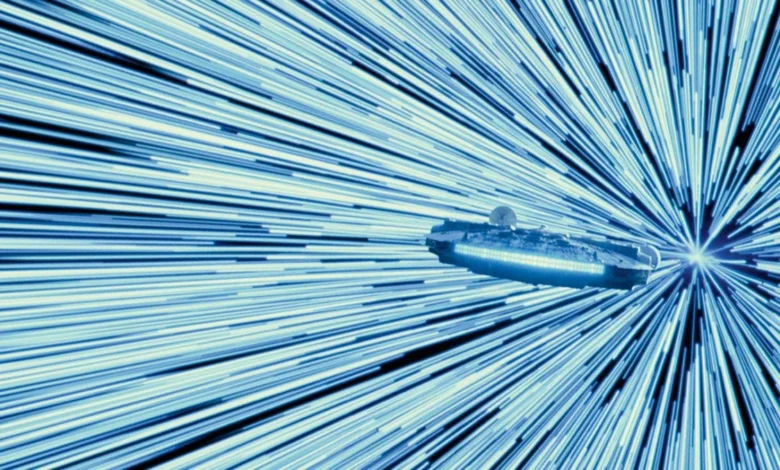
The future of the Star Wars cinematic universe is beginning to take a more definitive shape as Lucasfilm enters a new phase of production. Following the successful development of upcoming projects, reports have confirmed that director Jon Watts, best known for his stewardship of the Marvel Cinematic Universe’s Spider-Man trilogy, is in talks to helm the first installment of a new, sprawling trilogy penned by screenwriter Simon Kinberg. This ambitious project, which aims to serve as the narrative successor to the original Skywalker Saga, represents a significant strategic shift for Lucasfilm as it balances its theatrical release schedule with a decade of accumulated television and streaming content.
The involvement of Watts comes at a pivotal moment for the franchise. As the studio prepares for the release of Star Wars: Starfighter—a project directed by Shawn Levy and headlined by Ryan Gosling—the news of a new trilogy underscores a commitment to long-form storytelling that reaches beyond the conclusion of the 2019 Episode IX: The Rise of Skywalker. While the studio has maintained its tradition of silence regarding active development, industry insiders suggest that the Kinberg-led project has emerged as the most viable candidate for the next major theatrical expansion following Starfighter.
The Evolution of the Skywalker Saga
The term "Skywalker Saga" has long served as the backbone of the Star Wars brand, encompassing the episodic journey of the Skywalker family across nine films released between 1977 and 2019. By categorizing the new trilogy as a continuation of this legacy, Lucasfilm is signaling a return to the thematic core that originally defined the franchise.
Central to this new narrative arc is the character of Rey Skywalker, portrayed by Daisy Ridley. While details regarding her specific role remain under strict embargo, her inclusion is intended to anchor the new films within the established history of the galaxy, bridging the gap between the legacy of the Jedi Order and the challenges of a new era. The potential for an Episode X has been a subject of intense speculation since the conclusion of the sequel trilogy, and the current development track indicates that Lucasfilm is moving toward a structure that rewards long-term audience investment.
Jon Watts: A Proven Hand for Blockbuster Scale
Jon Watts’ trajectory toward the director’s chair of a Star Wars production is a study in professional reliability within the high-stakes environment of modern Hollywood. After gaining critical recognition for his indie thriller Cop Car, Watts was selected by Marvel Studios and Sony Pictures to oversee the reboot of the Spider-Man franchise. His work on Spider-Man: Homecoming (2017), Far From Home (2019), and No Way Home (2021) demonstrated a unique capacity to manage massive visual effects, intricate character arcs, and the expectations of a global, multi-generational fan base.
Watts’ transition into the Star Wars ecosystem began with the 2024 series Skeleton Crew. As a co-creator and co-writer, he helped introduce an "Amblin-esque" tone—evocative of 1980s adventure cinema—to a franchise that had previously leaned heavily on space opera tropes. By directing two episodes of the series, Watts demonstrated that he could adapt his visual language to the specific aesthetic constraints and technical requirements of the Star Wars universe, a factor that likely played a significant role in his selection for the new trilogy.
Strategic Context and Industry Landscape
The decision to pair Watts with Simon Kinberg is a calculated move by Lucasfilm to ensure narrative cohesion. Kinberg, a veteran writer and producer, has been developing the mystery trilogy concept since late 2024. His extensive history with large-scale franchises—most notably his tenure overseeing the X-Men film series—provides a layer of institutional knowledge that the studio is keen to leverage as it navigates the post-sequel landscape.
The current atmosphere at Lucasfilm is marked by a deliberate, measured approach to theatrical releases. Following the conclusion of the sequel trilogy, the studio pivoted heavily toward television, utilizing the Disney+ platform to flesh out the galaxy with series such as The Mandalorian, Andor, and Ahsoka. This shift allowed for experimentation with tone and genre, but it also created a hunger among fans for a return to the "event" cinema experience that once defined the brand.
With Starfighter slated for a May 27, 2027 release—exactly 50 years after the debut of the original Star Wars in 1977—the studio is clearly looking to commemorate its history while simultaneously building its future. The 50th-anniversary milestone is widely viewed as a symbolic turning point, and the positioning of a new trilogy suggests that Disney is preparing to lean into the nostalgic and commercial power of the franchise for the next decade.
Challenges in Production and Development
Despite the excitement surrounding these announcements, the path to a greenlit project is rarely linear. As noted by industry observers, the project remains in the development phase and has yet to receive final authorization from Disney executives. This is standard procedure for major tentpole films, where budget approval is contingent upon script finalization, production timelines, and market projections.
The franchise’s history with directorial changes is a well-documented narrative in trade publications. Lucasfilm has previously parted ways with high-profile filmmakers due to "creative differences," a euphemism often used to describe the tension between auteur-driven visions and the strict corporate mandates of a massive intellectual property. Watts, however, is perceived as a director who operates well within the framework of collaborative, studio-led environments. His ability to work alongside Kevin Feige at Marvel Studios is seen as a primary indicator of his fitness for the Lucasfilm production model.
Furthermore, the recent performance of major franchise films—including Watts’ own Wolfs, which saw a truncated theatrical release under Apple—serves as a reminder that the theatrical landscape has fundamentally changed. Audiences are increasingly selective, and the pressure on Lucasfilm to deliver a product that justifies a premium ticket price is higher than ever.
Implications for the Star Wars Galaxy
The potential for a new trilogy serves several strategic purposes:
- Narrative Continuity: By focusing on the Skywalker legacy, the studio ensures a clear connection to the films that generated the most significant cultural impact, thereby lowering the barrier to entry for casual viewers.
- Brand Rejuvenation: The introduction of new, distinct directorial voices like Watts provides a necessary infusion of energy, helping to distinguish the new films from the television series currently occupying the Star Wars airwaves.
- Cross-Media Synergy: The ability to integrate characters from existing series into the new film trilogy allows Lucasfilm to reward viewers who have remained engaged with the Disney+ content, creating a more unified and cohesive narrative universe.
Conclusion and Looking Forward
While Lucasfilm remains characteristically tight-lipped regarding the specifics of the deal, the leak—initially reported by Knight Edge Media—has confirmed a direction that many in the industry suspected was inevitable. As the franchise approaches its half-century mark, the focus is shifting from a period of intense experimentation to a phase of consolidation and growth.
The combination of Jon Watts’ proven track record in managing complex, high-budget narratives and Simon Kinberg’s experience in franchise architecture provides a stable foundation for the project. Whether this trilogy will succeed in recapturing the cultural zeitgeist of the early Skywalker films remains to be seen, but the intent is clear: Lucasfilm is positioning itself for a new era of theatrical dominance. As the 2027 deadline for Starfighter approaches, the industry will be watching closely to see if the development of this new trilogy can mirror the success of its predecessors while carving out a unique identity in the ever-evolving landscape of modern cinema.
Related posts: