Senate Bipartisan Group Nears Landmark Energy Permitting Reform Amid Surging Power Demand and Political Hurdles

As lawmakers on Capitol Hill prepare to leave Washington for the upcoming midterm election campaigns, a bipartisan coalition of senators is engaged in intense, last-minute negotiations to finalize a landmark energy permitting reform bill. Analysts and industry stakeholders widely view this legislative push as critical to addressing the United States’ rapidly escalating power needs.
For years, the nation’s outdated and labyrinthine federal permitting process has acted as a profound bottleneck for energy development. Complicated environmental impact studies, lengthy bureaucratic reviews across multiple federal agencies, and persistent legal challenges from environmental advocacy groups and local opponents have routinely delayed energy projects of all kinds. Now, compounding pressures—driven by an unprecedented surge in electricity demand, the rapid expansion of artificial intelligence data centers, and broader economic shifts—have injected a renewed sense of urgency into Capitol Hill.
The Convergence of Power Demands and the Permitting Bottleneck
The modern American electrical grid is facing a dual transformation. Even before the recent explosion of the tech industry’s data center footprint, electricity demand in the United States had begun ticking upward as consumers steadily electrified their households. The widespread adoption of heat pumps, high-efficiency electrical appliances, and electric vehicles has fundamentally shifted energy consumption profiles. Furthermore, federal policy initiatives aimed at bringing advanced manufacturing back to domestic soil require a stable, abundant, and reliable supply of industrial power.
However, the rapid build-up of data centers to support generative artificial intelligence and cloud computing has dramatically accelerated this demand curve. These facilities require immense, continuous blocks of power, straining local grids and supply chains alike.
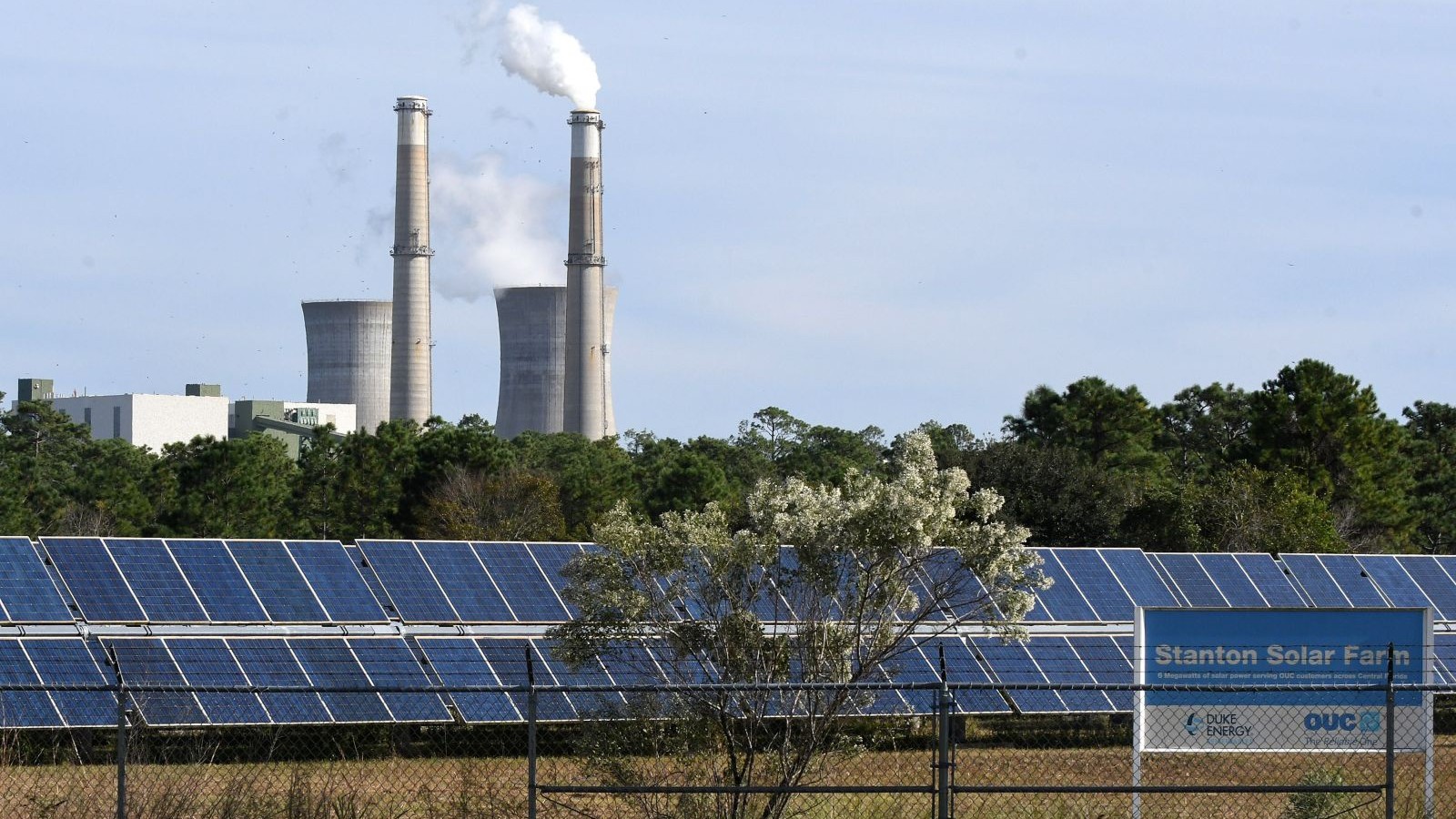
According to projections from the U.S. Energy Information Administration (EIA), solar power and battery storage systems are expected to account for nearly 80 percent of all new power generation capacity built in the United States. Simultaneously, natural gas remains the single largest source of electricity generation, with its usage projected to grow significantly over the next decade as a primary fuel source for data-hungry tech infrastructure.
Industry leaders argue that without structural reform to the permitting process, the nation cannot build the transmission lines, pipelines, and generation facilities required to keep pace. Tim Pawlenty, president of the Solar Energy Industry Association, bluntly characterized the situation, stating that the country’s energy pipeline would remain severely constrained without legislative intervention.
Legislative Chronology and Past Failures
Lawmakers have attempted to overhaul federal energy permitting rules for years with varying degrees of success and failure. The most prominent recent legislative vehicle, the Energy Permitting Reform Act of 2024, managed to clear committee hurdles but ultimately stalled before reaching the full Senate floor for a vote.
Frustrated by previous legislative deadlocks, the highest-ranking members of both parties on the Senate’s two primary energy-related committees returned to the negotiating table. Over the summer and into the autumn, negotiations intensified. In August, Senator Marsha Blackburn (R-Tenn.) highlighted the growing momentum behind the effort, pointing to the introduction of the American Energy Mineral Infrastructure Act and the addition of numerous bipartisan co-sponsors.
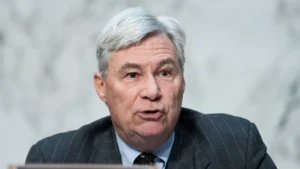
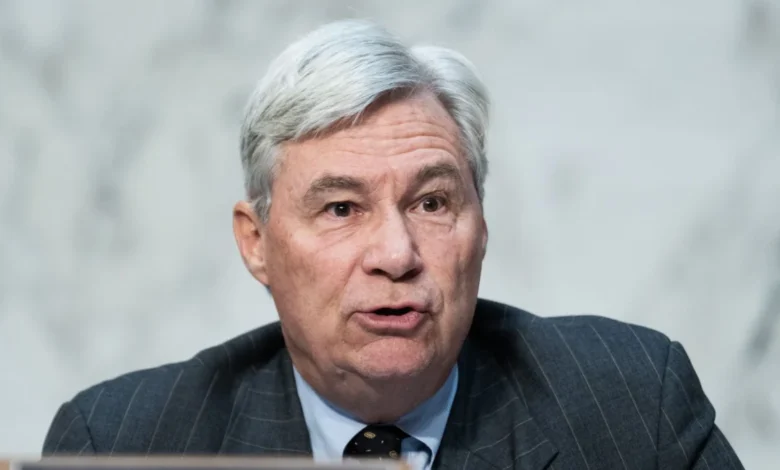
By September, negotiations had narrowed to a core group of four primary lawmakers, including Senator Sheldon Whitehouse (D-R.I.), the top Democrat on the Senate Environment and Public Works Committee. While the exact text of the draft bill has not been publicly released, stakeholders familiar with the negotiations anticipate that the legislation aims to streamline the permitting process through several key mechanisms:
- Reducing the scope of potential environmental and social impacts that federal agencies must evaluate when issuing permits.
- Loosening stringent requirements under the Clean Water Act and the Endangered Species Act that frequently stall the approval of interstate transmission lines and natural gas pipelines.
- Granting successfully issued permits stronger legal protections to shield them from protracted post-issuance litigation.
Political Divisions and the White House Factor
Despite broad bipartisan agreement that the current permitting apparatus is fundamentally broken, bridging the gap between Democrats and Republicans remains a delicate balancing act, further complicated by the looming midterm elections.
A major breakthrough occurred when President Donald Trump signaled a willingness to lift administrative roadblocks on renewable energy projects to entice Democrats to support the broader permitting package. However, lingering skepticism among congressional Democrats regarding the practical implementation of these promises has slowed final agreement.
During mid-September press briefings, Senator Whitehouse noted that while the administration’s stated direction was welcome, lawmakers required greater clarity regarding what a "return to regular order" for wind and solar projects would look like in practice. "In order to brief colleagues on what this really means, we need just a bit more clarity… so that’s still to be done, but I think that can happen in fairly short order," Whitehouse told reporters.
Concurrently, broader geopolitical anxieties have influenced the debate. Lawmakers from both parties, along with Trump administration officials and industry representatives speaking at Washington’s Clean Energy Week conference, repeatedly framed domestic energy build-out as a matter of national security and economic competitiveness. Proponents argue that restrictive bureaucratic hurdles risk ceding technological and economic dominance to adversaries like China. Senator Rick Scott (R-Fla.) asserted last month that while competitors abroad cut corners to advance, American energy independence remains handicapped by domestic red tape.
The Public Relations Challenge and Voter Sentiments
While lawmakers in Washington view permitting reform as an urgent necessity for grid reliability and economic growth, public opinion research reveals a complex political landscape.
Data centers, which sit at the center of the surging power demand equation, face severe public skepticism. According to polling data from Redbud Consulting, data centers represent a highly toxic subject for voters across the political spectrum. Strong majorities of Democrats, Republicans, and independents express deep opposition to the construction of large-scale data centers within their local communities.
Alex Lundry, president of Redbud Consulting, noted the acute messaging dilemma facing legislators who are up for reelection in November. "If you phrase permitting reform as serving data centers, the polling results get way worse," Lundry explained, adding that traditional arguments centered solely on competing with China have lost resonance with everyday voters.
Instead, public opinion research suggests that framing permitting reform around consumer costs and clean energy expansion yields significantly more favorable public responses. A September poll conducted by Redbud found that 71 percent of respondents viewed increasing the share of renewable energy in the national supply as the correct path forward. Furthermore, with 70 percent of Americans reporting increased energy bills over the past year, cost-of-living concerns remain paramount.
Reflecting this public anxiety, legislative activity in the House of Representatives has focused heavily on consumer protections. Shortly before Senate negotiations reached their peak, the House passed legislation encouraging states to require data centers to independently fund their own electricity generation, thereby shielding ordinary ratepayers from soaring utility bills. That measure has since faced procedural hurdles in the Senate, where some Democrats argue it does not go far enough.
Implications and Outlook
The failure of Senate negotiators to finalize and pass the permitting reform bill prior to the congressional recess means the legislative battle will likely resume after the midterm elections.
The political calculus moving forward remains highly volatile. The ultimate fate of the permitting package will depend heavily on the outcome of the midterms, which could alter the balance of power in Congress and reshape legislative priorities for the remainder of the presidential term.
Whether lawmakers can successfully reconcile the competing demands of Big Tech, renewable energy developers, fossil fuel industries, and wary voters will determine not only the future of American energy infrastructure, but also the nation’s capacity to meet the unprecedented electricity demands of the digital and industrial economy.