Waymo Robotaxi Service in San Francisco Resumes After Temporary Pause Amidst Widespread Power Outage

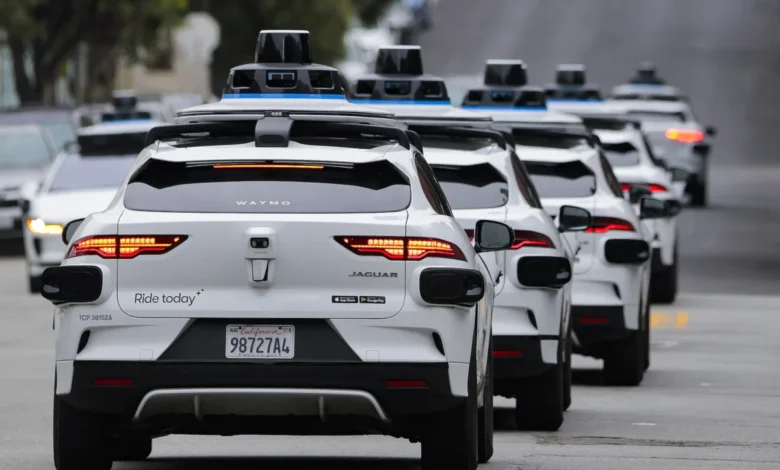
Waymo, the autonomous vehicle subsidiary of Alphabet Inc., announced the resumption of its robotaxi services in San Francisco after implementing "temporary adjustments" due to a significant power outage that impacted approximately 7,000 PG&E customers across the city. The disruption, which occurred on the afternoon of July 18, 2026, highlighted ongoing concerns regarding the resilience of autonomous vehicle operations in the face of urban infrastructure failures and has reignited calls for more robust regulatory frameworks governing the nascent industry.
The incident began around midday, with initial reports indicating a substantial power disruption affecting various districts within San Francisco. PG&E, the primary utility provider for the region, confirmed an outage impacting thousands of customers, leading to widespread power losses and potential disruptions to traffic signals and communication networks. As the outage unfolded, Waymo promptly informed its San Francisco customers of a "temporarily paused" service, with an additional notification that "freeway routes are unavailable." This immediate operational shift underscored the company’s protocol for managing unforeseen environmental challenges.
Chronology of the July 18, 2026 Incident
The sequence of events on July 18, 2026, unfolded rapidly, demonstrating both the swift response capabilities of autonomous service providers and the inherent vulnerabilities when relying on external infrastructure:
- 12:30 PM PDT: The power outage in San Francisco begins, affecting an estimated 7,000 PG&E customers across various neighborhoods. The exact cause of the outage was not immediately disclosed but is believed to be related to local grid infrastructure.
- Shortly After Outage Commencement: Waymo’s internal monitoring systems detect the widespread power disruption. In response, the company initiates its protocol for operational adjustments during adverse conditions.
- Customer Notifications Issued: Waymo dispatches notifications to its San Francisco users via its app and other communication channels, advising them of a temporary pause in service and the unavailability of freeway routes. Screenshots of these notifications quickly circulate on social media platforms, drawing public attention to the impact on autonomous transit.
- Waymo’s Initial Statement: When approached for comment by TechCrunch, a Waymo spokesperson confirmed the "temporary adjustments" to their service, stating, "We are making temporary adjustments to our service while we monitor local conditions. We know riders depend on us, and we will return to normal operations as soon as possible." This statement emphasized the company’s commitment to rider safety and operational stability.
- Assessment and Coordination: According to a later update from Waymo, the company paused service for approximately one hour. This critical period was utilized to "assess the scale of the power outage affecting a large portion of San Francisco and coordinate with local officials." Such coordination is vital to ensure that autonomous vehicles do not exacerbate existing traffic issues or impede emergency response efforts during city-wide disruptions.
- Service Resumption: Following the one-hour assessment and presumably, a clearer understanding of the outage’s scope and expected duration, Waymo confirmed the resumption of its robotaxi services. The precise time of full resumption was not detailed, but it signaled the company’s confidence in its ability to operate safely despite the lingering power issues in certain areas.
Background Context: Waymo’s Operations and Previous Incidents in San Francisco
San Francisco has emerged as a crucial testing ground and operational hub for Waymo, alongside Phoenix and Los Angeles. The city’s complex urban environment, diverse road conditions, and dense population offer an unparalleled challenge and opportunity for refining autonomous driving technology. Waymo launched its fully driverless commercial service in San Francisco in late 2022, gradually expanding its operational design domain (ODD) to cover significant portions of the city, including its intricate network of streets, hills, and dynamic traffic patterns. The service has seen considerable adoption, with thousands of rides completed weekly, demonstrating the growing public appetite for autonomous mobility solutions.
However, the path to widespread acceptance and seamless integration has not been without its hurdles. The July 18 power outage is not an isolated incident; rather, it adds to a growing list of operational challenges Waymo and other autonomous vehicle operators have encountered during urban disruptions.
Notably, Waymo experienced significant service interruptions during a city-wide blackout in December of the previous year (2025). During that event, a number of Waymo vehicles reportedly stalled on city streets, creating minor traffic obstructions and raising questions about their fail-safe mechanisms during unexpected infrastructure failures. Similarly, a separate incident during a Fourth of July fireworks show led to autonomous vehicles becoming paralyzed, further exacerbating traffic congestion and drawing criticism from city officials and the public. These prior events underscore a recurring theme: while autonomous vehicles excel in predictable conditions, their performance in unpredictable, infrastructure-compromised scenarios remains a critical area for development and regulatory oversight.
Supporting Data and Broader Implications

The recent outage affecting 7,000 PG&E customers represents a significant disruption for a major metropolitan area. For context, PG&E serves over 16 million people across Northern and Central California, and even localized outages can have cascading effects on traffic, commerce, and daily life. The economic impact of power outages can be substantial, with studies by institutions like the Lawrence Berkeley National Laboratory estimating billions of dollars in losses annually due to disruptions in electricity supply. For businesses, even a temporary loss of power can mean lost sales, spoiled goods, and operational downtime. For residents, it can mean disrupted routines, safety concerns, and reliance on alternative power sources.
The autonomous vehicle industry, projected to reach a global market size of hundreds of billions of dollars by the end of the decade, is heavily reliant on robust digital and physical infrastructure. Waymo, as a leader in this space, operates a fleet of vehicles equipped with an array of sensors—Lidar, radar, cameras—and sophisticated AI processing units that require consistent power and connectivity. While individual vehicles possess internal power systems, their ability to navigate and communicate effectively can be compromised if critical external signals (like traffic lights or GPS satellites) are affected by widespread power failures.
The continued occurrence of such incidents raises fundamental questions about the "smart city" concept and the integration of advanced technologies into existing, often aging, urban infrastructure. As cities become increasingly reliant on interconnected systems, the resilience of these systems to disruptions—whether from natural disasters, cyberattacks, or simple equipment failures—becomes paramount.
Official Responses and Regulatory Scrutiny
The recurring nature of these operational issues has not gone unnoticed by local authorities. San Francisco Mayor Daniel Lurie has been a vocal proponent for stricter oversight of autonomous vehicle operations, especially in emergency or disruptive scenarios. Following the December 2025 blackout and the July 4th incident, Mayor Lurie publicly called for tougher state regulations. His stance emphasizes the need for rules that "adequately address how autonomous vehicles operate during major incidents, planned or not." This reflects a broader concern among city leaders about the potential for autonomous fleets to inadvertently complicate emergency responses or create additional hazards during crises.
While Waymo consistently emphasizes its commitment to safety and collaboration with local authorities, these incidents inevitably draw increased scrutiny from regulatory bodies such as the California Public Utilities Commission (CPUC) and the Department of Motor Vehicles (DMV), which are responsible for permitting and overseeing autonomous vehicle testing and deployment in the state. The CPUC, in particular, has been actively involved in debates surrounding the expansion of robotaxi services, often balancing innovation with public safety and operational reliability. Incidents like the recent power outage provide concrete evidence for regulators to consider when evaluating existing permits or crafting new guidelines for autonomous vehicle operations in adverse conditions. The dialogue between AV companies and regulatory bodies is dynamic, with each incident potentially shaping future policies regarding fail-safe protocols, communication requirements during emergencies, and the scope of operational domains.
Broader Impact and Future Implications
The temporary pause of Waymo’s robotaxi service due to a power outage, while seemingly minor in isolation, carries significant implications for the future of autonomous mobility in urban environments.
- Public Trust and Perception: Each incident, regardless of its severity, can erode public trust in autonomous technology. For widespread adoption, the public needs to be confident that these vehicles are not only safe in ideal conditions but also robust and reliable when infrastructure falters or unexpected events occur. Transparency from AV companies and proactive engagement with public concerns are crucial for maintaining confidence.
- Technological Resilience: The incidents underscore the need for autonomous systems to possess advanced resilience capabilities. This includes not only robust on-board power and processing but also sophisticated algorithms that can adapt to missing or erroneous external data (e.g., non-functional traffic lights, degraded GPS signals). Developing fail-operational systems that can safely degrade performance or navigate to a safe stop without external assistance during a major outage is a key engineering challenge.
- Regulatory Evolution: The evolving landscape of autonomous vehicles necessitates a dynamic regulatory framework. Traditional transportation laws may not adequately address the complexities of autonomous operations, particularly concerning their interaction with urban infrastructure and emergency services. Future regulations may need to mandate specific protocols for AVs during power outages, communication failures, or natural disasters, ensuring they do not become liabilities in crisis situations. This could include requirements for remote human supervision capacity, pre-defined safe harbor locations, or even temporary operational cessation in severely compromised areas.
- Infrastructure Investment: The integration of autonomous vehicles may also accelerate the need for investment in smarter, more resilient urban infrastructure. This could involve enhanced grid modernization, smart traffic signal systems capable of operating during power outages, and more robust communication networks that AVs can rely upon. The synergy between autonomous technology and urban infrastructure development will be critical for the sustainable growth of smart cities.
- Competitive Landscape: For Waymo and its competitors, demonstrating superior reliability in challenging conditions will be a key differentiator. Companies that can effectively mitigate risks associated with infrastructure failures will likely gain a competitive advantage and greater regulatory approval for broader deployment.
In conclusion, Waymo’s temporary service pause in San Francisco due to a power outage serves as a potent reminder that while autonomous vehicle technology is rapidly advancing, its seamless integration into complex urban ecosystems is contingent upon the resilience of both the vehicles themselves and the surrounding infrastructure. The incident reinforces Mayor Lurie’s calls for comprehensive regulatory frameworks and highlights the ongoing need for AV developers, city planners, and utility providers to collaborate closely to ensure that the promise of autonomous mobility can be realized safely and reliably, even when the lights go out.