The Hidden Cardiac Cost of Political Polarization: How Election Stress Impacts Heart Health

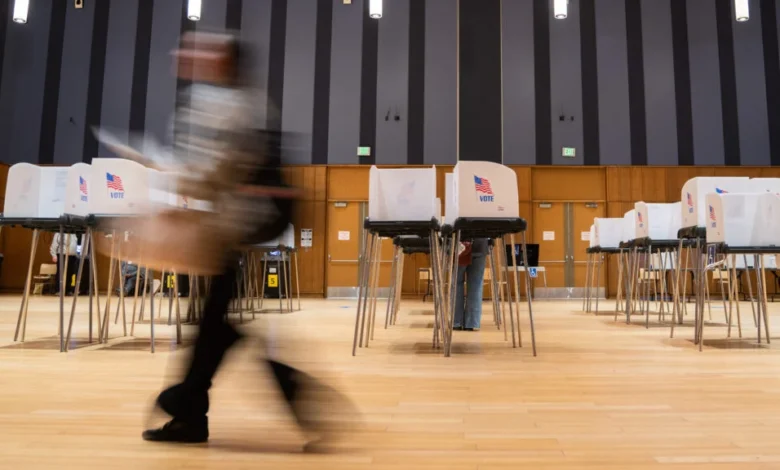
As the United States barrels toward another high-stakes election cycle, the airwaves are saturated with political advertising, aggressive campaign rhetoric, and a continuous stream of partisan news. While voters focus on the ballot, medical researchers are increasingly turning their attention to a different kind of toll: the physiological impact of election-related anxiety on the human heart. Recent clinical studies suggest that the intense emotional landscape of modern American politics acts as a potent stressor, capable of triggering serious cardiovascular events in both healthy individuals and those with pre-existing conditions.
The connection between psychological stress and cardiovascular health is well-documented in medical literature, but the specific context of electoral volatility presents a unique, recurring catalyst for acute distress. Experts emphasize that the heart does not discriminate based on political affiliation; it reacts to the intensity of the stress response, regardless of the cause.
A Chronology of Electoral Anxiety
The phenomenon of election-linked heart strain has been observed in various contexts over the past decade, mirroring the rise in political polarization.
In 2016, a pivotal study conducted by Lindsey Rosman, then of the University of North Carolina, utilized data from implanted cardiac devices to monitor patients with existing heart rhythm disorders. The research period, which encompassed the six weeks surrounding the 2016 presidential election, revealed a 77% increase in irregular heartbeats compared to control periods. Notably, this pattern remained consistent across demographic variables, including age, gender, and racial background, as well as political party affiliation.
Following the 2020 presidential election, the focus shifted to hospital admissions. Matthew Mefford, a cardiovascular disease epidemiologist at Kaiser Permanente Southern California, led a retrospective cohort study examining the five-day period immediately following Election Day. The data indicated a statistically significant spike in hospitalizations for acute cardiovascular disease compared to the same timeframe two weeks prior. This surge mirrored the post-disaster spikes often seen after natural calamities, such as earthquakes or major terrorist attacks, suggesting that the "fight-or-flight" response triggered by political uncertainty carries tangible physical risks.
The Physiological Mechanics of Stress
To understand why a political debate or a social media scroll can lead to a cardiac event, one must look at the body’s autonomic nervous system. When an individual experiences acute stress or anger, the amygdala sends a distress signal to the hypothalamus. This triggers a cascade of hormonal releases, primarily adrenaline and cortisol.
The sympathetic nervous system enters an overdrive state, causing heart rates to climb and blood pressure to surge. Simultaneously, the vagus nerve—which acts as the body’s "brake" to slow the heart down—sees its influence diminish. For individuals with underlying cardiovascular issues, this hormonal deluge can destabilize electrical signaling in the heart, leading to arrhythmias.
Furthermore, the behavioral side effects of political stress often exacerbate these biological risks. Chronic anxiety during election season is frequently linked to disrupted sleep patterns, the consumption of high-fat or high-salt "comfort foods," increased intake of alcohol or caffeine, and the abandonment of regular medication schedules. Each of these factors independently elevates cardiovascular risk; in combination, they create a volatile environment for the heart.
Supporting Data and Broader Health Context
The vulnerability of the American public is heightened by the sheer prevalence of cardiovascular disease. According to the American Heart Association, nearly half of all U.S. adults live with some form of cardiovascular disease, including hypertension. This statistic transforms the biennial election cycle into a public health concern rather than merely a civic event.
While the cited studies establish a strong association between electoral periods and heart events, researchers are careful to note that correlation does not strictly prove causation. However, the alignment of these health events with peak political tension is consistent with historical precedents. Similar spikes in cardiac admissions have been documented during global crises, such as the September 11 attacks, the 1994 Northridge earthquake, and even high-stakes sporting events like the FIFA World Cup.
In the modern era, the "echo chamber" effect of social media has significantly lowered the threshold for exposure to stressors. Unlike the election cycles of the 20th century, where political discourse was largely confined to televised debates and newspapers, today’s voters are subjected to a 24-hour deluge of notifications, viral content, and polarizing commentary. This constant state of connectivity prevents the body from returning to a baseline state of rest, potentially extending the period of vulnerability for those at risk.
Official Perspectives and Clinical Guidance
The medical community is increasingly advocating for "stress management" as a legitimate component of election-season health precautions. Dr. Lindsey Rosman, now an assistant professor of medicine at Northwestern University, stresses the importance of emotional regulation. "Your emotional health and your heart health are connected," she stated. The implication for public health is clear: as political discourse becomes more heated, the need for stress-mitigation strategies becomes more urgent.
Matthew Mefford echoes this sentiment, noting that not everyone reacts to stress with the same magnitude. However, for those with pre-existing conditions, the margin for error is slim. "Being aware of how stress, generally, can impact your body is important, especially for those with pre-existing heart disease," Mefford advised.
Clinical recommendations for the electorate are straightforward but require discipline. Medical professionals suggest the following to mitigate risk:
- Media Consumption Limits: Implementing a strict "digital curfew" for news and social media, particularly in the hours leading up to bedtime, can help lower evening cortisol levels.
- Physical Activity: Regular, moderate exercise—such as walking or swimming—is one of the most effective ways to process excess adrenaline and stabilize blood pressure.
- Mindfulness Practices: Techniques such as yoga, meditation, or simple deep-breathing exercises can activate the parasympathetic nervous system, effectively countering the "fight-or-flight" response.
- Strict Adherence to Regimens: Maintaining medication schedules and dietary habits is essential, even when the political climate feels overwhelming.
Future Research and Public Policy Implications
As the nation looks toward future election cycles, the medical community is moving toward more robust, long-term data collection. Dr. Rosman is currently exploring the use of wearable technology to track acute stress events in real-time. By leveraging data from smartwatches and other biosensors, researchers hope to map the relationship between specific types of political engagement and heart rate variability with unprecedented accuracy.
A nationwide follow-up study covering the 2020 and 2024 elections is expected to provide deeper insights into whether the intensity of political conflict correlates with the severity of cardiac events. The goal is to determine if targeted public health messaging—advising vulnerable populations to minimize stress during high-intensity political events—could effectively reduce hospital admissions.
The Path Forward
The intersection of politics and public health is unlikely to dissipate as long as the nation remains deeply divided. The reality is that for a significant portion of the population, the election is not merely a democratic exercise but a genuine, physically taxing ordeal.
For the average citizen, the takeaway is not to disengage from the democratic process, but to approach it with a heightened awareness of one’s own physical limitations. As the election cycle reaches its crescendo, the most radical act of self-care may be the decision to step back, unplug, and prioritize physiological stability. In an era where the news cycle is relentless, the ability to listen to one’s body—and heed its warnings—remains the most vital tool for surviving the stresses of modern civic life.
Ultimately, the data suggests that while the ballot box decides the direction of the country, the health of the voter depends on their ability to manage the emotional gravity of the choice itself. By integrating mental and physical well-being into the discourse surrounding elections, the medical community hopes to shift the focus from the intensity of the debate to the longevity of the participants.