The Frontline of the New Space Race: How a Quiet Alaskan Island is Transforming into a Military Stronghold

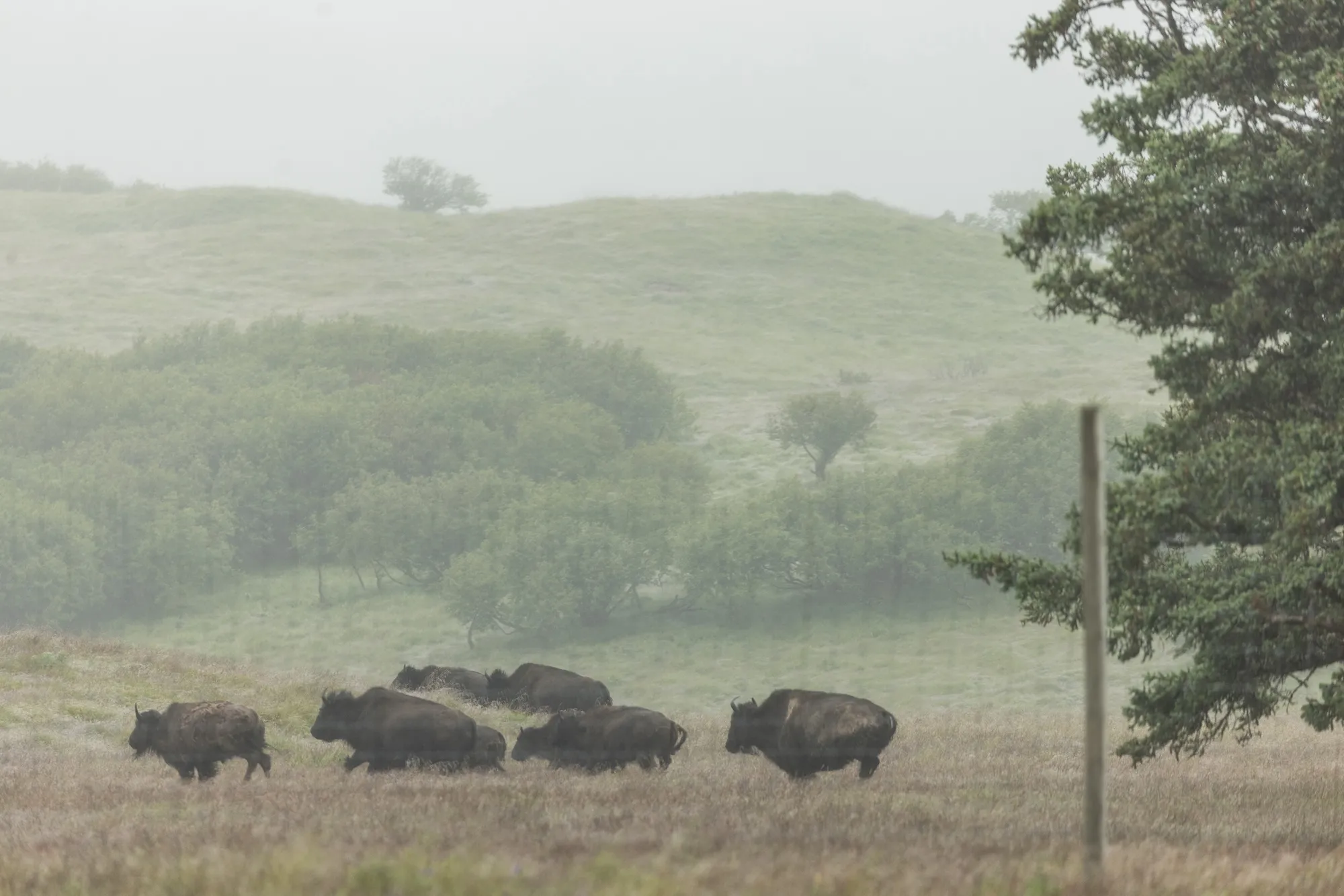
Last August, Christine Burton received an abrupt phone call from her sister, an employee at the Pacific Spaceport Complex on Kodiak Island, Alaska. The state-owned facility was preparing for an unannounced test launch—widely believed to involve a hypersonic missile—and was ordering the immediate closure of the island’s sole access road running from the town center to the site. For Burton and her husband, Buck, who own and operate a 140-acre bison ranch directly abutting the spaceport, disruptions were hardly new. Over the years, they had grown accustomed to sudden road closures, administrative inconveniences for game-hunting clients, and the lingering ecological threats of rocket failures. At least five previous rockets had malfunctioned or exploded during takeoff, showering the surrounding fragile ecosystem with debris and toxic propellants. Because their home sits squarely on the only two-lane thoroughfare leading to the facility, any road closure effectively strands Burton, her husband, and their six children.
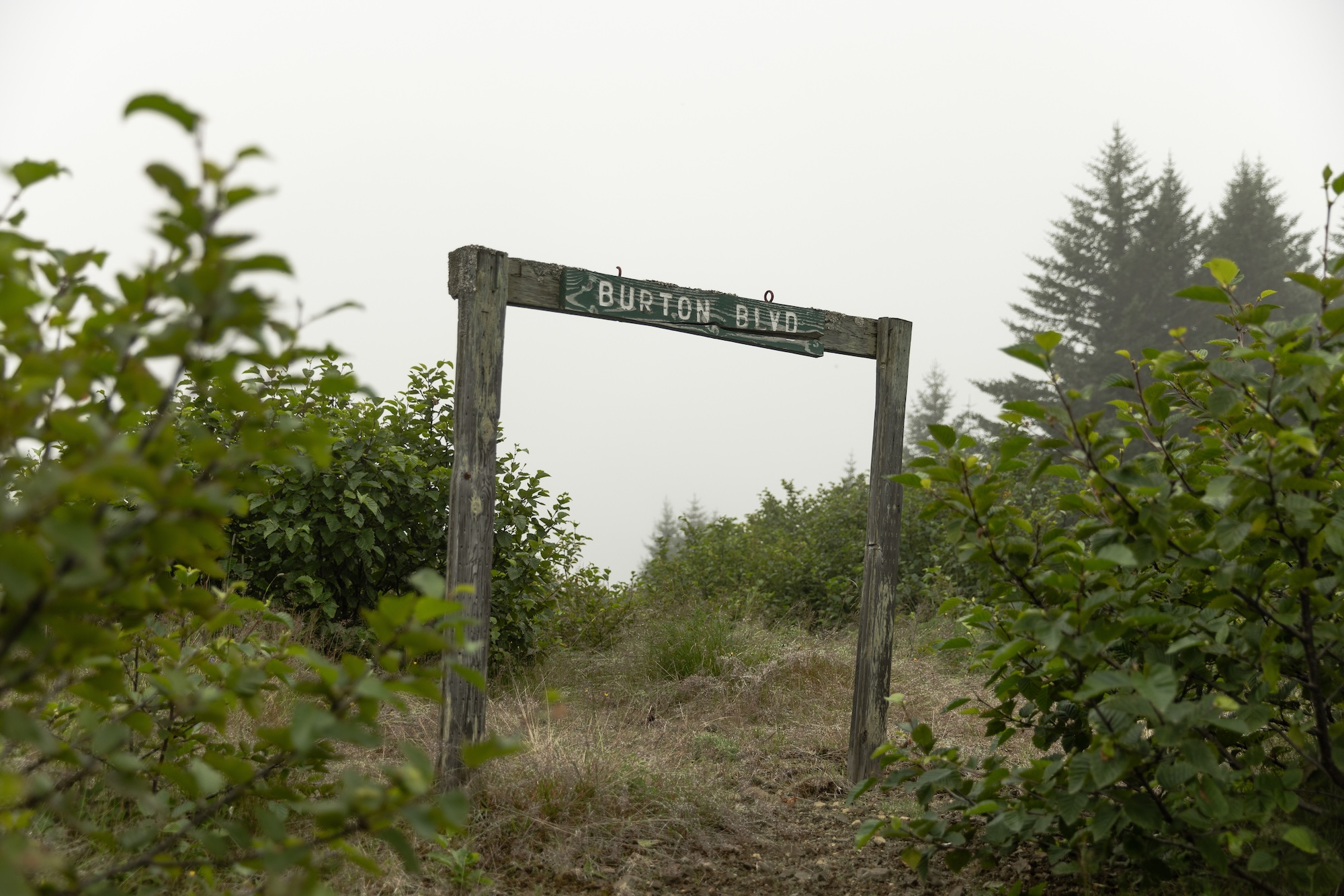
Typically, the spaceport provides a buffer of a couple of days’ notice, allowing residents to plan accordingly. This time, however, no such courtesy was extended. After rushing home from work, Burton watched in disbelief as an unmarked security vehicle blocked her driveway roughly thirty minutes later. With a six-year-old child down with a fever, the lockdown did not merely prevent her from driving into town; it restricted her movement within her own property. The launch was ultimately delayed, lighting up the night sky on August 21, 2025, when a massive rocket streaked across the atmosphere before breaking apart over the Pacific Ocean. While viral social media videos panicked onlookers into questioning whether a Russian nuclear weapon had been fired, the reality exposed a deeper transformation: Kodiak Island was being rapidly thrust onto the front lines of a secretive, high-stakes military buildup in the Arctic.
From Commercial Promise to Military Necessity
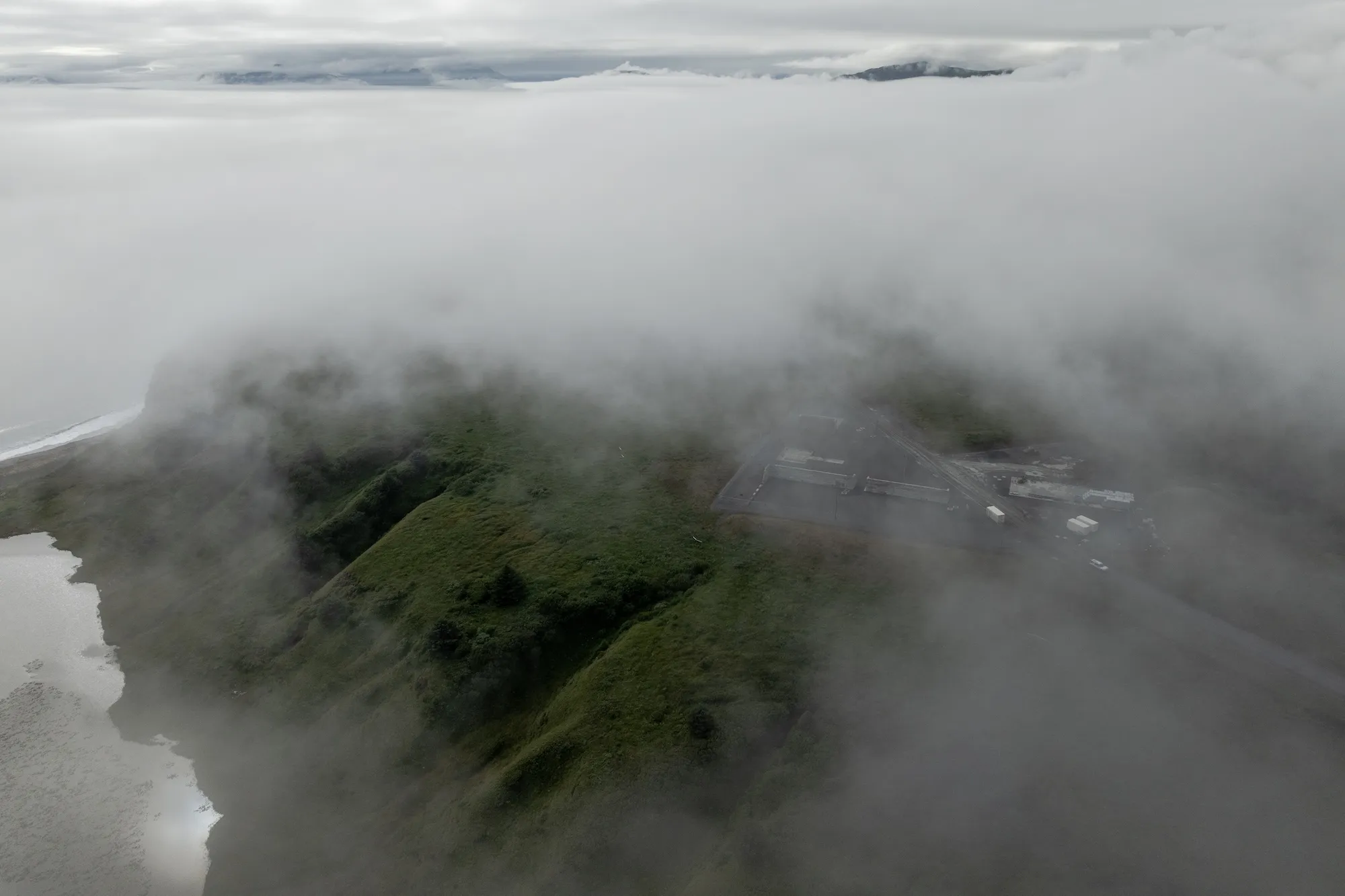
Founded by the state of Alaska in 1991 under state statute, the Alaska Aerospace Corporation was originally pitched as a public corporation dedicated to fostering space-related economic growth and supporting educational research at the University of Alaska. Unlike its bustling federal counterparts—such as Cape Canaveral Space Force Base in Florida or Vandenberg Space Force Base in California—Kodiak’s spaceport was lauded as the nation’s premier commercial launch facility completely unaffiliated with a federal military installation. Local critics, such as longtime Kodiak resident and former Audubon chapter chair Stacy Studebaker, recalled that officials heavily emphasized the site’s civilian and economic benefits during its early years.
That tone has since vanished. Driven by melting polar ice, shifting geopolitical dynamics, and escalating friction with major competitors like Russia and China, the strategic value of the Arctic has soared. As warming temperatures open vital shipping lanes and expose lucrative mineral, rare earth, and fishing resources, superpowers are fiercely competing for what military planners term "Arctic dominance." Under the Trump administration, this pursuit has crystallized into billions of dollars in proposed security investments, most notably the multi-layered missile defense initiative known as the "Golden Dome."
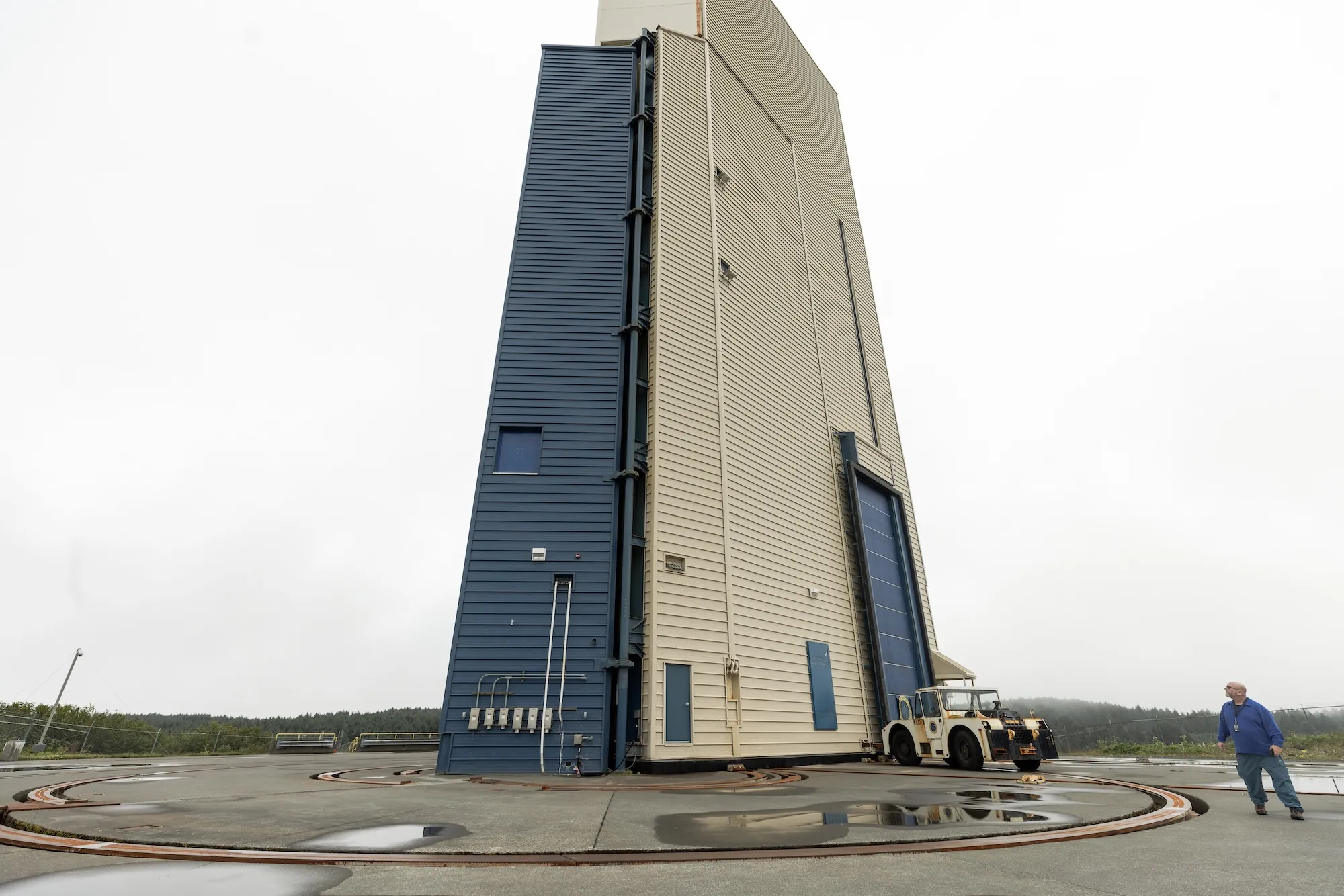
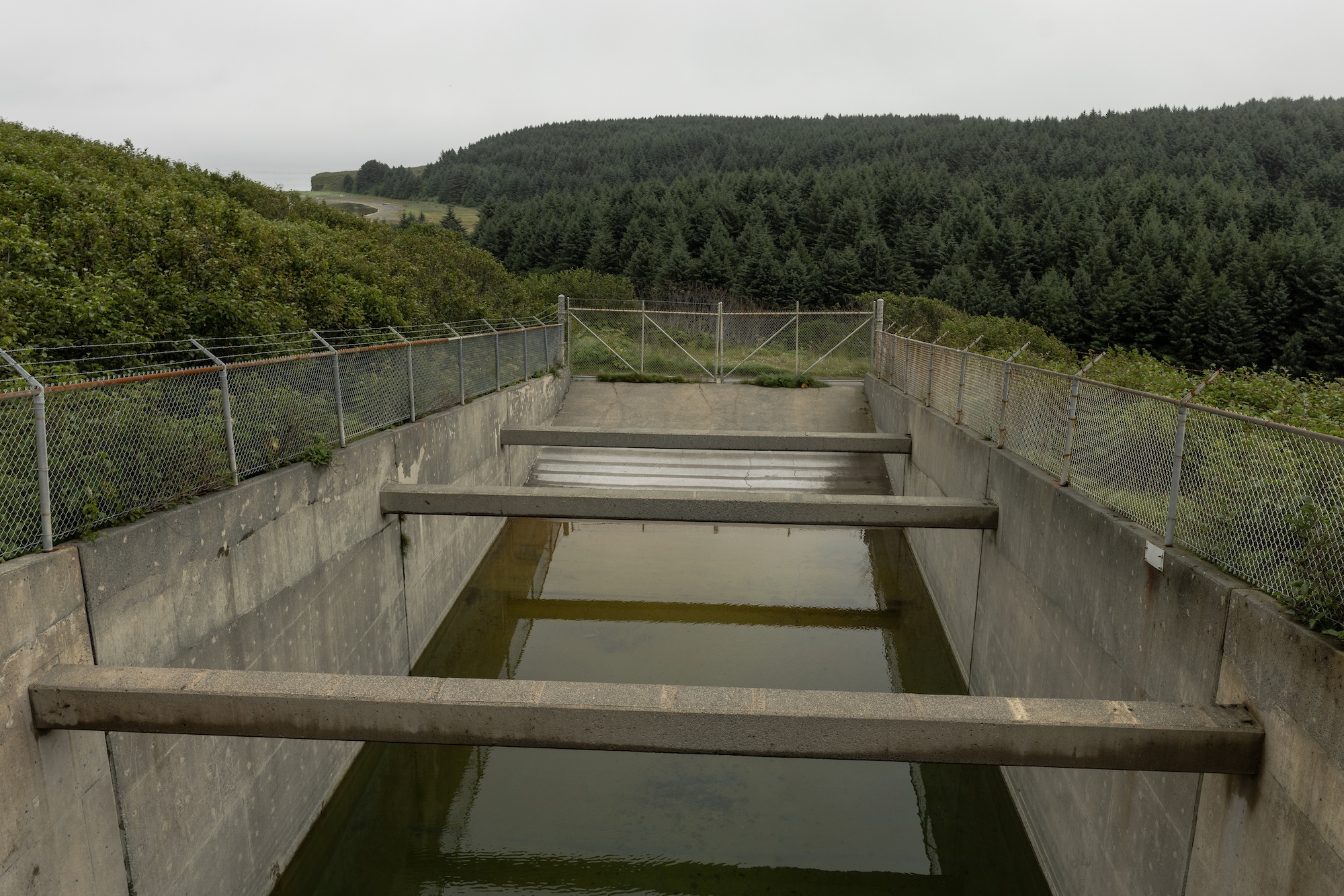
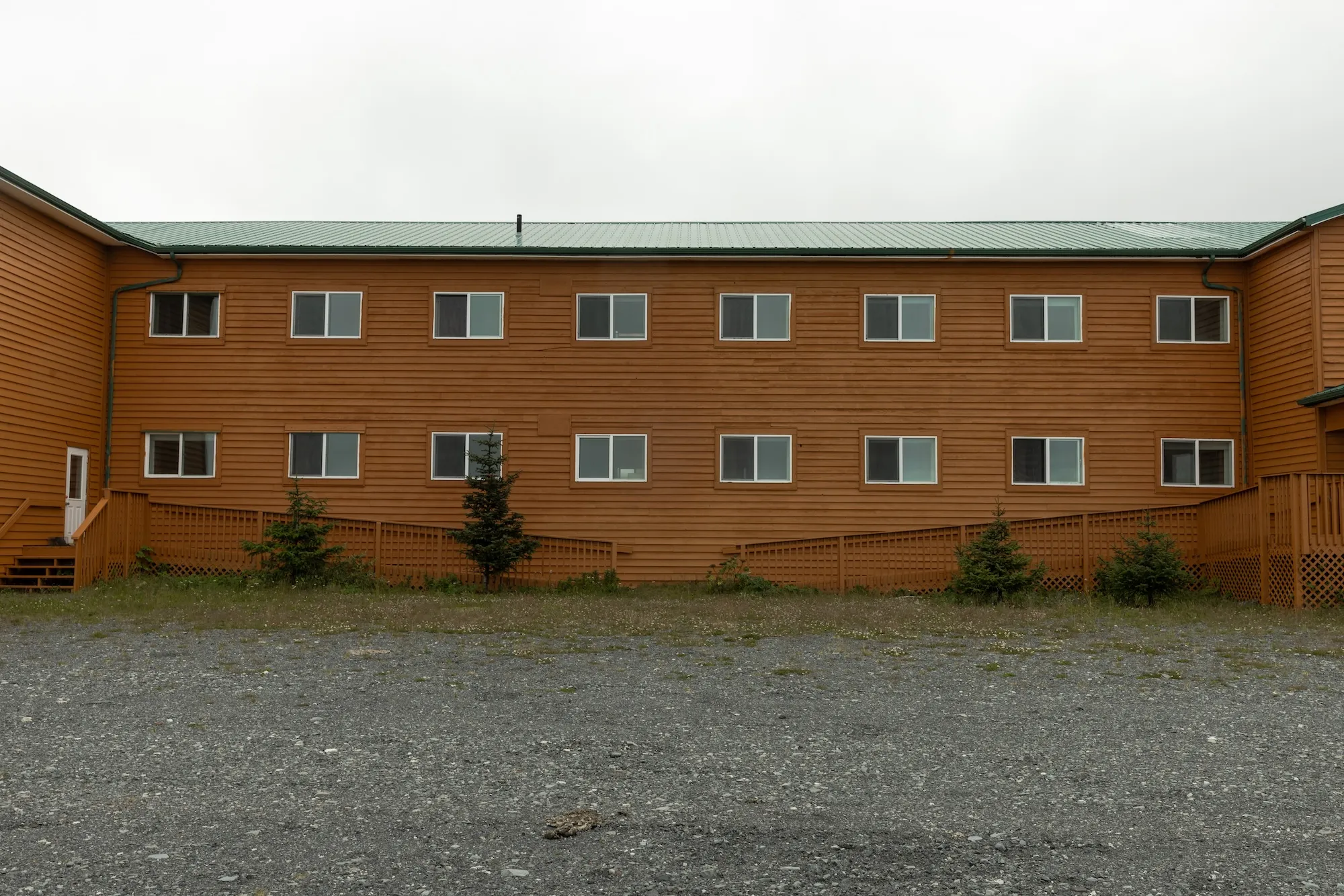
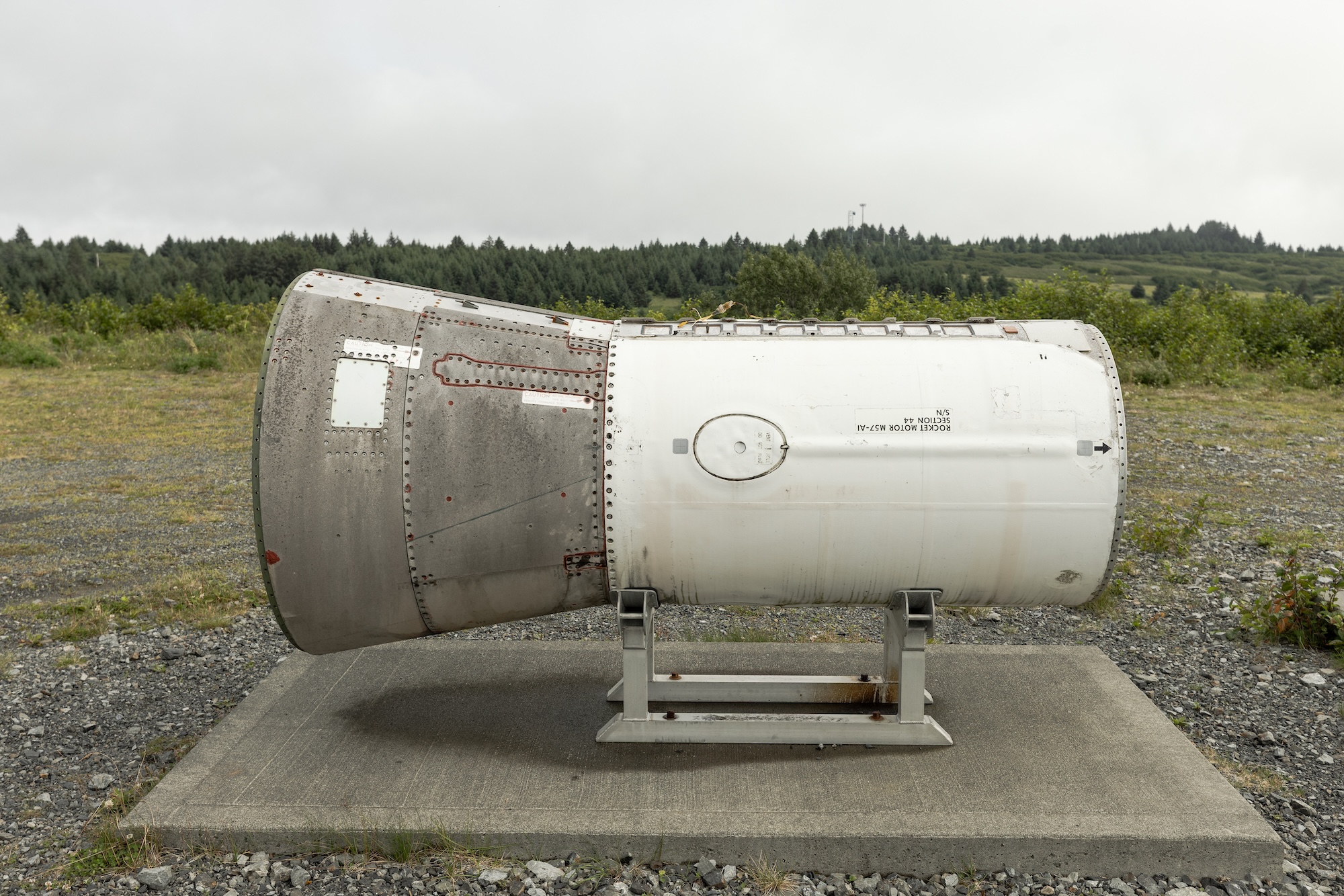
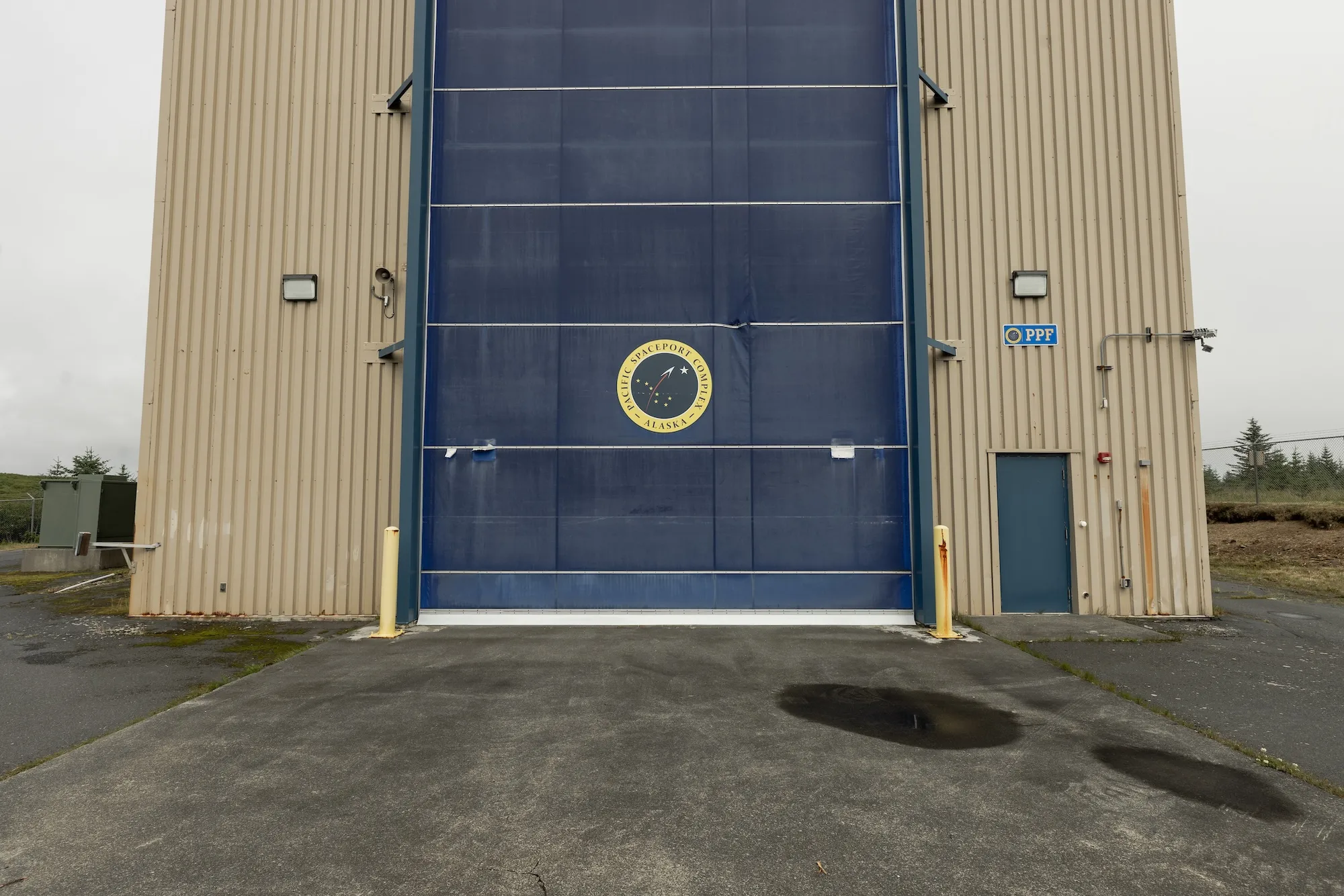
The Pentagon’s aggressive pivot toward space-based sensors and interceptors has fundamentally altered operations at the Pacific Spaceport Complex. In July, commercial aerospace firm Rocket Lab announced a $266 million contract with the U.S. Air Force to conduct missile defense testing at Kodiak, paving the way for up to 18 suborbital launches over the next two years. Furthermore, federal allocations totaling $45.5 million have been funneled into modernizing launch pads, constructing a 10,000-foot airstrip, and building large lodging facilities for incoming government personnel and defense contractors. According to Alaska Aerospace’s 2025 annual report, the facility is actively planning to scale its launch cadence from its historical average of one to three launches per year to as many as three launches per month—potentially eclipsing its total 35-year historical launch count in a single twelve-month span.
The Information Blackout and Escalating Secrecy
The August 2025 test flight marked a profound turning point regarding transparency. Internal resistance surfaced immediately within Alaska Aerospace when federal military officials intervened to block the release of pre-launch announcements. Spaceport staff were barred from alerting the public, local media, or even Alaska’s Department of Transportation about the imminent road closures. "It was the government that put the handcuffs on us," Alaska Aerospace CEO John Oberst candidly admitted to colleagues during a board meeting weeks later, explaining that the military demanded absolute secrecy to prevent foreign adversaries from tracking test schedules.
This enforced opacity extends far beyond Kodiak. The Pentagon has notoriously clamped down on details surrounding the Golden Dome architecture, which the Congressional Budget Office estimates could ultimately cost upwards of $1 trillion. Industry insiders note that officials at defense symposiums have been explicitly barred from discussing the program, and even congressional watchdogs have faced stiff resistance from the Department of Defense when requesting architectural briefings. For local residents, this wall of silence signifies a troubling shift away from public accountability.
Infrastructure Strain and Environmental Realities
The rapid militarization of Kodiak Island encompasses far more than rocket launches. The U.S. Coast Guard, operator of the island’s largest military installation, is scheduled to receive two new 328-foot polar icebreakers, accompanied by an influx of housing units, childcare centers, and infrastructure enhancements. Simultaneously, secretive construction projects at the local Navy SEAL cold-weather training base have intensified, fueling widespread speculation among islanders.
This sudden influx of federal assets has sparked acute anxiety among municipal leaders regarding critical infrastructure. Dan Menth, CEO of the Kodiak Electric Association, noted that federal inquiries into grid capacity surged immediately following the policy shift. Because Kodiak relies heavily on a delicate mix of local hydro and wind power to maintain some of the least expensive electricity in Alaska, the utility operates perilously close to full capacity during peak fish-processing months in the winter. "It’s kind of like the year ended and the floodgates opened," Menth said, emphasizing that expanding isolated island grids cannot be accomplished overnight.
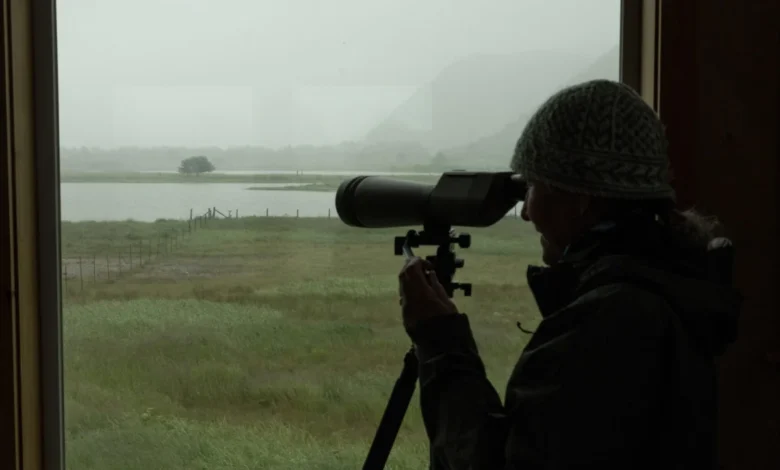
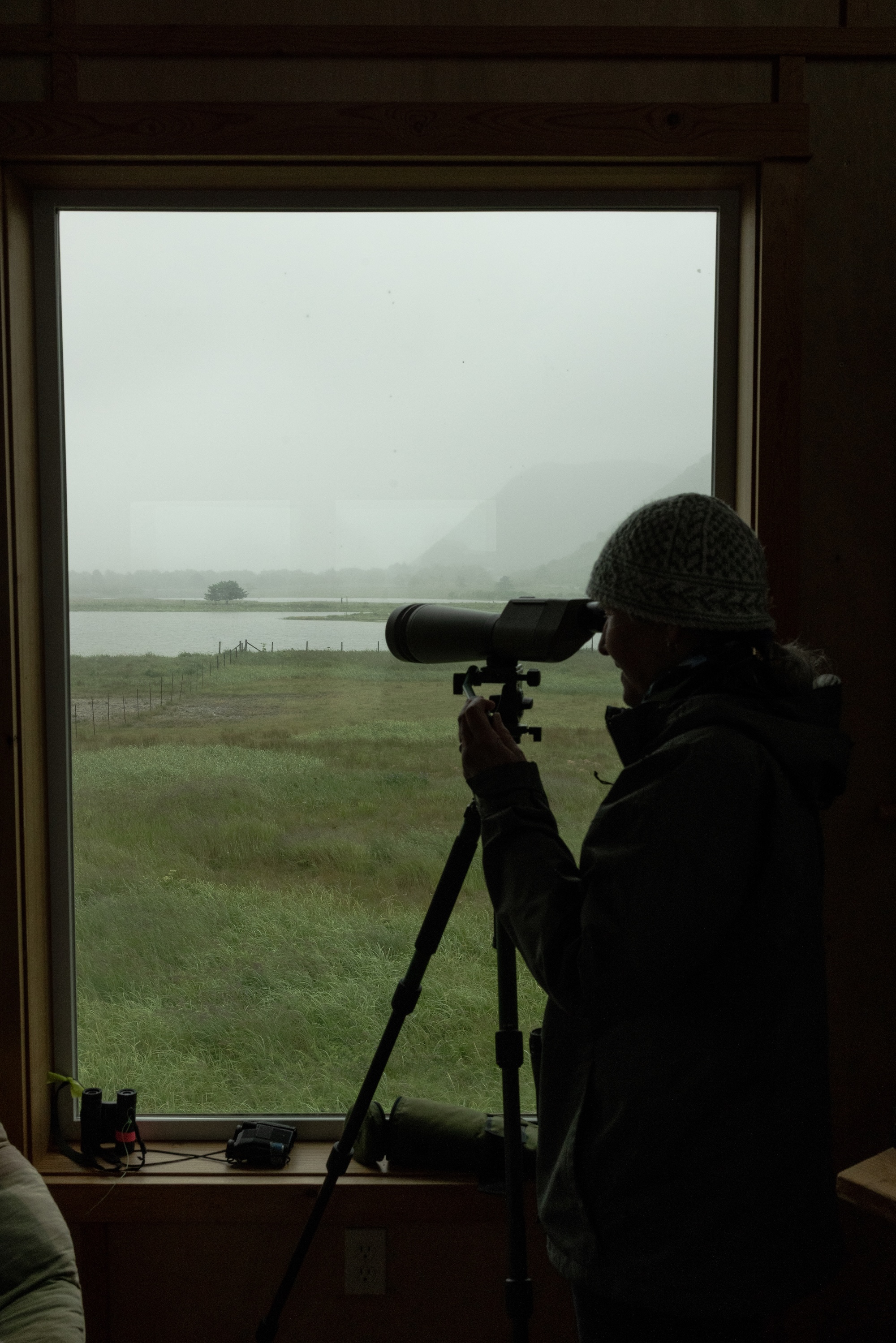
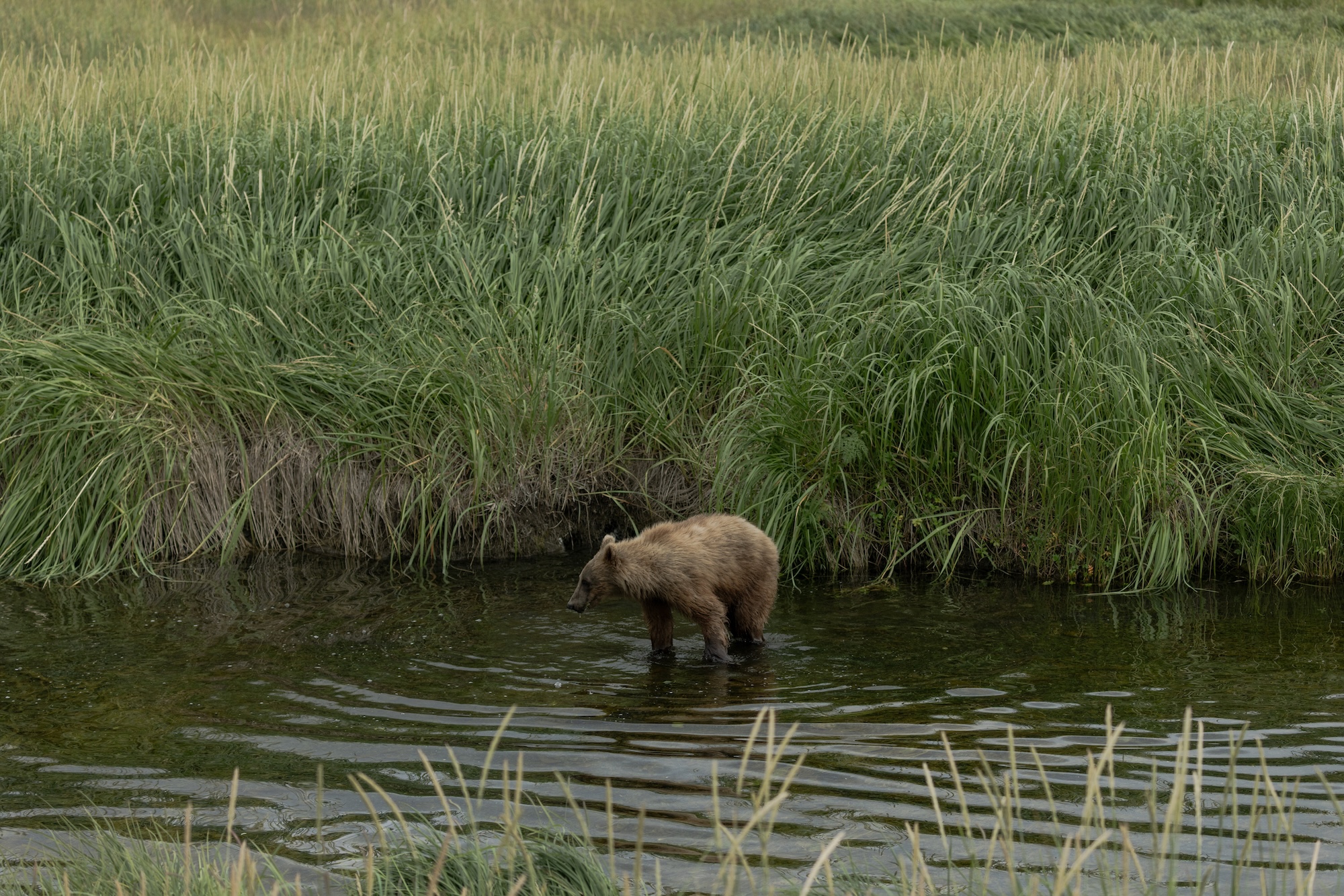
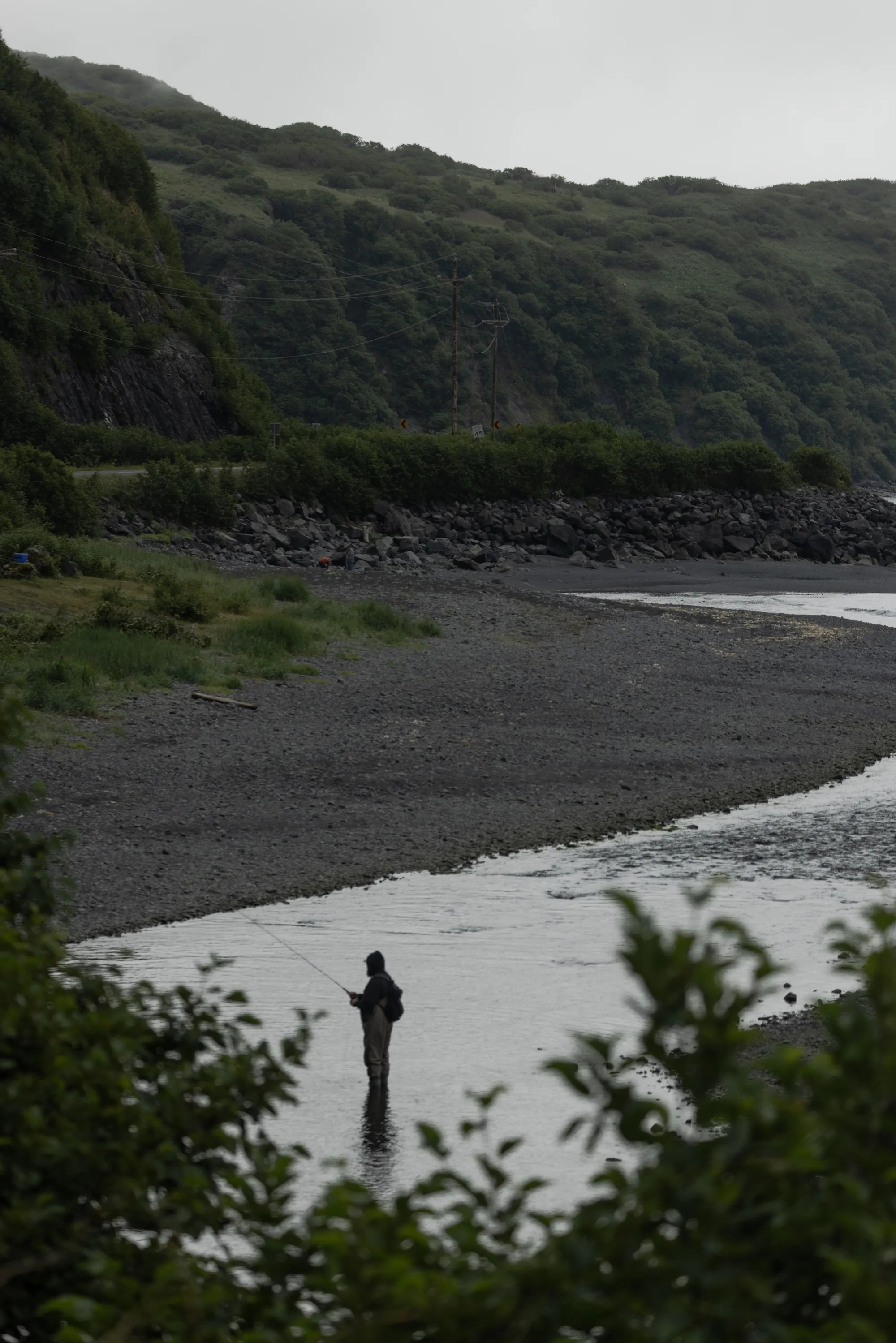
Environmental advocates have voiced parallel alarms. Narrow Cape, the eastern section of the island hosting the spaceport, doubles as a critical migratory corridor for gray whales and a sanctuary for over 150 bird species, including two dozen of high conservation concern. Furthermore, scientific research highlights the mounting atmospheric toll of increased commercial and military spaceflight. A landmark 2002 study published by University College London researchers warned that projected surges in rocket emissions—specifically black soot and chlorine compounds—threaten to reverse decades of progress in healing the ozone layer while significantly compounding global greenhouse gas emissions. An emissions tracker developed by the university’s team estimates that atmospheric carbon dioxide from rocket launches has surged by more than 300 percent over the past five years.
The Human Toll and Real Estate Fallout
Faced with mounting disruptions, environmental concerns, and the looming threat of eminent domain as military priorities tightened around their livelihood, Christine and Buck Burton made the difficult decision to divest. In February, they sold 139.5 acres of their family ranch—held since the 1960s—to Alaska Aerospace for $2.4 million, retaining only their home and 20 surrounding acres. "We saw the writing on the wall," Christine Burton reflected, noting that continuous launch disruptions rendered commercial game-ranching untenable.

Other residents share similar apprehensions. Stacy Studebaker, conservation chair for Audubon Alaska’s local chapter, led a delegation to present a comprehensive biodiversity inventory to spaceport leadership, reminding them that the launch complex sits directly on irreplaceable wildlife habitats. While CEO John Oberst has attempted to bridge divides through community engagement—such as sending flowers and a personal apology to Christine Burton following the disruptive August lockdown—the relentless momentum of national security imperatives threatens to sideline local concerns.
Geopolitical Implications in the High North
Kodiak’s structural transformation mirrors a broader geopolitical struggle across the circumpolar Arctic. As receding sea ice exposes rich shipping passages like the Northern Sea Route alongside coveted reserves of oil, gas, and rare earth minerals, Arctic airspace has increasingly become a theater of interception. Recent years have seen frequent scrambles by the North American Aerospace Defense Command (NORAD) to intercept Russian and joint Chinese-Russian military aircraft probing the Alaskan Air Defense Identification Zone, alongside the infamous 2023 Chinese spy balloon transit.
In response, federal lawmakers like Senator Dan Sullivan have championed an unprecedented military renaissance across the state, comparing the current defense build-out to the scale of World War II mobilization. Proposals include reopening historic installations like the former naval base on Adak Island in the Aleutian chain to establish an integrated "Pacific Test Range" for hypersonic and orbital systems.
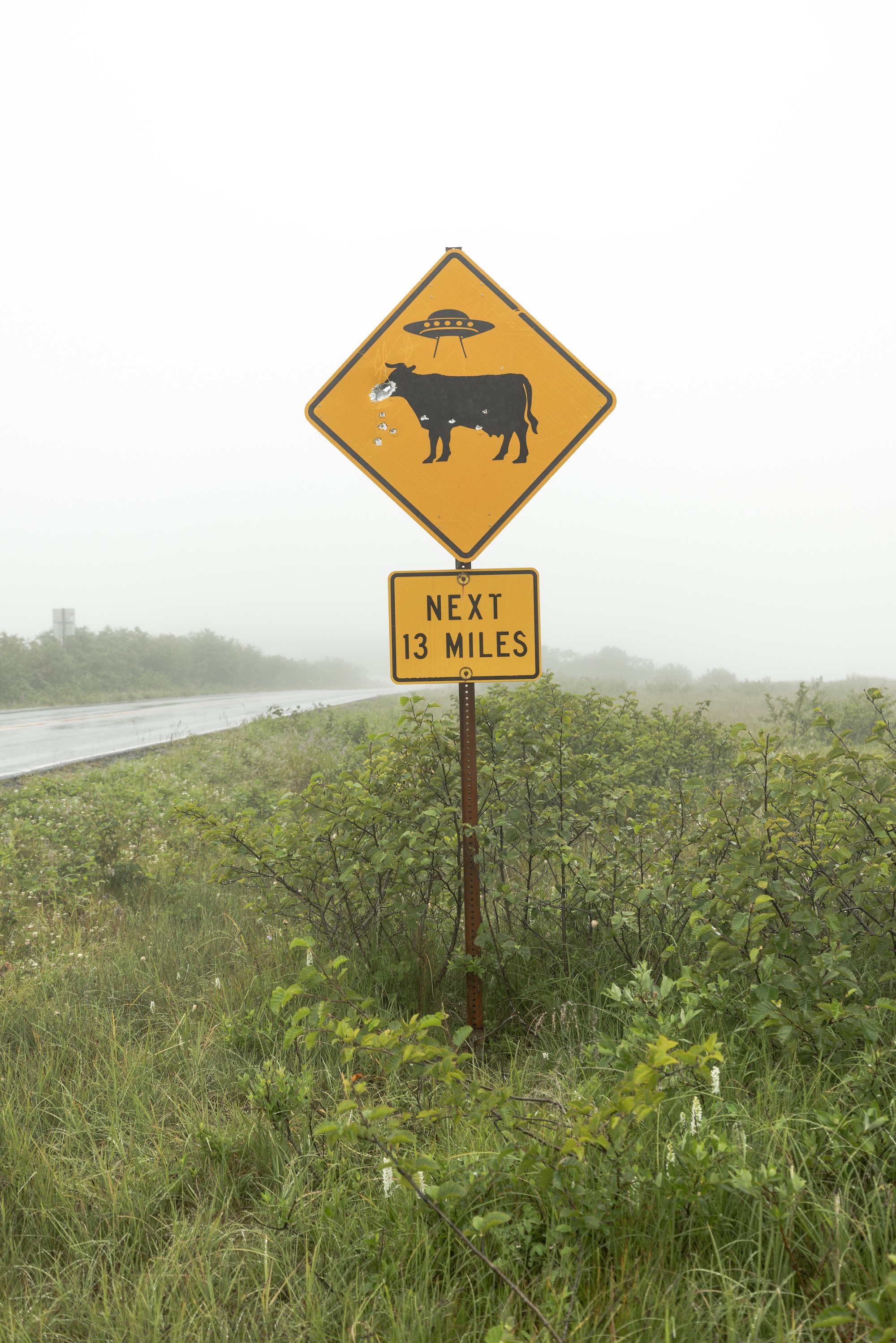
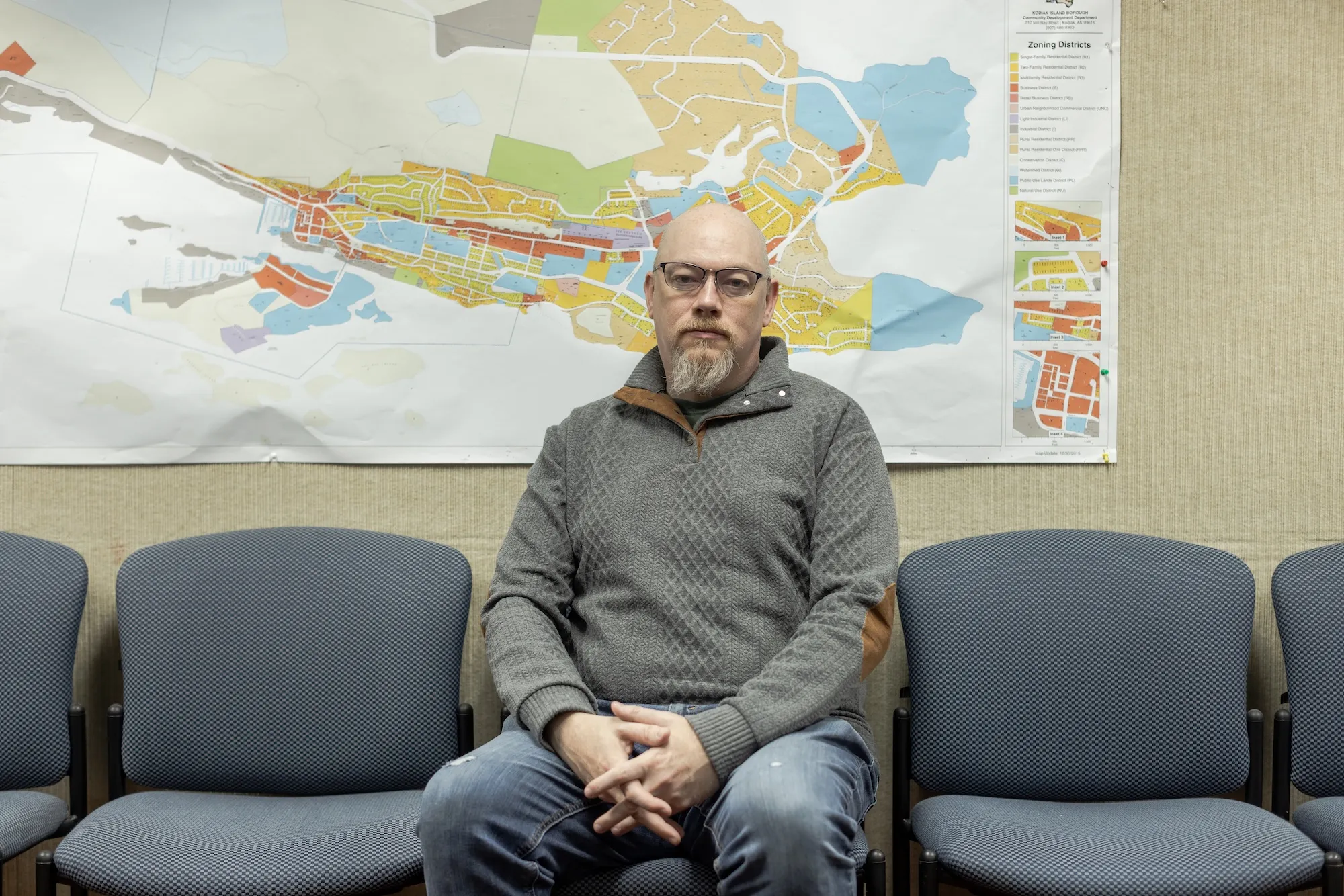
For Kodiak Mayor Jared Griffin, the transition from a quiet, working-class fishing community to an indispensable node in the nation’s Arctic defense architecture represents a double-edged sword. While federal funding may stabilize the island’s population and inject much-needed capital, it fundamentally threatens to erode the tranquil, self-reliant character of the region. As national security directives continue to override civil transparency, the residents of Kodiak are left bracing for an era where their backyard serves as the vanguard of a new global cold war.