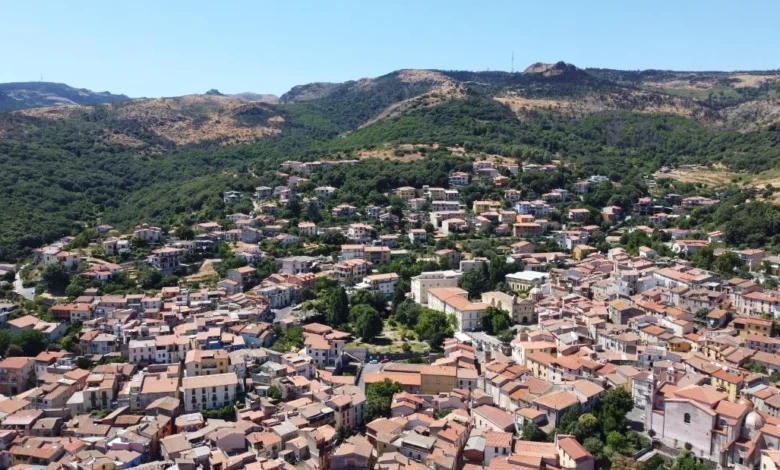
Deep within the rugged, volcanic landscape of western Sardinia lies the small town of Santu Lussurgiu, a community of roughly 2,000 residents that serves as the epicenter for one of Italy’s most clandestine and storied culinary traditions. Here, the local populace continues to produce a potent, fennel-infused distillate known as filu e ferru, a spirit so deeply woven into the fabric of the region that it has survived centuries of government crackdowns, tax levies, and shifting social norms. With an alcohol concentration often reaching 45%, this "iron wire"—as its name translates—is more than just a drink; it is a symbol of defiance and cultural identity that remains, for many households, a strictly illicit endeavor.
The etymology of the spirit is inextricably linked to its survival. In the 19th century, when the House of Savoy introduced stringent levies on alcohol production, the practice of distilling became a dangerous game of cat and mouse. Producers, fearing the intervention of tax police, would bury their bottles and alembics in their gardens, marking the precise location of the hidden cache with a piece of iron wire—the "filu e ferru"—so they could retrieve their product once the threat of a raid had passed. The name stuck, evolving into a secret code that villagers used to alert one another of approaching law enforcement.
A Chronology of Clandestine Distillation
The practice of producing this "burning water," or abbardente, dates back to the late 16th century. Historical records suggest the tradition was introduced to the Oristano area by monks from a local abbey, who originally viewed the spirit as a medicinal tonic, specifically for ailments like toothaches. Over the decades, however, the therapeutic use gave way to recreational consumption.
By the end of the 19th century, Santu Lussurgiu had become a hub of production, boasting approximately 40 distilleries that exported the spirit across the Italian peninsula. The early 20th century, however, brought a sharp decline in authorized production as the Italian state tightened its grip on spirits. Following the implementation of restrictive excise taxes, the distilleries were shuttered, and the practice retreated entirely into the domestic sphere.
For the remainder of the 1900s, the process became a guarded family secret. Up until the 1960s, the threat of police raids was a constant reality. Local lore recounts the village messenger, who traditionally used a trumpet to announce public laws and town events, employing a specific, coded signal on his horn to warn neighbors that tax authorities were patrolling the area. The distinct, pungent aroma of fennel—a key botanical used to soften the harsh, fiery profile of the spirit—often acted as a double-edged sword, occasionally betraying the location of hidden stills to the authorities.

Distillation Methodology and Regional Distinction
What differentiates the filu e ferru of Santu Lussurgiu from other Sardinian spirits is the primary ingredient. While much of Italy’s famous grappa is distilled from marc—the fermented residue of grape skins, seeds, and stems left over after winemaking—the traditional abbardente of this region is produced from the wine itself.
Carlo Psiche, who operates the Distillerie Lussurgesi and stands as the town’s only legal, licensed producer, notes that this technique arose from necessity. Historically, the vineyards in the Montiferru region were highly productive, often leading to a surplus of wine. Distilling the wine was an efficient way to manage that excess and prevent waste.
The artisanal process remains laborious. In domestic settings, households often use antique copper alembics, some of which have been passed down through generations since the 1960s. The process involves heating the wine in large copper vessels, traditionally sealed with flour-based dough to ensure the steam is captured and condensed properly.
Today, Psiche’s distillery preserves these old-world techniques, utilizing copper stills to produce two distinct versions of the spirit:
- The Clear Abbardente: Aged for at least 12 months in steel tanks, this version is known for an intense, clean flavor profile with subtle notes of almond and dried fruit, often diluted with local spring water.
- The Amber Abbardente: Aged in oak barrels, this version gains a richer color and a more complex flavor, characterized by notes of honey and toasted bread.
The Sociological Impact of a Forbidden Tradition
The production of filu e ferru is not merely a hobby; it is a deeply embedded social ritual. Historically, the labor-intensive task of distillation was often spearheaded by women. While men tended the fields, the wives and grandmothers of Santu Lussurgiu became the master distillers of the household, refining the craft over decades.
The spirit is consumed at all hours, from the early morning to the late hours of the night. It occupies a role in Sardinian culture comparable to the significance of espresso in Naples. Beyond its role as a digestif or a celebratory toast, it serves a ceremonial purpose. It is customary, for instance, to share a glass during midnight wakes following a death in the community, a practice that honors the deceased while providing a moment of solemn reflection for the living.

For the Sardinians who maintain these traditions, the risk of legal sanction is secondary to the preservation of their heritage. Despite modern authorities being less likely to conduct house-to-house searches than they were in the 1960s, the stigma and the legal ambiguity remain. One local resident, speaking on the condition of anonymity, acknowledged that the tradition continues to be passed down to the younger generation, including her own son, ensuring that the clandestine craft persists into the 21st century.
Economic and Legal Implications
The existence of a mass-scale, illegal trade in a European Union member state presents a complex regulatory challenge. Italy’s tax laws regarding the private production of spirits are rigid; generally, the distillation of alcohol without a license and the non-payment of excise duties are criminal offenses. However, the sheer scale of domestic production in rural areas like Oristano makes enforcement difficult.
From an economic standpoint, the "outlaw" status of the drink limits its marketability. Psiche, who has successfully navigated the bureaucratic hurdles to legitimize his own business, represents the bridge between the past and the future. His reach now extends to international markets, including Chicago and Ohio, where the Sardinian diaspora has created a demand for the authentic product.
Analysis of Future Prospects
The survival of filu e ferru highlights a tension between modern legislative frameworks and the preservation of intangible cultural heritage. While the Italian government aims to ensure tax compliance and safety standards, the people of Santu Lussurgiu view their distillation as a fundamental right and a legacy of their ancestors.
The trend toward "boutique" or "artisanal" spirits globally may provide a path forward. As consumer interest in provenance and traditional methods grows, there is potential for more local producers to transition from the shadows into the formal economy, as Psiche has done. Yet, the deep-rooted desire to maintain the "secret" nature of the production remains strong. For many in the village, the illicit nature of the spirit is part of its charm—a reminder of a time when the village stood as an independent, self-sustaining entity against the encroaching regulations of the state.
As the tradition continues, it stands as a testament to the resilience of Sardinian culture. Whether through the lens of a licensed distillery or the quiet, hidden work of a family alembic, the "iron wire" continues to flow, embodying the history of a people who have long refused to let their traditions be distilled away by the pressures of the outside world.
Related posts: