Norse Atlantic Airways Collapses Into Bankruptcy After Long-Haul Low-Cost Model Fails to Withstand Industry Pressures

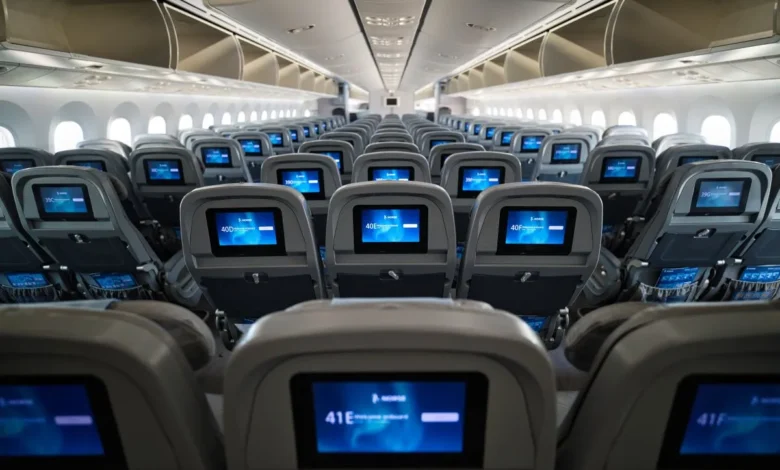
Norse Atlantic Airways has officially canceled all flights and halted ticket sales worldwide after its Norwegian operating subsidiary resolved to file for bankruptcy, marking a dramatic and sudden collapse for one of the most prominent low-cost, long-haul carriers in modern aviation. The drastic measure comes immediately on the heels of a sudden flight suspension and a public admission by executive leadership that the airline’s financial situation had deteriorated into a critical phase.
In an official stock exchange filing released on Friday, Norse leadership confirmed that the board of directors for Norse Atlantic Airways AS had thoroughly evaluated the company’s financial standing and concluded that no viable path forward remained for continued operations. Consequently, the board resolved to submit a formal bankruptcy petition to a local Norwegian court, which is expected to appoint a bankruptcy trustee to manage the liquidation and oversee the restructuring or wind-down of the subsidiary’s remaining assets.
While the formal bankruptcy filing is currently restricted to the Norwegian operating entity, the broader corporate structure remains under severe duress. The filing does not formally include the publicly traded parent company, Norse Atlantic ASA, nor does it immediately encompass its United Kingdom operating subsidiary. Nevertheless, corporate spokespeople indicated that all commercial flights operated by both the Norwegian and British entities have been grounded indefinitely, leaving thousands of passengers stranded, disrupting global travel itineraries, and casting a pall of uncertainty over the future of the remaining corporate entities.
The Anatomy of a Collapse: A Rapid Descent
The unraveling of Norse Atlantic Airways represents a swift and punishing conclusion to a business model that sought to replicate the elusive success of transatlantic low-cost pioneer Norwegian Air Shuttle. For months, the airline had been fighting an uphill battle against macroeconomic headwinds, volatile jet fuel prices, and fierce competition from legacy network carriers that command dominant positions at major international hubs.
The terminal phase of the airline’s existence unfolded over a matter of grueling days. Just 48 hours prior to the bankruptcy filing, executive leadership issued a stark warning to the market, characterizing the carrier’s financial health as "critical." The warning signaled that emergency capital-raising efforts, lessor negotiations, and strategic reviews were failing to yield the liquidity injections necessary to maintain day-to-day operations.
Within 24 hours of that ominous assessment, the carrier took the unprecedented step of suspending its active flight schedule. Passengers already at airports or midway through their journeys were left stranded as planes were grounded. Finally, the terminal blow arrived with Friday’s regulatory disclosure confirming that the Norwegian operating arm was shuttering its operations permanently and turning to the courts for protection.
Corporate communications from Norse have emphasized that behind-the-scenes efforts are still active in exploring whether any solutions can be salvaged for the remaining parts of the business, such as the UK subsidiary and the parent holding company. However, aviation analysts note that once an airline grounds its entire fleet and enters bankruptcy proceedings, the psychological and operational damage to consumer trust and supplier relationships makes a full commercial recovery nearly impossible.
Chronology of Events Leading to the Shutdown
To understand how a trans-oceanic airline with a modern fleet of widebody aircraft could unravel so rapidly, it is necessary to examine the cascading timeline of events that preceded the final shutdown.
- Foundation and Expansion: Norse Atlantic Airways was established in the wake of the COVID-19 pandemic, specifically designed to capitalize on the void left by defunct long-cost carriers. Utilizing leased Boeing 787 Dreamliner aircraft, the airline launched service in 2022, connecting secondary cities in Europe—such as Oslo, London Gatwick, and Paris—with popular North American destinations like New York, Los Angeles, and Miami.
- Persistent Financial Strain: Throughout 2023 and 2024, the airline struggled with the fundamental economic realities of long-haul budget travel. While short-haul low-cost carriers frequently achieve high asset utilization and quick turnaround times, widebody long-haul operations require massive capital outlays, high maintenance costs, and exposure to fluctuating fuel markets. Norse reported consecutive quarters of net losses, driven by lower-than-projected winter load factors and high debt service obligations related to aircraft leases.
- The Critical Window (Minus Two Days): As cash reserves dwindled to alarming levels, management issued a formal statement to the stock exchange labeling the carrier’s financial condition as critical. The announcement triggered immediate concern among travel agents, fuel suppliers, and aircraft lessors.
- Flight Suspension (Minus One Day): Unable to secure immediate bridge financing or emergency equity injections, Norse Atlantic Airways abruptly suspended its entire flight network. Aircraft were ordered to return to base or remain parked at outstations, causing immediate operational chaos.
- The Bankruptcy Filing (Day Zero): The board of Norse Atlantic Airways AS concluded that continuing to trade while insolvent was legally untenable. The formal bankruptcy petition was filed with the Norwegian courts, alongside the immediate cancellation of all remaining active bookings and the cessation of all ticket sales across global distribution channels.
Financial Realities and Market Pressures
The collapse of Norse Atlantic highlights the persistent structural vulnerabilities inherent in the long-cost, long-haul aviation segment. Historically, budget aviation has thrived on point-to-point, short-haul routes where passengers require minimal onboard service and ancillary revenues can be aggressively maximized. Replicating this model across the Atlantic has proven historically perilous, as evidenced by the earlier failures of carriers like Freddie Laker’s Skytrain, Oasis Hong Kong, and Norwegian’s own retreat from long-haul operations.
Operating widebody aircraft such as the Boeing 787 involves immense fixed costs. Aircraft lease payments, engine maintenance reserves, and landing fees at major international airports require steady, high-yield passenger volumes to break even. Compounding these challenges, Norse launched operations at a time of historically high jet fuel prices following geopolitical disruptions in Europe and the Middle East.
Furthermore, legacy airline alliances—such as the joint ventures established between transatlantic heavyweights like Delta Air Lines, Air France-KLM, Virgin Atlantic, and the SkyTeam and Star alliances—control dominant corporate contracts and frequent flyer ecosystems. These alliances make it extraordinarily difficult for independent low-cost carriers to capture lucrative business-class and high-yield leisure travelers who prioritize schedule reliability, lounge access, and loyalty perks over marginal fare savings.
Industry analysts point out that Norse attempted to pivot toward wet-leasing its aircraft to other airlines—a strategy known as ACMI (Aircraft, Crew, Maintenance, and Insurance)—in an effort to secure reliable cash flow during the softer winter months. While this strategy provided temporary relief, it ultimately proved insufficient to offset the crushing debt accumulated by the core scheduled-service business.
Stakeholder Fallout: Passengers, Employees, and Lessors
The immediate human and economic toll of the shutdown is extensive. Thousands of passengers holding future tickets find themselves facing canceled itineraries during a period of high global travel demand. While travelers who booked via credit cards may be able to secure chargebacks through their financial institutions, those who utilized third-party booking agents or alternative payment methods face complex hurdles in recovering their funds. Consumer advocacy groups have criticized the speed of the liquidation, noting that thousands of customers were left stranded abroad with little proactive communication from the airline.
For the airline’s workforce, the bankruptcy filing spells immediate job insecurity and potential unemployment. Cabin crew, pilots, engineering staff, and administrative personnel across Norway, the United Kingdom, and various base cities now face the prospect of redundancy as the bankruptcy trustee begins the process of liquidating assets to satisfy creditors. Labor representatives have expressed deep frustration over the suddenness of the announcement, noting that employees had endured prolonged periods of uncertainty while management sought turnaround capital.
Aircraft lessors and financial institutions are also bracing for significant exposure. Because Norse relied heavily on leased Boeing 787 aircraft, lessors will now be forced to repossess their equipment from various airports around the globe. While modern widebody aircraft generally retain strong secondary market demand, the sudden influx of multiple Dreamliners back onto the market could temporarily depress lease rates and asset valuations.
Broader Industry Implications and Future Outlook
The demise of Norse Atlantic Airways serves as a sobering reminder of the unforgiving nature of the global aviation market. As post-pandemic travel demand normalizes and consumers become increasingly price-sensitive, airlines face mounting cost pressures driven by inflation, wage increases, environmental compliance mandates, and volatile energy markets.
The exit of Norse removes a notable competitor from the transatlantic market, which could lead to upward pressure on economy-class fares between Europe and North America, particularly during peak summer travel seasons. Legacy carriers that previously felt margin compression from Norse’s aggressive discounting will likely regain pricing power on key leisure routes.
At the same time, the failure is expected to reinforce conservative lending practices among aircraft financiers and lessors. Securing capital for independent, unhedged long-haul startup airlines will likely become even more challenging, as financial institutions demand higher risk premiums and more robust balance sheets before committing capital to ambitious aviation ventures.
As the court-appointed trustee takes control of Norse Atlantic Airways AS, the immediate priority will be securing remaining physical assets, auditing creditor claims, and determining whether any portion of the UK operating entity or the parent company can be restructured. For the traveling public, however, the era of ultra-low-cost, long-distance flights offered by Norse has reached an abrupt and definitive end.