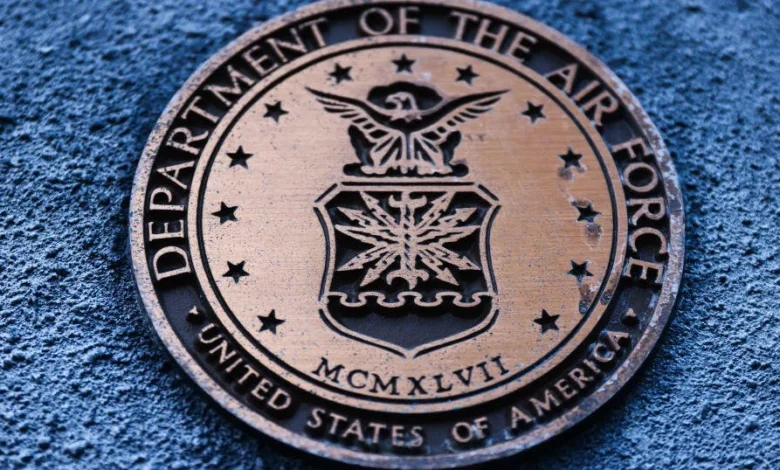
The U.S. Air Force’s premier cloud computing environment, known as Cloud One, has been compromised in a sophisticated cyberattack, according to multiple sources familiar with the investigation. The breach, which was uncovered during routine system upgrades within the last month, potentially exposes a vast repository of sensitive military data and personnel information. This incident marks a significant escalation in a series of digital incursions targeting high-level federal agencies throughout November 2026, raising urgent questions regarding the resilience of the nation’s technological infrastructure.
Anatomy of the Cloud One Breach
Cloud One serves as the backbone for the Air Force’s digital transformation strategy, providing a unified, secure cloud hosting environment for hundreds of mission-critical applications. By consolidating various legacy networks into a singular, scalable cloud architecture, the platform was designed to enhance operational efficiency and data accessibility. However, the recent breach suggests that the very centralization meant to secure these assets may have provided a high-value target for sophisticated threat actors.
While the Air Force has maintained a policy of silence regarding the specifics of the intrusion, the discovery occurred during a window of scheduled system maintenance. This timing is particularly concerning, as it suggests the attackers may have exploited vulnerabilities either introduced during the upgrade process or latent within the software stack prior to the update. The potential exposure includes not only operational military planning data but also personally identifiable information (PII) of service members and contractors, creating significant risks for identity theft and social engineering campaigns directed at military personnel.
The Role of Leidos and Federal Infrastructure Modernization
The management of Cloud One has been under the purview of Leidos, a major defense contractor that secured a $454.9 million contract earlier this year to modernize and harden the Air Force’s cloud operations. The contract was aimed at accelerating the transition to a more agile, cloud-native posture to better counter modern cyber threats.
When approached for comment, a representative for Leidos declined to discuss the specifics of the security incident, citing contractual obligations and deferring all inquiries to the Air Force. The company’s silence reflects the sensitivity of the situation, particularly given the magnitude of the investment meant to prevent exactly this type of occurrence. Industry analysts suggest that the breach will likely trigger a massive forensic audit of the software supply chain utilized by Leidos and its subcontractors, as well as a reassessment of the security protocols governing Cloud One’s administrative access points.
A Month of Unprecedented Federal Vulnerability
The breach of Cloud One does not exist in a vacuum; it is the latest in a cascade of security failures affecting the highest echelons of the United States government throughout November 2026. This period has been characterized by a systemic failure of federal network security, impacting agencies tasked with both national security and domestic operations.
The timeline of these events paints a grim picture of the current threat landscape:
- Federal Aviation Administration (FAA): A massive outage triggered by a digital system failure led to a nationwide ground stop, grounding thousands of flights and paralyzing air travel for tens of thousands of passengers.
- National Security Agency (NSA): An urgent network outage occurred while the agency scrambled to patch critical vulnerabilities in the PHP programming language—a ubiquitous tool that powers a significant portion of the global web. The loss of internal network connectivity at the NSA, a facility dedicated to intelligence gathering and signals security, indicates that even the most fortified organizations are struggling to maintain uptime against emerging vulnerabilities.
- Federal Bureau of Investigation (FBI): Hackers successfully accessed a major database used by law enforcement agencies across the country. The theft of criminal records represents a profound breach of law enforcement security, potentially compromising active investigations and the privacy of millions of citizens.
- Central Intelligence Agency (CIA) and Office of the Director of National Intelligence (ODNI): An intrusion was identified within a network utilized to aggregate open-source intelligence (OSINT). While officials have claimed that no classified systems were breached, the penetration of an intelligence-gathering node is a significant embarrassment and a potential intelligence loss.
Official Responses and Defensive Posture
In response to the inquiry regarding the Air Force breach, a spokesperson for the branch maintained a standard defensive posture. "Ensuring the security, resilience and availability of our most critical war fighting assets remains a top priority," the spokesperson stated. The refusal to confirm or deny the breach is standard practice for the Department of Defense when an investigation is ongoing, as premature disclosure can tip off attackers or complicate efforts to remediate the vulnerability.
However, the contrast between official public statements and the mounting evidence of successful breaches has fueled criticism from cybersecurity experts. Many argue that the current "no comment" approach obscures the severity of the situation and fails to provide necessary transparency to the public and the private sector partners involved in the defense supply chain.
Leadership Turmoil at the National Cyber Directorate
The timing of these security failures is further complicated by the volatile political landscape within the White House. Last week, National Cyber Director Sean Cairncross was terminated from his position. According to reports, the dismissal was driven by White House Chief of Staff Stephen Miller, who had expressed long-standing dissatisfaction with Cairncross’s performance and perceived lack of technical expertise.
The removal of the lead official responsible for coordinating the nation’s cybersecurity strategy during an active wave of high-level breaches has drawn sharp criticism from lawmakers and industry leaders. Critics argue that the leadership vacuum at the National Cyber Directorate could exacerbate the government’s inability to mount a cohesive response to the escalating cyber threats. Without a clear leader to unify the response, federal agencies are often left to manage their own patching and forensic responses, leading to disjointed outcomes and potential gaps in national defense.
Analysis: The Implications for National Security
The breach of Cloud One and other critical infrastructure points to a potential shift in the capabilities of state-sponsored or highly organized cyber-criminal syndicates. The ability to penetrate multiple agencies simultaneously suggests a level of coordination and resource access that far exceeds typical hacktivist operations.
There are three primary implications for the U.S. national security apparatus moving forward:
- The Fragility of Consolidation: The shift toward cloud-centric architectures, while intended to improve performance, creates "single points of failure." When a cloud environment like Cloud One is breached, the scope of the exposure is exponentially higher than that of fragmented, siloed systems.
- Supply Chain Integrity: The involvement of contractors like Leidos underscores the necessity of stringent oversight in the software supply chain. If the breach was facilitated through a compromised software component or an administrative oversight by a contractor, it highlights the need for continuous, zero-trust security validation that extends beyond the internal staff to all third-party vendors.
- The Erosion of Public Trust: A series of high-profile hacks affecting the FBI, NSA, and Air Force undermines public confidence in the government’s ability to protect sensitive data. This erosion of trust can have long-term consequences, including a reluctance among private sector entities to partner with the government on critical infrastructure projects.
As the investigations into the Air Force breach continue, the Department of Defense is expected to undergo a significant security review. The incident will likely serve as a catalyst for a reevaluation of the "cloud-first" policy, with a renewed emphasis on air-gapped systems and more rigorous authentication protocols. For now, the nation remains in a state of heightened digital alert, waiting to see if the recent wave of attacks will subside or if these breaches are merely the prelude to a more sustained campaign against the American digital infrastructure.
Related posts: