Florida Attorney and Longtime Friend Jeff Neiman to Represent Erika Kirk in Prosecution of Accused Assassin of Turning Point USA Founder Charlie Kirk

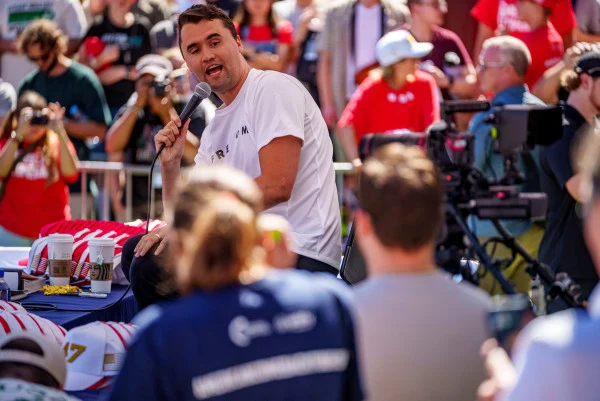
In a significant legal development following the high-profile assassination of conservative activist Charlie Kirk, a South Florida attorney has been formally admitted to the Utah bar to serve as the victim representative for Kirk’s widow, Erika Kirk. Jeff A. Neiman, a partner at the Fort Lauderdale-based firm Neiman Mays Floch & Almeida, was granted a motion to practice pro hac vice in the Utah judicial system. This appointment marks a pivotal moment in the state’s prosecution of 23-year-old Tyler Robinson, the man accused of the fatal shooting that claimed the life of the Turning Point USA founder during a speaking engagement at Utah Valley University last September.
The case has drawn national attention, not only due to the political prominence of the victim but also because of the complex legal maneuvers involving victims’ rights in a capital case. Neiman, a seasoned litigator known for representing high-profile figures in crisis situations, stated that his involvement is personal as much as it is professional. Having maintained a long-standing friendship and professional relationship with the late Charlie Kirk, Neiman’s presence in the Utah courtroom is intended to provide a robust voice for the Kirk family as they navigate the complexities of the criminal justice system.
The Role of the Victim Representative and Legal Precedent
The appointment of a victim representative is a critical component of the American criminal justice system, particularly in jurisdictions that have adopted versions of Marsy’s Law or similar victims’ rights statutes. In Utah, the Constitution and statutory laws provide victims of crime with specific rights, including the right to be treated with fairness, respect, and dignity, and the right to be informed and present at all important stages of the criminal proceedings.
By retaining Neiman, Erika Kirk ensures that her interests are protected independently of the state’s prosecution team. While the District Attorney’s office represents the "People" or the State of Utah in seeking a conviction against Tyler Robinson, the victim representative focuses specifically on the needs and legal standing of the survivors. This includes participating in sentencing hearings, addressing the court regarding bail or release conditions, and ensuring the family is notified of all motions and evidentiary hearings.
Neiman’s admission pro hac vice—a legal term meaning "for this occasion only"—allows him to practice in Utah despite being a member of the Florida Bar. This is typically granted to out-of-state attorneys who possess specialized knowledge of a case or a unique relationship with a client that justifies their inclusion alongside local counsel.
Background of the Incident: The Assassination at Utah Valley University
The events leading to this legal battle began on September 10, when Charlie Kirk was scheduled to address a crowd of students and supporters at Utah Valley University (UVU) in Orem, Utah. Kirk, who founded the influential conservative nonprofit Turning Point USA (TPUSA) in 2012, was a frequent fixture on the university speaking circuit, often drawing large crowds and, occasionally, significant protests.
According to investigative reports and eyewitness accounts, the event was proceeding as planned until a security breach occurred near the podium. Tyler Robinson, then 23, allegedly bypassed security cordons and opened fire, striking Kirk multiple times. The immediate aftermath was characterized by chaos and a massive law enforcement response. Despite the efforts of first responders and campus security, Kirk succumbed to his injuries.
The shooting sent shockwaves through the political landscape, sparking a nationwide debate over the safety of public figures and the increasing volatility of political discourse in the United States. Law enforcement officials quickly apprehended Robinson near the scene. In the months following the arrest, prosecutors have meticulously built a case involving forensic evidence, digital footprints, and eyewitness testimony. Robinson has maintained a plea of not guilty, and his defense team is expected to challenge the state’s evidence regarding premeditation and intent.
Profiling the Legal Teams and the Accused
Jeff Neiman brings a wealth of experience to the Kirk family’s side of the aisle. His career has been defined by high-stakes litigation and the representation of individuals in the public eye. His past roster of clients includes Shark Tank investor Kevin O’Leary, R&B artist Trey Songz, and digital influencer Logan Paul. Neiman’s expertise in crisis management and his background as a former federal prosecutor provide him with a unique perspective on how to handle cases that are subject to intense media scrutiny.
In his statement to the Daily Business Review, Neiman emphasized the weight of the responsibility: "Charlie Kirk was my client and my friend. When Erika called, there was no question I would be there. My only focus now is making sure her voice is heard and her rights are protected through every step of this process."
On the other side of the courtroom, the defense for Tyler Robinson is expected to scrutinize every aspect of the investigation. Robinson, a resident of the region with a limited prior criminal history, faces charges that could result in life imprisonment or the death penalty, depending on the final charges pursued by the state. The prosecution is led by the Utah County Attorney’s Office, which has assigned a team of senior trial lawyers to the case.
Chronology of the Case and Legal Milestones
The progression of the case against Tyler Robinson has been deliberate, reflecting the gravity of the charges.
- September 10: Charlie Kirk is assassinated during a speaking event at Utah Valley University. Tyler Robinson is taken into custody at the scene.
- September 12: Robinson is formally charged with first-degree murder and several weapons-related offenses. He is held without bail.
- October 15: A preliminary hearing is held where the state presents initial evidence, including surveillance footage and ballistic reports. The judge finds sufficient cause to proceed to trial.
- January 2026: Robinson enters a formal plea of not guilty. The defense requests an extension to review the extensive discovery material provided by the state.
- April 10, 2026: The Utah court grants Jeff A. Neiman’s motion to practice pro hac vice, officially recognizing him as the victim representative for Erika Kirk.
- Present Day: The court continues to hear pre-trial motions regarding the admissibility of certain evidence. A definitive trial date has yet to be set, though legal experts anticipate the proceedings could begin in late 2026.
Supporting Data: The Rise of Political Violence and Security Concerns
The death of Charlie Kirk is often cited by analysts as a flashpoint in a broader trend of increasing threats against political activists and elected officials. Data from the Department of Justice and non-partisan think tanks indicate a measurable uptick in "threat incidents" involving public figures over the last decade.
Turning Point USA, the organization Kirk built into a multi-million dollar enterprise, has been at the center of the "campus wars," advocating for conservative values in academic environments that are often perceived as hostile to such views. TPUSA’s growth—reaching over 3,000 chapters across the country—made Kirk a high-profile target for both admiration and vitriol.
In the wake of the shooting, organizations across the political spectrum have called for a reevaluation of security protocols for public events. The UVU incident highlighted potential vulnerabilities in campus security when dealing with high-profile speakers, leading many universities to implement more stringent screening processes and increased police presence at similar events.
Broader Implications for the Legal Landscape
The trial of Tyler Robinson is expected to be a landmark case for the state of Utah. Beyond the immediate criminal charges, the case touches upon several sensitive legal and social issues:
- First Amendment Rights and Public Safety: The case raises questions about how to protect the safety of speakers without infringing upon the open exchange of ideas that universities are meant to foster.
- Victims’ Rights Jurisprudence: The active involvement of a high-profile victim representative like Neiman may set a precedent for how families of public figures engage with the criminal justice system in the future.
- Digital Evidence in Political Cases: Investigators have reportedly analyzed Robinson’s social media activity and digital communications to determine if the attack was politically motivated or if he acted in concert with others. The use of this data in court will be a point of contention.
For Erika Kirk, the legal process is a path toward accountability. The loss of her husband, who was a father and a prominent cultural leader, has left a void in the conservative movement. Her decision to bring in a trusted family friend and a formidable legal mind like Neiman suggests a strategy of active participation rather than passive observation.
Analysis of the Trial’s Potential Trajectory
As the legal community looks toward the trial, several factors will likely influence the outcome. The prosecution’s ability to prove premeditation will be paramount. Under Utah law, first-degree murder requires the state to show that the defendant intentionally or knowingly caused the death of another. If the defense can introduce doubt regarding Robinson’s mental state or the circumstances of the encounter, the charges could potentially be reduced.
However, the public nature of the crime and the overwhelming amount of eyewitness testimony present a significant challenge for the defense. The role of Jeff Neiman will be to ensure that the human element of the tragedy—the impact on the Kirk family—is never lost amidst the technicalities of the law.
The legal community will also be watching the interaction between the Florida-based Neiman and the Utah-based prosecution. While their goals are aligned in seeking justice, the presence of a private attorney for the victim adds a layer of oversight to the state’s handling of the case.
Conclusion and Future Outlook
The assassination of Charlie Kirk remains one of the most shocking events in recent political history. As the state of Utah prepares for what will undoubtedly be a high-profile trial, the inclusion of Jeff Neiman as Erika Kirk’s representative underscores the high stakes involved.
The upcoming months will involve continued discovery and pre-trial hearings that will shape the narrative of the trial. For the Kirk family, the goal remains clear: to see a full accounting of the events that transpired on September 10 and to ensure that the legal system provides a measure of justice for a life cut short. The presence of Neiman, a veteran of the legal trenches and a close confidant of the late activist, ensures that the voice of the victim will be a powerful and professional force in the courtroom.
As the world watches the Utah court system, the trial of Tyler Robinson will serve as a somber reminder of the costs of political polarization and the enduring importance of the rule of law in addressing even the most violent of tragedies.