Bong Joon Ho Returns to Sci-Fi: What We Know About Mickey 17 Starring Robert Pattinson

The cinematic world has long awaited the follow-up project from South Korean auteur Bong Joon Ho, whose historic sweep at the 92nd Academy Awards cemented his status as a titan of modern global cinema. With his upcoming feature film Mickey 17, the visionary director is stepping back into the science fiction genre, adapting Edward Ashton’s acclaimed novel Mickey 7. Slated to arrive in theaters on March 29, 2024, the film promises to blend high-concept existential philosophy with the signature dark comedy and social commentary that defined Bong’s previous masterpieces. Backed by a stellar ensemble cast and a top-tier production crew, Mickey 17 is shaping up to be one of the most anticipated cinematic events of the decade.
Main Facts and Premise
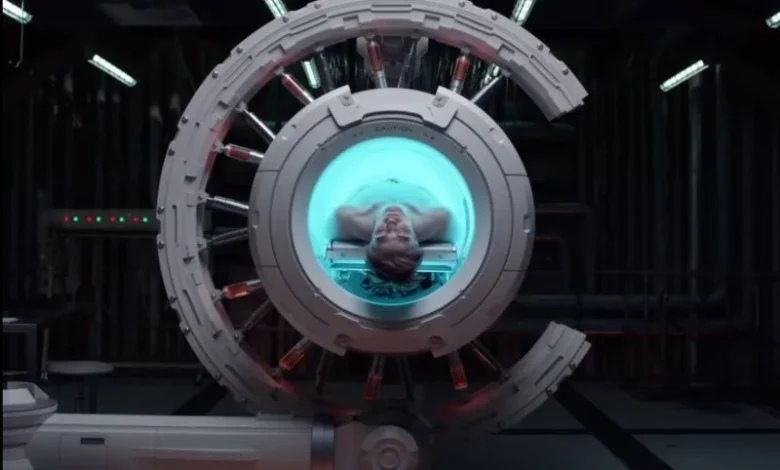
At the center of Mickey 17 is a fascinating and deeply unsettling premise rooted in the perils of interstellar colonization. The narrative follows Mickey 7, an "expendable"—a disposable employee on a human expedition dispatched to colonize Niflheim, a hostile, ice-covered alien world. In this futuristic society, whenever a mission is deemed too dangerous, high-risk, or outright suicidal, the expendable employee is sent in. Should Mickey die on assignment, a new body is regenerated with most of his memories intact, allowing the mission to continuously utilize his labor without the logistical nightmare of hiring and training new personnel.
As the title of the film suggests, the narrative kicks off during the protagonist’s seventeenth iteration. While the source material by Ashton establishes the groundwork, Bong Joon Ho—who penned the screenplay himself—is known for taking bold creative liberties with his adaptations, much like he did with his earlier literary-inspired works such as Snowpiercer and Okja. Fans of the book can anticipate unexpected narrative twists, deeper psychological explorations, and perhaps a sharper satirical edge regarding corporate exploitation and the expendability of human life in the name of progress.
A Star-Studded Ensemble Cast
The production has drawn immense industry attention largely due to its powerhouse cast, led by Robert Pattinson in the titular dual role of Mickey. Pattinson, who has carefully cultivated a reputation for starring in challenging, boundary-pushing auteur projects following his mainstream blockbusters, is uniquely suited to portray a character subjected to repeated existential trauma and bodily resurrection.
Pattinson is joined by an extraordinary roster of supporting talent, including Academy Award-nominee Steven Yeun, British actress Naomi Ackie, acclaimed Australian actress Toni Collette, and Marvel Cinematic Universe veteran Mark Ruffalo. The dynamic between this ensemble is expected to drive the narrative’s interpersonal conflicts, particularly as the crew navigates the treacherous geopolitical and survivalist pressures of establishing a foothold on Niflheim. Behind the scenes, the project boasts powerhouse production backing from Plan B Entertainment, alongside Warner Bros. Pictures, ensuring a grand visual scale that matches the conceptual ambition of its director. Furthermore, the film’s auditory landscape will be shaped by composer Jae-il Jung, whose haunting and meticulously crafted score for Parasite played an instrumental role in elevating that film’s tension and emotional resonance.
Chronology of Bong Joon Ho’s Historic Run and Production Timeline
To understand the magnitude of Mickey 17, it is essential to trace the chronology of Bong Joon Ho’s career leading up to this point. The director’s journey to Hollywood dominance was decades in the making, built upon critically lauded South Korean features such as Memories of Murder (2003), The Host (2006), Mother (2009), and Snowpiercer (2013). However, it was his 2019 masterpiece Parasite that completely shattered glass ceilings in the global entertainment industry.
In February 2020, at the 92nd Academy Awards, Parasite achieved an unprecedented feat by becoming the first non-English-language film in history to win the Oscar for Best Picture. In addition to the top prize, Bong secured victories for Best Director, Best Original Screenplay, and Best International Feature Film, dominating a ceremony that historically favored Western, English-language productions. This monumental triumph fundamentally shifted Hollywood’s appetite for international talent and storytelling, opening doors for creators worldwide.
Following the global phenomenon of Parasite, industry insiders and cinephiles eagerly awaited Bong’s next move. Development on the adaptation of Edward Ashton’s novel was quietly set into motion, with news breaking that the director had locked in his creative partnership with Warner Bros. Filming commenced under strict secrecy, and the first official teaser trailer dropped in late 2022, offering audiences a chilling, atmospheric glimpse into the sterile yet claustrophobic world of the Niflheim expedition. The initial release date was set for March 29, 2024, though industry adjustments and post-production timelines later shifted the premiere window slightly, maintaining astronomical anticipation.
Supporting Data and Industry Context
The science fiction genre has historically served as a mirror for contemporary societal anxieties, from cold war paranoia to modern anxieties surrounding automation, artificial intelligence, and corporate greed. Mickey 17 enters a crowded marketplace of high-budget sci-fi cinema, yet it stands apart due to its auteur-driven pedigree.
Financially, Bong Joon Ho’s track record demonstrates immense commercial viability paired with critical acclaim. Parasite grossed over $263 million worldwide against an estimated budget of roughly $11 million, making it one of the most profitable independent crossover hits of the 21st century. While Mickey 17 operates on a significantly larger studio budget commensurate with Hollywood science-fiction epics, Warner Bros. is relying heavily on Bong’s global brand recognition and Robert Pattinson’s bankability to attract both arthouse enthusiasts and mainstream multiplex audiences.
Moreover, the themes of cloning, bodily autonomy, and corporate disposability addressed in Mickey 17 align closely with real-world technological and ethical debates currently dominating public discourse. As advancements in biotechnology, artificial intelligence, and corporate automation accelerate, narratives that question the value of human consciousness versus utility resonate more deeply than ever with modern viewers.
Official Responses and Creative Insights
While full plot details remain tightly guarded by Warner Bros. marketing teams, early statements from the creative team emphasize the darkly comedic and philosophical undertones of the story. Bong Joon Ho has frequently discussed his fascination with ordinary people thrust into extraordinary, absurd, and systems of oppression—a thematic thread running consistently from Memories of Murder to Okja.
Robert Pattinson has similarly expressed profound enthusiasm for the project, noting in early press interactions that the script for Mickey 17 is among the most bizarre, inventive, and structurally unique pieces of material he has ever encountered. The dual nature of playing multiple iterations of the same character—who occasionally interact with one another—demanded a rigorous physical and psychological performance style from the actor, drawing comparisons to his acclaimed work in cerebral indie dramas and psychological thrillers.
Broader Impact and Implications for the Film Industry
The release of Mickey 17 carries significant implications for the future of international auteur cinema within the Hollywood studio system. In an era dominated by intellectual property revivals, superhero franchises, and algorithmic content creation, greenlighting a massive, high-budget, original conceptual sci-fi film directed by a foreign auteur represents a major financial and creative gamble.
If Mickey 17 succeeds both critically and commercially, it will further validate the studio model of granting visionary directors complete creative autonomy on large-scale canvases. It proves that audiences are still hungry for ambitious, thought-provoking storytelling that challenges conventional narrative structures. Conversely, any underperformance could reinforce risk-averse tendencies among major studios. However, given the immense global fanbase amassed by Bong Joon Ho and the magnetic star power of Robert Pattinson, Mickey 17 is positioned to be a cultural touchstone that will dominate cinematic conversations well beyond its spring release date, cementing a new milestone in modern science fiction history.