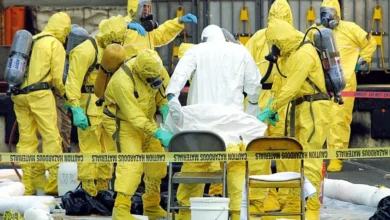
Toxic Residue and Lingering Health Risks Persist for Maui Wildfire Survivors Long After the Flames Have Been Extinguished

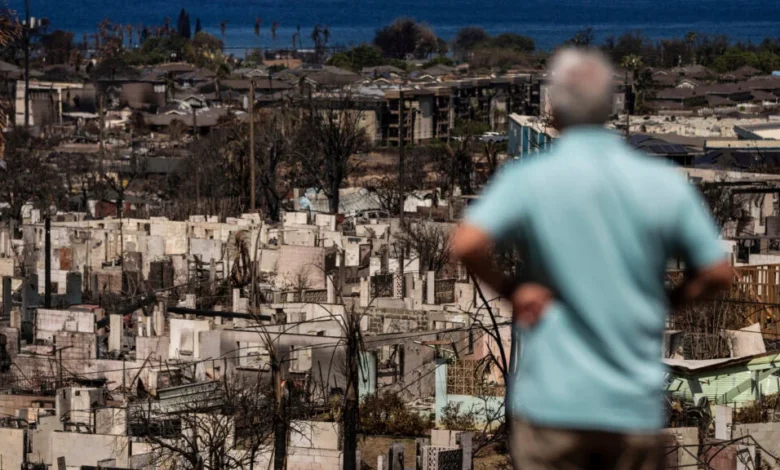
The catastrophic wildfires that tore through the island of Maui in August 2023 were not merely an ephemeral disaster; they represented a seismic shift in the environmental and public health landscape of the region. While the immediate destruction of Lahaina—which claimed over 100 lives and leveled historic neighborhoods—dominated global headlines, a new, sobering reality has emerged. Groundbreaking research published in the Proceedings of the National Academy of Sciences reveals that the smoke, ash, and debris left in the wake of the inferno have created a toxic legacy, subjecting local residents to harmful metal exposure for up to a year and a half after the fires ceased.
The study, a cornerstone of the expansive Maui Wildfire Exposure Study (MauiWES), highlights a critical oversight in traditional disaster management: the assumption that public health risks dissipate once the active flames are extinguished. Instead, the research suggests that the vaporization of modern infrastructure—homes, vehicles, and electronics—has fundamentally altered the chemical composition of the local environment, creating a persistent, long-term health burden for the surviving population.
A Chronology of the Disaster and Its Aftermath
The crisis began on August 8, 2023, when a brushfire, fueled by high winds and exacerbated by drought conditions, spiraled out of control. The fire, which was reportedly sparked by downed power lines, moved with unprecedented speed, consuming the historic town of Lahaina. By the time the fires were contained, the scale of destruction was nearly absolute, with thousands of structures obliterated.
In the weeks following the event, the focus was primarily on search and recovery efforts, the identification of victims, and the provision of emergency housing for the displaced. However, by late 2023 and into 2024, as residents began to navigate the complex process of debris removal and environmental remediation, concerns regarding air quality and soil contamination grew. It was during this period that researchers from the University of Hawaiʻi launched the MauiWES, aiming to quantify the biological impact of the fires on the community. The study’s findings, released this week, offer the first comprehensive look at the internal chemical markers present in survivors long after the smoke cleared.
Chemical Composition and Biological Findings
The researchers analyzed urine samples from 1,400 adults, uncovering significantly elevated concentrations of toxic heavy metals, including arsenic, cadmium, copper, and antimony. The data provided a startling comparison to standard U.S. biomonitoring metrics. Antimony levels were found to be nearly 40 times higher in participants than in the general population, while manganese, barium, and arsenic levels were 3.8, 2.3, and 2.2 times higher, respectively.
These findings are consistent with the hypothesis that the burning of man-made structures introduces a unique toxic profile into the environment. Unlike wildfires involving only vegetation, which release carbon-based particulates, the incineration of urban environments releases a cocktail of synthetic materials. Plastics, insulation, electronic circuit boards, and treated woods, when burned at high temperatures, release these heavy metals into the atmosphere, which then settle into the ash, soil, and dust that residents continue to interact with during the rebuilding process.
Alika Maunakea, co-principal investigator of the study and a professor at the University of Hawaiʻi at Mānoa, emphasized the complexity of these exposures. "What we are dealing with is a much more complicated mixture of chemical exposures than what is typically seen in forest-only fires," Maunakea noted. The study found a direct correlation between these high metal concentrations and diminished lung function, with participants exhibiting reduced breathing capacity and physiological markers of chronic respiratory distress.
Contextualizing Climate Change and Urban Wildfires
The Maui fires are part of a growing global trend of "wildland-urban interface" (WUI) fires. As climate change increases the frequency and intensity of drought conditions, vegetation becomes more combustible. Simultaneously, human development continues to push into previously wild areas, placing densely populated neighborhoods in the path of potential infernos.

Experts in atmospheric science and public health point out that the warming planet is not only increasing the frequency of such events but is also changing their nature. Higher temperatures and lower humidity mean fires can reach temperatures capable of melting metal and vaporizing toxic household chemicals, creating hazardous airborne plumes that travel far beyond the perimeter of the initial blaze. This has created a new category of "disaster-related illness" that requires specialized medical monitoring.
Implications for Disaster Response and Public Policy
The findings from the MauiWES project serve as a clarion call for a fundamental restructuring of post-disaster response protocols. Traditionally, emergency agencies focus on the "immediate danger" phase—the evacuation and the containment of the fire. However, the data indicates that the "danger phase" for human health lasts for years, not days or weeks.
Ruben Juarez, a professor of health economics and co-principal investigator of the study, argued that current recovery efforts must incorporate long-term medical monitoring and environmental detoxification. "Disaster response should not stop when the visible danger is gone," Juarez said. He suggested that policies must shift toward sustained support for communities, including routine biomonitoring for residents living in fire-affected zones and rigorous decontamination efforts for soil and residue that may remain trapped in neighborhoods for years.
The study does acknowledge certain limitations. Because there is no comprehensive baseline data for the health of Maui residents prior to the August 2023 fires, it is difficult to isolate the exact percentage of toxic exposure attributable solely to the wildfire versus existing environmental factors, such as volcanic activity, local geology, or diet. However, the researchers noted that the geographic distribution of the health outcomes—which aligned closely with the path of the smoke and ash—provides a strong indication of the fires’ primary role.
The Broader Burden of Environmental Disasters
The long-term health consequences of the Maui fires are part of a larger, global conversation about the human cost of climate-related disasters. Dr. Kekoa Taparra, a physician and assistant professor at the University of California, Los Angeles, who was not involved in the study, highlighted the interconnected nature of these issues.
"Historic wildfires in Los Angeles and now in Lahaina demonstrate that these disasters produce cascading consequences," Taparra stated. "We are seeing disruptions in healthcare access, the loss of social networks, and the introduction of new environmental hazards that affect mortality long after the news cycle moves on."
The findings also underscore the need for environmental justice. Communities in the path of these disasters are often left to navigate the long-term health risks with limited resources. If local health systems are not equipped to track and treat the lingering effects of toxic chemical exposure, the long-term morbidity of these populations will likely increase, leading to a higher incidence of respiratory, cardiovascular, and potential long-term systemic diseases.
Toward More Resilient Health Systems
As communities across the globe face the increasing threat of intense, climate-fueled wildfires, the lessons learned from Maui will be instrumental in building more resilient infrastructure. This includes:
- Integrated Air Quality Monitoring: Deploying localized, long-term air and soil monitoring systems in the wake of any major wildfire to track the movement and settlement of heavy metals.
- Community Biomonitoring Programs: Establishing longitudinal studies to track the health of residents in fire-impacted areas, ensuring that those with declining respiratory function receive early intervention.
- Enhanced Debris Management: Recognizing that the debris from destroyed homes is a toxic waste site, and implementing stricter, more careful removal protocols to prevent the re-aerosolization of heavy metals during the cleanup process.
- Policy-Driven Support: Securing long-term funding for community health centers in disaster-prone regions, acknowledging that the financial burden of these events is not limited to the physical reconstruction of buildings.
The Maui Wildfire Exposure Study represents a paradigm shift. It forces a move away from viewing wildfires as singular, acute events and toward an understanding of them as chronic environmental hazards. As the climate continues to change, the ability of scientists to measure, quantify, and mitigate these exposures will be the defining factor in protecting the health and longevity of those living in high-risk zones. The tragedy in Lahaina, while historic in its immediate impact, has now provided a vital framework for understanding how to protect future generations from the invisible, persistent threats that remain long after the embers die.