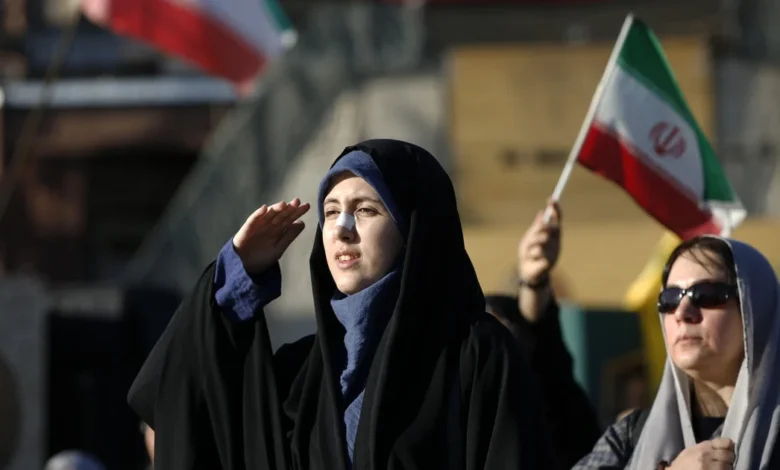
The arrival of an Iraqi Airways flight in Tehran on Thursday marked a significant, albeit narrow, diplomatic and logistical breakthrough in the seven-month-old conflict between Iran and the United States. The flight, originating from the Iraqi holy city of Najaf, touched down at Imam Khomeini International Airport, representing the first commercial service by a foreign carrier to enter Iranian airspace since the outbreak of hostilities. This development follows a critical sanctions waiver granted by the United States, which has sought to maintain a policy of "maximum pressure" on Tehran’s aviation sector while navigating the humanitarian complexities of regional religious pilgrimages.
The resumption of this specific route underscores the delicate balancing act being performed by Washington and Baghdad. While the U.S. remains committed to isolating Iran’s aviation industry—forcing major carriers to ground international flights following sweeping sanctions imposed last month—the exemption highlights the geopolitical necessity of allowing movement between Iran and Iraq, particularly for Shia pilgrims visiting revered shrines in Najaf. According to Iraqi transport officials, the waiver is strictly limited to this pilgrim traffic, a move intended to prevent the broader reactivation of Iran’s commercial aviation capabilities.
A Conflict of Strategic Blockades and Economic Strain
The regional landscape remains volatile as the conflict, which began in late February 2026, continues to reshape the Middle East’s security architecture. Central to this instability is the ongoing contest for control over the Strait of Hormuz. While Secretary of State Marco Rubio asserted on Wednesday during a visit to Athens that Iran has "lost complete control" of the vital waterway and that oil flows are approaching pre-war levels, the rhetoric from Tehran suggests a different reality.
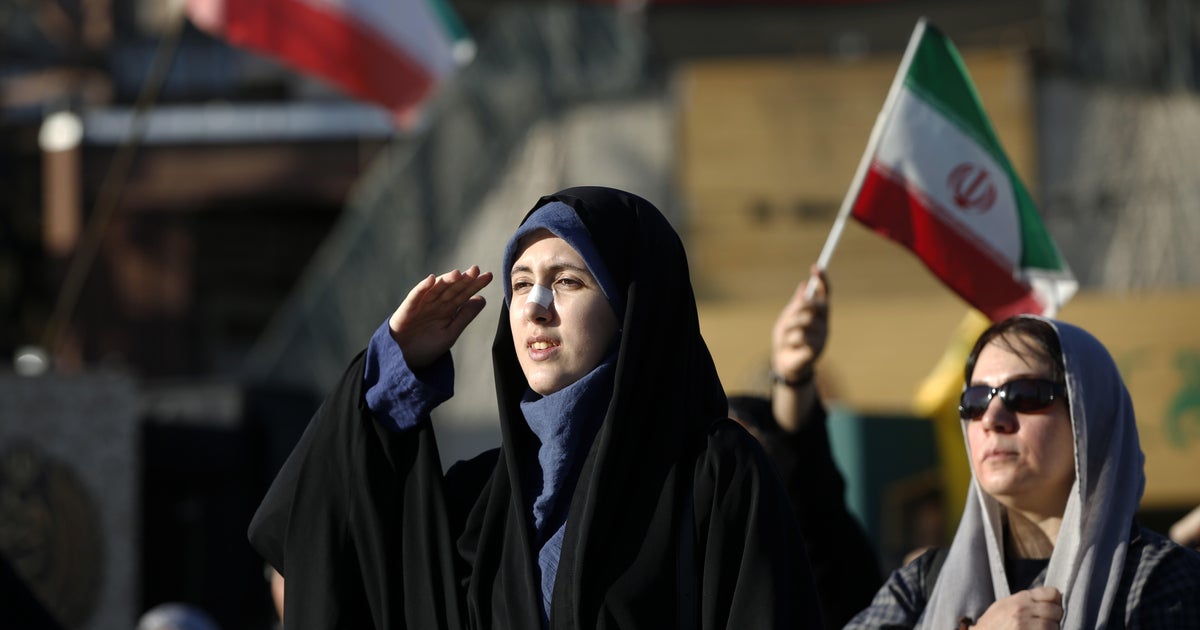
Brigadier General Mohammad Reza Naqdi, a senior adviser to the Islamic Revolutionary Guard Corps (IRGC), countered Rubio’s claims by reiterating that Iran maintains a stranglehold on the strait. Naqdi warned that "illegal routes"—referring to paths cleared by unnamed parties using explosives to bypass Iranian blockades—would be blocked in the "near future." The economic implications are profound; while maritime tracking firms like Kpler report that oil exports from the region have reached 80% of pre-war levels, the persistent threat of kinetic action has kept global energy markets on edge. Brent crude has fluctuated around the $99 per barrel mark, reflecting the high-risk premium still priced into global oil markets.
Escalation in the Arabian Peninsula
The conflict has expanded significantly beyond the Persian Gulf, with Yemen’s Houthi rebels intensifying their offensive against Saudi Arabia. On Thursday, the Houthis claimed a successful ballistic missile strike on King Khalid International Airport in Riyadh, the third such claim in a single week. This follows a deadly sequence of events on Tuesday and Wednesday, where the Saudi Civil Aviation Authority reported three fatalities and dozens of injuries resulting from Houthi strikes on Abha and Riyadh.
The United States Embassy in Riyadh issued an urgent security alert on Tuesday, urging U.S. citizens to exercise "heightened vigilance" and prepare for potential flight cancellations and airspace closures. The conflict, which has seen the Yemeni government launch a counter-offensive to reclaim territory in the northwest, has now displaced more than 200,000 people, according to the International Organization for Migration. The humanitarian crisis is deepening as both sides trade fire, with the Bab el-Mandeb Strait emerging as a primary battleground for regional dominance.
The Military Reality: From Defensive Posturing to Preemptive Strikes
The intensity of the war is further illustrated by new footage obtained by CBS News, revealing the scale of Iranian attacks on U.S. military installations at the start of the conflict. The videos, captured at Camp Buehring in Kuwait, depict the devastating impact of ballistic missiles and drone strikes. Military analysts note that the strain on U.S. forces in the opening months was severe, with reports of supply shortages, including critical .50-caliber ammunition, forcing commanders to reposition troops into the harsh environment of the Udari Desert.
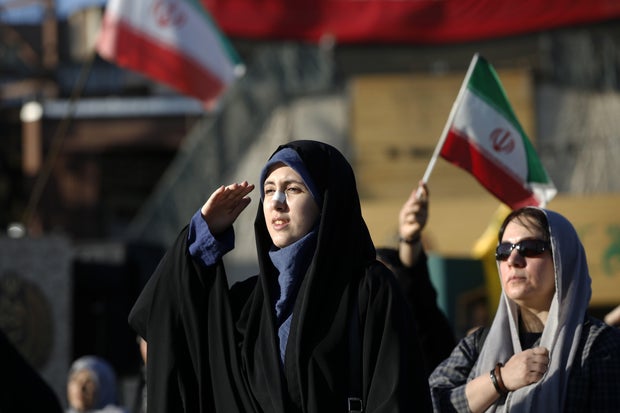
In a concerning shift in military doctrine, Brigadier General Mohammad Akrami-Nia of the Iranian army recently signaled that Tehran is moving from a defensive posture to an offensive one. "If necessary, in the future we will carry out preemptive operations to prevent the enemy from carrying out any aggression," Akrami-Nia stated. This assertion follows the Iranian military’s claim that they successfully targeted U.S. bases with drones earlier in the war to "take the initiative" away from American forces.
The Diplomatic and Political Fallout
As the war enters its eighth month, the political discourse in Washington remains focused on nuclear non-proliferation and the cost of the conflict. Vice President JD Vance appeared to soften the administration’s stance on Tuesday, suggesting that Iran should make a "meaningful" reduction in its enrichment capacity rather than a total cessation, a pivot from President Trump’s earlier, more rigid demands. However, a senior Iranian official involved in indirect negotiations rejected these overtures, stating that U.S. "requests and ideas" are fundamentally at odds with Iran’s demands, which include the lifting of all port blockades.
Meanwhile, the domestic impact of the war on the U.S. military community has been fraught with tension. A planned White House event for Gold Star families—honoring those lost in the conflict—has seen a significant boycott from the families of six soldiers killed in a March 1 strike on Port Shuaiba, Kuwait. Joey Amor, the husband of the late Master Sgt. Nicole M. Amor, publicly demanded transparency regarding the circumstances of the attack, criticizing the administration for what some families perceive as a lack of respect and reckless oversight. The war, which has claimed 19 American lives and wounded over 800, continues to be a polarizing issue within the U.S. political landscape.
A Broader Context of Regional Suffering
While the geopolitical maneuvering continues in capitals from Washington to Tehran, the human cost of the conflict remains the most persistent tragedy. In Gaza, the three-year anniversary of the October 7, 2023, attacks was marked not by celebration, but by a solemn acknowledgment of the 70,000-plus casualties and the pervasive destruction of the territory. For the residents of Gaza, the war has resulted in a landscape of squalid tent camps and rubble, where the memory of the past three years serves as a grim baseline for daily survival.

In Israel, the anniversary has brought a complex stage of grief. The return of all hostages, including individuals like Elkana Bohbot who spent 738 days in captivity, has shifted the focus from immediate rescue to the long-term trauma of a nation that remains in a state of high alert.
Economic Implications and Future Outlook
Looking ahead, the International Energy Agency (IEA) has stated it is prepared to release additional oil from strategic reserves if necessary, prioritizing diesel to address supply tightness. The IEA has already coordinated the release of 325 million barrels of oil and refined products, yet industry leaders like Saudi Aramco CEO Amin Nasser have warned that global stockpiles remain "scarily thin."
Syria is also positioning itself as an alternative export route for Iraqi crude, with the Syrian Petroleum Co. announcing plans for an overland trucking route to the Mediterranean port of Baniyas to bypass the threatened Strait of Hormuz. This initiative, expected to commence by mid-October, highlights the desperation of regional powers to maintain economic viability amidst the blockade.
President Trump has maintained an optimistic tone, repeatedly stating that the war will end "very soon" and predicting a significant drop in oil prices. However, the reality on the ground—characterized by the persistent threat of missile strikes in Saudi Arabia, the fortification of the Strait of Hormuz, and the deepening military entanglement of global powers—suggests a conflict that is far from its conclusion. As the diplomatic, military, and humanitarian threads of this war continue to intertwine, the Middle East faces an extended period of profound instability that shows little sign of immediate resolution.