Mickey 17: Bong Joon Ho’s Sci-Fi Epic Starring Robert Pattinson Set for March 2024 Release


A first look at the highly anticipated science fiction film "Mickey 17," directed by the acclaimed Bong Joon Ho, has been unveiled, signaling the filmmaker’s return to the director’s chair following his historic Best Picture win at the Academy Awards for "Parasite." The movie, slated for a theatrical release on March 29, 2024, stars Robert Pattinson in the titular role and is based on the novel "Mickey 7" by Edward Ashton. While drawing inspiration from the source material, Bong Joon Ho has penned the screenplay, suggesting potential narrative divergences that could offer a unique interpretation of the dystopian tale.
From Novel to Screen: The Premise of "Mickey 17"
The novel "Mickey 7" introduces a compelling narrative set on the desolate, ice-covered planet Niflheim. The story centers on Mickey 7, a disposable employee tasked with undertaking perilous missions that other colonists are unwilling or unable to perform. This expendable role implies a recurring nature to his existence, as the narrative reveals that Mickey 7 is not the first iteration of his character; he is the seventh in a line of identically named and programmed individuals. This concept of manufactured, replaceable human life forms, coupled with the inherent dangers of a nascent colonial endeavor, forms the thematic core of the story. The film’s adaptation promises to explore these themes through Bong Joon Ho’s distinctive cinematic vision, which has consistently blended genre conventions with profound social commentary.
The production of "Mickey 17" is being spearheaded by Plan B Entertainment, the production company co-founded by Brad Pitt, known for its involvement in critically acclaimed films such as "Moonlight," "12 Years a Slave," and "The Departed." This collaboration suggests a commitment to high-quality filmmaking and artistic integrity. Further amplifying the film’s pedigree, the musical score is being composed by Jae-il Jung, the same composer who crafted the memorable and haunting soundtrack for "Parasite." Jung’s work on Bong Joon Ho’s previous film was instrumental in shaping the emotional landscape and suspense of the narrative, and his return for "Mickey 17" indicates a continued creative partnership that has yielded significant artistic success.
Bong Joon Ho’s Ascent and "Mickey 17"
Bong Joon Ho’s directorial career has been marked by a consistent ability to craft films that are both critically lauded and commercially successful, often blurring the lines between genres like thriller, dark comedy, and social satire. His breakthrough on the international stage came with "Snowpiercer" (2013), a dystopian science fiction film that garnered significant attention for its visual style and thematic depth. However, it was "Parasite" that catapulted him to global superstardom.
The 2020 Academy Awards ceremony marked a watershed moment for international cinema when "Parasite" achieved unprecedented success, becoming the first non-English language film to win the Oscar for Best Picture. The film also secured Oscars for Best Director, Best International Feature Film, and Best Original Screenplay, solidifying Bong Joon Ho’s status as a master storyteller. The critical and commercial triumph of "Parasite" not only brought international recognition to South Korean cinema but also elevated expectations for Bong Joon Ho’s subsequent projects. "Mickey 17" arrives with the weight of this legacy, poised to be a major cinematic event.
A Stellar Ensemble Cast
Adding significant star power to "Mickey 17" is a cast that includes some of Hollywood’s most recognizable and respected actors. Robert Pattinson, who has garnered critical acclaim for his diverse roles in films such as "The Lighthouse," "Tenet," and "The Batman," takes on the central role of Mickey. He is joined by a formidable ensemble, including Steven Yeun, known for his compelling performances in "The Walking Dead" and the critically acclaimed film "Minari"; Naomi Ackie, who won a Golden Globe for her portrayal of Whitney Houston in "I Wanna Dance with Somebody"; Toni Collette, an Oscar-nominated actress celebrated for her versatility in films like "Hereditary" and "The Sixth Sense"; and Mark Ruffalo, a veteran actor widely recognized for his role as the Hulk in the Marvel Cinematic Universe and his Oscar-nominated performance in "Spotlight." The collective talent of this cast suggests a rich and nuanced portrayal of the characters and the world Bong Joon Ho has created.
Thematic Resonance and Potential Implications
The premise of "Mickey 17" touches upon several contemporary and enduring themes. The concept of a disposable, expendable workforce mirrors concerns about labor exploitation, the gig economy, and the ethical implications of artificial intelligence and advanced cloning technologies. The setting on an alien planet, Niflheim, suggests themes of exploration, survival, and humanity’s drive to expand and colonize, often at significant environmental and ethical cost. Bong Joon Ho’s films have consistently explored societal inequalities and the complex interplay between the haves and have-nots, and "Mickey 17" is likely to continue this tradition, potentially offering a biting commentary on class structures and the human condition within a futuristic context.
The decision to adapt Edward Ashton’s novel, which has a clear science fiction premise, allows Bong Joon Ho to further explore his affinity for the genre, which he previously showcased in "Snowpiercer" and "Okja." His ability to infuse genre narratives with profound social and philosophical questions has made him a unique voice in contemporary cinema. The film’s success could also further bolster the global appeal of Korean cinema and talent, building on the momentum generated by "Parasite."
Timeline and Production Milestones
While specific production details for "Mickey 17" have been closely guarded, the film has been in development for some time. The initial announcement of Bong Joon Ho’s next project after "Parasite" generated considerable excitement within the film industry and among cinephiles worldwide. Filming for "Mickey 17" reportedly took place in studios in the United Kingdom and is understood to have commenced in late 2021 or early 2022. The subsequent release date of March 29, 2024, indicates a substantial post-production period, allowing for intricate visual effects, sound design, and editing characteristic of Bong Joon Ho’s meticulous filmmaking approach. This extended timeline underscores the ambition and scale of the project, aiming to deliver a visually stunning and thematically rich cinematic experience.
The novel "Mickey 7" by Edward Ashton was published in February 2022, and the film’s development was concurrent with or closely followed its release, demonstrating the rapid pace at which Bong Joon Ho and his team moved to bring this story to the screen. The adaptation process, particularly for a director known for his distinct vision, often involves significant creative input, and Bong Joon Ho’s involvement in penning the screenplay suggests a deep engagement with the material and a clear artistic direction for the film.
Industry Reactions and Expectations
The announcement of "Mickey 17" and its subsequent casting and production updates have been met with widespread anticipation. Industry analysts and critics have speculated that the film has the potential to be another major awards contender, given Bong Joon Ho’s track record and the caliber of the cast and crew involved. The commercial prospects are also considered strong, particularly with a global star like Robert Pattinson leading the film and a director whose name now carries significant international brand recognition.
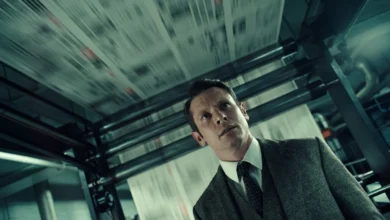
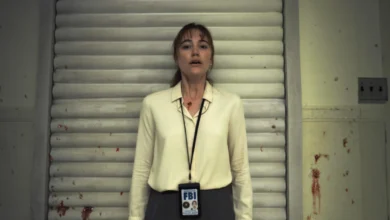
The film’s success will be closely watched as an indicator of the continued appetite for ambitious, original storytelling in an era dominated by franchise films. Bong Joon Ho’s ability to craft films that resonate with both critical and commercial audiences suggests that "Mickey 17" could be another significant milestone in his illustrious career and a landmark film for the science fiction genre. The early promotional material, including the first look image, has already generated considerable buzz, hinting at the film’s distinct visual style and atmospheric tone.
Broader Impact and Future Outlook
The release of "Mickey 17" is more than just the debut of a new film; it represents a significant cultural moment. It signals the return of a filmmaker who has redefined international cinema and broadened the horizons of storytelling. The film’s themes of human identity, societal structures, and the future of humanity in the face of technological advancement and existential challenges are likely to spark widespread discussion and critical analysis.
As audiences eagerly await March 2024, the anticipation for "Mickey 17" continues to build. The film stands as a testament to the power of visionary filmmaking and the enduring appeal of original science fiction narratives. With Bong Joon Ho at the helm, a stellar cast, and a compelling story, "Mickey 17" is poised to be one of the most talked-about and critically acclaimed films of its release year, further cementing Bong Joon Ho’s legacy as one of the most important cinematic voices of his generation. The movie’s success could also pave the way for further international collaborations and a continued push for diverse and compelling storytelling on the global stage.
Related posts: