Southwest Airlines sets March 2027 launch for Boeing 737 MAX 7 passenger service as fleet modernization gains momentum

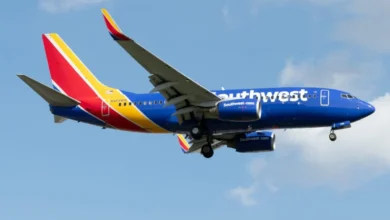
Southwest Airlines is poised to usher in a new era for its fleet, with internal documentation confirming that the carrier expects to begin commercial passenger operations with its Boeing 737 MAX 7 aircraft in March 2027. This milestone follows a protracted certification process and represents a significant step in the airline’s strategy to modernize its aging fleet, replace older 737-700 models, and enhance the onboard passenger experience.
The deployment of the MAX 7 is not merely a fleet addition; it is a critical component of Southwest’s broader operational restructuring. The airline, which has historically relied on the consistency of the Boeing 737 family to maintain efficiency, views the MAX 7 as the optimal bridge between its smaller, legacy aircraft and the high-capacity 737 MAX 8 models currently in service.
A Chronology of Certification and Delivery
The path to the MAX 7’s entry into service has been defined by years of regulatory scrutiny and engineering refinements. The aircraft officially secured its type certification from the Federal Aviation Administration (FAA) on August 3, 2026. This certification was the culmination of extensive design revisions, most notably regarding the engine anti-ice system, which had been a point of contention during the developmental phase. Furthermore, Boeing integrated critical updates to flight control software and pilot alert systems to meet modern safety standards.

According to the internal rollout schedule, Southwest is set to receive its initial batches of the aircraft starting in mid-to-late December 2026. However, the delivery of the airframes is only the beginning of a rigorous integration process. Southwest must navigate a series of regulatory requirements, including comprehensive staff training, detailed internal inspections, and the compilation of extensive technical documentation. A crucial component of this phase involves validation flights conducted in conjunction with FAA personnel, ensuring that the aircraft’s performance metrics align with the airline’s specific operating parameters.
The internal roadmap also mandates a series of "+90 flights" across the fleet prior to the March debut. These flights are designed to ensure that the aircraft are fully operational and that the cabin systems, including the new connectivity suites, are functioning within expected parameters before they are cleared for revenue service.
Technical Specifications and Cabin Upgrades
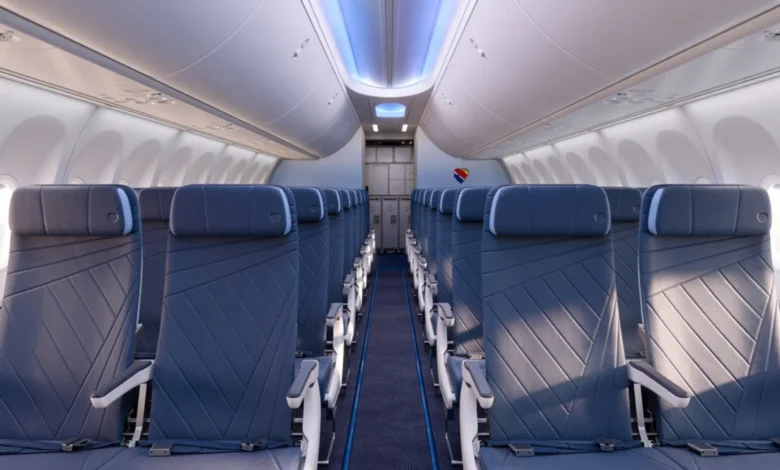
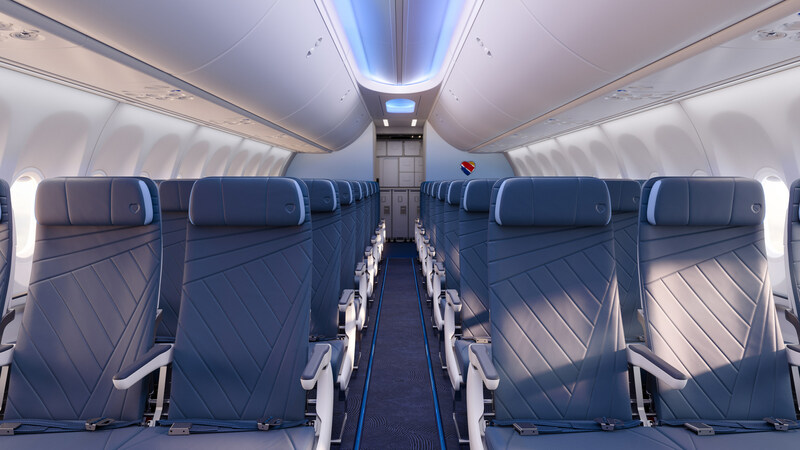
The MAX 7 cabin configuration marks a departure from the traditional Southwest layout, prioritizing passenger comfort and modern utility. Each aircraft will feature 150 Recaro seats, a deliberate choice that keeps the total capacity just below the threshold that would require an additional flight attendant. Under current FAA regulations, airlines must employ one flight attendant for every 50 passenger seats; by maintaining a 150-seat configuration, Southwest optimizes its labor costs while maximizing capacity.
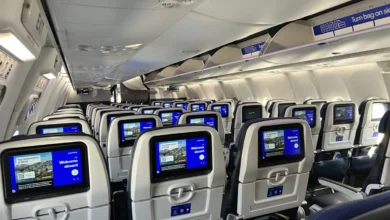
Beyond the seating density, the cabin will be equipped with significant technological enhancements. A primary focus is the integration of SpaceX’s Starlink high-speed internet, a move aimed at addressing long-standing criticisms regarding the reliability of Southwest’s previous Wi-Fi providers. The airline has committed to a fleet-wide rollout of Starlink by the autumn of 2027. Additionally, the cabin will feature seat-back power outlets and larger overhead storage bins, both of which are essential in an environment where passengers increasingly carry on their luggage to avoid checked bag fees.

The inclusion of three lavatories represents a functional upgrade over the two-lavatory configuration found on the older 737-700s, addressing a common pain point for passengers on longer-haul domestic flights.
Strategic Fleet Rationalization
Southwest’s fleet strategy is currently bifurcated between immediate replacement and long-term growth. As of late 2026, the carrier’s order book includes 240 undelivered MAX 7s and 201 undelivered MAX 8s, with options for additional units extending through 2031. This massive investment is intended to address the aging status of the airline’s 737-700 fleet, which had an average age of 20 years as of September 2026.
In the current fiscal year, Southwest has scheduled 67 new deliveries against approximately 60 retirements. The MAX 7, which offers 150 seats, provides a marginal capacity increase over the 137-seat 737-700, allowing for a 9.5% boost in revenue potential per flight without the high overhead associated with the larger MAX 8. This is particularly valuable for "thinner" routes where demand does not consistently justify the capacity of a larger jet.
According to Chief Operating Officer Andrew Watterson, the first 27 MAX 7s will be strategically deployed to handle extended overwater operations. This includes high-demand, performance-sensitive routes such as Burbank to Honolulu and hot-weather departures from hubs in Phoenix and Las Vegas. By shifting these demanding routes to the MAX 7, the airline can transition older 737-800s to less intensive domestic duty cycles, thereby extending their service life and reducing maintenance costs.
Market Implications and Competitive Positioning
The introduction of the MAX 7 coincides with a period of intense pressure on the U.S. domestic airline industry. As legacy carriers and low-cost competitors alike have shifted toward segmented cabin experiences—often incorporating premium economy or true first-class seating—Southwest has remained committed to its single-class, open-seating heritage.
However, the industry landscape is changing. With competitors like Frontier Airlines introducing first-class products in March 2027, the gap between Southwest’s value proposition and its competitors’ premium offerings is widening. Market analysts suggest that while the new cabin amenities—such as better Wi-Fi and power—are essential to maintaining parity, the absence of a premium cabin may become a point of friction for business travelers.
Despite this, Southwest’s management maintains that the operational efficiency of the 737 family, combined with the reliability of the new MAX 7 fleet, remains the strongest pillar of their business model. The airline’s decision to eschew a first-class cabin in favor of a uniform, high-capacity, and technologically advanced experience reflects a continued belief in its core brand identity: consistency and accessibility.
Conclusion: A Measured Transition
The launch of the Boeing 737 MAX 7 in March 2027 is a calculated move to stabilize and modernize Southwest’s fleet. By balancing the need for increased capacity with the reality of operational constraints, the airline is positioning itself to handle the demands of the late 2020s. While the competitive landscape continues to evolve, the success of this rollout will depend on the seamless integration of new technology, the efficiency of the transition from legacy airframes, and the ability of the airline to meet the rising expectations of the modern air traveler. As the delivery schedule progresses into the final months of 2026, all eyes will be on the regulatory validation process and the subsequent operational performance of these aircraft in the early months of 2027.