
Invasion Australia Day Protests
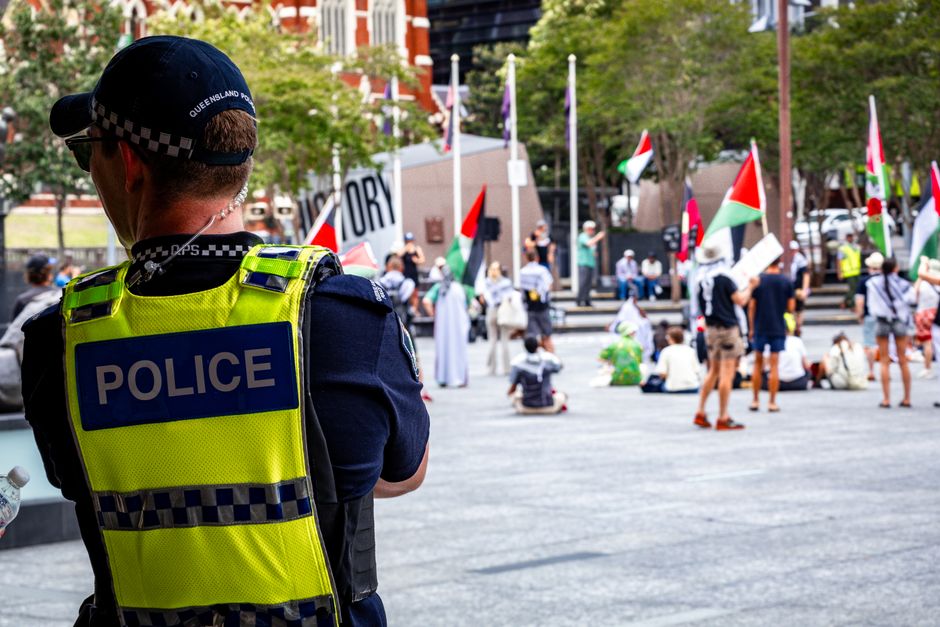
Invasion Day Protests: Unpacking the Contested Narrative of Australia Day
The annual "Invasion Day" protests across Australia represent a deeply entrenched and multifaceted challenge to the dominant national narrative surrounding January 26th. Far from a unified celebration, this date has become a potent symbol of dispossession, injustice, and ongoing colonial impact for Aboriginal and Torres Strait Islander peoples. These protests, held concurrently with official Australia Day commemorations, are not merely performative dissent; they are a vital expression of grief, resilience, and a persistent demand for recognition, truth-telling, and genuine reconciliation. The core of the contention lies in the historical and contemporary implications of the arrival of the First Fleet in 1788. For Indigenous Australians, this event marks the commencement of invasion, dispossession of land, cultural devastation, and the systematic denial of their sovereignty. The term "Invasion Day," therefore, is a deliberate re-framing of a date that many non-Indigenous Australians understand as the founding of their nation. This divergence in perspective is the bedrock of the protests, highlighting a profound disconnect in how Australia’s history and identity are understood.
The origins of the Invasion Day protests can be traced back to the 1938 Day of Mourning, organised by Indigenous leaders in Sydney on the 150th anniversary of British arrival. This early act of defiance laid the groundwork for future activism, establishing a precedent for public, organised opposition to Australia Day. Over the decades, these protests have evolved in scale and visibility, gaining momentum through grassroots organising, Indigenous advocacy groups, and increasing media attention. The late 20th century saw a significant surge in awareness and participation, fueled by ongoing struggles for land rights, self-determination, and an end to systemic discrimination. Today, Invasion Day rallies are a consistent fixture on the Australian political and social calendar, attracting tens of thousands of participants in major cities and regional centres. These gatherings are characterized by speeches from Indigenous elders and leaders, cultural performances, and impassioned calls for change, often accompanied by symbolic marches that traverse significant urban spaces.
Central to the Invasion Day narrative is the concept of sovereignty. Aboriginal and Torres Strait Islander peoples have maintained their inherent sovereignty since time immemorial, a concept that predates European arrival and has never been ceded. The protests serve as a stark reminder of this historical truth and a rejection of the legal fictions, such as terra nullius (land belonging to no one), that underpinned British colonisation. The ongoing denial of Indigenous sovereignty, despite its recognition in international law, is seen as a fundamental injustice that continues to impact Indigenous communities today. This includes the persistent disparities in health, education, employment, and incarceration rates, which are directly linked to the legacy of colonisation and the failure to uphold Indigenous rights. The call to acknowledge and respect Indigenous sovereignty is therefore not an abstract political statement; it is a demand for tangible recognition and the empowerment of Indigenous peoples to govern themselves and their lands.
The debate over changing the date of Australia Day is a prominent and often divisive aspect of the Invasion Day protests. Proponents of changing the date argue that January 26th is an inappropriate and deeply offensive national day for Indigenous Australians, causing ongoing pain and trauma. They advocate for a date that can be a truly inclusive celebration of all Australians, one that acknowledges the entirety of the nation’s history and celebrates its diverse peoples and cultures without causing harm. Numerous alternative dates have been proposed, each with its own historical or cultural significance. These proposals range from dates commemorating Indigenous achievements, to those marking the federation of Australia, or even a date chosen through a national consultation process. The resistance to changing the date often stems from a conservative defence of tradition and a perceived threat to national identity. Arguments are frequently made about the historical significance of 1788 as the "founding" of modern Australia, ignoring the pre-existing sovereignty and millennia of Indigenous presence. This impasse highlights the deep-seated challenges in reconciling competing historical narratives and achieving genuine national unity.
Beyond the symbolic act of changing the date, Invasion Day protests are a powerful platform for advocating for concrete policy changes and systemic reforms. Activists consistently highlight the need for greater investment in Indigenous communities, addressing the social determinants of health, improving educational outcomes, and tackling the overrepresentation of Indigenous people in the justice system. The persistent calls for treaty-making, self-determination, and the implementation of the Uluru Statement from the Heart – which calls for a constitutionally enshrined Voice to Parliament, a Makarrata Commission to supervise treaty-making and truth-telling, and a treaty – are central to the demands voiced during these protests. These are not simply requests for a seat at the table; they are demands for genuine power-sharing and the recognition of Indigenous peoples as sovereign nations within Australia. The current political landscape, with its ongoing debates surrounding constitutional recognition and the Voice to Parliament, has amplified the urgency and significance of these calls.
The media’s role in framing Invasion Day protests is crucial and often contested. While some media outlets provide platforms for Indigenous voices and engage with the complexities of the issue, others may perpetuate a more superficial or even antagonistic narrative. The framing of protesters as disruptive or un-Australian is a recurring theme, often overshadowing the legitimate grievances and historical injustices being raised. Conversely, increased media coverage, particularly from outlets sympathetic to Indigenous causes, has been instrumental in raising public awareness and fostering dialogue. The rise of social media has also empowered Indigenous activists to bypass traditional media gatekeepers, directly sharing their experiences, perspectives, and calls to action with a wider audience. This digital activism has played a significant role in amplifying the message of Invasion Day and fostering a more nuanced understanding of the issues at stake.
The cultural impact of Invasion Day protests is undeniable. They have significantly contributed to a broader public discourse about Australia’s colonial past and its ongoing legacy. For many non-Indigenous Australians, these protests have been an uncomfortable but necessary catalyst for questioning the dominant national narrative and engaging with the uncomfortable truths of their nation’s history. The growing recognition of Invasion Day as a significant event, even among those who still choose to celebrate Australia Day, signifies a shift in consciousness. It represents a slow but perceptible movement towards a more critical and inclusive understanding of Australian identity. This increased awareness is not a complete victory, but it is a crucial step in the long and arduous journey towards genuine reconciliation. The protests are a persistent challenge to complacency, forcing a national reckoning with the unresolved issues of colonisation.
The persistence of Invasion Day protests underscores the enduring struggle for justice and recognition for Aboriginal and Torres Strait Islander peoples. These are not isolated events but part of a continuous movement for self-determination and the decolonisation of Australia. The demands for truth-telling, treaty, and respect for sovereignty remain at the forefront. As Australia navigates its future, the voices amplified on Invasion Day will continue to be a critical barometer of the nation’s progress towards a more equitable and just society. The ongoing refusal to solely acknowledge January 26th as a day of celebration, without acknowledging the profound pain and dispossession it represents for the First Peoples of this continent, is a testament to the resilience and unwavering commitment of Indigenous Australians to their rights and their history. The Invasion Day protests are a powerful, ongoing assertion of Indigenous identity and a demand for a future where all Australians can acknowledge the full, complex, and often painful history of their nation.
