Air Canada Unveils Next-Generation Cabins for Boeing 787-10 and Airbus A321XLR as Part of New Glowing Hearted Brand Evolution

Air Canada has officially revealed a comprehensive overhaul of its long-haul and transcontinental passenger experience, debuting new cabin interiors for its upcoming Boeing 787-10 and Airbus A321XLR fleets. Central to this transformation is the introduction of the "Glowing Hearted" design language, a sophisticated aesthetic framework intended to unify the airline’s brand identity across its international and domestic networks. The announcement, detailed by Air Canada’s Executive Vice President and Chief Operating Officer, Mark Nasr, signals a major strategic move to compete with the latest premium offerings from North American and global rivals. This modernization effort extends beyond hardware, encompassing a complete refresh of the airline’s soft product, digital interfaces, and service delivery protocols.
A New Era of Canadian Design: The Glowing Hearted Philosophy
The "Glowing Hearted" design language represents a shift away from generic luxury toward a more bespoke, culturally grounded identity. Air Canada’s design team has prioritized tactile materials and subtle national motifs to create a sense of place. Key elements include red stitching and custom-engineered fabrics that provide a subtle Canadian touch, set against a sophisticated palette of greys and stone. The interiors are further elevated by natural wood grain details, bronze metal accents, and leather-grain surfaces.
A centerpiece of the visual identity is the "unmistakably Canadian welcome" integrated into the aircraft architecture. On the Airbus A321XLR, passengers are greeted by a backlit canopy of maple leaves upon boarding. On the larger Boeing 787-10, the entrance features a wave-like monument inspired by Canada’s vast waterways, anchored by the iconic Air Canada rondelle cast in bronze. This focus on "micro-details" is a deliberate attempt to differentiate Air Canada from competitors who often rely on off-the-shelf cabin designs.
The Boeing 787-10: Elevating the Long-Haul Experience
Air Canada has confirmed a firm order for 14 Boeing 787-10 Dreamliners, the largest variant of the 787 family. Each aircraft will be configured with 332 seats across three cabins: Signature Class (Business), Premium Economy, and Economy. The airline expects the first of these aircraft to enter service by the end of the current year, likely targeting high-demand premium routes such as Toronto to London Heathrow.
Signature Class and the Signature Plus Suite
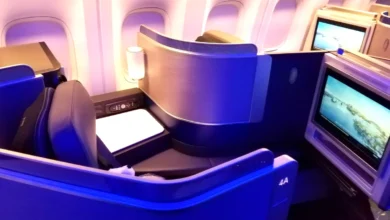
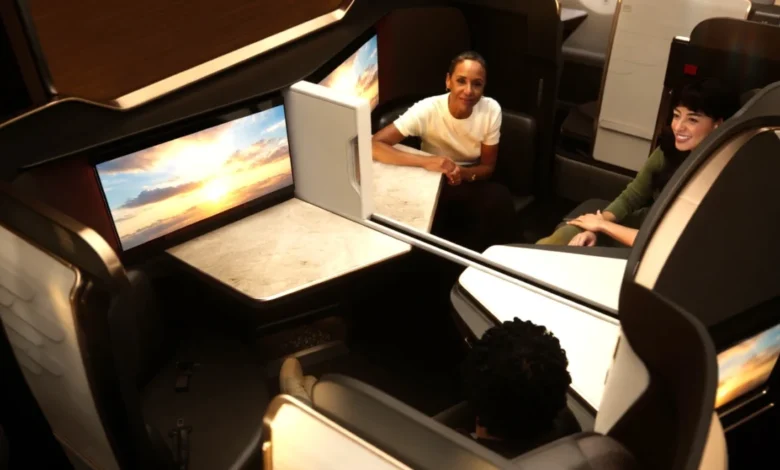
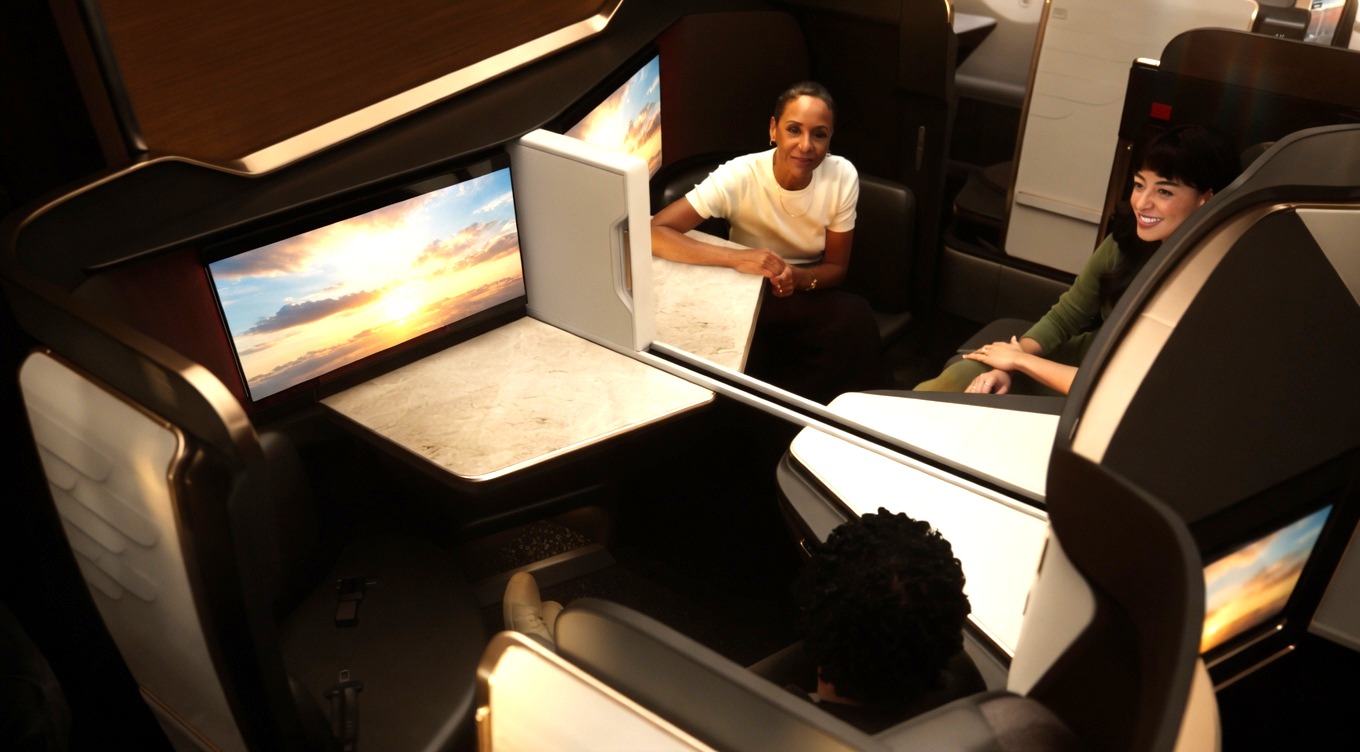
The business class cabin features the Elevate Ascent platform (formerly known as the Adient Ascent), a seat already utilized by joint venture partner United Airlines and competitors like Qatar Airways. However, Air Canada has heavily customized the product. A notable addition is "Air Canada Signature Plus," located in the front row of the cabin. These specialized suites leverage the extra space at the bulkhead to offer a 2-meter (approx. 6.5 feet) lie-flat bed, which is notably two inches longer than Delta Air Lines’ newest business class product.
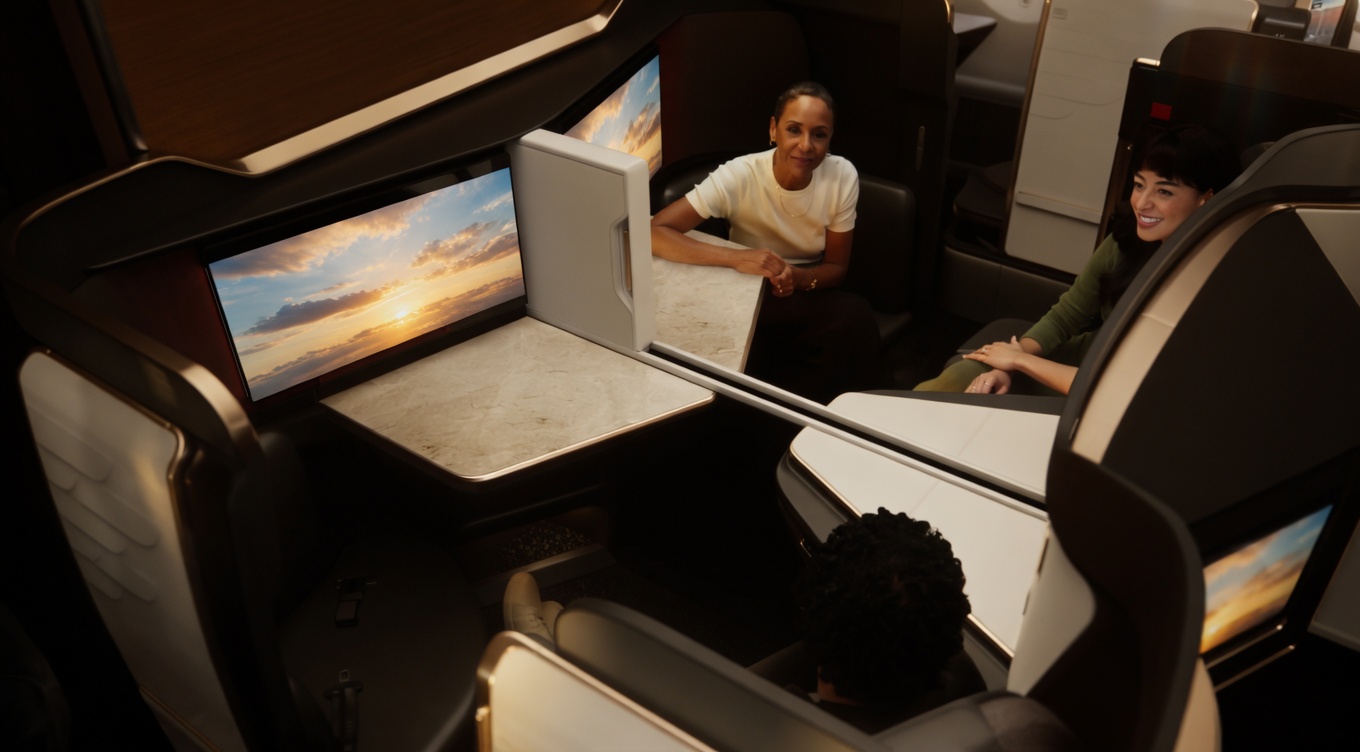
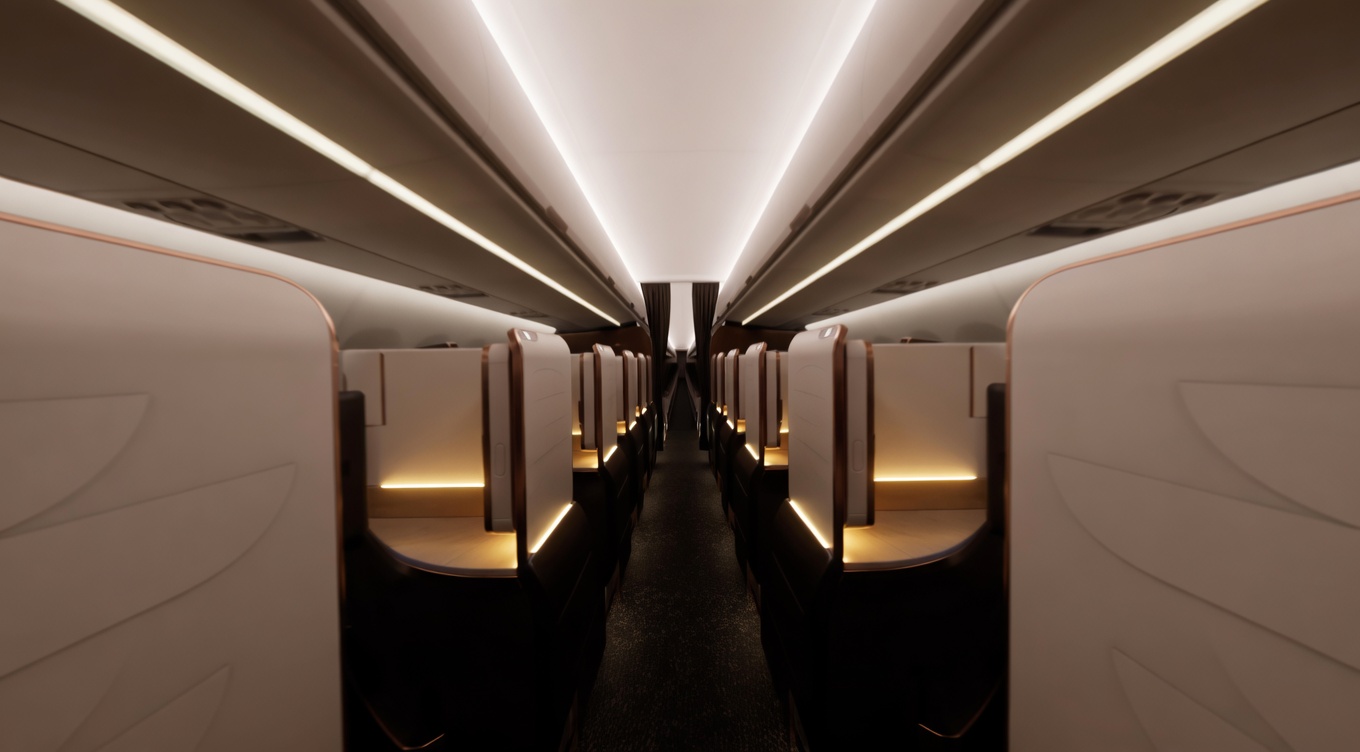
The Signature Plus suites also feature companion seating for in-flight dining or meetings and fully retractable privacy panels. This configuration allows up to four passengers traveling together to share a semi-private space, while solo travelers can maintain total isolation. Standard Signature Class seats will offer industry-standard direct aisle access, privacy panels, 19-inch 4K entertainment screens with Bluetooth audio connectivity, and multiple power options, including USB-C and AC outlets.
Premium Economy and Economy Enhancements
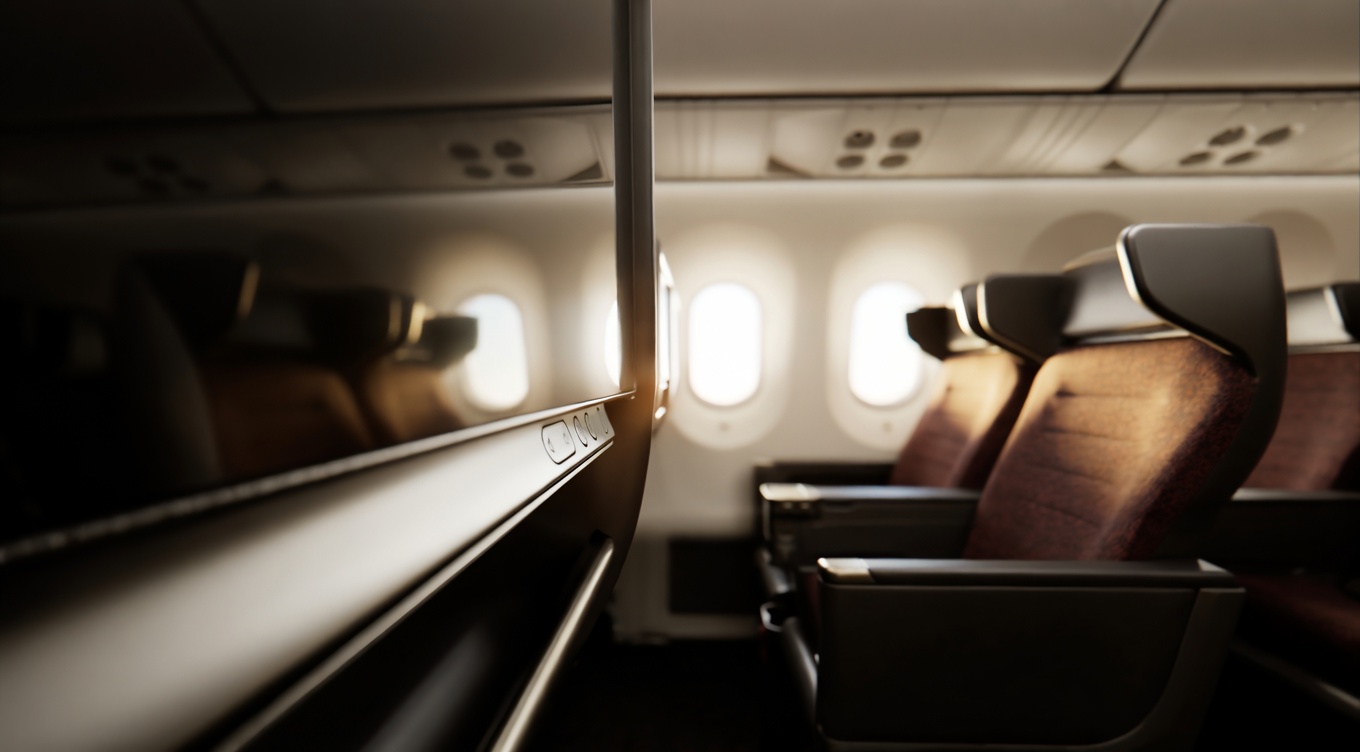
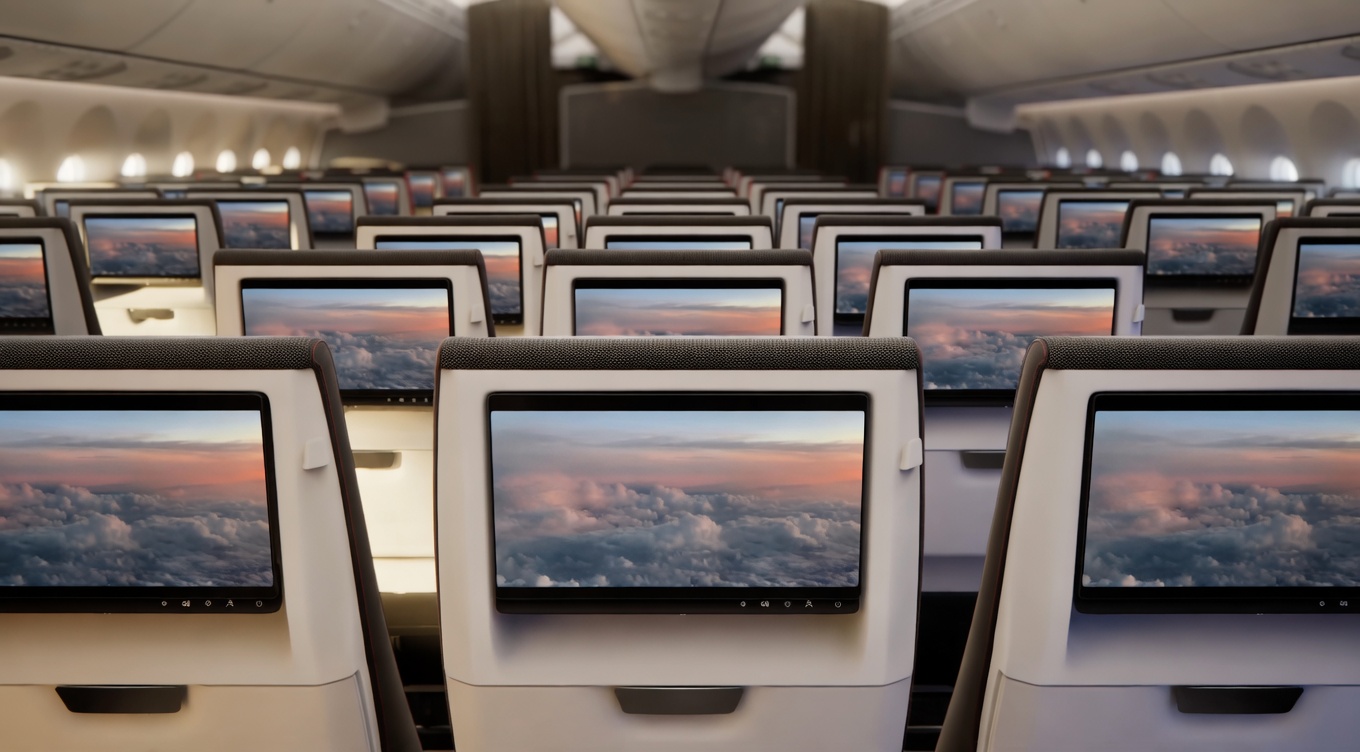
The Premium Economy cabin will utilize Recaro-manufactured seats equipped with "privacy wings." These wings are designed to create a sense of personal space by shielding the passenger’s head and shoulders from the rest of the cabin. These seats include 16-inch 4K screens, dedicated storage, and bottle holders. In the Economy cabin, Air Canada has opted for 13-inch 4K screens with Bluetooth audio and integrated tablet holders on the tray tables to accommodate the increasing number of passengers who bring their own devices.
The Airbus A321XLR: Redefining Narrowbody Long-Haul
The introduction of 30 Airbus A321XLR (Extra Long Range) aircraft represents a significant shift in Air Canada’s network strategy. These narrowbody aircraft are designed to fly distances of up to 4,700 nautical miles, allowing the airline to serve secondary European markets from Eastern Canada and provide high-frequency service on premium transcontinental routes.
All-Aisle Access in a Narrowbody
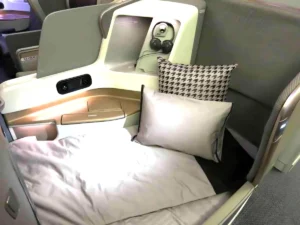
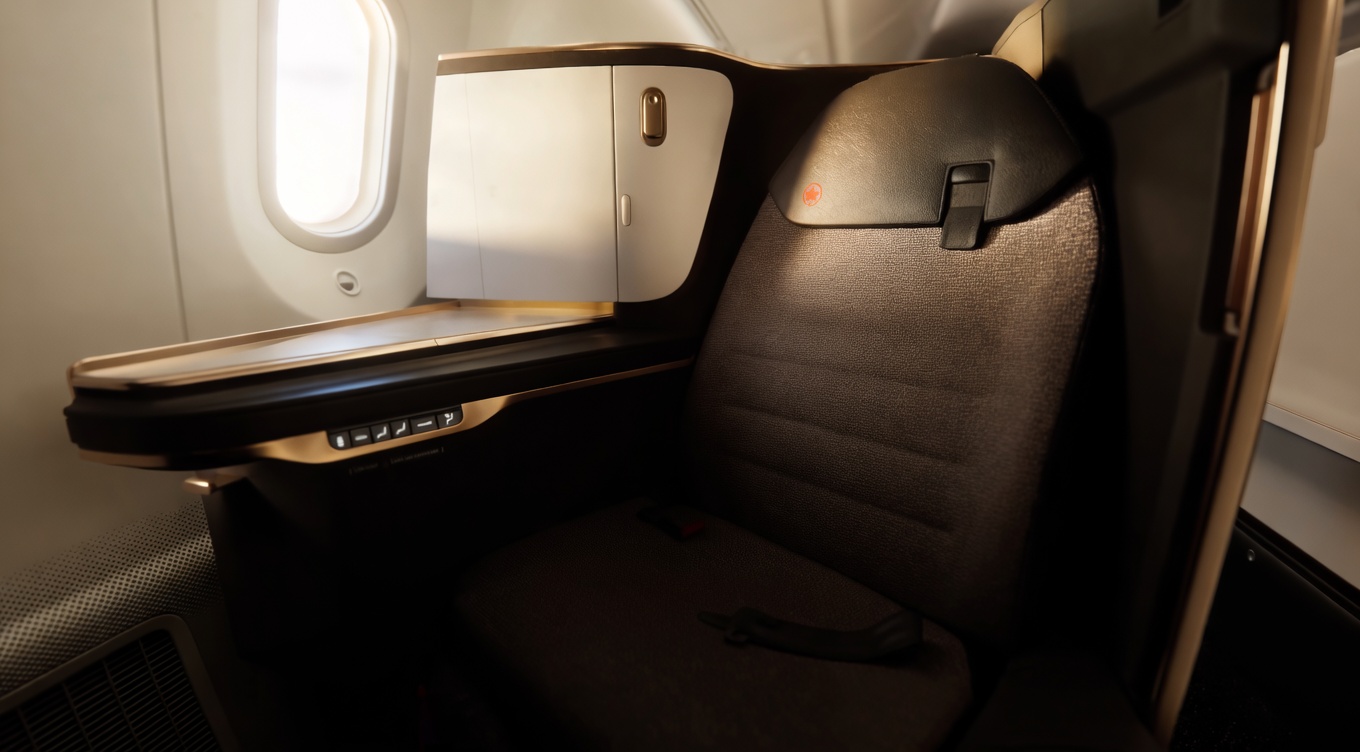
In a bold move for a single-aisle aircraft, Air Canada’s A321XLR will feature a business class cabin with 1-1 direct aisle access using the Collins Aurora platform. These lie-flat suites include wireless charging, 19-inch 4K screens, and privacy panels. Notably, Air Canada has opted not to install suite doors on the A321XLR. According to Mark Nasr, this was a functional choice; by omitting the door, the airline gained two inches of bed length and widened the aisle by five inches at elbow level. Given the height of the overhead "Airspace" bins on the A321XLR, Nasr argued that doors would not provide significant vertical privacy regardless.
Advanced Passenger Interface
The A321XLR will also debut an "active surface" technology borrowed from the automotive sector. This system allows text and controls to be projected through solid surfaces. In business class, when the seat is in lie-flat mode, a hidden panel within the leather/cloth surface will light up to show flight time remaining and seat controls. The interface is designed to be dim so as not to disturb sleeping passengers, a feature inspired by premium first-class suites like those on the Qantas A380.
Strategic Route Deployment
The A321XLR is expected to enter revenue service in late May. While it will initially fly domestic transcontinental routes, its primary purpose is to serve "long and thin" routes. Potential destinations include Montreal or Toronto to Tenerife, Berlin, and Palma de Mallorca. The aircraft will not feature a Premium Economy cabin, as the airline determined the economic profile for the XLR’s specific routes—including "sun" destinations in the Caribbean and Latin America—favored a two-cabin configuration.
Fleet-Wide Modernization and Retrofit Plans
The launch of the new cabins is part of a broader fleet-wide modernization strategy. Air Canada has confirmed plans to retrofit its existing fleet of Boeing 787-8 and 787-9 aircraft to the new "Glowing Hearted" standard. The airline’s Boeing 777 fleet is also slated for reconfiguration, though a firm timeline has not been established.
In contrast, the Airbus A330 fleet will not receive the new seats. Air Canada has already reconfigured 18 of its 20 A330s with the current "Super Diamond" business class seats, and the remaining two aircraft (formerly operated by Singapore Airlines) will be updated to match that standard shortly. This decision reflects the A330’s role as a mid-tier long-haul workhorse rather than a flagship product.
Operational Challenges and Regulatory Certification
One significant hurdle facing Air Canada—and the wider aviation industry—is the certification of business class suite doors. Competitors like American Airlines and United Airlines have recently taken delivery of aircraft with suite doors locked in the open position because regulators had not yet approved the safety mechanisms for takeoff and landing.
When asked about the status of the 787-10 doors, Mark Nasr noted that Air Canada is pursuing multiple certification paths, both independently and in coordination with other carriers. While the goal is to have the doors fully functional upon the aircraft’s entry into service, the airline acknowledged that regulatory timelines remain fluid.
Soft Product and Service Evolution
The "Glowing Hearted" initiative is not limited to physical seats. Air Canada plans to launch a holistic soft product refresh this summer. This will include:
- Dining: A complete overhaul of food and beverage offerings, with a potential expansion of meal pre-ordering systems similar to Singapore Airlines’ "Book the Cook."
- Digital Experience: Simplified Wi-Fi login processes and an upgraded mobile app interface.
- In-Flight Service: Redesigned galley layouts and adjusted staff roles to ensure that service on narrowbody aircraft like the A321XLR matches the quality of widebody international flights.
To avoid the premature "wear and tear" often seen in new cabins, Air Canada invested in rigorous materials testing, ensuring that surfaces are resistant to scuffs and scratches. This focus on durability is intended to maintain a premium feel throughout the aircraft’s lifecycle.
Broader Implications for the Aviation Industry
Air Canada’s investment in the 787-10 and A321XLR reflects a wider industry trend toward "segmentation" and "narrowbody long-haul." By offering a lie-flat, direct-aisle access product on a single-aisle plane, Air Canada is positioning itself to capture a larger share of the sixth-freedom traffic between the United States and Europe.
The decision to include a "Business Class Plus" row on the 787-10 also aligns with global trends seen at Virgin Atlantic, JetBlue, and American Airlines. As the standard for business class reaches a plateau—defined by flat beds, aisle access, and doors—airlines are increasingly looking toward "front-row" premiumization and high-quality "soft" attributes to distinguish their brand.
For Air Canada, the "Glowing Hearted" design is more than a facelift; it is a declaration of intent to be viewed as a top-tier global carrier. By focusing on the "details that matter"—from the pivot mechanism of an IFE screen to the tactile quality of a bronze rondelle—the airline is betting that a refined, culturally resonant experience will win over increasingly discerning international travelers. With the A321XLR entering service in May and the 787-10 arriving by year-end, the coming months will be a critical test of Air Canada’s ability to execute this ambitious vision.