America’s ultra-low-cost carriers are once again knocking on the doors of Capitol Hill, lobbying federal lawmakers for critical financial relief as persistent high jet fuel prices continue to squeeze operating margins and threaten the affordability of domestic travel.
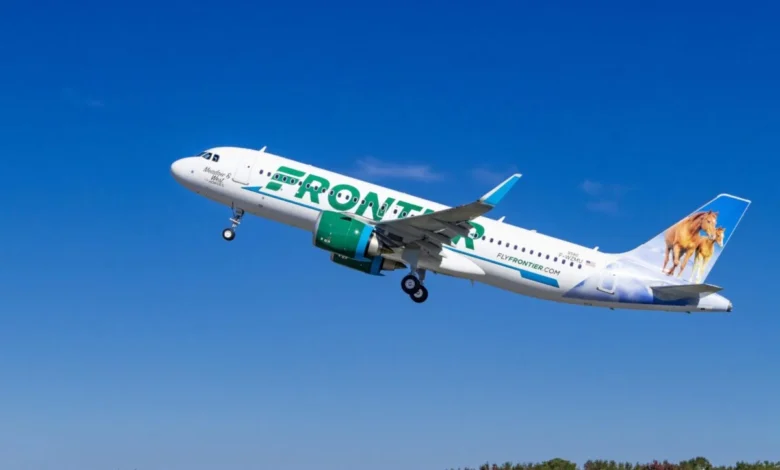
The Association of Value Airlines (AVA), a prominent trade group representing budget operators including Allegiant Air, Frontier Airlines, Avelo Airlines, and Breeze Airways, has initiated a series of discussions with key congressional offices in Washington, D.C. The primary objective of these renewed talks is to explore the feasibility of a temporary federal jet fuel tax holiday—a legislative intervention designed to cushion carriers from volatile energy markets and prevent the burden from being passed entirely onto budget-conscious consumers.
However, the path to legislative relief remains fraught with political hurdles. According to Jonathon Freye, executive director of the AVA, representatives from the trade group have engaged with several congressional offices over recent weeks. Despite these proactive outreach efforts, the reception has been lukewarm, with lawmakers offering no concrete indications that Congress is willing to entertain a jet fuel tax exemption in the near term.
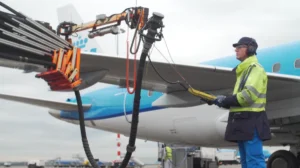
The push highlights a mounting anxiety within the aviation sector. While major legacy carriers like Delta Air Lines, United Airlines, and American Airlines possess diverse revenue streams—such as lucrative credit card partnerships and robust international networks—to absorb inflationary shocks, ultra-low-cost carriers (ULCCs) operate on razor-thin margins. For these airlines, fuel represents one of the single largest variable operating expenses, often fluctuating between 25% and 35% of total operating costs. When fuel prices spike, the financial impact is immediate and severe, forcing carriers to choose between absorbing the losses or raising fares, which directly undermines their core business model of providing cheap, accessible air travel.
The Chronology of the Fuel Crisis and the Budget Airline Dilemma
The modern budget airline model relies heavily on predictable cost structures to offer base fares that can sometimes be as low as $20 or $30 for a one-way domestic ticket. However, the post-pandemic recovery era has been characterized by unprecedented macroeconomic volatility.
The seeds of the current dilemma were planted during the global economic recovery from the COVID-19 pandemic, which triggered a massive rebound in travel demand that outpaced global energy production. This imbalance was dramatically exacerbated in early 2022 by geopolitical conflict in Eastern Europe, which disrupted global crude oil markets and sent jet fuel prices soaring to historic highs.
During 2022 and 2023, refiners struggled to keep pace with jet fuel demand relative to gasoline and diesel, creating a persistent crack spread—the price difference between crude oil and refined petroleum products—that heavily penalized airlines. While crude prices have experienced periods of stabilization, jet fuel remains stubbornly elevated compared to historical pre-pandemic averages, driven by ongoing geopolitical tensions in the Middle East, shifts in global refinery capacities, and lingering supply chain bottlenecks.
Recognizing the existential threat these high input costs pose, industry advocates first began floating the idea of temporary tax relief during the height of the post-pandemic energy price spikes. Over the last two years, behind-the-scenes conversations between aviation trade groups and federal regulators have ebbed and flowed. The latest push by the AVA represents a formal recalibration of these efforts, driven by fears that sustained inflation and consumer fatigue could permanently alter travel habits.
"There’s clearly a sort of concern about the affordability of transportation, and I think for a lot of our customers and the big carriers, too," Freye noted, emphasizing that the pinch is no longer confined to budget carriers alone, though it hits their demographic the hardest.
Understanding the Mechanics of a Jet Fuel Tax Holiday
To comprehend the significance of the AVA’s lobbying efforts, it is necessary to examine the current tax structure governing aviation fuel in the United States.
Currently, commercial airlines operating in U.S. airspace are subject to a federal tax on aviation fuels. Specifically, commercial jet fuel is taxed at a rate of 4.3 cents per gallon, which is deposited into the Airport and Airway Trust Fund (AATF). This trust fund is instrumental in financing the Federal Aviation Administration’s (FAA) operations, air traffic control infrastructure, airport modernization grants, and safety programs.
While 4.3 cents per gallon may appear modest at first glance, the cumulative financial burden across millions of annual flights is substantial. For a mid-sized ultra-low-cost carrier consuming hundreds of millions of gallons of jet fuel annually, the federal excise tax translates to millions of dollars in direct out-of-pocket expenses.
Proponents of a tax holiday argue that temporarily suspending or reducing this 4.3-cent levy—or providing targeted rebates—would inject immediate liquidity back into the airline sector without requiring direct bailouts, which are politically toxic in Washington. A tax holiday would theoretically serve as a temporary bridge, allowing airlines to stabilize ticket pricing while absorbing fluctuating global crude markets.
Conversely, fiscal conservatives and transportation policy analysts immediately raise alarms regarding the potential unintended consequences of such a policy. The primary objection centers on the funding mechanism for the nation’s aviation infrastructure. Diverting or suspending revenues destined for the Airport and Airway Trust Fund could create a funding shortfall for critical modernization projects, including the long-overdue transition to the Next Generation Air Transportation System (NextGen), air traffic controller hiring initiatives, and runway safety upgrades. Critics argue that weakening the AATF to subsidize commercial airlines—even budget carriers that serve underserved regional markets—sets a dangerous precedent and shifts operational burdens onto taxpayers or airport operators.
Industry Data and the Vulnerability of Ultra-Low-Cost Carriers
An examination of recent financial disclosures and operational data underscores why the AVA is pressing the issue so urgently. Ultra-low-cost carriers have faced a notoriously bumpy financial road over the past twelve months.
Unlike legacy carriers that have seen soaring demand for premium cabins and international long-haul flights, ULCCs are heavily exposed to domestic leisure travel. This market segment has shown signs of plateauing as consumers exhaust their accumulated pandemic savings, face rising costs of living, and confront stubbornly high interest rates.
Compounding the revenue challenge is the persistent climb in operating expenses. In addition to fuel, airlines have faced significant wage pressures following historic labor agreements negotiated by pilots, flight attendants, and ground operations personnel across the industry. Furthermore, aircraft delivery delays from major manufacturers like Boeing and Airbus have left budget carriers with constrained fleets, limiting their ability to achieve the economies of scale necessary to offset rising input costs.
When jet fuel prices surge, the financial architecture of a budget airline is severely tested. Because their business model depends on high aircraft utilization and low ancillary revenue compared to legacy carriers, any spike in non-discretionary costs like fuel eats directly into profitability. Several ULCCs have reported narrowing profit margins or outright net losses in recent quarterly earnings reports, prompting management teams to reevaluate capacity growth, prune unprofitable routes, and seek external cost-relief measures wherever possible.
Capitol Hill Reactions and the Political Landscape
Despite the urgency communicated by the aviation sector, the political reality on Capitol Hill presents a formidable barrier to any swift legislative action.
The House Transportation and Infrastructure Committee, which holds primary jurisdiction over domestic aviation policy and federal trust funds, has maintained a cautious stance. When contacted for comment regarding the AVA’s recent outreach, committee representatives did not immediately respond, reflecting the low probability of the measure gaining traction in the current legislative calendar.
Washington is currently gripped by deep partisan divisions and pressing fiscal debates, ranging from federal budget appropriations to broader economic legislation. Introducing a tax holiday for airlines—particularly one that impacts the AATF—requires bipartisan consensus, which is difficult to forge in an election year characterized by intense legislative gridlock.
Furthermore, lawmakers are acutely sensitive to the optics of providing relief to the airline industry. Memories of pandemic-era bailouts, such as the Payroll Support Program (PSP) distributed under the CARES Act, still resonate with voters and fiscal watchdogs. While the AVA is not asking for a direct cash bailout, any form of tax relief for a specific corporate sector can easily be framed by political opponents as a government subsidy, making vulnerable lawmakers hesitant to champion the cause.
Broader Economic Implications and Industry Outlook
The outcome of the AVA’s lobbying efforts carries significant implications not just for the budget airline industry, but for the broader American traveling public.
If budget carriers are unable to secure financial relief and find themselves squeezed between high fuel costs and plateauing consumer demand, the long-term structure of the U.S. aviation market could shift. Industry consolidation could accelerate, with weaker independent operators facing acquisition, restructuring, or liquidation. Such an outcome would reduce overall market competition, ultimately leading to higher airfares for consumers across secondary and tertiary markets where ultra-low-cost carriers often serve as the sole source of low-cost connectivity.
Conversely, if Congress were to surprise observers by taking up the mantle of aviation fuel tax relief, it could provide a vital cushion for budget operators, helping to preserve low-fare options for millions of Americans who rely on airlines like Allegiant, Frontier, Avelo, and Breeze to visit family, take vacations, and conduct business.
As negotiations between the Association of Value Airlines and congressional offices continue behind closed doors, the pressure on lawmakers is unlikely to dissipate. With global energy markets remaining notoriously unpredictable and economic pressures weighing heavily on household budgets, the affordability of air travel will remain a flashpoint in national transportation policy. Whether Washington will heed the warning signs and offer a temporary fiscal lifeline remains to be seen, but the urgency driving the budget carriers’ campaign signals that the challenges facing the skies are deep-seated and far from resolved.