Michelangelo’s David Undergoes a Historic Transformation Through Advanced Lighting Innovation

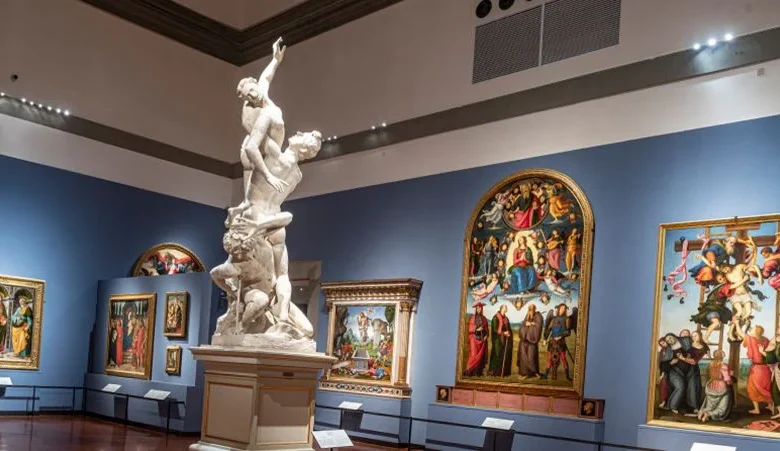
For over five centuries, Michelangelo’s David has stood as the quintessential icon of Renaissance sculpture, an undisputed masterpiece of human anatomy and emotional depth. Housed in Florence’s Accademia Gallery, the marble colossus has long been the primary destination for millions of art pilgrims annually. However, as Italy continues its post-pandemic cultural resurgence, the museum has unveiled a comprehensive, multi-year renovation project that has fundamentally altered the viewer’s relationship with the statue and the broader collection, primarily through a revolutionary advancement in lighting technology.
The intervention, which concluded its final phase this year, marks the most significant aesthetic shift for the gallery in decades. By moving away from static, dated illumination to a dynamic, energy-efficient LED system, museum administrators have managed to reveal intricate details of the David that have remained obscured in shadow for generations. This technical upgrade is not merely a cosmetic enhancement; it is a structural reimagining of the gallery space, designed to encourage visitor engagement with the entire collection rather than a singular focus on its marquee attraction.
The Science of Light and the Art of Visibility
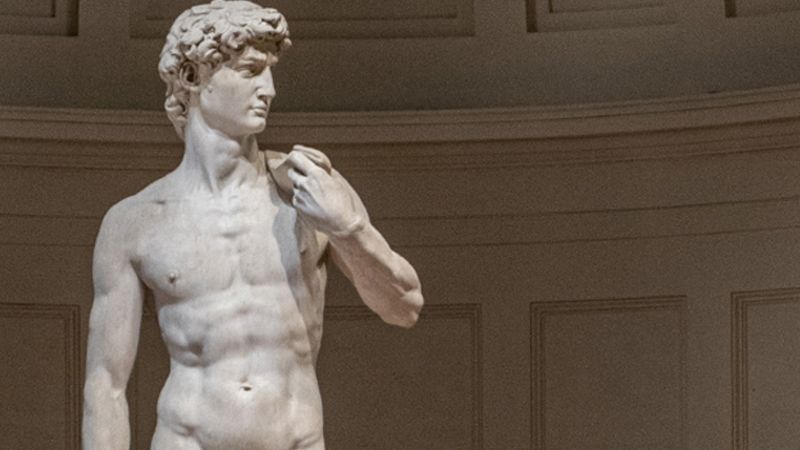
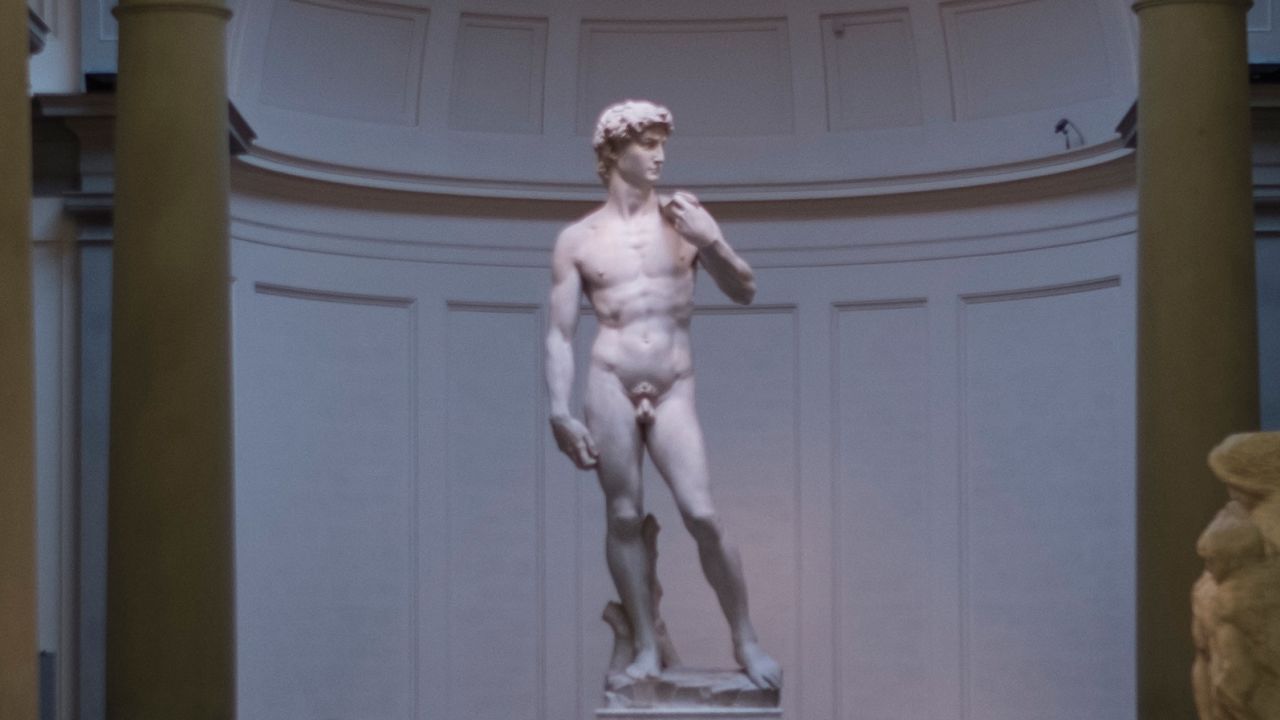
The core of this transformation lies in the Tribuna, the domed architectural space specifically designed in the 19th century to house the David. Previously, the lighting in this chamber was inconsistent, failing to adequately bridge the gap between the natural light filtering through the overhead skylight and the artificial illumination provided by aging lamps.
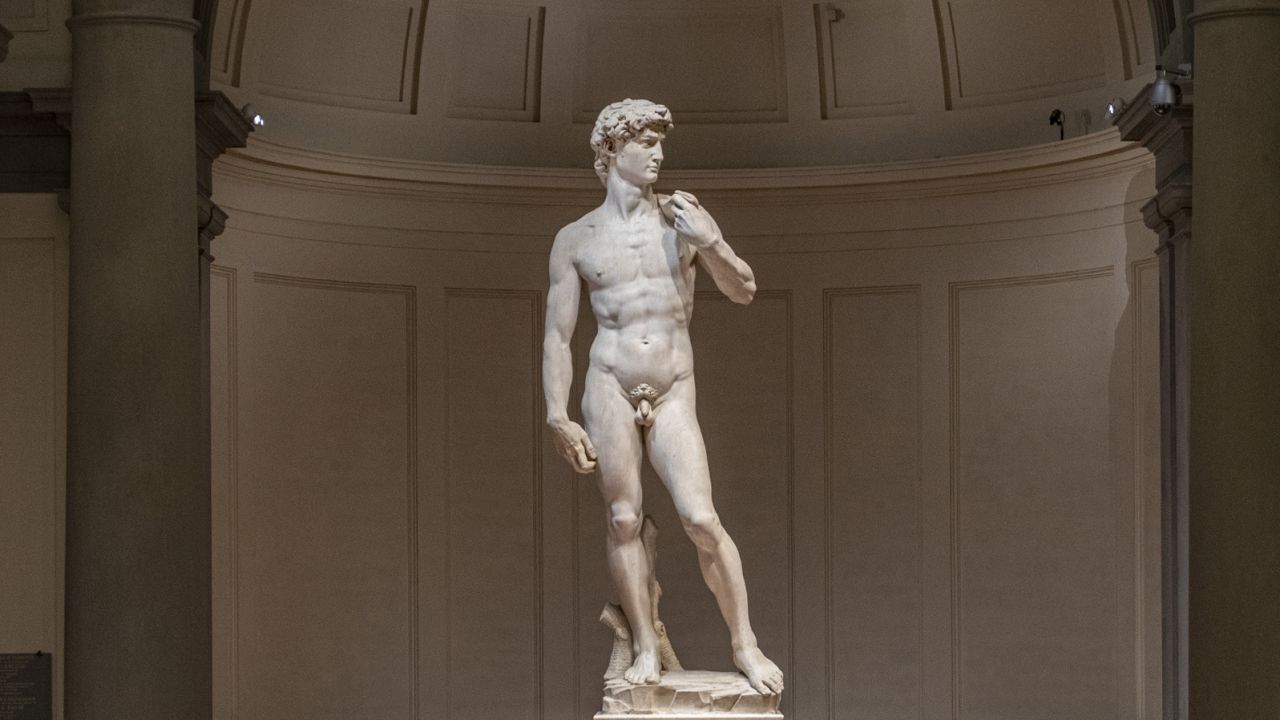
Cecilie Hollberg, the director of the Accademia Gallery, noted that the previous lighting environment inadvertently flattened the surface of the marble. "The new system has completely changed the visual perception of the artworks," Hollberg explained. "The marble appears whiter, and the subtle nuances—the tension in the tendons, the precise carving of the muscles, and the delicate expression of the face—are now rendered with a level of clarity that was previously impossible to achieve."
The installation, completed in September, utilizes a series of high-precision LED spotlights arranged in a geometric circle above the statue. These lights are calibrated to mimic the natural movement and intensity of sunlight. As the day progresses, the color temperature of the lights shifts imperceptibly, providing a nuanced viewing experience that changes as the observer moves around the base of the statue. This "dynamism of light" serves to isolate the David from the background, creating a more intimate, focused interaction between the viewer and the sculpture.
Chronology of the Renovation
The modernization of the Accademia Gallery was not a sudden decision, but a carefully planned evolution that spanned the duration of the global health crisis.
- Pre-2020: The Accademia operated under its traditional configuration, with standard lighting that often resulted in "hot spots" on the marble and dark, uninviting corridors in the surrounding rooms.
- 2020–2021: As the pandemic forced a global closure of museums, the Accademia administration accelerated its plans for structural upgrades. With the building largely empty, restoration teams were able to conduct deep cleaning and install the new electrical infrastructure required for the advanced LED system.
- Early 2022: The first phase of the lighting overhaul began to show results, with preliminary testing in the main gallery spaces receiving positive feedback from internal curators.
- September 2022: The lighting project was officially completed and integrated into the daily museum schedule.
- Late 2022–Present: Final aesthetic renovations, including the repainting of walls and the reorganization of the Gipsoteca (plaster cast gallery), were finalized, shifting the museum’s identity from a "transit point" for tourists to a destination for comprehensive study.
Beyond the David: Rediscovering the Collection
A significant challenge for the Accademia has historically been the "David Effect"—the tendency for visitors to march directly to the statue, bypassing the equally impressive, yet historically overlooked, works that surround it. The recent renovations have sought to mitigate this by addressing the environmental factors that made these secondary works seem less vibrant.
The Galleria dei Prigioni, or the "Prisoners’ Corridor," which features Michelangelo’s unfinished sculptures of prisoners of war, was a primary area of concern. These figures, which represent the raw struggle of stone against artistic intent, were often poorly lit, making the transition from the bright, white marble of the David to the darker, rougher finish of the Prisoners jarring and visually confusing. By installing focused, warm-toned spotlights, the curatorial team has unified the visual language of the corridor.
"It used to be that the prisoners looked yellow, and David was white," Hollberg noted. "Now, they are on a similar color spectrum. You can finally see every individual chisel mark on the surfaces of the Prisoners. That tactile history was invisible before."
Furthermore, the museum has abandoned its neutral beige wall palette in favor of historically informed, vibrant colors. The Sala del Colosso, the gallery’s grand entrance hall, has been repainted a deep, resonant blue. This choice was deliberate, intended to provide a high-contrast background that makes the gold-leafed surfaces of 13th and 14th-century altarpieces pop with newfound intensity. In the rooms containing medieval religious paintings, a pale green has been employed to highlight the gold halos and intricate garments of the subjects, which were previously muted by the beige backdrop.
Economic and Environmental Implications
Beyond the aesthetic benefits, the project carries significant implications for the museum’s operational sustainability. The switch to LED technology is projected to reduce the gallery’s electricity consumption by approximately 80%. In an era where cultural institutions are under increasing pressure to reduce their carbon footprint, the Accademia has set a benchmark for how historic preservation can align with modern environmental standards.

The economic impact is equally noteworthy. By creating a more visually stimulating environment, the gallery has successfully redistributed foot traffic. Rather than crowding the David, visitors are now lingering in the peripheral halls, observing the paintings of Domenico Ghirlandaio and the plaster casts in the Gipsoteca. Guides have reported that tour groups, which once moved through these sections at a brisk pace, now stop to examine the details, effectively alleviating the density of crowds in the central hall.
A New Era for the Gipsoteca
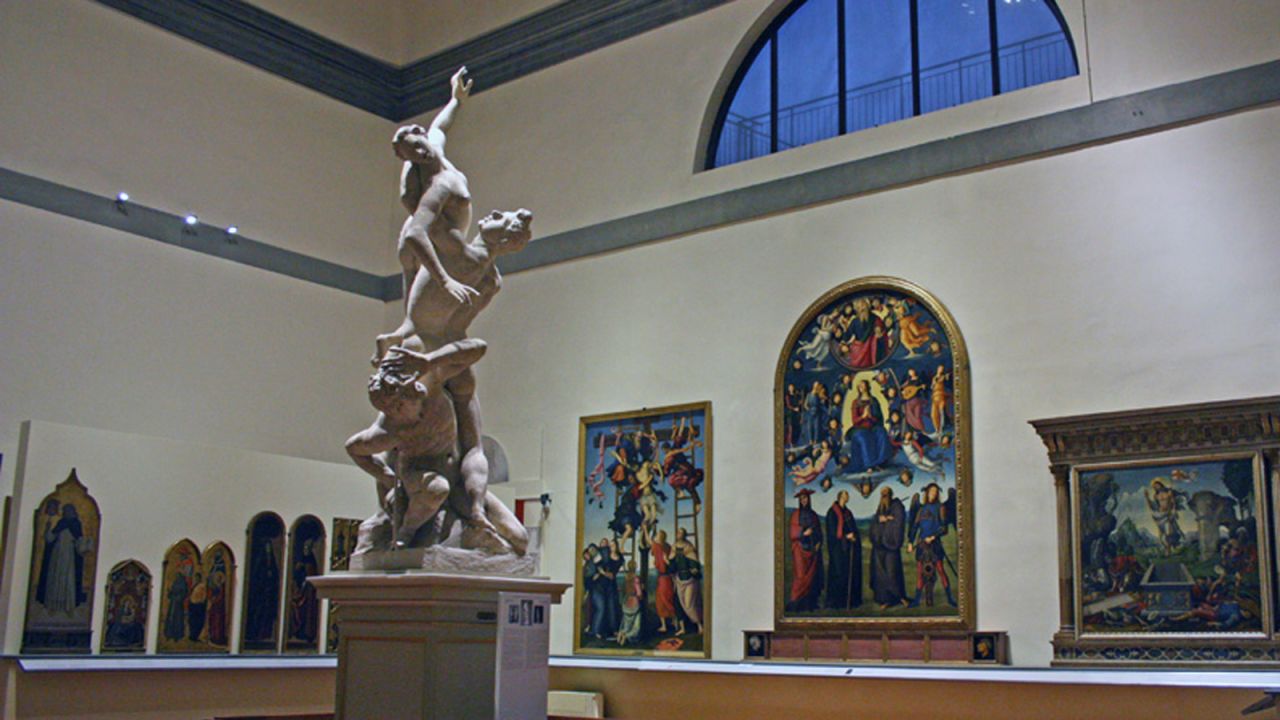
The final piece of this expansive project was the renovation of the Gipsoteca, a room housing 414 plaster casts, largely created by the sculptor Lorenzo Bartolini. Before the renovation, the Gipsoteca was notoriously difficult to navigate. Lacking climate control and proper ventilation, the room was often stifling in the summer months, forcing the museum to close it to the public during peak tourist hours.
With the introduction of modern air conditioning, a fresh color scheme, and an intuitive, spacious layout, the Gipsoteca has been transformed into a place of contemplation. It now stands as a testament to the importance of the plaster cast in the creative process of the 19th century, allowing visitors to appreciate the scale and labor behind the finished marbles found in the Louvre and the Metropolitan Museum of Art.
Official Response and Future Outlook
Dario Franceschini, Italy’s former minister of culture, lauded the completion of the project as a vital step in the evolution of Italian museums. "The works across the entire building have allowed significant innovations in the systems, transforming a museum conceived in the late 19th century into a modern venue without distorting its historic integrity," he stated.
The success of these changes has also fostered a renewed interest among the local Florentine population. While the Accademia has always been a global tourist hub, the effort to make the space more inviting—coupled with new programming, such as concert series—has brought local residents back into the fold.
As the museum looks to the future, the lessons learned from this renovation suggest that the preservation of world-class art is not a static task. It requires an ongoing dialogue between historical reverence and technological progress. By refining how we see the David, the Accademia has not only honored the work of Michelangelo but has also revitalized the entire narrative of the collection, ensuring that it remains as relevant and revelatory for the 21st-century visitor as it was for the scholars of the past. The "new" David, and the brightened, color-rich halls that surround him, serve as a potent reminder that even the most famous works of art have secrets left to reveal, provided we are willing to shine the right light on them.
Related posts: