Blind Spots in the Air: How Industrial Lobbying and a Declining Federal Network Are Leaving Communities in the Dark

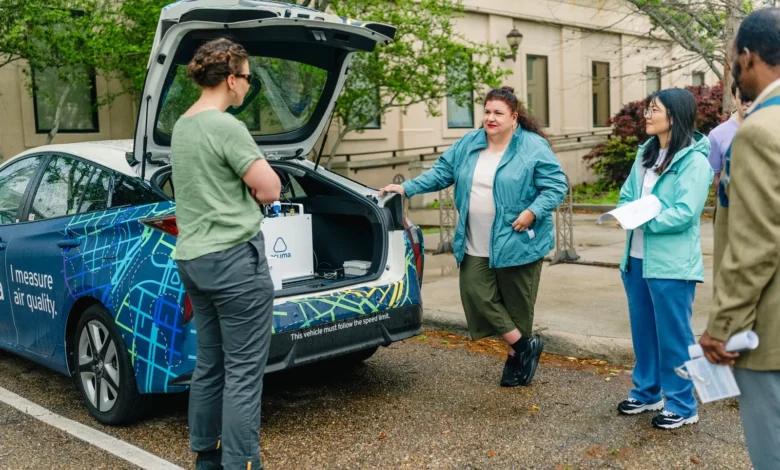
Across large swaths of the United States, residents living in the shadow of heavy industry have virtually no reliable way of knowing when the air they breathe turns toxic. This invisible crisis is the result of a compounding systemic failure: a decades-long decline in federal funding for public air monitoring, a shrinking fleet of government-managed monitors, and an aggressive, coordinated legislative campaign by chemical and manufacturing trade groups to outlaw the use of citizen-collected data.
While compounding environmental pressures—including severe, climate-driven heat waves that exacerbate ozone levels, creeping wildfire smoke, and surging power demands from new data centers—drive air quality down, regulatory guardrails are being dismantled. The Trump administration has delayed and rolled back critical rules designed to hold corporate polluters accountable for their chemical emissions. As public oversight weakens and grassroots communities attempt to bridge the gap with affordable, consumer-grade air monitors, powerful industry lobbies are successfully pushing state legislatures to ban those very measurements from being used in enforcement actions.
A comprehensive investigation by the nonprofit newsroom Floodlight reveals that since 2024, lawmakers in Louisiana, Ohio, and Kentucky have enacted strikingly similar industry-backed bills. These statutes legally bar state environmental regulators from utilizing community-gathered air quality data unless the equipment meets strict, expensive U.S. Environmental Protection Agency (EPA) certification standards. Similar legislative efforts have been introduced in West Virginia, highlighting a multi-state strategy to legally blind regulators to localized pollution.
A Chronology of Regulatory Erosion and Grassroots Pushback
The architecture of the nation’s air monitoring system was born out of the landmark Clean Air Act of 1963. For decades, this network acted as an indispensable early-warning infrastructure, giving federal and state authorities the empirical data necessary to track dangerous conditions, identify chronic violators, and drive historic reductions in national air pollution.
However, the system has steadily degraded. According to Chet Wayland, who directed the EPA’s Air Quality Assessment Division for nearly twenty years, the infrastructure is severely showing its age and shrinking over time. The decline has disproportionately affected monitors tracking hazardous air toxics—carcinogens linked to leukemia, respiratory failure, and reproductive disorders.
Data analyzed by Floodlight illustrates the magnitude of this regression. Networks monitoring vinyl chloride, the toxic volatile organic compound that made global headlines during the catastrophic 2023 freight train derailment in East Palestine, Ohio, shrank by more than 50 percent between 2004 and 2025. Similar contractions occurred for monitoring networks tracking benzene and chloroprene.
A stark geographic and chemical mismatch underscores the crisis. An evaluation of major industrial polluters across Kentucky, Louisiana, Ohio, and West Virginia revealed that for 71 out of 100 examined facilities, the chemical released in the largest volume is not measured by any government air monitor operating in that state. Furthermore, foundational industrial pollutants such as hydrochloric acid, sulfuric acid, and methanol are entirely absent from current EPA reporting air monitors.
Academic research mirrors these findings. A 2025 study co-authored by Penn State assistant professor Nelson Roque revealed that nearly six in 10 U.S. counties lack a single public air monitor. These monitoring deserts frequently overlap with socio-economically disadvantaged and minority populations, who historically bear a disproportionate burden of cancer risks from industrial air toxics, per EPA demographic assessments.
The Legislative Battlefront: State-by-State Restrictions
Faced with mounting gaps in official oversight, impacted residents have increasingly adopted low-cost, digital air sensors to track fenceline emissions. Industry representatives and manufacturing trade associations have responded by lobbying statehouses to criminalize or invalidate the regulatory use of this grassroots data.
Louisiana became the initial battleground. As a primary national hub for oil, gas, and petrochemical refining, the state features numerous public monitors located miles away from industrial plants, missing dangerous localized releases. To counteract this, the Louisiana Environmental Action Network (LEAN) secured a $500,000 federal grant under the Biden administration’s Inflation Reduction Act to deploy monitors across 27 recognized pollution hotspots. However, the Trump administration canceled the funding initiative last year, halting the project after only four communities received equipment.
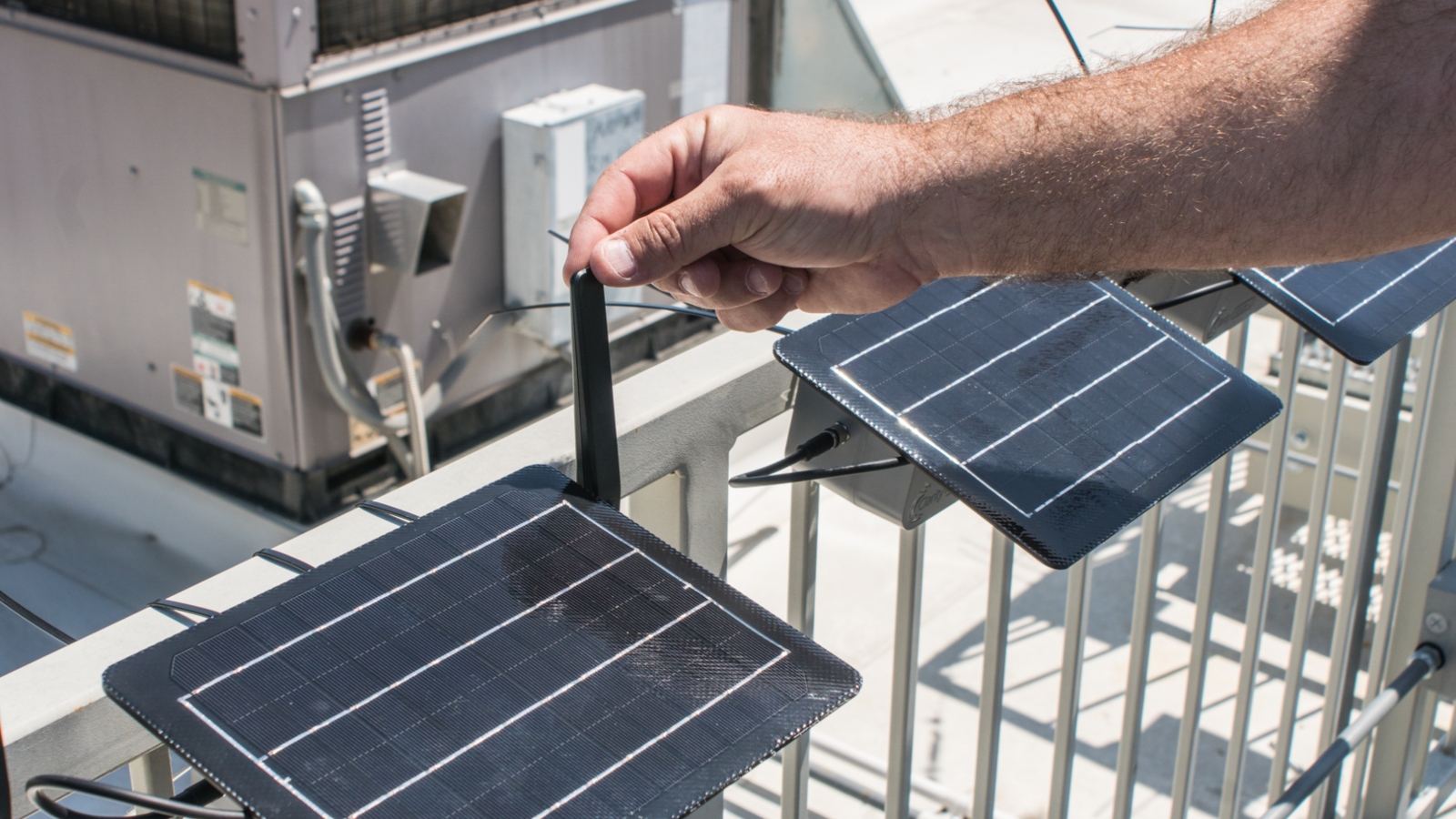
Concurrently, the Louisiana Chemistry Association (LCA) helped craft the Community Air Monitoring Reliability Act (CAMRA), enacted in 2024. The law prohibits the state from using non-EPA-approved air data in enforcement or regulatory actions, citing the necessity of standardized science. LCA President David Cresson defended the framework, asserting that it ensures legal consistency while preserving the right of citizens to monitor air for personal knowledge.
The legislative playbook quickly spread to neighboring states. In March 2025, Kentucky lawmakers passed House Bill 137, restricting community data in enforcement proceedings. The push was heavily lobbied by the Kentucky Chemical Council, the American Petroleum Institute, Dow Chemical, and Chemours.
In Ohio, a sweeping air monitoring restriction was inserted into the state budget bill without a named sponsor, stripping citizens of the ability to leverage local sensor data against polluters. The measure also targeted Ohio’s historic air nuisance rule, which historically allowed residents to file legal complaints against companies emitting health-threatening fumes. Environmental attorneys and local plaintiffs, such as Middletown resident Donna Ballinger—who lives yards away from a steel manufacturing facility—have since filed lawsuits challenging the constitutionality of the budget provision.
Meanwhile, in West Virginia, industry resistance successfully blocked compromise legislation. In 2024, a bill backed by the West Virginia Manufacturers Association aimed to ban community monitoring data. When a moderate amendment was introduced to permit community data if sensors met manufacturer calibration standards, industry groups balked. Internal corporate emails obtained by investigative journalists revealed sharp pushback; a Chemours representative complained that the compromise would "essentially codify what we are trying to prevent," while the state manufacturers’ association dismissed the adjusted bill as "toothless."
National Lobbying and Federal Exemptions
The state-level legislative push mirrors aggressive national lobbying efforts spearheaded by organizations like the American Chemistry Council (ACC). Federal disclosures show the ACC spent upwards of $22 million on lobbying in 2024 alone, cementing its position among the most influential corporate lobbies in Washington.
Alongside state-level monitoring restrictions, the ACC and the American Fuel & Petrochemical Manufacturers successfully petitioned for regulatory rollbacks at the federal level. Following requests for exemptions from Biden-era rules designed to slash toxic emissions at chemical manufacturing plants by nearly 80 percent, the EPA under President Donald Trump has granted regulatory relief to more than 60 petrochemical facilities, with the agency actively weighing the total rescission of the rule. Furthermore, industry lobbying successfully stalled mandatory fenceline monitoring for ethylene oxide—a potent carcinogen heavily concentrated in industrial corridors like Louisiana’s "Cancer Alley."
Industry defenders argue that strict oversight on data collection is essential to prevent false alarms and legal overreach. Tony Long, general counsel for the Ohio Chamber of Commerce, compared uncalibrated community monitors to unverified radar guns. "Given our litigious nature in this state, we think that the guardrails make sense," Long noted. "You don’t want to be stopped for speeding on an uncalibrated speed gun."
Conversely, corporate critics maintain that setting insurmountable evidentiary hurdles effectively shields industrial emitters from accountability, preventing communities from uncovering systemic violations. Documented successes prove that rigorous fenceline monitoring works: following a 2018 EPA mandate requiring oil refineries to monitor benzene along their perimeters, the number of facilities exceeding safety action thresholds dropped by half within five years.
Implications for Public Health and Accountability
The ongoing suppression of accessible, localized air monitoring leaves millions of Americans in the dark regarding the chemical cocktails surrounding their homes. For residents living alongside the heavy industrial corridor connecting Baton Rouge and New Orleans—where high instances of cancer persist generation after generation—the lack of comprehensive, transparent data prevents communities from establishing causal links between corporate emissions and personal illnesses.
As federal monitoring continues to age and state legislatures increasingly insulate industrial emitters from citizen oversight, the fundamental question of public transparency remains unanswered. Without reliable, widespread access to real-time air quality metrics, affected populations are left with an enduring reality: when it comes to the toxic burden of American industrial output, the public is often left breathing blind.
Related posts: