United Airlines Releases Unprecedented 27,000-Mile Polaris Business Class Award Space for Transcontinental Routes

United Airlines has fundamentally shifted the value proposition of its MileagePlus program for the late summer season, releasing an unprecedented volume of "Saver" award inventory for its premium transcontinental Polaris business class service. Travelers holding United-branded credit cards or possessing elite status now have access to business class seats between Newark Liberty International Airport (EWR) and both San Francisco International Airport (SFO) and Los Angeles International Airport (LAX) for as little as 27,000 miles each way. This development represents a significant departure from recent industry trends, where dynamic pricing models have frequently pushed premium cabin redemptions into the six-figure range.
The availability, which was first identified by industry analysts and confirmed through the Roame.travel search platform, primarily covers the months of August and September. This window is traditionally a transitional period for domestic travel, falling between the peak summer vacation rush and the surge in autumn business travel. By offering these high-value redemptions now, United appears to be strategically filling premium cabins that might otherwise remain empty, while simultaneously incentivizing its credit card ecosystem.
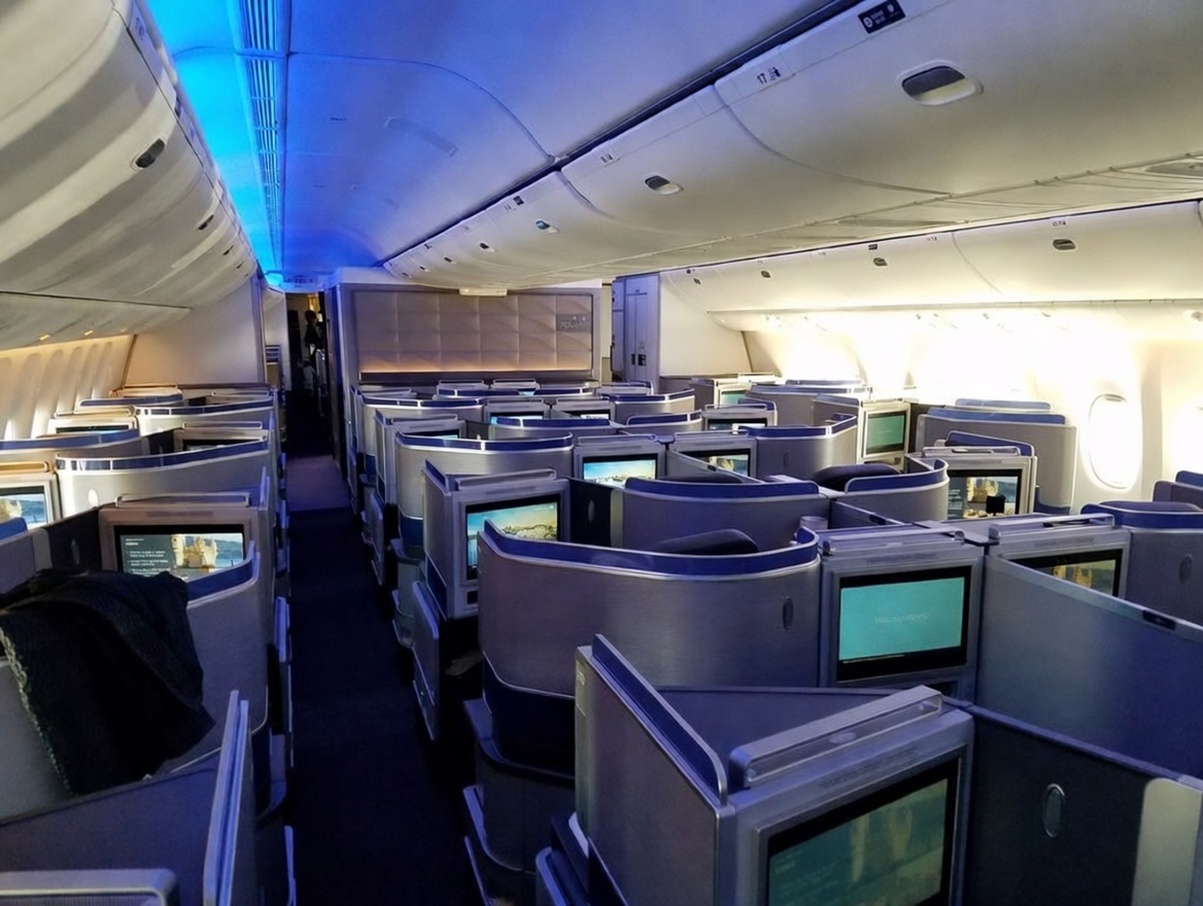
The Mechanics of the 27,000-Mile Redemption
The 27,000-mile price point is particularly notable because it matches or beats the cost of many domestic economy awards on less prestigious routes. Historically, "Saver" awards for transcontinental business class—often referred to as "premium transcon" routes—were priced at roughly 25,000 to 35,000 miles before United transitioned to a dynamic pricing model. In recent years, these same seats have frequently retailed for 50,000 to 80,000 miles or more.
However, this specific pricing is not available to the general public. It is gated behind a "Cardmember and Elite Discount" architecture. To see these rates, a traveler must be logged into a MileagePlus account that is linked to a Chase United credit card or hold Premier status. This strategy mirrors a broader trend in the airline industry: using "hidden" inventory to drive loyalty toward high-margin financial products, such as cobranded credit cards.
Industry analysts suggest that this move is a direct response to Delta Air Lines’ "TakeOff 15" program, which offers a 15% discount on award flights for Amex Delta cardholders. United’s approach, however, goes beyond a flat percentage discount by opening up specific "IN" and "XN" fare buckets—fare classes reserved for elite members and cardholders—at price points that significantly undercut the standard "Saver" rates available to the general public.
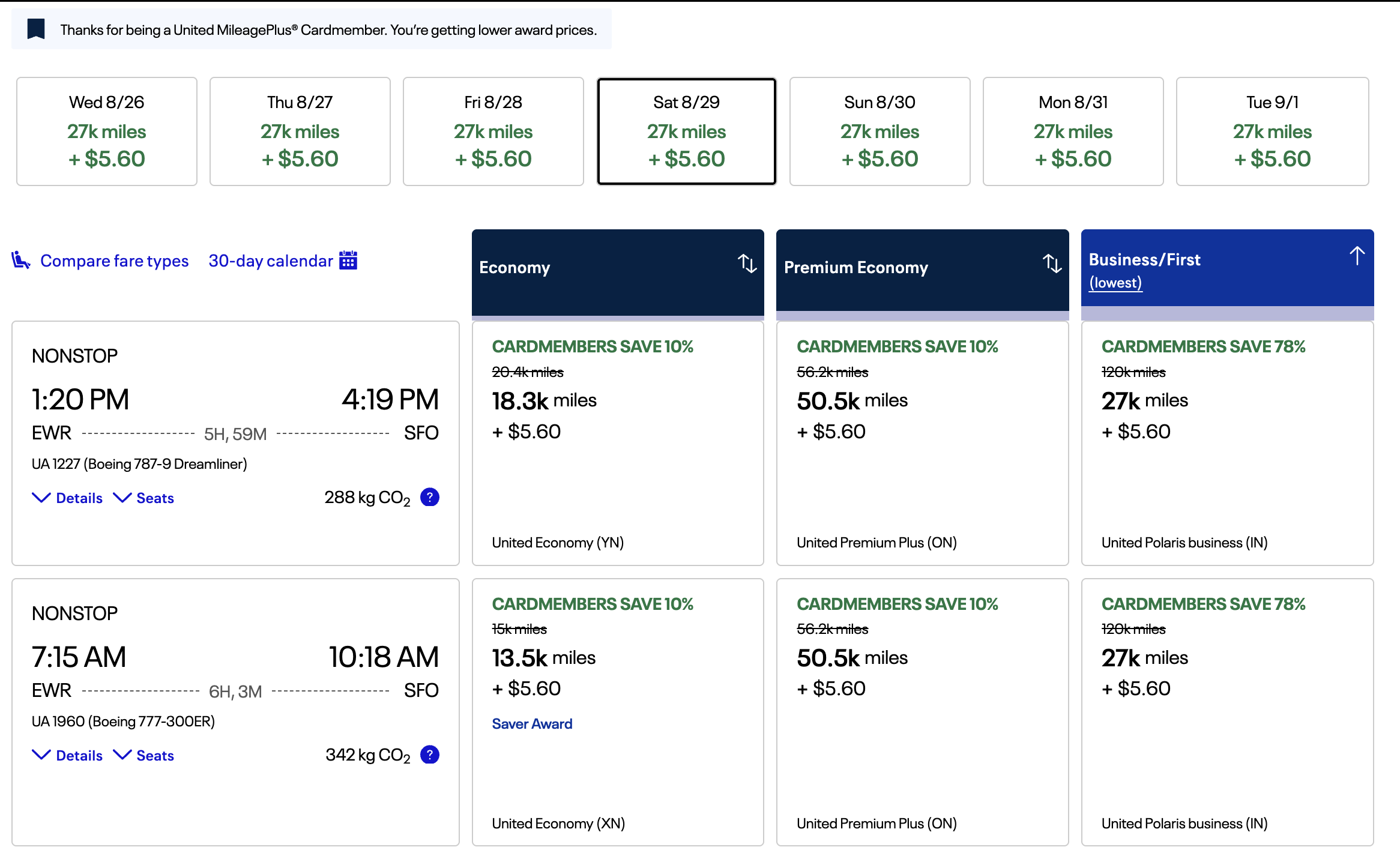
Strategic Aircraft Deployment: The Boeing 787-9 Advantage
While the 27,000-mile deal is available across various flights, savvy travelers are being advised to scrutinize the aircraft type before booking. United operates a mix of aircraft on these "Coastliner" routes, including the Boeing 737 MAX, the 757-200, and the wide-body Boeing 787-9 Dreamliner.
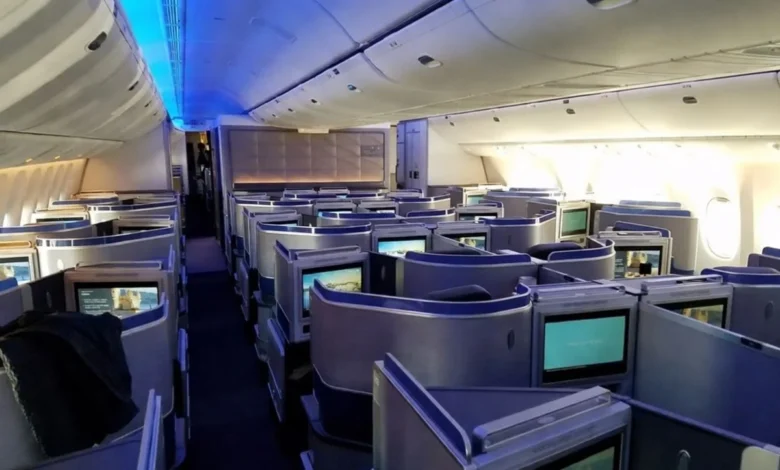
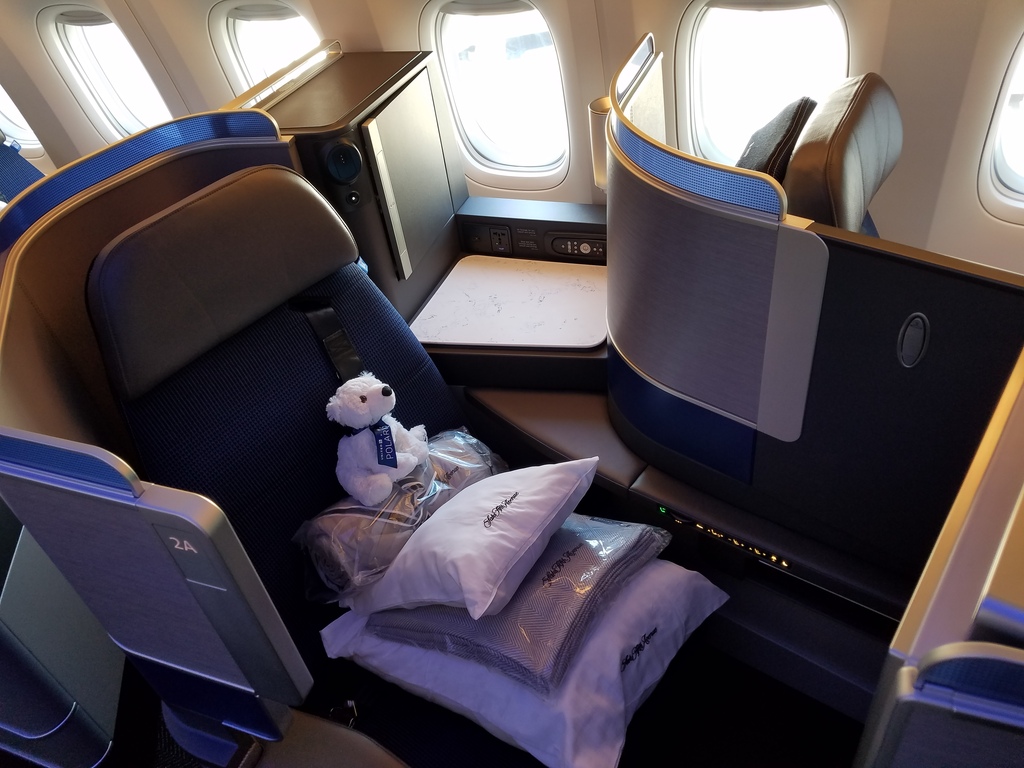
The Boeing 787-9 represents the gold standard for this redemption. Unlike the narrow-body aircraft, which may feature older "Diamond" style seats in a 2-2 configuration, the 787-9 is equipped with the true Polaris cabin. This features a 1-2-1 configuration where every passenger has direct aisle access and a fully lie-flat suite. The Dreamliner also offers superior cabin pressurization and humidity levels, which are designed to reduce jet lag and fatigue—a significant benefit for the five-to-six-hour cross-country trek.
Furthermore, many of the results appearing at the 27,000-mile price point include one-stop itineraries featuring domestic first class on smaller aircraft. To maximize the value of the redemption, passengers must ensure they are selecting the "Non-stop" filter and verifying that the cabin is marketed as "United Polaris Business," rather than standard domestic "United First."
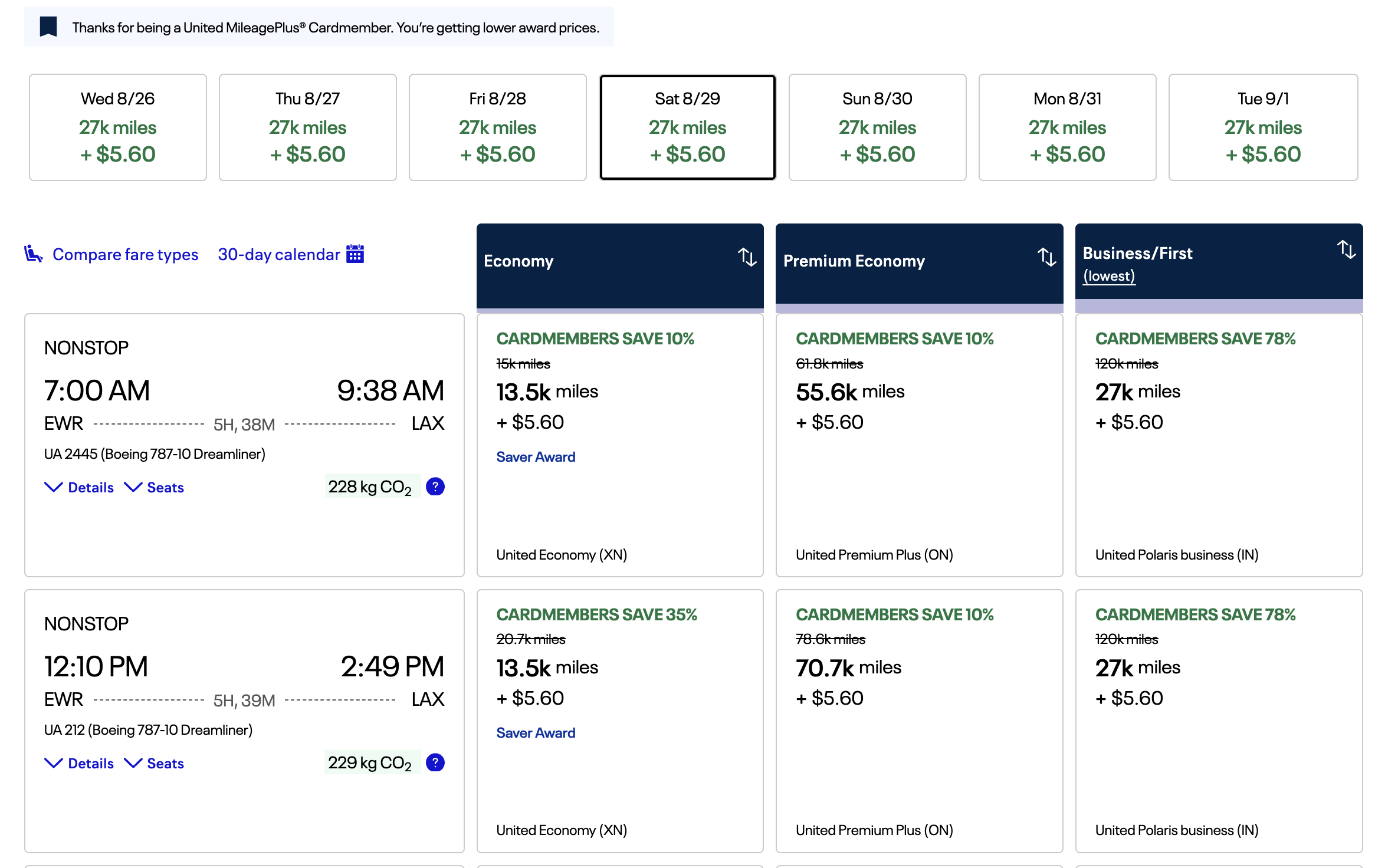
A Shift in Lounge Access Policy
The timing of this award release coincides with a significant policy shift enacted by United in March 2024. Previously, passengers flying on domestic transcontinental routes were excluded from United’s exclusive Polaris Lounges, regardless of their ticket class. These lounges were reserved strictly for long-haul international business class travelers.
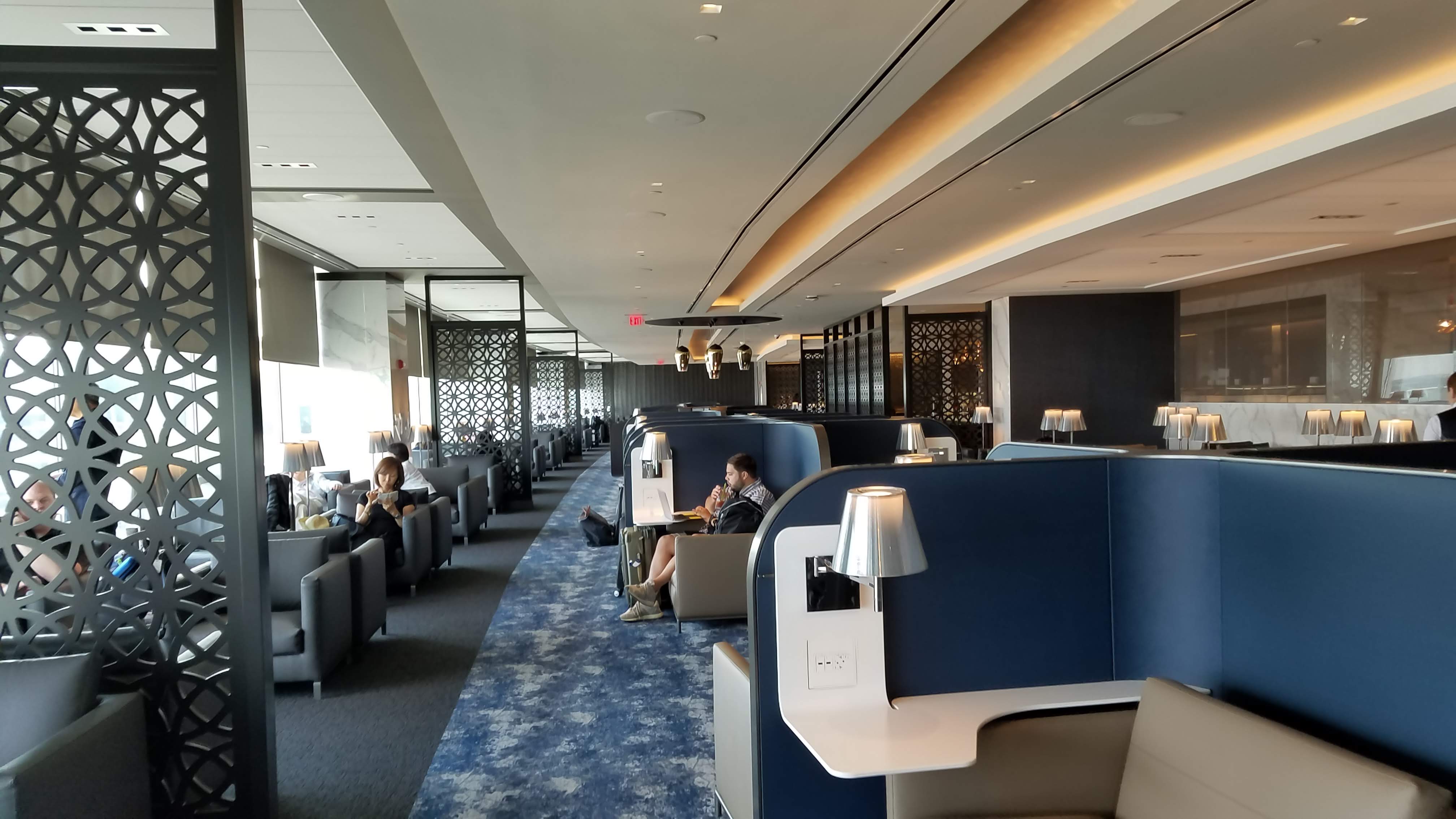
Under the new "Coastliner" service standards, United now grants Polaris Lounge access to passengers booked in business class on the Newark to San Francisco and Newark to Los Angeles routes. This aligns United’s ground experience with American Airlines’ Flagship Lounges and Delta’s newly launched Delta One Lounges.
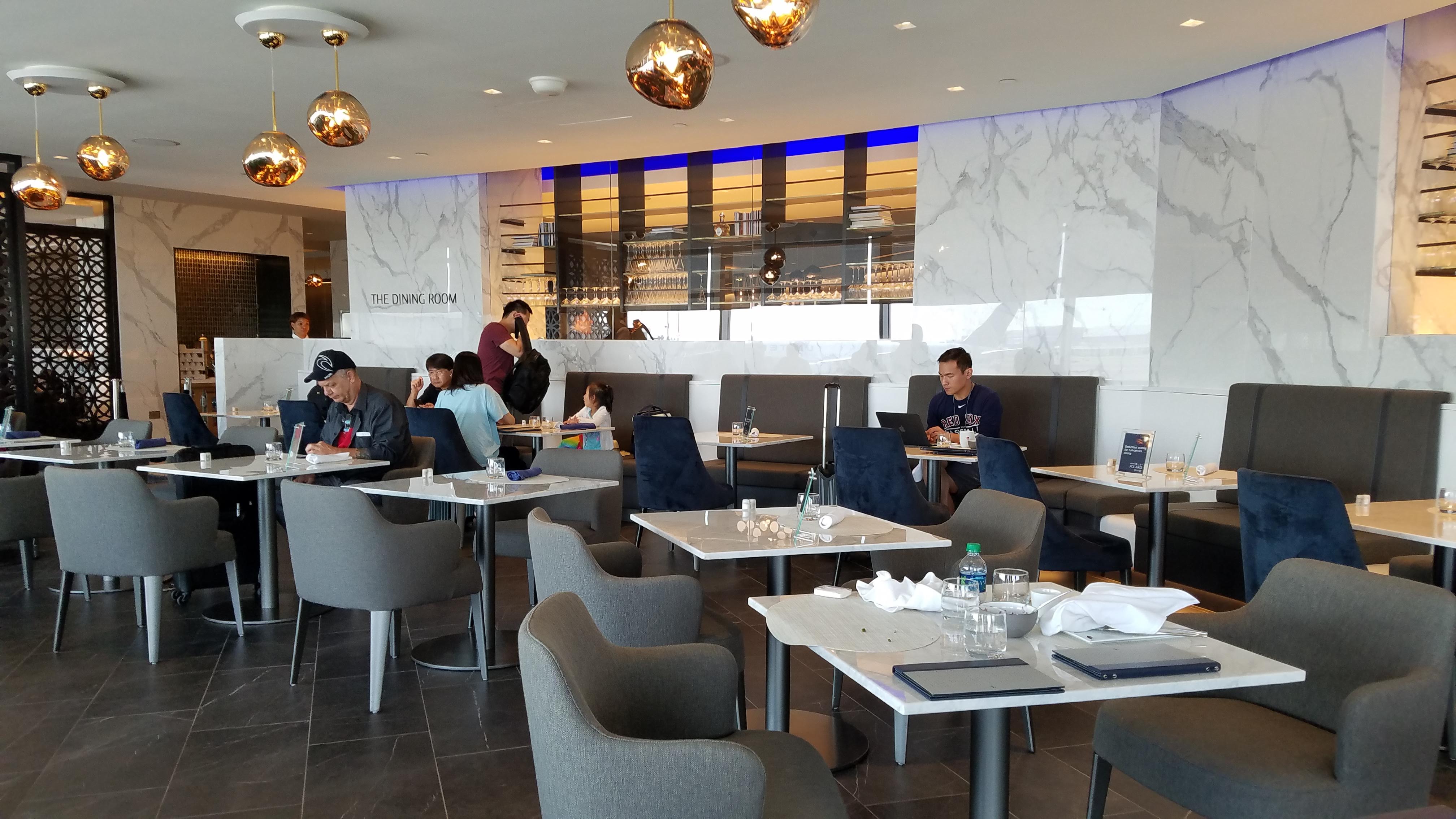
The Polaris Lounge at Newark Liberty International Airport is widely regarded as one of the best in the United States. It features a sit-down "Dining Room" with a full à la carte menu, private shower suites, and quiet nap pods. The ability to access this facility on a 27,000-mile award ticket—which also allows for access upon arrival at SFO or LAX—adds hundreds of dollars in perceived value to the redemption.
The Role of Cobranded Credit Cards in Award Availability
The exclusivity of this deal underscores United’s reliance on its partnership with Chase. The airline has increasingly designed its loyalty program to reward those who carry its plastic. For instance, the United Business Card currently offers a sign-up bonus of up to 110,000 miles, with a $150 annual fee. When viewed through the lens of this 27,000-mile deal, that single sign-up bonus could theoretically fund four one-way transcontinental business class flights.
The United Business Card also includes a $125 United travel credit (after five qualifying flight purchases), which effectively offsets the annual fee for frequent flyers. Perhaps more importantly for the "award hacker" community, small business cards like this do not typically count toward Chase’s "5/24 rule"—a restriction that prevents customers from being approved for new cards if they have opened five or more accounts with any issuer in the past 24 months.
For those who do not qualify for a business card, the United Explorer Card offers similar access to the discounted award inventory. By "sock-drawering" the card (keeping it active but not necessarily using it for daily spend), travelers can unlock the lower mileage tiers and "XN" inventory that make these 27,000-mile redemptions possible.
Comparative Analysis: United vs. The Competition
The premium transcontinental market is the most competitive domestic corridor in the United States. United’s move to lower award prices is a tactical strike against its primary rivals:
- JetBlue Mint: Long considered the industry leader in domestic business class, JetBlue’s Mint product often commands high cash prices. However, JetBlue’s TrueBlue program is revenue-based, meaning award prices stay high when cash prices are high. United’s fixed-tier "Saver" award at 27,000 miles provides a significantly better "cents per mile" value.
- American Airlines: American offers its Flagship First and Flagship Business service on the Airbus A321T. While the product is excellent, American has been aggressive in devaluing its own award chart, making "Saver" space increasingly rare on these routes.
- Delta Air Lines: Delta recently opened its first dedicated Delta One Lounge at JFK, signaling a move toward ultra-premium exclusivity. However, Delta’s SkyMiles are notoriously difficult to use for high-value premium cabin redemptions, with transcontinental flights often costing over 100,000 miles.
By pricing Polaris at 27,000 miles, United is not just filling seats; it is attempting to lure "free agents"—travelers who do not have strict airline loyalty—into the MileagePlus ecosystem by demonstrating the tangible value of its miles.
Industry Implications and Future Outlook
This move by United suggests that the airline is confident in its premium cabin capacity. During the post-pandemic travel boom, airlines struggled with "too much money chasing too few seats," leading to the near-extinction of Saver-level awards. The return of these low-cost redemptions may indicate a cooling in the domestic premium market or a realization that loyalty programs must offer "aspirational" value to remain relevant.
Market analysts note that the 27,000-mile price point is a powerful psychological tool. It represents a "sweet spot" that is attainable for casual travelers who may only earn miles through credit card sign-ups or moderate flying. If United continues to use its cardmember-exclusive inventory to offer these types of deals, it could see a significant uptick in credit card applications and a strengthening of its Newark hub’s dominance.
However, the sustainability of such deals remains to be seen. As August and September approach, the "inventory dump" may quickly dry up as word spreads through the travel community. For now, the 27,000-mile Polaris seat stands as one of the most lucrative "sweet spots" in the current domestic aviation landscape, provided the traveler holds the right credit card and knows which aircraft to look for.
In conclusion, United’s decision to open up Polaris inventory at this price point is a win for consumers who have been frustrated by the inflation of airline miles. It highlights the growing importance of the "pay-to-play" model in loyalty programs, where the best deals are reserved for those who integrate the airline’s financial products into their daily lives. For the traveler looking to cross the country in a lie-flat bed with world-class lounge access, the late summer of 2024 offers a rare window of opportunity.