The Unseen Hand: How LG Monitor App Installer Forces Ads and Raises Major Privacy Concerns

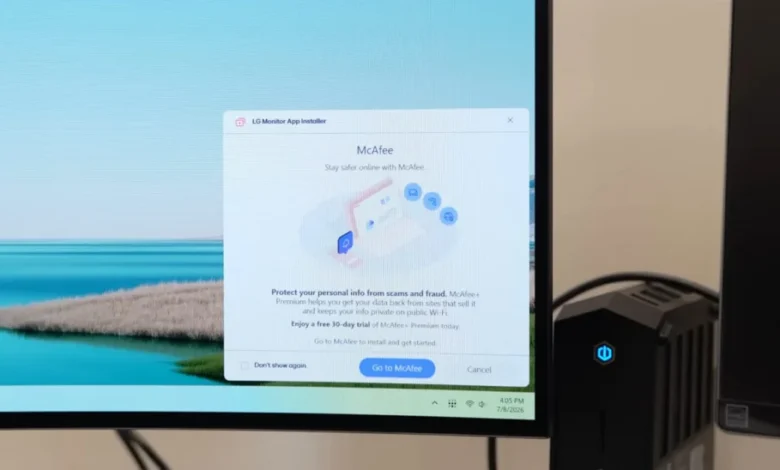
A growing chorus of user complaints has cast a spotlight on LG Electronics, a prominent manufacturer of high-end computer monitors, regarding the unprompted installation of "LG Monitor App Installer" and subsequent display of advertisements on users’ systems. This practice, occurring without explicit user permission or a clear prompt, has ignited significant privacy concerns and sparked debate over the ethical boundaries of software distribution bundled with hardware, particularly for devices that command premium prices, often exceeding $1,000. The core of the controversy lies not just in the disruptive nature of unsolicited ads but in the alarmingly broad permissions the installed application reportedly acquires, including access to "all system resources" and the ability to "collect geolocation, device data, online activity, contacts, user credentials, transactions, and more," as detailed by cybersecurity expert Burke in related reports. This development underscores a broader industry trend of hardware manufacturers leveraging companion applications for data monetization and additional revenue streams, challenging established norms of user consent and digital autonomy.
The Unwanted Intrusion: A Deep Dive into LG’s Monitor App Installer
The "LG Monitor App Installer" is designed, according to its Microsoft Store description, to help users "easily install and use apps supported by your monitor." However, the issue arises from its clandestine deployment. Users report finding the application and its associated advertisements appearing on their Windows systems without any discernible installation prompt or explicit consent mechanism from LG. This stealthy installation method, often facilitated through Windows Update, transforms a high-value purchase into a vector for unwanted software, commonly referred to as bloatware or crapware. For consumers investing in LG’s premium monitors, such as those from their acclaimed UltraGear gaming lineup or high-resolution professional displays, the imposition of ads and potentially invasive software feels like a betrayal of trust and a significant erosion of the value proposition. The expectation for a monitor, especially a costly one, is to provide a display solution, not to act as a platform for unsolicited commercial messages or a conduit for personal data collection.
The scope of data collection reportedly enabled by the LG Monitor App Installer is particularly alarming. As highlighted by Burke, the application gains permission not only to utilize "all system resources" but also to meticulously gather sensitive user data. This includes, but is not limited to, geographical location, detailed device information, records of online activities, contact lists, user credentials, and even transaction data. Such extensive access to personal and system-level information raises serious questions about data security, potential misuse, and compliance with global privacy regulations such as the General Data Protection Regulation (GDPR) in Europe and the California Consumer Privacy Act (CCPA) in the United States. Without clear, informed consent, the collection of such a vast array of personal data could expose LG to significant legal and reputational risks. The inclusion of third-party software like McAfee in the list of supported applications further complicates matters, as it suggests potential affiliate marketing agreements that might incentivize the unprompted installation of additional software, potentially increasing the attack surface for privacy breaches.
A Pattern of Practice: Unpacking the Chronology and Scope
While recent reports, prominently featuring investigations by outlets like Gamers Nexus, have brought this issue to the forefront, the underlying practice appears to have a longer history. Cybersecurity researchers and affected users indicate that this behavior has been ongoing for several years, but its prevalence and visibility have seemingly expanded recently. Burke noted observing pop-up advertisements on LG monitors he had purchased as far back as three years ago, suggesting a gradual rollout or an activation of latent capabilities within the software ecosystem. This timeline indicates that the issue is not a recent isolated incident but rather a systemic approach that has been quietly developing. The fact that older hardware is retroactively affected through updates or background processes further exacerbates user frustration, as it alters the nature of a product long after its purchase, without the user’s explicit agreement to these new terms of engagement.
The exact chronology of LG’s implementation of this auto-installation feature and its associated advertising is difficult to pinpoint precisely without official statements from the company. However, the surge in public complaints and media scrutiny suggests a tipping point has been reached, likely driven by the increasingly aggressive nature of the installations and the ads themselves. The visual evidence shared by Gamers Nexus, depicting LG’s app installing via Windows Update, provides a tangible representation of how this process unfolds in the background, often unnoticed by the average user until the ads begin to appear. This stealthy deployment mechanism bypasses traditional software installation dialogues, which typically require user interaction and explicit acceptance of terms and conditions, thereby sidestepping a fundamental principle of user control over their computing environment.
Microsoft’s Role: Enabling Auto-Installation of Peripheral Software
The controversy extends beyond LG, bringing into question Microsoft’s policies regarding companion applications for peripherals within its Windows ecosystem. Microsoft’s Universal Windows Platform (UWP) device apps are designed to allow "automatic installation when the user connects their device to the PC." This feature is contingent on the user not having opted out of "Recommended Settings" during Windows installation and being connected to the Internet and signed into the Microsoft Store. While intended to streamline the setup process for hardware, a Microsoft support page for Windows developers explicitly warns about the implications of this feature: "The automatic installation feature does not provide a notification to the user when the app is installed. Some users may find this experience confusing and frustrating and give your app a bad rating."
This policy effectively provides a loophole for hardware manufacturers to push software onto users’ systems without explicit consent, relying on default settings and the lack of transparency in the installation process. For peripheral manufacturers, this represents a convenient mechanism to install drivers, utilities, and, in LG’s case, applications that serve additional business objectives like ad delivery and data collection. However, for users, it blurs the line between essential device functionality and optional, often unwanted, software. Microsoft’s acknowledgment of potential user frustration highlights an awareness of the issue, yet the policy remains in place, suggesting a prioritization of developer convenience or ecosystem integration over robust user consent mechanisms. This stance puts the onus on users to meticulously review and customize their Windows installation settings, a task many may not undertake or even be aware of, especially when purchasing a new device.
A Broader Industry Challenge: The Scourge of Bloatware
The issue of hardware vendors automatically installing unwanted software is not unique to LG. It is a pervasive problem across the PC hardware industry, affecting a wide range of peripherals and components. Previous criticisms have been leveled against major players like Razer for gaming peripherals, Logitech for both gaming and productivity accessories, Asus for motherboards, and Gigabyte, also for motherboards. These companies have faced user backlash for bundling unnecessary software, often without explicit consent, contributing to system bloat, resource consumption, and potential security vulnerabilities.
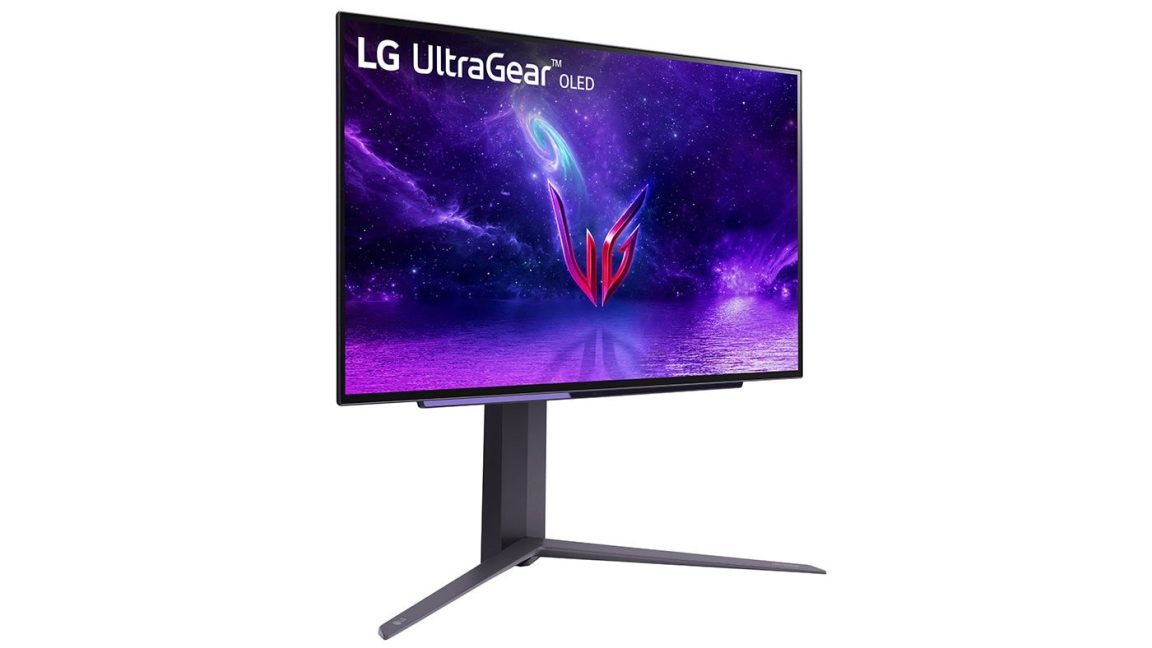
What makes LG’s situation particularly egregious, however, is the context of the device itself. Unlike a motherboard or a gaming mouse, which might plausibly require specialized software for advanced features or customization, a monitor’s primary function is display. Most monitors operate perfectly well with generic drivers provided by the operating system, requiring no proprietary companion application for core functionality. The introduction of an "App Installer" that pushes ads and collects extensive data on a device whose fundamental purpose is passive display output seems a significant overreach. Given the substantial investment consumers make in LG’s high-quality monitors, the forcible installation of such software feels particularly exploitative and disrespectful of the user’s investment and privacy. This practice pushes monitors into the realm of "smart" devices that leverage their connectivity for purposes beyond their advertised function, without adequate transparency or control for the end-user.
Data Collection and Privacy Concerns: The True Cost of Connectivity
The reported permissions of the LG Monitor App Installer—allowing it to collect geolocation, device data, online activity, contacts, user credentials, and transaction information—raise profound privacy concerns. In an era where data is often referred to as the "new oil," such extensive collection capabilities represent a significant monetization opportunity for companies, but a substantial risk for individuals. The lack of explicit consent mechanisms for this data collection is a direct challenge to principles of data minimization and purpose limitation, cornerstones of modern privacy frameworks. Users purchasing a monitor do not typically consent to have their online activities or personal contacts tracked by the manufacturer.
The implications for user security are also considerable. An application with such broad system and data access could potentially become a vector for malware or be exploited in a data breach. Even if LG itself maintains robust security protocols, the sheer volume and sensitivity of the data collected present an attractive target for malicious actors. Furthermore, the inclusion of third-party software, such as McAfee, through this installer adds another layer of complexity. While antivirus software can be beneficial, its forced installation, especially when not explicitly chosen by the user, can lead to conflicts with existing security solutions or contribute to system slowdowns, eroding user trust in both LG and the bundled software. The "free" aspect of bundled software often comes at the cost of user data and system performance, a hidden tariff that becomes increasingly problematic on premium hardware.
The Silent Treatment: LG’s Official Stance (or Lack Thereof)
In response to inquiries from Ars Technica regarding the purpose of the LG Monitor App Installer, the specific monitors affected, and the pressing privacy concerns, an LG company representative acknowledged receipt of the questions. However, as of the publication of the original report, no substantive response was provided. This silence from LG, while not uncommon in the initial stages of a controversy, does little to assuage consumer fears or clarify the company’s position. In the absence of an official statement, users and industry observers are left to speculate on the company’s motivations and future actions.
Typically, in such situations, companies might issue statements affirming their commitment to user privacy, explaining the necessity of companion apps for certain features, or promising to investigate and address user complaints. The absence of such a response only intensifies scrutiny and can be interpreted as either an inability to adequately defend the practice or an unwillingness to acknowledge the severity of the concerns. This lack of transparency can further erode consumer confidence, particularly for a brand that prides itself on delivering high-quality, premium products. For a company like LG, which competes in a fiercely competitive market, maintaining a strong reputation for ethical practices and customer respect is paramount.
Consumer Outcry and Brand Reputation
The revelations surrounding the LG Monitor App Installer have sparked considerable backlash within the tech community and among general consumers. Online forums, social media platforms, and technology review sites are abuzz with user complaints, expressing frustration, disappointment, and a sense of betrayal. The role of influential tech reviewers and content creators, such as Gamers Nexus, in bringing this issue to a wider audience cannot be overstated. Their detailed investigations and public reporting amplify user voices and exert pressure on manufacturers to address these practices. Gamers Nexus specifically listed several LG monitor models as reportedly auto-installing the bloatware, based on user complaints, though they also noted that the permissive Microsoft policy suggests a potentially broader range of affected devices.
The reputational damage for LG could be significant. In an increasingly privacy-conscious world, companies that are perceived to be disrespecting user autonomy or engaging in opaque data collection practices risk alienating their customer base. For a brand that has cultivated a reputation for innovation and quality, particularly in the high-end display market, such controversies can have long-lasting effects on brand loyalty and purchasing decisions. Consumers are increasingly discerning and are willing to switch brands if they feel their privacy is not adequately protected or if they are subjected to intrusive marketing tactics. The value of a premium product is diminished if the user experience is marred by unwanted software and advertisements.
Navigating the Digital Landscape: Implications for Future Hardware and Software Practices
The LG Monitor App Installer controversy serves as a critical case study in the ongoing tension between hardware manufacturers’ desire for additional revenue streams and user expectations for privacy and control over their devices. The incident prompts a broader discussion within the industry about the ethical responsibility of bundling software with hardware, especially when it involves extensive data collection and advertising. It also puts pressure on Microsoft to re-evaluate its UWP device app auto-installation policy, potentially leading to revisions that prioritize explicit user consent and transparency.
Looking ahead, this event could catalyze a shift in industry practices. Consumers are becoming more vocal about their digital rights, and regulatory bodies worldwide are enacting stricter privacy laws. Companies that fail to adapt to these evolving expectations risk facing not only consumer boycotts but also legal repercussions. The incident may encourage other hardware manufacturers to review their own companion app strategies, opting for more transparent and consent-driven approaches. For users, it highlights the importance of scrutinizing default settings during software and operating system installations, researching hardware purchases beyond core specifications, and advocating for stronger consumer protections against unwanted software and invasive data collection. The future of hardware will likely see a greater emphasis on user control and privacy, pushing manufacturers to innovate responsibly rather than exploit user data as a hidden cost of connectivity.
Related posts: