Cloggs Cave Reveals 25,000-Year Legacy of Indigenous Australian Ritual and Resilience

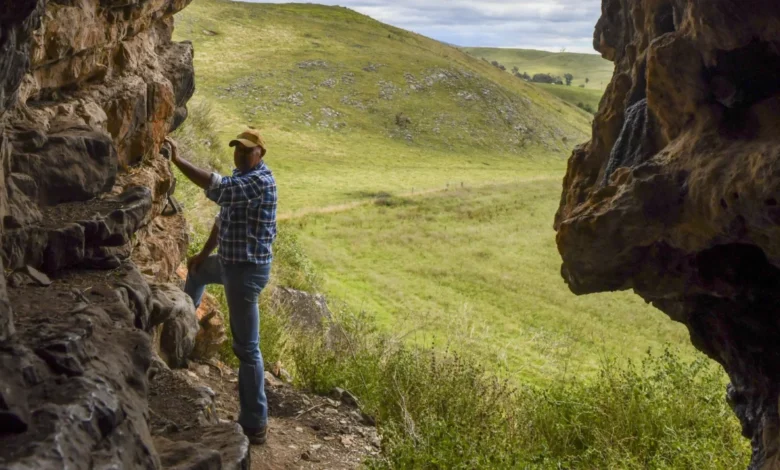
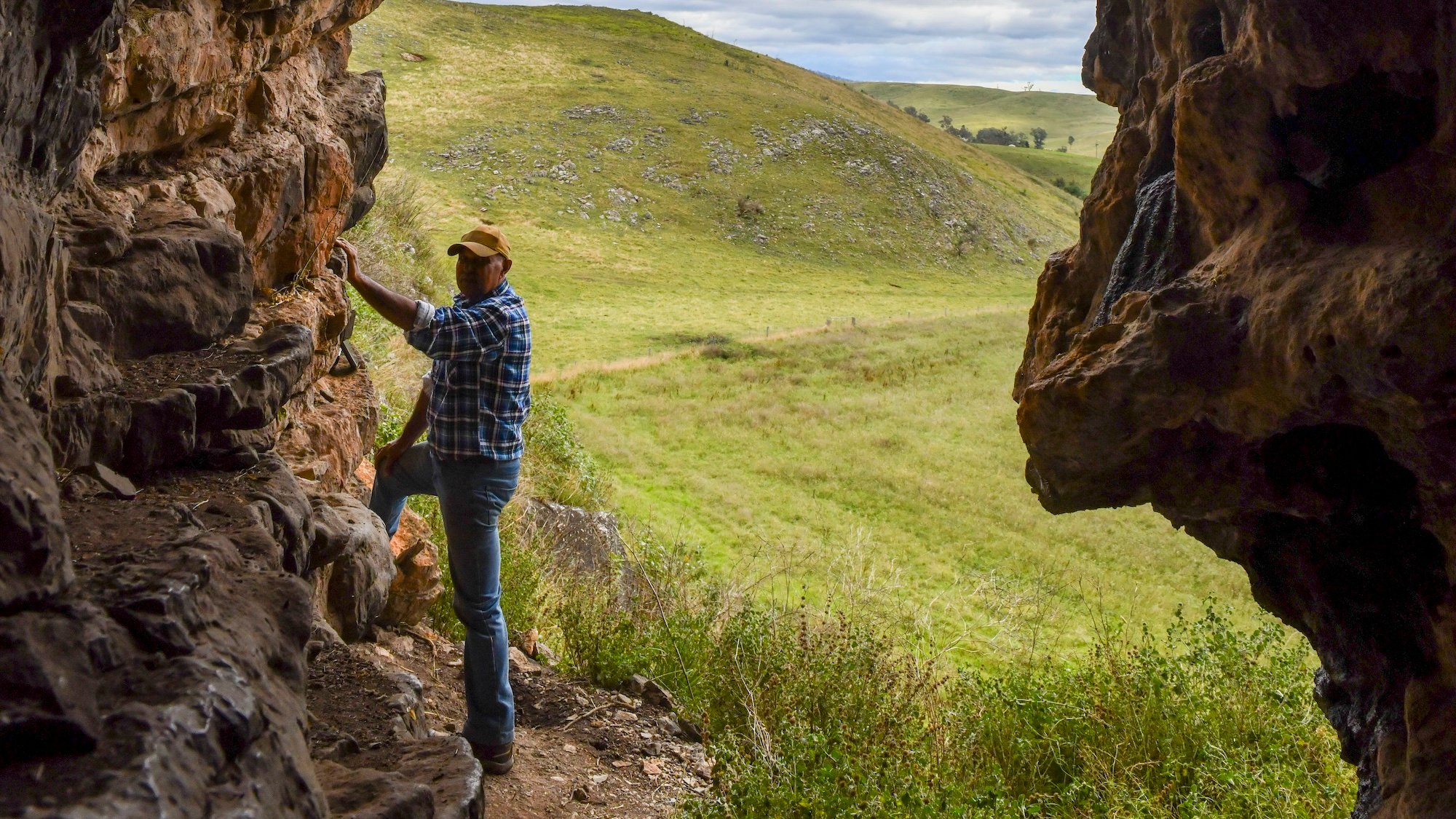
The entrance to Cloggs Cave, a significant limestone cavern nestled on a bluff in southern Australia near Buchan, Victoria, presents a striking, almost monumental facade, reminiscent of a grand cathedral doorway. For millennia, this ancient site has served as a sacred space for the GunaiKurnai people, an Indigenous Australian nation whose connection to this land is etched into the very fabric of the cave. The blackened ceiling, a testament to countless fires lit within its chambers, bears witness to a continuous human presence stretching back at least 25,000 years. This profound history, previously understood through ethnographic accounts and the enduring oral traditions of the GunaiKurnai, has now been illuminated by groundbreaking scientific analysis, confirming the cave’s role as a vital hub for healing, spiritual practices, and ritual ceremonies.
The recent study, published in the esteemed journal Frontiers in Environmental Archaeology, has utilized the microscopic remnants of burnt grasses to provide irrefutable evidence of prolonged Indigenous use. These findings push back the known timeline of human activity in Cloggs Cave significantly, offering a deeper understanding of the cultural and spiritual landscape of ancient Australia. The research not only validates the GunaiKurnai’s historical narratives but also underscores the sophisticated environmental knowledge and practices of its earliest inhabitants.
Unveiling Ancient Rituals: The Science Behind the Smoke
The enduring legacy of the GunaiKurnai in Cloggs Cave is most visibly marked by the soot that blankets its ceiling, a direct consequence of the numerous bonfires that once illuminated its depths. Historical records from the 19th century, coupled with the rich oral histories passed down through generations, speak of the cave’s importance as a ceremonial site. Respected spiritual leaders, known as "mulla-mullung" or "Old Ancestors," utilized this space for a range of practices, including healing, magical rites, and even curses. These rituals frequently involved the burning of native grasses, and it is the preserved microscopic traces of these grasses that have provided scientists with a direct window into the past.
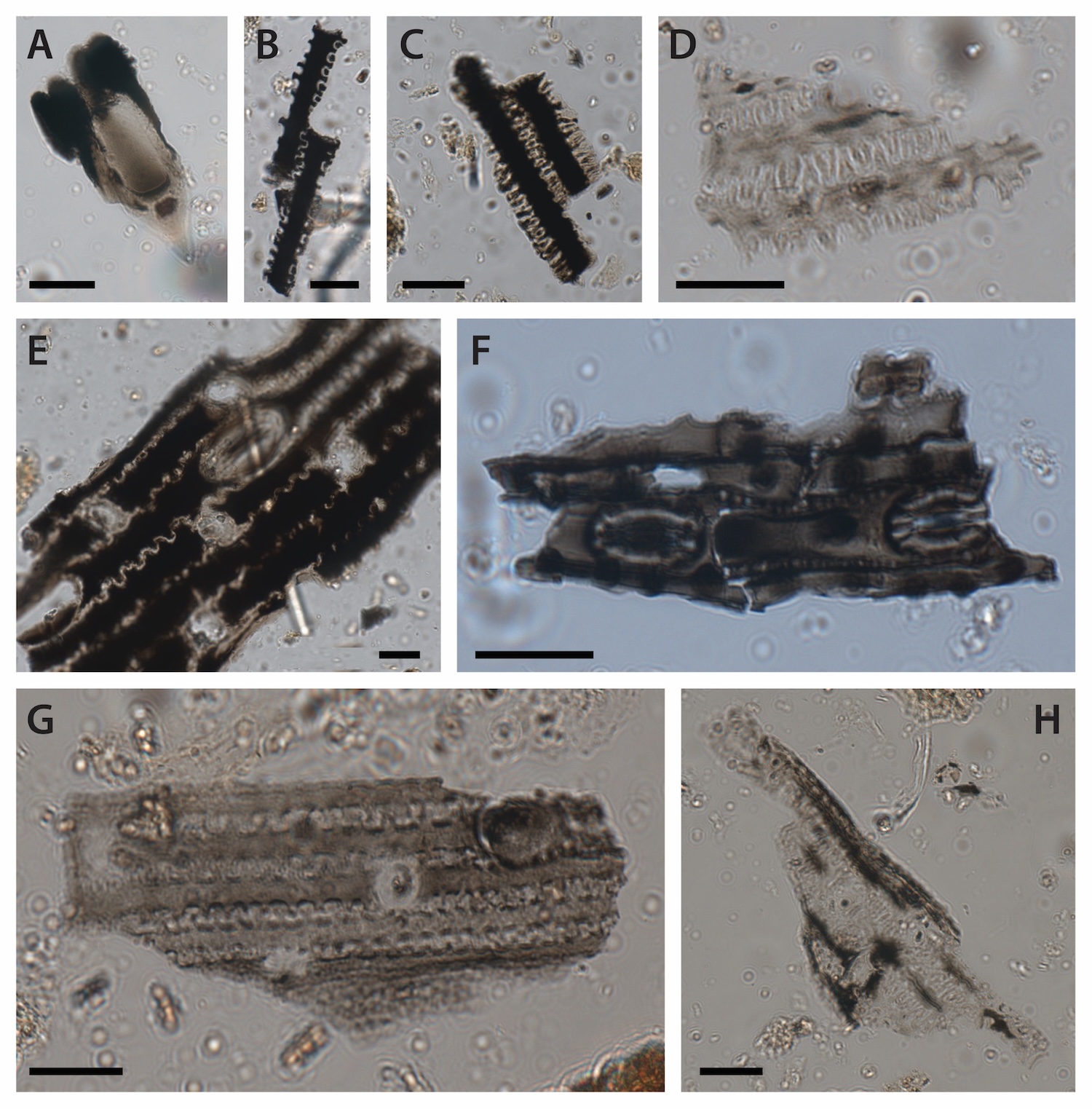
The key to unlocking this ancient timeline lies in the analysis of phytoliths – microscopic silica structures found within plant tissues. Unlike pollen, which can be dispersed by wind, water, and fauna, phytoliths tend to remain in the immediate vicinity of the plant’s decay. Given that Cloggs Cave is a dark environment, inaccessible to sunlight, the presence of phytoliths within its confines strongly suggests they were introduced by human or animal activity.
Dr. Elle Grono, an archaeologist at the Australian National University and a co-author of the study, explained the meticulous methodology employed: "Here we show that the Old Ancestors selected whole grasses from the wider landscape and carried them into Cloggs Cave to spread out in thin layers and burn." She further elaborated on the preservation process: "Over time, sediments covered these burnt layers, preserving each layer on top of another over thousands of years." This natural layering created an archaeological archive, allowing researchers to date and analyze the sequence of human activities.
The study focused specifically on "half-burnt phytoliths" found within ashy layers. This critical detail, as explained by Dr. Grono, helps distinguish human-introduced materials from those that might have arrived through other means: "We focused on half-burnt phytoliths from ashy layers, which can only have been brought in by people, as unburnt ones might have arrived through either means." This precise targeting ensured the integrity of the dating and the accuracy of the conclusions drawn about human presence.
A Timeline of Presence: From Ice Age Rituals to Contemporary Connection
The scientific evidence meticulously gathered from Cloggs Cave paints a remarkable chronology of human engagement with the site. Carbon dating performed on phytoliths found within 73 distinct ash layers in excavation pits revealed that the burning of plant materials within the cave occurred intermittently between approximately 4,400 and 1,600 years ago. This period encompasses significant phases of Indigenous Australian history and cultural development.
The diversity of vegetation identified through phytolith analysis is also noteworthy. Researchers identified 29 different types of plants, including grasses, herbs, and woody species. This indicates that the GunaiKurnai people brought a variety of plant materials into the cave, likely for specific ceremonial purposes. The prevalence of grasses from the Pooideae subfamily, typically found in cooler climates, alongside the Panicoideae subfamily, common in warmer, humid regions, suggests a deliberate selection of plants from diverse ecological zones within the GunaiKurnai territory. This demonstrates a sophisticated understanding of local flora and its symbolic or practical significance.
However, the most striking revelation pushes the timeline back significantly. Further analysis of dated burnt plant evidence suggests that communities began actively bringing materials into Cloggs Cave as far back as 25,000 years ago. This places human activity at the site within the Late Pleistocene epoch, a period often referred to as the "Ice Age," when Australia’s climate and landscapes were considerably different. This discovery not only extends the known occupation of Cloggs Cave but also contributes to the broader understanding of early human adaptation and cultural practices in Australia during this critical period.
Beyond the Flora: Standing Stones and Spiritual Significance
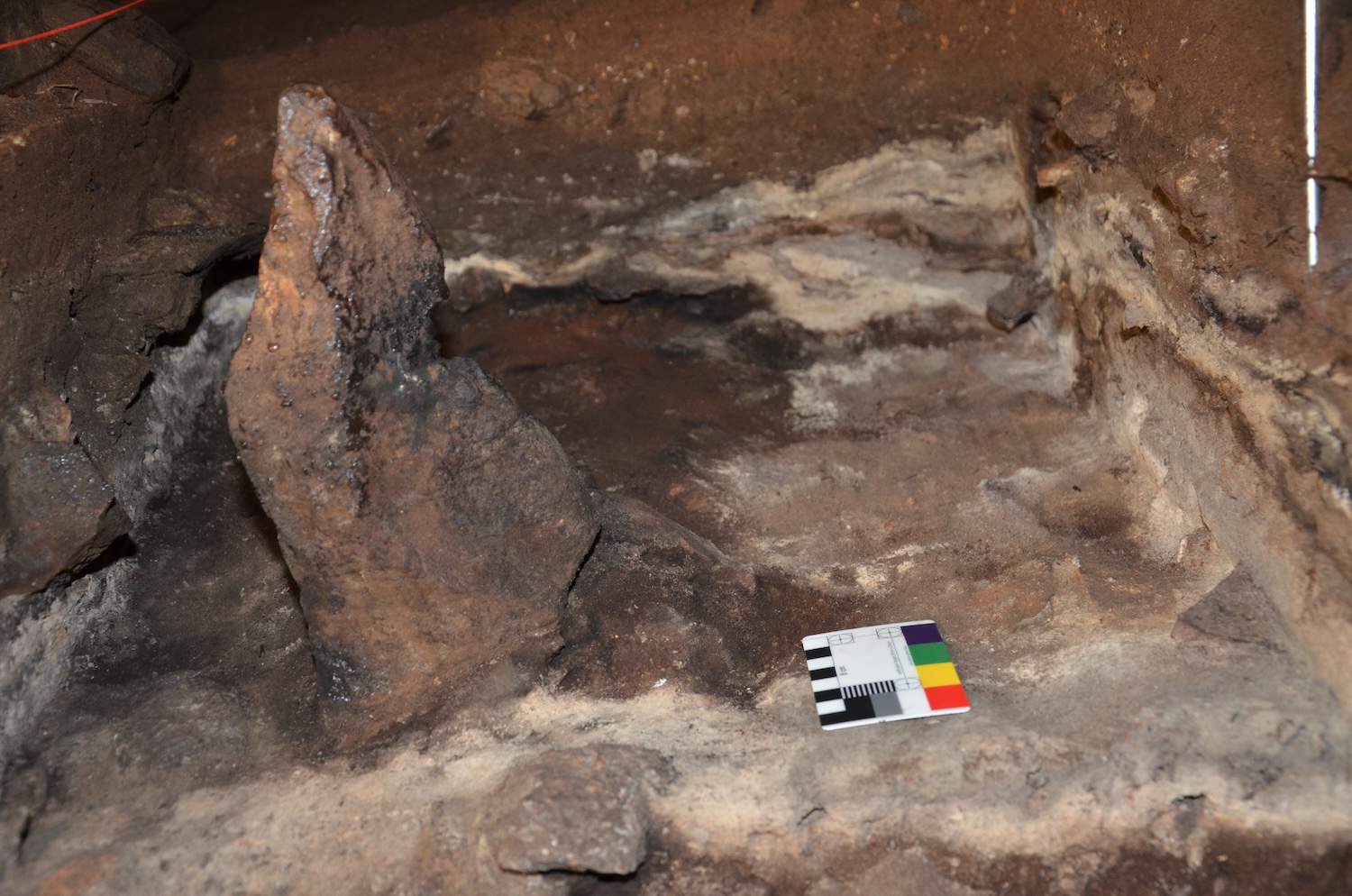
The archaeological investigations within Cloggs Cave unearthed more than just botanical evidence. In one of the excavation pits, researchers discovered a remarkable artifact: a standing stone, standing nearly a foot tall, believed to have been used in ceremonial practices. The presence of this stone, surrounded by the same phytolith-rich ashes, further reinforces the cave’s role as a sacred and ritualistic space.
Professor Bruno David, an archaeologist from Monash University and another co-author of the study, highlighted the significance of this find in relation to GunaiKurnai traditions: "Their burning is consistent with GunaiKurnai traditional practices of using ash to perform magic and rituals, and also to track the footsteps of anyone coming in, including spirit-beings." This statement connects the scientific findings directly to the living cultural practices and beliefs of the GunaiKurnai people, underscoring the ongoing relevance of the cave and its associated traditions. The use of ash for tracking or marking spiritual presence is a practice found in various Indigenous cultures globally, highlighting a shared human impulse to engage with the spiritual realm through tangible actions.
The collaborative nature of this research is a crucial aspect of its success. The study’s authors emphasized their deep engagement with GunaiKurnai community representatives throughout the fieldwork, analysis, and dissemination of findings. This Indigenous-led archaeological approach ensures that the research is conducted with respect for cultural protocols and that the knowledge gained benefits the community directly. The GunaiKurnai Land and Waters Corporation played a pivotal role in facilitating access and providing invaluable cultural context, ensuring that the scientific narrative is interwoven with the living heritage of the land.
Implications and Future Directions: A Living Heritage
The confirmation of Cloggs Cave as a site of continuous Indigenous activity for at least 25,000 years has profound implications for our understanding of Australian prehistory and the enduring resilience of Indigenous cultures. It challenges previous assumptions about the scale and complexity of human societies in ancient Australia and underscores the deep, unbroken connection Indigenous peoples have with their ancestral lands.
This discovery adds to a growing body of evidence that highlights the sophistication of Indigenous Australian knowledge systems, including their intricate understanding of local ecosystems, sustainable resource management, and complex spiritual beliefs. The intentional selection of specific plant species for burning, the use of ash in ritualistic practices, and the long-term stewardship of sacred sites like Cloggs Cave all point to a rich and dynamic cultural heritage that has persisted for millennia.
The research also serves as a powerful reminder of the importance of collaborative archaeological endeavors that prioritize Indigenous knowledge and partnership. By working closely with the GunaiKurnai people, scientists have been able to achieve a more nuanced and culturally sensitive interpretation of the archaeological record. This model of collaboration is crucial for future research in Indigenous archaeology, ensuring that the voices and perspectives of Traditional Owners are central to the process.
Looking ahead, the findings from Cloggs Cave are likely to spur further research into other ancient Indigenous sites across Australia. The sophisticated phytolith analysis techniques employed in this study can be applied to a wider range of archaeological contexts, potentially revealing even older or more complex patterns of human activity. The ongoing study of these sites not only enriches our understanding of the human past but also strengthens the recognition and preservation of Indigenous cultural heritage, ensuring that these invaluable stories and traditions continue to be shared and celebrated for generations to come. The legacy of Cloggs Cave is not just a relic of the past; it is a living testament to the enduring spirit and profound connection of the GunaiKurnai people to their ancestral lands.
Related posts: