The Summer of Disconnect: North America and Europe Grapple with Environmental Crises Amid Seasonal Traditions

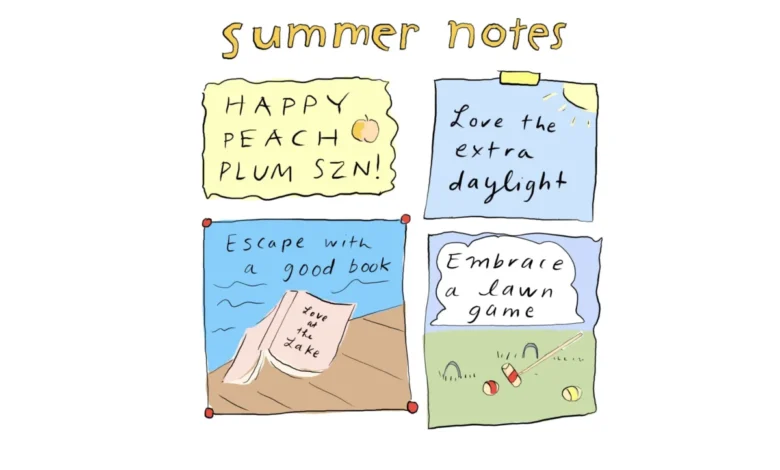
The month of July 2026 has emerged as a period of profound contradiction across the Northern Hemisphere, as the traditional hallmarks of summer—outdoor recreation, seasonal harvests, and community gatherings—clash with an escalating series of environmental and public health crises. From the hazardous smoke plumes drifting across the American Midwest and East Coast to record-breaking heatwaves in Western Europe and a significant foodborne illness outbreak in the Great Lakes region, the season has become a microcosm of the challenges posed by a rapidly changing global climate. While citizens attempt to maintain the rituals of the season, such as enjoying stone fruits and seeking respite in literature, the physical environment is increasingly dictating a new, more restrictive reality.
Public Health Crisis: The Cyclosporiasis Outbreak and Agricultural Safety
A significant portion of the summer’s distress stems from a widespread outbreak of cyclosporiasis, a parasitic intestinal illness caused by the Cyclospora cayetanensis parasite. Reports from Michigan and surrounding states indicate that the infection has been linked to the consumption of fresh peaches, a staple of the July diet. Victims have reported severe gastrointestinal distress, with health officials in the Midwest tracking hundreds of cases as of mid-July.
Cyclosporiasis is typically contracted by consuming food or water contaminated with feces, often tracing back to agricultural runoff or hygiene issues during the harvesting and packing processes. Unlike bacterial infections that can be mitigated by quick rinses, Cyclospora can be difficult to remove from the textured skin of peaches and other stone fruits. The Michigan Department of Health and Human Services, in conjunction with the Centers for Disease Control and Prevention (CDC), has launched an investigation into the supply chains of several major regional distributors.
The impact of the outbreak has been felt most acutely by families who look forward to the "peach season" as a cultural and culinary milestone. For many, the joy of summer produce has been replaced by medical anxiety, leading to a significant dip in sales for stone fruits across the region. This agricultural setback comes at a time when the farming industry is already struggling with erratic weather patterns and shifting growing zones, further complicating the economic stability of the fruit-growing belt in the United States.
Atmospheric Hazards: Canadian Wildfires and the Air Quality Crisis
Simultaneously, the atmospheric conditions across North America have reached "hazardous" levels, driven by an unprecedented wildfire season in Canada. By July 17, 2026, the Air Quality Index (AQI) in parts of Wisconsin and Michigan reached a staggering 417, a level categorized as "Hazardous" by the Environmental Protection Agency (EPA). At these levels, the entire population is likely to experience serious health effects, and outdoor activity is strictly discouraged for all age groups.
The smoke, which has traveled thousands of miles from the boreal forests of Canada, has effectively neutralized the possibility of traditional outdoor summer activities. Community pools in the Midwest have reported closures due to the poor visibility and the health risks posed to lifeguards and swimmers. Families have been forced to pivot to indoor environments, such as public libraries and cinemas, to find filtered air and safe spaces for children.
This phenomenon is not isolated to the interior of the continent. By mid-July, the smoke plumes reached the Atlantic coast, impacting New York City and the surrounding metropolitan areas. The severity of the air quality has even threatened the scheduling of major international events, including high-stakes sporting matches, echoing the "Dust Bowl" era of the 1930s. Analysts have noted that while environmental issues in the West often go overlooked by the national media, the encroachment of hazardous smoke into the high-population corridors of the East Coast and Midwest is forcing a nationwide reckoning with the realities of forest management and climate change.
The European Front: Heatwaves and Ecological Mortality in France
The environmental crisis is not limited to North America. Across the Atlantic, France is currently navigating its third major heatwave of the 2026 season. The heat has had a devastating impact on both human and animal populations. Reports from French health authorities suggest that the cumulative death toll from heat-related complications has reached into the thousands, with the elderly and those without access to climate-controlled housing being the most vulnerable.
The ecological toll is equally staggering. Millions of animals, including both livestock in the agricultural sector and wildlife in the remaining forested regions, have perished due to heat exhaustion and the drying up of natural water sources. Large-scale forest fires have also broken out across the French countryside, further contributing to the global carbon load and destroying vital biodiversity.
The situation in France has sparked intense political debate regarding the speed of the ecological transition. Citizens and environmental advocacy groups are increasingly calling for radical structural changes to how modern societies value water, soil, and life. The "business as usual" approach is being challenged by the reality of a landscape that is becoming increasingly uninhabitable during the summer months, leading to calls for more aggressive climate action at the European Union level.
A Chronology of the July 2026 Environmental Convergence
The current situation is the result of a multi-week escalation of events that began in late June:
- June 25 – June 30: Initial reports of cyclosporiasis emerge in the Michigan area; Canadian wildfire activity intensifies due to a prolonged drought in the northern territories.
- July 5 – July 10: France enters its second heatwave of the year; temperature records are shattered in the south, leading to the first wave of livestock mortality.
- July 12 – July 15: A massive smoke plume from Canada crosses the U.S. border, plummeting AQI levels across the Great Lakes region. The "Hazardous" designation is applied to cities like Milwaukee and Detroit.
- July 17: AQI levels in the Midwest hit a peak of 417. Public facilities close, and the term "summer prison" begins to trend on social media as residents are confined to their homes.
- July 18: New York City officials monitor air quality levels as smoke begins to settle over the Northeast, prompting discussions about canceling outdoor public events and professional sports games.
Societal Reactions and the "Summer as Prison" Sentiment
The psychological impact of these overlapping crises is profound. For many, the concept of summer has historically been synonymous with freedom and the outdoors. However, the 2026 season has introduced a sense of confinement. Residents in Western Colorado, who have dealt with seasonal smoke for years, have expressed a grim sense of validation as the Midwest and East Coast experience similar conditions. There is a growing sentiment that the public only begins to demand systemic change when the consequences of climate change impact major economic and media hubs.
In the Midwest, the transition from "beach weekends" to "library days" represents a significant shift in the cultural fabric of summer. While individuals try to find joy in small things—such as "lawn gnomes," indoor gardening, or reading—the underlying anxiety about the future of the planet remains a constant presence. The contrast between the aesthetic "slope notes" of a traditional summer and the reality of hazardous air and contaminated food has created a sense of "climate grief" among many populations.
Analysis of Implications and Future Outlook
The events of July 2026 suggest that the "radical shift" in living and governance requested by environmental advocates may no longer be a matter of choice, but a necessity for survival. The structural and cultural changes required to mitigate these crises include:
- Agricultural Reform: The cyclosporiasis outbreak highlights the need for more rigorous testing and safer irrigation practices in the face of warming climates that allow parasites to thrive in new environments.
- Forestry and Fire Management: The transboundary nature of wildfire smoke necessitates international cooperation between the U.S. and Canada on forest management and carbon reduction strategies.
- Urban Infrastructure: As heatwaves and poor air quality become more frequent, urban areas must invest in "cool centers," advanced air filtration for public buildings, and more resilient energy grids.
- Economic Realignment: The disruption of sporting events and tourism due to environmental factors is expected to have a multi-billion dollar impact on the global economy, potentially shifting the cost-benefit analysis for corporations currently resistant to green initiatives.
As the Northern Hemisphere looks toward the autumn, the immediate hope for many is for clean air and a break in the heat. However, the long-term reality is that the summer of 2026 has set a new, sobering benchmark for what the "new normal" looks like in a warming world. The transition from seasonal enjoyment to seasonal endurance marks a turning point in the public’s relationship with the environment, moving from passive observation to an urgent, lived experience of the climate crisis.