ICC Member States Set to Vote on the Removal of Chief Prosecutor Karim Khan Following Serious Allegations of Sexual Misconduct

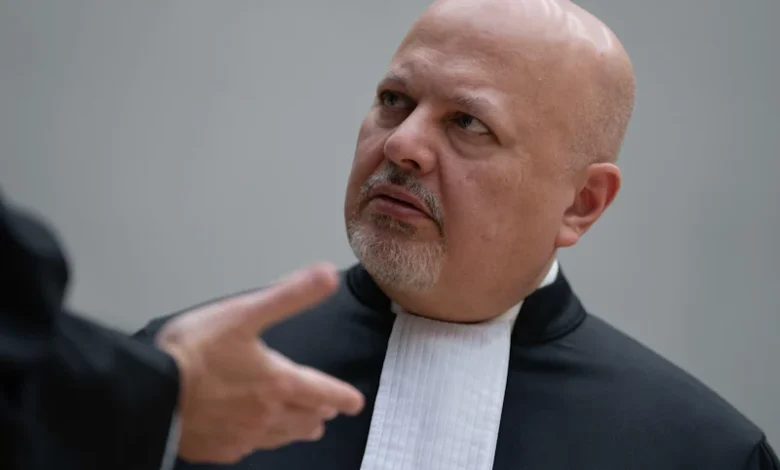
The International Criminal Court (ICC) faces a defining moment in its history as the Assembly of States Parties prepares to convene for a high-stakes vote that could lead to the removal of Chief Prosecutor Karim Khan. The 125 member states that comprise the court’s governing body are scheduled to meet on July 25, 2026, to decide the future of the prosecutor following a series of grave allegations involving sexual misconduct and the abuse of power. The proceedings follow a period of intense internal turmoil and a preliminary UN investigation that has sent shockwaves through the international legal community.
The allegations against Khan primarily stem from a lawyer currently employed within his office, identified in media reports as Sarah. According to a leaked copy of a United Nations investigative report, Sarah alleges that Khan repeatedly subjected her to nonconsensual sexual acts during her tenure as his direct assistant in 2024. The detailed accusations include claims of groping, attempted kissing, and digital and genital penetration. These allegations have raised fundamental questions regarding the internal culture of the ICC and the protections afforded to staff members who work under high-ranking officials.
The Nature of the Allegations and the Power Disparity
The testimony provided by the complainant emphasizes a central theme of institutional power dynamics. Sarah has asserted that the nature of the relationship made consent impossible, citing the vast professional distance between a junior lawyer and the Chief Prosecutor of the world’s most prominent permanent war crimes tribunal. "There is no way for something to be consensual when you have such a power disparity," Sarah stated in an interview with CNN. She further articulated that Khan’s role as the ultimate superior for all staff members created an environment where refusal was professionally and personally daunting.
The leaked UN report suggests that the incidents occurred over a period of several months in 2024. The investigation into these claims was initiated after Sarah reported the conduct to the ICC’s internal oversight mechanisms, which subsequently escalated the matter to external investigators to ensure impartiality. The findings of this report have become the cornerstone of the movement among member states to seek Khan’s permanent ouster.
Further complicating the situation is the emergence of a second accuser. A woman who served as an unpaid intern at the ICC in 2009 has recently come forward with her own account of misconduct involving Khan. While the details of this decades-old allegation remain under review, its emergence has bolstered the arguments of those who suggest a historical pattern of behavior.
The Defense and Legal Response
Karim Khan has remained steadfast in his denial of all charges. Through his legal representation, Khan has maintained that no sexual contact or relationship—consensual or otherwise—ever occurred between himself and the complainant. Sareta Ashraph, the lead counsel for Khan, has stated that the prosecutor intends to fight the allegations vigorously to clear his name.
Khan was officially suspended from his duties in June 2026 as the investigation reached its final stages. His defense team has argued that the allegations are not only false but potentially politically motivated, designed to undermine the Office of the Prosecutor (OTP) at a time when it is handling some of the most sensitive and high-profile cases in its history. Despite these assertions, the suspension has remained in place, and the upcoming vote on July 25 will determine whether that suspension is converted into a permanent removal from office.
Chronology of the Controversy
The timeline of the current crisis reflects a rapid escalation from internal complaints to a full-scale institutional crisis:
- 2009: An unpaid intern at the ICC allegedly experiences sexual misconduct involving Karim Khan; the incident remains unreported or unaddressed at the institutional level for over a decade.
- June 2021: Karim Khan begins his nine-year term as the Chief Prosecutor of the International Criminal Court, succeeding Fatou Bensouda.
- Early 2024: Sarah, working as Khan’s direct assistant, alleges that the cycle of misconduct begins, involving multiple instances of nonconsensual sexual contact.
- Late 2024: Sarah formally reports the allegations to the ICC’s internal oversight body.
- 2025: A UN-led investigation is commissioned to ensure a transparent and independent review of the Chief Prosecutor’s conduct.
- June 2026: Following the preliminary findings of the UN investigation, the ICC leadership announces the formal suspension of Karim Khan.
- July 16, 2026: Leaked details of the UN investigative report are publicized by major media outlets, including CNN, detailing the specific nature of the allegations.
- July 25, 2026: The 125 member states of the Rome Statute are scheduled to vote on Khan’s permanent removal.
Institutional Data and the Rome Statute Framework
The removal of a Chief Prosecutor is a rare and complex procedure governed by the Rome Statute, the treaty that established the ICC. Under Article 46, a prosecutor can be removed from office if they are found to have committed "serious misconduct" or a "serious breach of duties." The decision rests with the Assembly of States Parties (ASP).
The upcoming vote requires a specific threshold of support from the member states. For a removal to be finalized, a majority of the 125 member states must vote in favor of the motion. This process is designed to protect the independence of the prosecutor from political interference while ensuring accountability for personal or professional malfeasance.
The ICC currently operates with a budget exceeding €170 million and employs over 900 staff members from approximately 100 different nations. The Office of the Prosecutor is the most visible arm of the court, responsible for investigating and prosecuting individuals accused of genocide, war crimes, crimes against humanity, and the crime of aggression. The destabilization of this office has significant fiscal and operational implications for the court’s ongoing investigations.
Broader Implications for International Justice
The potential removal of Karim Khan comes at a period of unprecedented activity for the ICC. During his tenure, Khan has overseen landmark investigations into the situation in Ukraine, leading to an arrest warrant for Russian President Vladimir Putin, as well as highly controversial applications for arrest warrants related to the conflict in Gaza involving both Israeli and Hamas leadership.
Critics of the court have already begun to use the allegations against Khan to question the legitimacy of the OTP’s work. International legal analysts warn that if the court does not handle this crisis with absolute transparency, it risks permanent damage to its reputation. Conversely, proponents of the court’s internal reforms argue that holding a powerful figure like the Chief Prosecutor accountable demonstrates that no one—even the person responsible for prosecuting the world’s worst criminals—is above the law.
Human rights organizations have expressed concern over the "chilling effect" this case may have on other victims of sexual harassment within international organizations. If Sarah’s allegations are proven true, it would highlight a significant failure in the ICC’s ability to protect its own staff. If the allegations are proven false, it would represent a catastrophic breach of the court’s internal security and vetting processes.
Analysis of the Upcoming Vote
The July 25 vote is expected to be contentious. Member states are currently divided into several camps. Some nations, particularly those in the European Union and the Global South that have traditionally been strong supporters of the ICC, are pushing for a swift resolution to protect the court’s integrity. Other nations may use the vote as an opportunity to express dissatisfaction with Khan’s prosecutorial strategy or the court’s perceived overreach.
The role of the Assembly of States Parties is not merely to judge the facts of the misconduct but to ensure the continued viability of the institution. If Khan is ousted, the ASP will need to immediately begin the process of selecting a new prosecutor, a task that historically takes months of vetting and diplomatic negotiation. In the interim, the Deputy Prosecutors would be expected to manage the office, though the lack of a permanent Chief Prosecutor could stall critical decisions on pending warrants and active investigations.
As the international community looks toward the July 25 deadline, the focus remains on the balance between due process for the accused and justice for the accuser. The outcome will likely define the ICC’s legacy for the next decade, determining whether the institution can survive a scandal at its very summit while maintaining its mandate to provide a "court of last resort" for the victims of the world’s most heinous crimes.
Related posts: