The Great Gen Z Genre Land Grab: Hollywood’s Frenzied Pursuit of Internet-Native Horror Talent

The landscape of Hollywood is undergoing a seismic shift, marked by a fervent pursuit of talent and intellectual property born from the digital ether. In a strategic land grab, major studios are channeling unprecedented resources into filmmakers and concepts that have captured the imagination of Generation Z, aiming to secure the future of box office dominance and audience engagement. This phenomenon, amplified by the breakout success of internet-born horror franchises like Obsession and Backrooms, signifies a critical pivot in how films are conceived, developed, and marketed in the streaming era.
The Kane Parsons Phenomenon: A $10 Million Bet on a YouTube Sensation
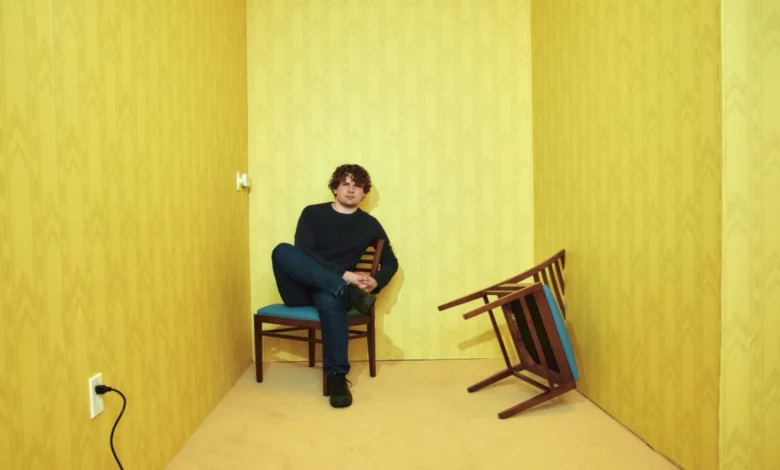
At the epicenter of this industry-wide scramble is Kane Parsons, the 21-year-old auteur behind the global phenomenon Backrooms. His independently produced, $10 million film has defied all expectations, grossing a staggering $374 million worldwide and becoming A24’s highest-grossing film ever. This meteoric rise has positioned Parsons as Hollywood’s hottest free agent, triggering a full-court press from the industry’s most powerful players eager to secure his burgeoning talent.
Sources close to the situation, first reported by Puck and confirmed by The Hollywood Reporter, reveal an intense courtship underway. Warner Bros. co-chairs Mike De Luca and Pam Abdy personally journeyed to Parsons’ Bay Area home, a testament to the high stakes involved. Their efforts to woo the young director underscore a strategic initiative to integrate his vision across both film and television, with Parsons engaging in high-level Zoom meetings with HBO executives Casey Bloys, Francesca Orsi, and other key figures.
Meanwhile, Universal Pictures chairman Donna Langley has also made her bid, having successfully recruited Obsession director Curry Barker for his next project. A24, the studio that launched Backrooms into the stratosphere, is not willing to cede its rising star. The independent powerhouse is reportedly in aggressive negotiations with Parsons, aiming to secure a sequel to Backrooms and an entirely new original project.
The absence of a prior deal between Parsons and A24 prior to Backrooms‘ release remains a point of discussion. It is understood that Parsons retains full ownership of the Backrooms intellectual property, which originated as a viral series of YouTube shorts. This ownership structure has provided him with significant leverage in the current negotiations.
A24’s Legacy and the Evolving Director Landscape
A24 has built a formidable reputation for nurturing emerging directorial talent, having been instrumental in launching the careers of acclaimed filmmakers such as Robert Eggers (The Witch), Ari Aster (Hereditary), and Celine Song (Past Lives). While directors like Aster and Song have maintained strong ties with the studio, others, including Eggers and the Oscar-winning duo Daniel Kwan and Daniel Scheinert (The Daniels), have transitioned to larger, more financially robust studios. Eggers is now aligned with Universal’s specialty label, Focus Features, while The Daniels signed a lucrative five-year deal with Universal prior to their Everything Everywhere All At Once triumph.
The current intense competition for talent like Parsons reflects a broader trend that gained significant momentum at the 2023 Sundance Film Festival. At Sundance, A24 emerged victorious in a spirited bidding war, securing the rights to Talk to Me, an Australian horror film from first-time feature directors Danny and Michael Philippou, with a seven-figure deal. This acquisition highlighted the studios’ growing appetite for content originating from online platforms. Subsequent reports indicate that Universal and Warner Bros. also pursued the Philippou brothers for their subsequent projects, with A24 ultimately securing their next film, Bring Her Back (slated for 2025), and fast-tracking a Talk to Me sequel. Warner Bros., in particular, is said to be highly impressed with the duo’s potential.
To mitigate the risk of losing directors after their initial successes, industry sources suggest A24 has, in recent years, incorporated clauses into its first-time director deals that grant the studio a first-look option on the filmmaker’s second project. This proactive strategy, however, does not appear to have been in place with Kane Parsons and Backrooms.
The Barker Bidding War and the Rise of Digital IP
The intense pursuit of Kane Parsons mirrors the recent high-stakes courtship of Curry Barker, director of the box-office smash Obsession. While Barker’s follow-up film, Anything But Ghosts, has been acquired by Focus Features, the immense success of Obsession—which grossed over $400 million globally—triggered a significant bidding war for his next original project. One rival studio reportedly offered Barker an astounding $10 million for his next film, sight unseen. Ultimately, Barker opted to remain within the Universal fold, signing what has been described as a rich eight-figure deal for his third film with Universal Film Group and Blumhouse Atomic Monster.
Parsons and Barker are not isolated examples; a multitude of creators are capitalizing on the industry’s fervor for Gen Z-oriented horror talent. Earlier this month, Warner Bros. emerged as the winner in a five-studio bidding war for the film rights to "Siren Head," a viral horror meme that has garnered billions of views across platforms like TikTok, YouTube, and Roblox. Zach Cregger (Weapons) is attached to write and produce, with Brian Duffield (Whalefall) potentially directing. In another significant acquisition, Amazon MGM secured the film rights to the YouTube-originated horror franchise The Mandela Catalogue from creator Alex Kister, who is set to direct for producers United Artists and Amblin.
The Long-Term Business Rationale: Investing in the Next Generation of Blockbusters
The substantial sums being offered for these burgeoning talents and digital IPs are not merely speculative gambles; they are rooted in a clear, long-term business strategy. The early acquisition of a creator who can consistently deliver blockbuster content can translate into hundreds of millions, and potentially over a billion dollars, in profits over their career. The enduring success of filmmakers like Christopher Nolan at Warner Bros. and the immense revenue generated by South Park for Paramount serve as powerful case studies for this approach. While not every emerging talent will reach such stratospheric heights, the potential for massive financial returns is a driving force behind these significant early investments.
Implications for the Future of Filmmaking
This shift in Hollywood’s acquisition strategy has profound implications for the future of filmmaking. It signals a potential democratization of content creation, where origin and platform are becoming less important than audience resonance and viral potential. The ability to build a dedicated fanbase online, as demonstrated by the creators of Backrooms and The Mandela Catalogue, now holds immense value for traditional studios.
This trend also raises questions about the traditional gatekeepers of Hollywood and the role of established talent agencies. Independent creators who can bypass traditional channels to build a direct connection with a massive audience are now in a powerful position. This could lead to new models of talent representation and development, with a greater emphasis on creator-led ventures.
Furthermore, the focus on internet-native IP suggests a growing understanding of how Gen Z consumes entertainment. These audiences are accustomed to fragmented narratives, interactive experiences, and the rapid dissemination of content across multiple platforms. Studios are, therefore, seeking creators who can not only craft compelling stories but also understand and engage with these evolving consumption habits.
The success of Obsession and Backrooms is not merely a matter of genre preference; it represents a cultural moment where online communities and digital subcultures are translating directly into mainstream commercial success. Hollywood’s aggressive pursuit of this talent is a clear indication that they recognize this shift and are determined to remain at the forefront of entertainment in an increasingly digital world. The coming years will undoubtedly reveal whether these multi-million-dollar bets will yield the next generation of cinematic titans or simply represent a fleeting trend in the ever-evolving media landscape.