
Tag Russia Ukraine War
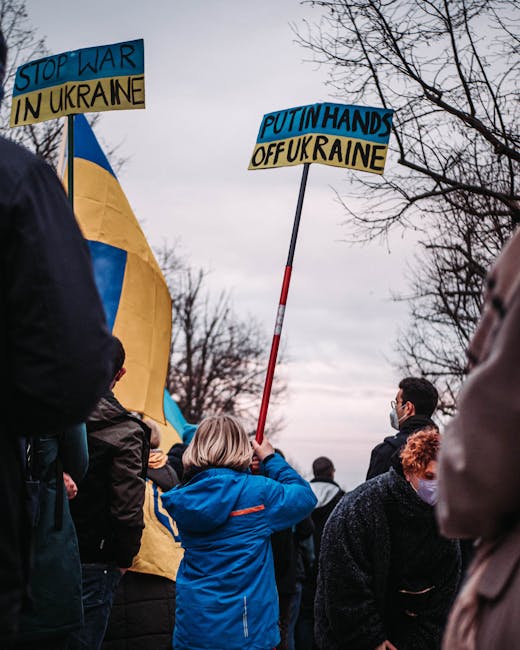
The Russia-Ukraine War: Geopolitical Destabilization, Humanitarian Crisis, and Global Ramifications
The full-scale invasion of Ukraine by Russia, commencing on February 24, 2022, marked a dramatic escalation of a conflict that had simmered since 2014. This act of aggression, unprecedented in post-World War II Europe, triggered a multifaceted crisis with profound geopolitical, economic, and humanitarian consequences, reverberating across the globe and fundamentally altering the international security landscape. The motivations behind Russia’s actions are complex and contested, but widely cited factors include perceived NATO expansionism, historical grievances regarding Ukraine’s sovereignty and its perceived sphere of influence, and internal political considerations within Russia itself. President Vladimir Putin articulated a narrative of "denazification" and "demilitarization" of Ukraine, a justification widely dismissed by the international community as baseless propaganda designed to legitimize an illegal war of conquest. Ukraine, a sovereign nation, asserted its right to self-determination and territorial integrity, seeking to align itself with Western democratic institutions and security alliances.
The initial phase of the Russian invasion was characterized by rapid advances on multiple fronts, targeting major Ukrainian cities including Kyiv, Kharkiv, and Mariupol. Russia aimed for a swift decapitation of the Ukrainian government and the installation of a pro-Russian regime. However, Ukrainian armed forces, bolstered by significant Western military aid and exhibiting remarkable resilience and tactical ingenuity, mounted a fierce resistance. The anticipated swift victory for Russia failed to materialize, leading to protracted and attritional warfare. Urban centers endured devastating bombardments, resulting in widespread destruction of civilian infrastructure and immense human suffering. The siege of Mariupol became a particularly harrowing symbol of the war’s brutality, with the Azovstal steel plant serving as a last bastion of Ukrainian defense against overwhelming Russian forces. Accusations of war crimes, including indiscriminate shelling of residential areas and attacks on humanitarian corridors, have been leveled against Russian forces, prompting international investigations and calls for accountability.
Geopolitically, the war has had a seismic impact. It has galvanized NATO, leading to increased defense spending and troop deployments on its eastern flank. Countries previously hesitant to join the alliance, such as Finland and Sweden, have reversed long-held policies of military non-alignment and formally applied for NATO membership, a direct consequence of the perceived threat posed by Russian aggression. The European Union has responded with unprecedented unity, imposing severe economic sanctions on Russia, including asset freezes, trade restrictions, and financial penalties targeting key individuals and entities. This coordinated response aims to cripple Russia’s economy and limit its capacity to fund the war. Beyond Europe, the conflict has exacerbated existing geopolitical tensions and reshaped global alliances. China’s ambiguous stance, characterized by a rhetorical alignment with Russia while refraining from direct military support, has been closely scrutinized. The war has also highlighted the vulnerability of global supply chains and the interconnectedness of international economies, as disruptions in energy and food markets have had cascading effects worldwide.
The humanitarian toll of the Russia-Ukraine war is catastrophic. Millions of Ukrainians have been displaced internally, and millions more have sought refuge in neighboring countries, creating Europe’s largest refugee crisis since World War II. These refugees, predominantly women and children, have faced immense challenges, including accommodation, employment, and psychological trauma. The United Nations and various non-governmental organizations have been at the forefront of providing humanitarian assistance, including food, shelter, medical supplies, and psychological support. However, the sheer scale of the displacement and the ongoing hostilities have made sustained and effective aid delivery a monumental task. The destruction of homes, schools, hospitals, and critical infrastructure has left a generation of Ukrainians facing immense hardship and uncertainty. The long-term psychological impact on those who have experienced direct combat, displacement, and loss is a growing concern, requiring extensive mental health support and rehabilitation services.
The economic repercussions of the war are far-reaching and multifaceted. Russia, a major global supplier of oil, natural gas, and fertilizers, has seen its economy significantly impacted by international sanctions. While the sanctions have aimed to isolate Russia economically, they have also contributed to global energy price volatility and inflationary pressures. The disruption of grain exports from Ukraine, a major breadbasket for the world, has led to significant price increases for essential food commodities, disproportionately affecting developing nations already struggling with food insecurity. This has fueled concerns about potential famine in certain regions and has exacerbated existing geopolitical fragilities. The global financial system has also felt the strain, with increased uncertainty and risk aversion impacting investment and trade. The long-term economic consequences for both Russia and Ukraine will be profound, requiring substantial reconstruction efforts and economic reforms.
Military strategies and technological advancements have been prominently displayed throughout the conflict. Both sides have employed a range of conventional and increasingly sophisticated weaponry. Ukraine has effectively utilized Western-supplied anti-tank missiles, drones, and precision artillery to counter Russian advances. Russia, in turn, has deployed its air force, missile systems, and armored units. The war has seen extensive use of electronic warfare and cyberattacks, highlighting the evolving nature of modern conflict. The proliferation of drone technology, from reconnaissance to combat roles, has been a defining feature. The effectiveness of different military doctrines and the adaptability of armed forces under pressure have been subjects of intense analysis by military strategists worldwide. The war has also underscored the importance of intelligence gathering, logistics, and the psychological dimension of warfare.
The international legal framework surrounding armed conflict has been severely tested by the Russia-Ukraine war. The principles of sovereignty, territorial integrity, and the prohibition of the use of force are central to the United Nations Charter. Russia’s invasion is widely considered a violation of these fundamental principles. The International Criminal Court (ICC) has opened investigations into alleged war crimes, crimes against humanity, and the crime of aggression committed in Ukraine. The potential for holding individuals accountable for these atrocities, regardless of their political or military position, is a crucial aspect of pursuing justice and deterring future aggression. However, the complex nature of international law and the geopolitical realities surrounding the conflict present significant challenges to achieving comprehensive accountability.
The information war surrounding the conflict has been as intense as the kinetic one. State-sponsored media outlets and online disinformation campaigns have been used by Russia to shape narratives, sow discord, and legitimize its actions. Ukraine and its allies have actively countered these efforts with their own communications strategies, emphasizing factual reporting and exposing Russian propaganda. The role of social media platforms in disseminating information, both accurate and inaccurate, has been a critical element of the information landscape. Independent journalism and the protection of journalists operating in conflict zones have been paramount, as they play a vital role in documenting events and providing crucial insights to the global public. The manipulation of information has become a potent weapon, influencing public opinion and shaping international perceptions of the war.
The long-term implications of the Russia-Ukraine war are still unfolding, but it is clear that the world has entered a new era of geopolitical uncertainty. The potential for further escalation, the fragmentation of global order, and the intensification of proxy conflicts remain significant concerns. The war has forced a re-evaluation of international security architecture, the efficacy of existing diplomatic mechanisms, and the balance of power on the global stage. The path to a sustainable peace remains elusive, fraught with complex challenges related to territorial disputes, security guarantees, and the eventual reconstruction of Ukraine. The human cost will continue to be felt for generations, underscoring the devastating consequences of unchecked aggression and the imperative of upholding international law and human rights. The conflict serves as a stark reminder of the fragility of peace and the enduring importance of diplomatic solutions and collective security. The ongoing struggle for Ukraine’s sovereignty and integrity has become a defining moment of the early 21st century, shaping international relations and demanding a renewed commitment to global stability and the principles of self-determination. The war’s enduring legacy will be written in the lives affected, the landscapes altered, and the fundamental shifts in the global order it has irrevocably precipitated. The resilience of the Ukrainian people in the face of overwhelming odds has also become a powerful narrative, inspiring many and underscoring the human spirit’s capacity to resist oppression.
