
Category Energy And Infrastructure
Category: Energy and Infrastructure
The global energy and infrastructure sector forms the bedrock of modern civilization, enabling economies to function, societies to thrive, and daily life to proceed. This expansive category encompasses the entire lifecycle of energy production, transmission, distribution, and consumption, alongside the critical physical and organizational structures that support these processes. From the extraction of fossil fuels and the development of renewable energy sources to the construction and maintenance of power grids, pipelines, transportation networks, and communication systems, energy and infrastructure are inextricably linked. Investment in this sector is not merely about meeting immediate demands; it’s a strategic imperative for economic growth, environmental sustainability, national security, and social equity. Understanding the intricate dynamics, evolving trends, and multifaceted challenges within energy and infrastructure is paramount for policymakers, investors, industry leaders, and the general public alike.
Energy production, the fundamental driver of infrastructure development, is undergoing a profound transformation. Historically dominated by fossil fuels – coal, oil, and natural gas – the world is increasingly shifting towards cleaner and more sustainable energy sources. This transition is propelled by a confluence of factors, including mounting concerns about climate change, volatile fossil fuel prices, and the pursuit of energy independence. Renewable energy technologies, such as solar photovoltaic (PV), wind power, hydropower, geothermal energy, and bioenergy, are experiencing exponential growth. Solar PV, in particular, has seen a dramatic reduction in costs, making it one of the most competitive sources of new electricity generation in many regions. Wind power, both onshore and offshore, is also a major contributor, with technological advancements leading to larger, more efficient turbines. Hydropower remains a significant source of baseload power, although new large-scale projects face environmental and social scrutiny. Geothermal energy offers a consistent and reliable source of heat and electricity, particularly in geologically active areas. Bioenergy, derived from organic matter, provides a versatile option, though its sustainability is dependent on responsible sourcing and land use practices. The ongoing diversification of the energy mix is not only crucial for decarbonization but also for enhancing the resilience of energy systems against supply disruptions.
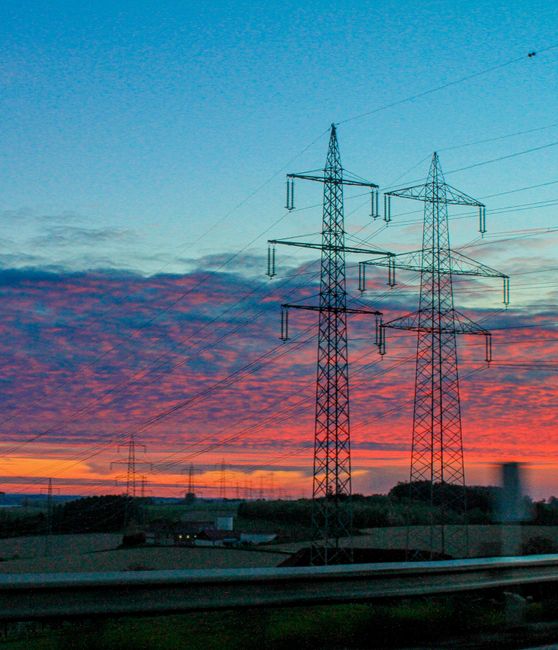
The infrastructure required to support this evolving energy landscape is equally complex and dynamic. Power grids, the arteries of electricity supply, are transitioning from traditional, centralized systems to smart grids. These smart grids leverage digital technologies, sensors, and advanced communication networks to enable bidirectional power flow, improve grid efficiency, integrate distributed energy resources (DERs) like rooftop solar and battery storage, and enhance grid resilience to outages. The integration of intermittent renewable energy sources necessitates sophisticated grid management solutions, including energy storage systems. Battery energy storage systems (BESS), particularly lithium-ion batteries, are rapidly deployed to balance supply and demand, store excess renewable energy, and provide ancillary services to the grid. Pumped hydro storage, while more geographically constrained, remains a significant form of large-scale energy storage. Emerging technologies like green hydrogen production and storage are also poised to play a crucial role in decarbonizing heavy industries and transportation, requiring dedicated infrastructure for production, transport, and utilization.
Beyond electricity, the infrastructure for other energy carriers is also critical. Natural gas pipelines, while facing declining demand in some regions, remain vital for current energy needs and as a bridge fuel in the transition. However, investments are increasingly scrutinised due to methane emissions associated with natural gas extraction and transport. Oil pipelines, though established, are also subject to environmental regulations and public opposition. The development of infrastructure for electric vehicle (EV) charging is a rapidly growing segment, encompassing public charging stations, home charging solutions, and fleet charging hubs. This requires significant investment in grid upgrades to handle increased electricity demand from EVs. The expansion of charging infrastructure is a key enabler for the widespread adoption of electric mobility, directly impacting the transportation sub-sector of infrastructure.
Transportation infrastructure itself, a colossal element within the broader category, is intrinsically linked to energy consumption. Roads, railways, ports, and airports facilitate the movement of goods and people, and their construction and maintenance are massive undertakings. The transition to lower-carbon transportation modes, such as electric rail, hydrogen-powered trucks, and sustainable aviation fuels, necessitates significant infrastructure upgrades and new developments. High-speed rail networks, for instance, offer a more energy-efficient alternative to air travel for medium to long distances. The decarbonization of shipping and aviation presents particular challenges, with ongoing research and development in alternative fuels like ammonia and synthetic fuels. The efficiency and sustainability of freight transportation are also paramount, with investments in intermodal logistics and smart warehousing becoming increasingly important.
Water infrastructure, often overlooked but fundamental, is another critical component. The provision of clean water and the management of wastewater are essential for public health and economic activity. This includes the construction and maintenance of dams, reservoirs, treatment plants, and distribution networks. Climate change poses significant threats to water infrastructure through extreme weather events like droughts and floods, necessitating adaptive and resilient designs. The energy-intensive nature of water treatment and pumping also highlights the interconnectedness of energy and water systems, often referred to as the energy-water nexus. Innovations in water-efficient technologies and decentralized water management systems are gaining traction.
Digital infrastructure, the nervous system of the modern economy, has witnessed explosive growth. Fiber optic networks, data centers, and wireless communication towers are essential for internet access, cloud computing, and the Internet of Things (IoT). The insatiable demand for data, driven by streaming services, artificial intelligence, and smart devices, requires continuous investment in expanding and upgrading digital networks. The energy consumption of data centers is a growing concern, prompting a focus on energy-efficient design, renewable energy sourcing, and waste heat recovery. The development of 5G and future wireless technologies promises even greater connectivity and opportunities for innovation, but also presents challenges related to spectrum allocation and infrastructure deployment.
The financing and investment landscape for energy and infrastructure projects are diverse and evolving. Traditionally, large-scale infrastructure projects have been financed through a combination of government funding, development banks, and private equity. Public-private partnerships (PPPs) have become a common model, allowing governments to leverage private sector expertise and capital. However, the sheer scale of investment required for the energy transition and climate adaptation is immense, leading to increased interest from institutional investors, pension funds, and sovereign wealth funds. Environmental, Social, and Governance (ESG) criteria are increasingly influencing investment decisions, with a growing preference for projects that demonstrate strong sustainability credentials. Green bonds and sustainability-linked loans are becoming popular financing instruments for energy and infrastructure projects. Innovative financing mechanisms, such as crowdfunding and yieldcos, are also emerging to support smaller-scale renewable energy projects.
The regulatory and policy environment plays a pivotal role in shaping the energy and infrastructure landscape. Government policies, including carbon pricing mechanisms, renewable energy mandates, tax incentives, and subsidies, can significantly influence investment decisions and the pace of technological adoption. International agreements, such as the Paris Agreement, set global targets for emissions reduction, driving national policies and investment strategies. Energy security remains a key policy objective, with governments striving to ensure reliable and affordable energy supplies while diversifying sources and reducing geopolitical dependencies. The development of robust regulatory frameworks for emerging technologies, such as advanced nuclear reactors and carbon capture utilization and storage (CCUS), is crucial for their safe and effective deployment. Permitting processes for new infrastructure projects can often be lengthy and complex, leading to calls for streamlining while maintaining environmental and social safeguards.
Technological innovation is the engine driving progress across the entire category. Advancements in materials science are leading to more efficient solar panels, lighter and stronger wind turbine blades, and more durable construction materials. Digitalization and artificial intelligence (AI) are transforming operations, enabling predictive maintenance, optimizing energy consumption, and enhancing grid management. AI is also being used in the design and planning of infrastructure, optimizing routes for transportation networks and identifying optimal locations for renewable energy installations. Blockchain technology is being explored for applications in energy trading, grid management, and the tracking of carbon credits. The development of advanced manufacturing techniques is reducing the cost and improving the quality of energy and infrastructure components.
Challenges and risks abound within the energy and infrastructure sector. Climate change itself poses significant physical risks, from rising sea levels impacting coastal infrastructure to extreme weather events damaging energy generation facilities and transmission lines. Geopolitical instability can disrupt energy supply chains and lead to price volatility. Cybersecurity threats to critical infrastructure, particularly energy grids and digital networks, are a growing concern, requiring robust defense mechanisms. The transition to a low-carbon economy presents significant economic challenges, including the potential for stranded assets in fossil fuel industries and the need for reskilling and upskilling of the workforce. Social equity considerations are paramount, ensuring that the benefits of energy and infrastructure development are shared widely and that vulnerable communities are not disproportionately burdened by the transition. Public acceptance of new infrastructure projects, such as wind farms or transmission lines, can also be a hurdle.
The future of energy and infrastructure is characterized by a drive towards sustainability, resilience, and digitalization. The continued growth of renewable energy, coupled with advancements in energy storage and grid modernization, will be central to decarbonizing the energy sector. The electrification of transportation and other sectors will require massive investments in charging infrastructure and grid capacity. The development of smart cities, leveraging digital technologies to optimize urban services and resource management, will rely heavily on advanced energy and digital infrastructure. The circular economy principles will become increasingly integrated into infrastructure development, emphasizing resource efficiency, waste reduction, and material reuse. The ongoing focus on resilience against climate change and other shocks will drive the adoption of adaptive and robust infrastructure solutions. Ultimately, the energy and infrastructure sector will continue to be a critical determinant of global economic prosperity, environmental well-being, and societal progress in the 21st century and beyond.
