
Covid China Us Pandemic
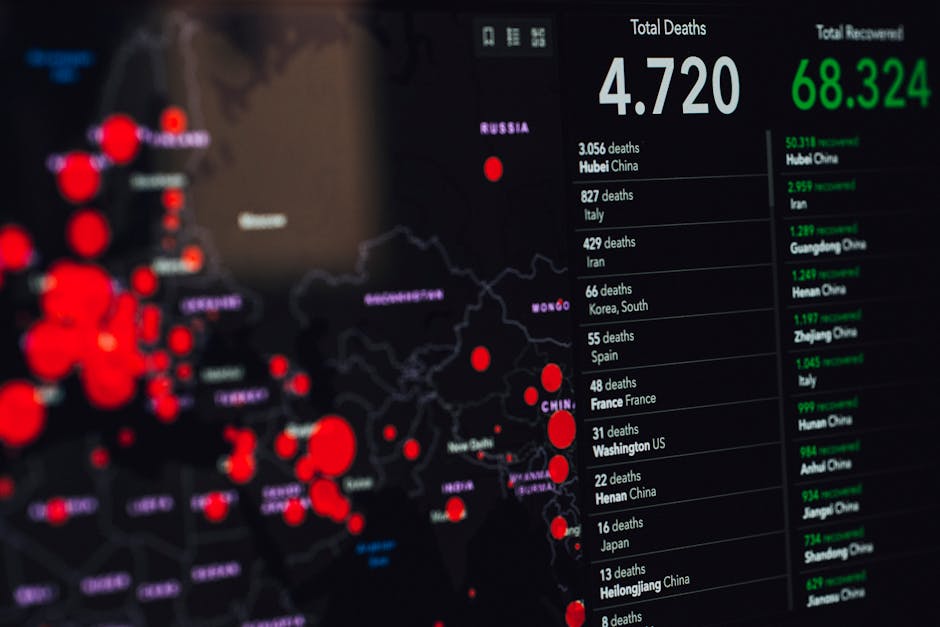
The COVID-19 Pandemic: A Geopolitical Reckoning Between China and the United States
The COVID-19 pandemic, originating in Wuhan, China, rapidly escalated into a global crisis, profoundly impacting the United States and triggering a complex interplay of geopolitical tensions, scientific inquiry, and economic disruption between the two superpowers. The initial outbreak in late 2019 presented an unprecedented public health challenge, and the subsequent trajectory of the pandemic became inextricably linked to the evolving relationship between China and the United States. Understanding this dynamic requires examining the origins of the virus, the immediate responses of both nations, their differing approaches to containment and mitigation, the subsequent accusations and counter-accusations regarding transparency and responsibility, and the long-term economic and political ramifications.
The genesis of SARS-CoV-2 remains a subject of intense scientific and political scrutiny. While the scientific consensus points to a zoonotic origin, with initial transmission likely occurring from an animal reservoir to humans, the specific circumstances of its emergence and early spread in Wuhan fueled extensive debate. The World Health Organization’s (WHO) investigation in early 2021 concluded that a jump from bats to intermediate animals, and then to humans, was the most probable pathway, with a laboratory leak being considered "extremely unlikely." However, persistent questions regarding the timeline of the outbreak, the initial reporting of cases, and access to early data from China have led to ongoing investigations and widespread speculation, particularly within the United States. These concerns have not only revolved around scientific understanding but also around the implications for global pandemic preparedness and the potential for future outbreaks.
The United States’ initial response to the emerging threat was characterized by a degree of underestimation and delayed preparedness. The early days saw efforts to downplay the severity of the virus, with official pronouncements suggesting it was not a significant threat to American shores. This was followed by a scramble to implement containment measures, including travel restrictions, although these were often criticized for being implemented too late and inconsistently. The US healthcare system, despite its advanced technological capabilities, faced immense strain due to the rapid surge in cases, overwhelmed hospitals, and a critical shortage of personal protective equipment (PPE). The decentralized nature of the US federal system also presented challenges, with varying responses and mandates from state and local governments, leading to a fragmented national strategy.
In contrast, China adopted a stringent, top-down approach characterized by widespread lockdowns, mass testing, and aggressive contact tracing. The city of Wuhan, the initial epicenter, was subjected to an unprecedented quarantine, with millions of residents confined to their homes. This "zero-COVID" strategy, while arguably effective in suppressing initial outbreaks within China, involved significant societal and economic costs. The effectiveness of these measures, however, was juxtaposed with widespread criticism regarding the transparency of information provided by the Chinese government in the crucial early stages of the outbreak. Accusations of downplaying the severity of the virus, censoring early warnings from medical professionals, and delaying the reporting of human-to-human transmission fueled distrust and further strained relations with the US and many other nations.
The differing responses to the pandemic became a focal point for escalating geopolitical tensions between the US and China. The Trump administration, in particular, pursued a confrontational stance, frequently blaming China for the virus’s spread and initiating efforts to hold the country accountable. This rhetoric included labeling COVID-19 the "China virus" and initiating a trade war that included tariffs on Chinese goods, some of which were medical supplies. The US also withdrew from the WHO, citing concerns about its perceived bias towards China and its handling of the initial outbreak. This withdrawal, later reversed by the Biden administration, further intensified global divisions and hampered coordinated international efforts to combat the pandemic.
The issue of vaccine development and distribution also became a site of competition and contention. Both the US and China invested heavily in vaccine research and development, with both nations eventually producing viable vaccines. However, concerns arose regarding the equitable distribution of these vaccines globally. The US pursued a domestic-first strategy for its early vaccine supply, while China engaged in "vaccine diplomacy," offering its vaccines to numerous countries, particularly in developing nations. This presented a complex geopolitical calculus, with some nations aligning with China for vaccine access, while others maintained closer ties with the US and its allies. The effectiveness and long-term safety of some Chinese vaccines also became subjects of debate and varying levels of trust across different regions.
The economic fallout from the pandemic has been profound and asymmetrical for both China and the US. Both economies experienced significant downturns, with widespread business closures, job losses, and disruptions to global supply chains. However, China’s early success in controlling the virus allowed for a relatively quicker economic recovery, with its manufacturing sector playing a crucial role in supplying global demand for essential goods and medical supplies. The US, grappling with repeated waves of infection and a more prolonged reopening process, faced a more complex and protracted economic recovery, marked by inflation and persistent labor market challenges. The pandemic also accelerated pre-existing trends in supply chain diversification, with many companies reassessing their reliance on China for manufacturing and exploring alternative production bases.
The pandemic has undeniably reshaped the global landscape and exacerbated existing power dynamics between China and the United States. The initial lack of transparency from China, coupled with the US’s fragmented and at times politicized response, created fertile ground for mistrust and blame. The pandemic served as a stark reminder of the interconnectedness of the world and the critical need for international cooperation in addressing global health crises. However, instead of fostering greater collaboration, the COVID-19 pandemic has, in many respects, deepened the strategic competition between these two global powers.
The ongoing investigations into the origins of the virus, the debate over accountability, and the differing approaches to public health and economic recovery will continue to shape the bilateral relationship. The pandemic has also highlighted the vulnerabilities of global systems and the imperative for robust pandemic preparedness frameworks that are inclusive, transparent, and evidence-based. The long-term implications for global health security, international cooperation, and the future of the US-China relationship remain a subject of ongoing analysis and will undoubtedly be a defining feature of the post-pandemic world. The lessons learned, or not learned, from this global health crisis will have lasting consequences for generations to come, particularly in how nations prepare for and respond to future pandemics. The intricate dance between scientific investigation, political maneuvering, and economic necessity will continue to unfold, with the COVID-19 pandemic serving as a pivotal event in this complex geopolitical narrative. The extent to which both nations can move beyond recrimination towards genuine collaboration will be crucial in shaping a more resilient global future, but the immediate trajectory suggests a continued period of strategic competition. The economic consequences, from supply chain reconfigurations to the pursuit of technological self-sufficiency, will also be a lasting legacy of this shared, yet distinctly experienced, global catastrophe.
