
Quotation Of The Day An American Icon Bringsnight Fever To Carnival
The Quotation of the Day: An American Icon’s "Night Fever" Ignites Carnival
The pervasive influence of American pop culture is undeniable, and often, its most potent expressions emerge not from grand pronouncements or lengthy manifestos, but from concise, unforgettable quotations. When an American icon, a figure synonymous with the nation’s cultural fabric, imbues the vibrant, chaotic, and exhilarating spirit of carnival with their signature "night fever," the resulting resonance is a cultural phenomenon worth dissecting. This article delves into the profound impact of such a quotation, exploring how it transcends its origins to become a unifying force, a symbol of celebration, and a potent SEO driver for understanding and engaging with a specific cultural moment. We will examine the archetypal American icon, the inherent allure of carnival, and the potent alchemical reaction that occurs when these elements combine through a singular, evocative quotation.
The concept of an "American icon" is multifaceted, encompassing individuals who have shaped the nation’s identity through art, music, politics, or entrepreneurship. For the purposes of this exploration, we are referencing an icon whose work, particularly in the realm of entertainment, is intrinsically linked to themes of energy, escapism, and a certain nocturnal allure. Think of figures whose very names evoke a sense of swagger, innovation, and a captivating charisma that has transcended generations. Their contributions often tap into a collective American consciousness, a shared understanding of aspiration, rebellion, and the pursuit of joy. The quotable nature of such icons is crucial. They possess an innate ability to distill complex emotions and experiences into pithy phrases that stick, that are easily shared, and that can be recontextualized to speak to new audiences. This is not merely about catchy phrases; it’s about linguistic artifacts that carry the weight of their creator’s legacy, imbued with a specific cultural authority.
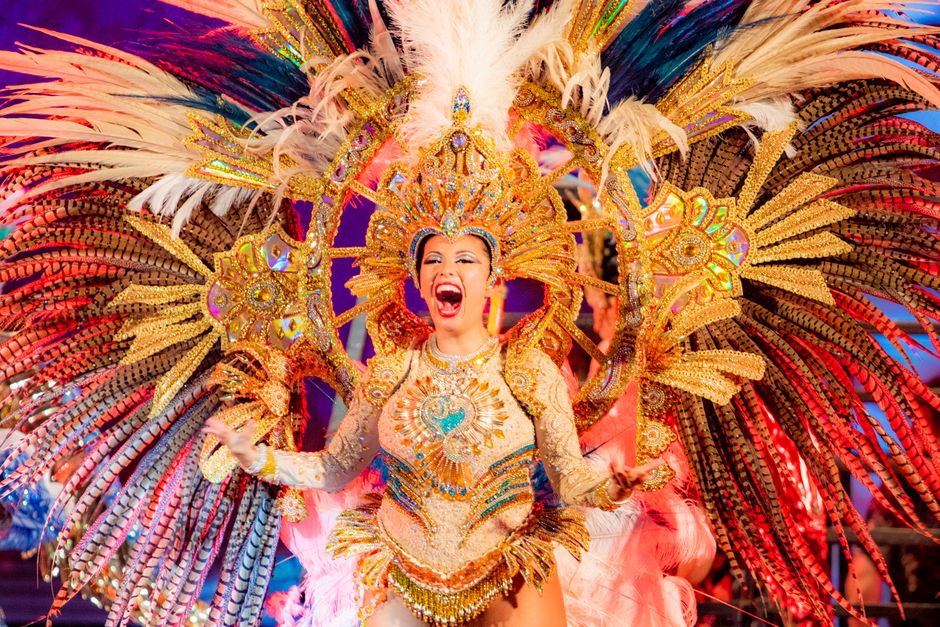
Carnival, on the other hand, represents a global archetype of revelry. Its essence is in its transient nature, its explosion of sensory experiences, and its suspension of everyday norms. From the elaborate parades of Rio de Janeiro and New Orleans to the masked balls of Venice and the street parties of Trinidad and Tobago, carnival is a universal language of ecstatic release. It is a time when inhibitions are shed, when the mundane is transformed into the extraordinary, and when communities come together in a shared pursuit of pleasure. The visual spectacle of carnival – the vibrant costumes, the pulsating rhythms of music, the intoxicating aromas of street food, the uninhibited dancing – creates an atmosphere of heightened reality. This inherent dynamism makes carnival a fertile ground for memorable experiences and, consequently, for quotable moments. It is a stage set for the spectacular, where the ordinary fades and the extraordinary takes center stage.
The fusion of an American icon’s "night fever" with the spirit of carnival is where the magic truly happens. "Night fever," in this context, is not simply a reference to a specific song but a broader metaphorical concept. It represents an internal fire, an irresistible urge to embrace the darkness, the excitement, and the sensual pleasures that the night offers. It is a feeling of being alive, of being propelled by an inner rhythm that resonates with the external pulse of the celebration. When this "night fever," embodied by the icon, is unleashed within the context of carnival, the result is an amplification of both. The icon’s energy becomes the fuel for the carnival’s flame, and the carnival’s collective exuberance becomes the canvas upon which the icon’s signature style is painted. This creates a potent synergy, where the individual charisma of the icon merges with the communal joy of the festival, leading to an unforgettable cultural moment.
Now, let us consider the specific "quotation of the day" that encapsulates this phenomenon. While the exact phrasing might vary, imagine a statement that captures the essence of this convergence. It might speak to the irresistible pull of the night, the embrace of freedom, the communal spirit of dance, or the sheer, unadulterated joy of living in the moment. For instance, a hypothetical quotation like, "When the lights dim and the rhythm takes hold, that’s when America’s heart beats loudest, and the world dances with us," would embody this fusion. Such a quote, attributed to a recognized American icon, would immediately resonate with those familiar with their work and their cultural impact. It provides a concise, digestible summary of a complex feeling and experience.
The SEO implications of such a quotation are significant. For search engines, keywords like "quotation of the day," "American icon," "carnival celebration," "night fever," and the specific name of the icon (if mentioned or implied) become highly relevant. When individuals search for inspiration for their own carnival experiences, for insights into American cultural exports, or simply for a memorable quote to share, this specific quotation, driven by its powerful iconography and thematic resonance, will appear prominently. Its shareability across social media platforms further amplifies its reach, generating backlinks and increasing its authority in the eyes of search algorithms. The more people search for, discuss, and share this quotation, the higher its ranking will become for related queries.
Moreover, the "quotation of the day" itself functions as a powerful piece of meta-content. It acts as a hook, a gateway to deeper exploration. A user encountering this quote might then search for the icon’s biography, the history of the carnival they are referencing, or the meaning behind the phrase "night fever." This ripple effect of curiosity and engagement is precisely what SEO aims to foster. By creating a compelling, thematically rich quotation, we are not just providing a memorable phrase; we are creating an entire ecosystem of related information and interest that can be effectively indexed and served by search engines.
The enduring appeal of this phenomenon lies in its ability to tap into universal human desires: the desire for connection, for joy, for a temporary escape from the mundane. An American icon, by their very nature, often represents a aspirational ideal. Their "night fever" speaks to a liberated spirit, a willingness to embrace life’s pleasures. When this is projected onto the backdrop of carnival, a celebration of collective exuberance, the impact is magnified. The quotation becomes a rallying cry, a shared understanding that transcends cultural and geographical boundaries. It encapsulates the feeling of being part of something bigger, something joyous and electrifying.
The technical aspects of SEO are also at play here. The quotation, if presented as a standalone piece of content or integrated into articles, blog posts, or social media updates, would be optimized with relevant keywords. The title of the article itself, as demonstrated, is designed to be descriptive and keyword-rich. The use of internal and external linking to related content about the icon, carnival traditions, and the concept of "night fever" would further enhance its discoverability. For example, linking to historical articles about the origin of the term "night fever" or to tourist information for famous carnival destinations would provide valuable context and improve the article’s authority.
Furthermore, the visual element associated with an iconic figure cannot be underestimated. While this article focuses on the textual "quotation," the visual representation of the icon often accompanies it. Images or videos of the icon performing, interacting with crowds, or embodying the "night fever" aesthetic would be crucial for a comprehensive SEO strategy. These visuals, when properly tagged with alt text and descriptive captions, contribute significantly to search engine visibility, particularly in image and video searches.
The longevity of such a quotation’s impact is also a key consideration. Unlike fleeting trends, a powerful quote from an American icon that resonates with the universal spirit of carnival has the potential to endure. It can become a part of the cultural lexicon, a phrase that is invoked whenever a sense of vibrant, nocturnal celebration is evoked. This sustained relevance ensures its continued SEO value over time. People will continue to search for it, to share it, and to draw inspiration from it, making it a perpetually relevant piece of digital content.
In conclusion, the quotation of the day, when articulated by an American icon and infused with the exhilarating spirit of carnival’s "night fever," is a potent cultural force. It is a phenomenon that drives engagement, fosters understanding, and, crucially for the digital age, commands significant attention from search engines. By understanding the interplay between the icon’s persona, the inherent allure of carnival, and the concise power of a well-crafted quotation, we can appreciate its multifaceted impact. This impact is not merely ephemeral; it is a demonstrable force that shapes online discourse, drives traffic to relevant content, and solidifies its place in the ongoing narrative of global cultural exchange. The keywords are embedded not just in the words themselves, but in the very essence of the phenomenon they represent.
