KFF Health News Experts Discuss FDA Baby Formula Safety, Menopause Treatment Shortages, and Post-Cancer Care Costs


Céline Gounder, KFF Health News’ editor-at-large for public health, provided critical insights into two significant health concerns during recent national broadcasts: the results of the U.S. Food and Drug Administration’s (FDA) most extensive safety evaluation of infant formula, and the persistent shortage of estrogen patches vital for managing menopause symptoms. Separately, Renuka Rayasam, a senior correspondent for KFF Health News, shed light on the escalating financial burdens faced by cancer survivors navigating post-treatment care. These discussions underscore ongoing challenges within the U.S. healthcare system, impacting vulnerable populations and highlighting systemic issues in drug manufacturing, supply chain resilience, and the affordability of essential medical services.
FDA’s Landmark Baby Formula Safety Study: A Deep Dive into Findings and Implications
On April 29, Gounder appeared on CBS News 24/7’s The Daily Report to discuss the comprehensive findings of the FDA’s latest safety assessment of baby formula. This study, the largest of its kind undertaken by the agency, was initiated in the wake of the severe nationwide formula shortage that began in early 2022. The shortage was primarily triggered by the shutdown of a major Abbott Nutrition manufacturing facility in Sturgis, Michigan, following the discovery of bacterial contamination, including Cronobacter sakazakii, which has been linked to infant deaths.
The FDA’s extensive testing aimed to provide a clearer picture of the safety landscape across the U.S. infant formula market. While the full details of the study are still being analyzed and released, Gounder’s commentary suggested that the agency is committed to ensuring that formulas meet rigorous safety and nutritional standards. The testing likely involved examining a wide range of products from various manufacturers, scrutinizing them for chemical contaminants, heavy metals, and microbiological hazards. The goal is to build greater public trust and confidence in the safety and availability of infant formula, a critical nutrient source for infants.
Background and Chronology of the Formula Crisis:
The infant formula crisis reached its apex in May 2022 when the FDA announced an enforcement discretion policy allowing the importation of certain infant formulas from other countries. This measure, alongside efforts to restart domestic production and increase supply, aimed to alleviate critical shortages that left many parents desperately searching for safe feeding options for their babies. The crisis exposed vulnerabilities in the domestic supply chain and raised questions about the FDA’s oversight capabilities. The subsequent large-scale safety testing represents a proactive step by the FDA to address these vulnerabilities and reinforce its commitment to infant health.
Supporting Data and Public Health Concerns:
The Centers for Disease Control and Prevention (CDC) estimates that about 2.5 million infants are born in the U.S. each year. For many of these infants, formula is the primary source of nutrition. The shortage led to widespread panic, with parents reporting traveling hundreds of miles to find formula, resorting to sharing or diluting formula, and expressing extreme anxiety about their infants’ well-being. The presence of Cronobacter sakazakii in formula, even in trace amounts, is a serious concern, as it can cause severe illness, including meningitis and sepsis, particularly in infants with weakened immune systems. The FDA’s ongoing surveillance and testing are crucial for preventing such outbreaks.
Broader Impact and Implications:
The findings of this safety test have significant implications for the formula manufacturing industry, regulatory oversight, and public health policy. A robust safety assurance program can prevent future shortages and protect infant health. It also underscores the need for diversified manufacturing and resilient supply chains to mitigate the impact of any single facility’s disruption. The FDA’s commitment to transparency in sharing these results will be vital for rebuilding consumer confidence.
The Estrogen Patch Shortage: A Growing Concern for Menopause Management
In parallel to her discussion on infant formula, Gounder also addressed the ongoing shortage of estrogen patches on CBS News’ CBS Mornings on April 27. This shortage is impacting a substantial number of women seeking relief from menopausal symptoms. Estrogen patches are a form of hormone therapy used to manage a range of debilitating symptoms associated with menopause, including hot flashes, night sweats, vaginal dryness, and mood swings. For many women, these patches are a crucial component of their treatment regimen, significantly improving their quality of life.
The shortage appears to stem from a combination of factors, including increased demand, manufacturing challenges, and supply chain disruptions, mirroring issues seen in other pharmaceutical sectors. Generic versions of popular estrogen patch brands have been affected, leaving women with limited alternatives.
Background and Chronology of the Shortage:
While the exact timeline of the current estrogen patch shortage is complex, anecdotal reports and pharmacy data indicate that it has been developing for several months, with increasing severity in recent weeks. The demand for hormone therapy has seen a resurgence as medical understanding of its benefits has evolved, moving away from the cautionary stance that followed the Women’s Health Initiative study of the early 2000s. This increased demand, coupled with potential manufacturing backlogs or quality control issues at production facilities, has strained the supply.
Supporting Data and Public Health Concerns:
According to the North American Menopause Society (NAMS), approximately 1.3 million women enter menopause each year in the U.S. Symptoms can persist for many years, impacting daily life, sleep, and sexual health. Estrogen therapy, particularly delivered via transdermal patches, is considered a first-line treatment for moderate to severe menopausal symptoms due to its efficacy and lower risk profile compared to oral hormone therapy for certain conditions. The inability to access these patches can lead to the recurrence or worsening of symptoms, causing distress and potentially affecting women’s ability to work and engage in social activities.
Statements or Reactions from Related Parties:
Medical professionals and patient advocacy groups have expressed significant concern. Dr. Hadine J. Leff, a reproductive endocrinologist, has noted that “the lack of consistent access to these essential medications can lead to a significant decline in quality of life for many women.” Pharmacies have reported difficulty in obtaining adequate stock, leading to backorders and the need to switch patients to alternative, potentially less effective, or more expensive treatments.
Broader Impact and Implications:
The estrogen patch shortage highlights a critical gap in the availability of essential medications for women’s health. It underscores the need for better forecasting of demand, improved manufacturing capacity, and more robust regulatory mechanisms to ensure continuous supply of vital pharmaceuticals. For women experiencing severe menopausal symptoms, this shortage can lead to significant personal suffering and disrupt their overall health and well-being.
The Rising Cost of Post-Cancer Care: A Financial Burden on Survivors
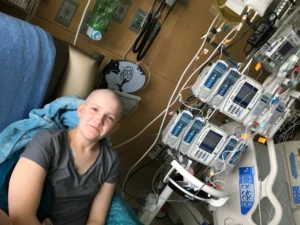
On April 24, Renuka Rayasam, senior correspondent for KFF Health News, discussed the significant and often overlooked financial toll of post-cancer care on WUGA’s The Georgia Health Report. Cancer treatment itself is notoriously expensive, but the financial challenges do not end when therapy concludes. Survivors often face ongoing costs related to follow-up appointments, diagnostic tests, potential long-term side effects, rehabilitation, and managing secondary health conditions that can arise from treatment.
Background and Chronology of the Issue:
The concept of “financial toxicity” in cancer care has gained increasing recognition in recent years. While advancements in cancer treatment have led to improved survival rates, the associated costs have also escalated. The period following active treatment, often referred to as survivorship, can extend for years, sometimes a lifetime, and requires consistent medical attention. This ongoing care, while necessary for monitoring recurrence and managing long-term effects, often represents a significant financial burden for individuals and their families, especially those with inadequate insurance coverage or high deductibles and co-pays.
Supporting Data and Public Health Concerns:
Studies have consistently shown that cancer survivors are more likely to experience financial hardship compared to individuals without a cancer history. A significant percentage of survivors report making difficult financial choices, such as cutting back on essential living expenses, delaying medical care, or accumulating debt, to afford their medical bills. For instance, research published in the Journal of Clinical Oncology has indicated that a substantial proportion of cancer patients face medical debt, with some even experiencing bankruptcy. This financial strain can negatively impact mental health, treatment adherence, and overall quality of life for survivors.
Analysis of Implications:
The escalating cost of post-cancer care presents a multifaceted problem. It not only affects the financial stability of individuals but also has broader implications for the healthcare system and society. Patients who delay or forgo necessary follow-up care due to cost may experience poorer health outcomes, including the potential for undetected recurrence or unmanaged treatment side effects. This can lead to more complex and expensive interventions down the line. Furthermore, the financial burden can exacerbate existing health disparities, disproportionately affecting low-income individuals and minority groups who may already face greater barriers to accessing comprehensive healthcare.
Official Responses and Proposed Solutions:
Efforts to address financial toxicity in cancer care are gaining traction. These include advocating for more comprehensive insurance coverage for survivorship care, exploring innovative payment models, and increasing access to financial counseling services for patients. Policy discussions are also focusing on the need for greater transparency in healthcare pricing and measures to control the rising cost of cancer drugs and treatments. The medical community is increasingly recognizing the importance of integrating financial well-being into holistic cancer care plans, acknowledging that a patient’s financial health is intrinsically linked to their overall recovery and quality of life.
In conclusion, the discussions by Gounder and Rayasam on national television platforms highlight critical, interconnected issues within the U.S. healthcare landscape. From ensuring the safety and availability of essential infant nutrition to providing accessible and affordable care for women and cancer survivors, these challenges demand ongoing attention and systemic solutions. The insights shared underscore the vital role of rigorous scientific testing, robust regulatory oversight, and a commitment to addressing the financial barriers that prevent many Americans from receiving the comprehensive healthcare they need.
Related posts: