
A Motorboat As Cozy As A Woodland Cabin
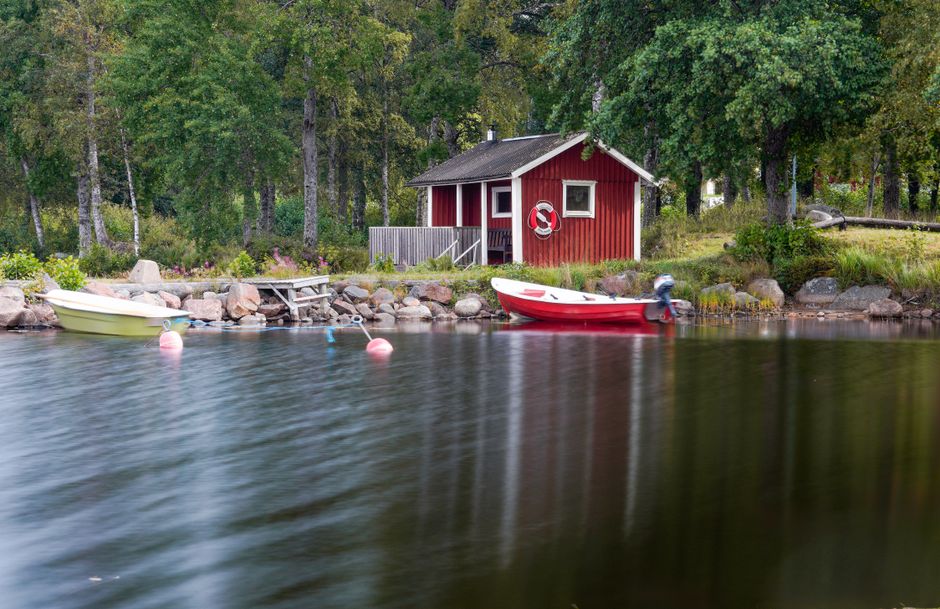
The Woodland Cabin Motorboat: Where Mariner Comfort Meets Rustic Charm
Imagine a motorboat that doesn’t just glide across the water but cradles you like a beloved armchair in a sun-drenched living room. Forget sterile fiberglass and cold chrome; this is a vessel designed for an entirely different experience, one that evokes the warmth, security, and earthy connection of a secluded woodland cabin. This isn’t about raw speed or high-octane adventure; it’s about embracing a slower pace, a deeper immersion in nature, and a profound sense of sanctuary on the waves. The woodland cabin motorboat is a niche but cherished category for those who prioritize comfort, character, and a tangible link to the natural world over conventional boating aesthetics. Its design principles are rooted in creating an interior that feels as inviting and lived-in as a well-loved retreat, while its exterior still retains the practicalities and seaworthiness expected of a motor-powered craft.
The defining characteristic of a woodland cabin motorboat is its interior aesthetic. Think natural wood finishes, not as a veneer, but as substantial, tactile elements. Reclaimed timber, hand-sanded and sealed, might clad the bulkheads, creating a rich, textured backdrop that whispers tales of forests and bygone eras. Rich, warm hues – deep browns, mossy greens, earthy ochres – dominate the color palette, further enhancing the cabin-like ambiance. Upholstery favors natural fibers like wool, linen, or even durable cotton canvas in patterns that echo the outdoors – subtle plaid, earthy stripes, or perhaps even a tasteful, muted floral. Plush seating, deep and inviting, replaces the typically firm, molded cushions found on many motorboats. This is a space designed for lounging, for curling up with a book, for extended conversations, and for simply gazing out at the passing scenery. Integrated cabinetry and storage are often designed to resemble rustic furniture – perhaps a built-in bookshelf overflowing with well-read paperbacks, or a chest of drawers with aged hardware. The goal is to eliminate any sense of starkness or utilitarianism, replacing it with an overwhelming feeling of domestic coziness. Lighting plays a crucial role. Soft, diffused illumination, often achieved through small, strategically placed lamps with fabric shades, creates a warm and intimate atmosphere. Overhead lighting, if present, is typically dimmable and designed to mimic the gentle glow of a fireplace, rather than the harsh glare of a spotlight. Even the flooring contributes to the feel, with options like durable cork, natural linoleum, or even carefully sealed, wide-plank wood. The smell, too, is part of the experience – a subtle hint of wood polish, perhaps mingled with the faint scent of beeswax, creating an olfactory signature that reinforces the cabin-like appeal.
Beyond the aesthetic, the layout of a woodland cabin motorboat is optimized for comfort and extended stays. Unlike sportier vessels focused on open deck space, these boats prioritize sheltered, functional living areas. A well-defined salon or saloon serves as the heart of the boat, featuring ample seating arranged for conversation and relaxation. Dinettes are often designed as intimate nooks, perfect for enjoying meals while surrounded by the warm embrace of wood paneling. Galley kitchens, though perhaps compact, are thoughtfully appointed to facilitate preparing comforting meals. Integrated refrigerators, stovetops, and ample counter space are essential, all designed with a focus on functionality and ease of use. The sleeping quarters, or cabins, are similarly designed for tranquility. Beds are often lower and more accessible, with plush bedding and headboards crafted from natural materials. Small, built-in bedside tables and reading lights enhance the sense of a private, secluded sleeping sanctuary. Storage solutions are cleverly integrated to maintain the uncluttered, cozy feel, ensuring that personal belongings are neatly stowed away, contributing to the overall sense of order and peace. Windows are a critical design element, offering panoramic views of the surrounding environment. They are often larger than those found on more utilitarian boats, allowing natural light to flood the interior and providing a constant connection to the water and the shore. Some designs might even incorporate skylights, further blurring the lines between indoor and outdoor living.
The hull and propulsion systems of a woodland cabin motorboat prioritize stability, fuel efficiency, and a smooth ride over brute force. While they are motorboats and capable of covering distances, their performance is geared towards a more relaxed cruising speed. Single or twin diesel engines are common, chosen for their reliability, torque, and often for their quieter operation compared to gasoline alternatives. These engines are typically sized to provide ample power for comfortable cruising and maneuverability in various conditions, but not necessarily for high-speed planing. The hull design often leans towards displacement or semi-displacement, which contributes to a more stable and comfortable ride, especially in choppy water. This type of hull also tends to be more fuel-efficient at cruising speeds, aligning with a philosophy of appreciating the journey and minimizing environmental impact. Maneuverability is crucial for navigating tight harbors and anchoring in secluded coves, features that resonate with the idea of seeking out quiet, natural retreats. Bow thrusters and stern thrusters are often incorporated to aid in precise docking and handling in confined spaces, further enhancing the ease of use and reducing stress for the operator. The overall design emphasizes a balanced approach, ensuring that the boat is not only aesthetically pleasing and comfortable but also capable of safely and efficiently transporting its occupants to their chosen destinations, whether they be tranquil bays or sheltered waterways.
The exterior of a woodland cabin motorboat often complements its interior’s rustic charm. While a pure replica of a wooden cabin might be impractical and high-maintenance, designers often incorporate elements that evoke a similar feeling. Teak or other durable hardwoods might be used for decks, railings, and trim, providing a warm, natural aesthetic that ages gracefully. The hull color might lean towards muted, earthy tones – forest green, deep navy, or even a classic off-white – rather than bright, flashy colors. The overall silhouette tends to be more traditional and perhaps a bit more substantial, suggesting a sense of solidity and security. Features like a sturdy pulpit at the bow, perhaps with a classic anchor windlass, add to the traditional feel. Some designs might even incorporate a small, covered aft deck that feels like a mini-porch, perfect for enjoying a morning coffee or an evening aperitif while still being connected to the elements. The emphasis is on creating a vessel that feels grounded and connected to its surroundings, rather than a sleek, modern machine that stands apart from nature. Even the hardware – cleats, winches, and door handles – might be chosen for their classic design and tactile feel, eschewing shiny chrome for brushed stainless steel or even bronze. The objective is to create a cohesive experience where every element, inside and out, contributes to the overarching theme of rustic, comfortable sanctuary.
The appeal of a woodland cabin motorboat lies in its ability to offer a unique blend of maritime adventure and domestic tranquility. It’s a vessel for those who seek to escape the hustle and bustle of everyday life and immerse themselves in the serenity of nature, without sacrificing the comforts of home. These boats are ideal for leisurely cruising, exploring quiet coves, anchoring in peaceful bays, and enjoying extended periods on the water. They cater to individuals and couples who appreciate craftsmanship, natural materials, and a slower, more intentional way of experiencing the world. The focus is on creating memories, on fostering connection, and on finding solace in the gentle rhythm of the water. Unlike speedboats designed for adrenaline rushes, or large yachts focused on opulent entertaining, the woodland cabin motorboat offers a more personal and intimate experience. It’s about creating a home away from home, a floating retreat that allows for a deep appreciation of the natural world. The sensory experience is paramount – the smell of wood, the feel of natural fabrics, the sound of gentle waves, and the ever-changing panorama of the landscape outside the windows. It’s a lifestyle choice, a declaration of priorities, and a testament to the enduring allure of simple, comfortable living, even when adrift on the open water. For the discerning boater, the woodland cabin motorboat represents the ultimate fusion of seafaring capability and unparalleled coziness, a true haven for the soul.
